Nitro Gym

Stay Fit, Stay Young: How Anti Aging Exercise Slows the Aging Process

Can the right exercise routine genuinely slow down how your body ages or is that just fitness marketing? The science says it’s real. Anti aging exercise doesn’t stop the clock, but it directly counteracts the physiological processes that make aging feel inevitable: muscle loss, bone density decline, metabolic slowdown, cognitive deterioration, and reduced mobility. These are not fixed outcomes of getting older they are largely driven by inactivity, and they respond directly to structured physical training.

At Nitro Gym, our certified trainers at the gym in DSO and gym in Al Barsha work with members across every age group. Here’s what exercise actually does to the aging process and how to use it effectively.

Anti Aging Exercise

How Aging Affects the Body: and What Exercise Does About It

1. Muscle Mass and Sarcopenia

After the age of 30, adults lose approximately 3–8% of muscle mass per decade without intervention — a process called sarcopenia. By 60, the cumulative loss is significant enough to affect mobility, balance, and functional independence.

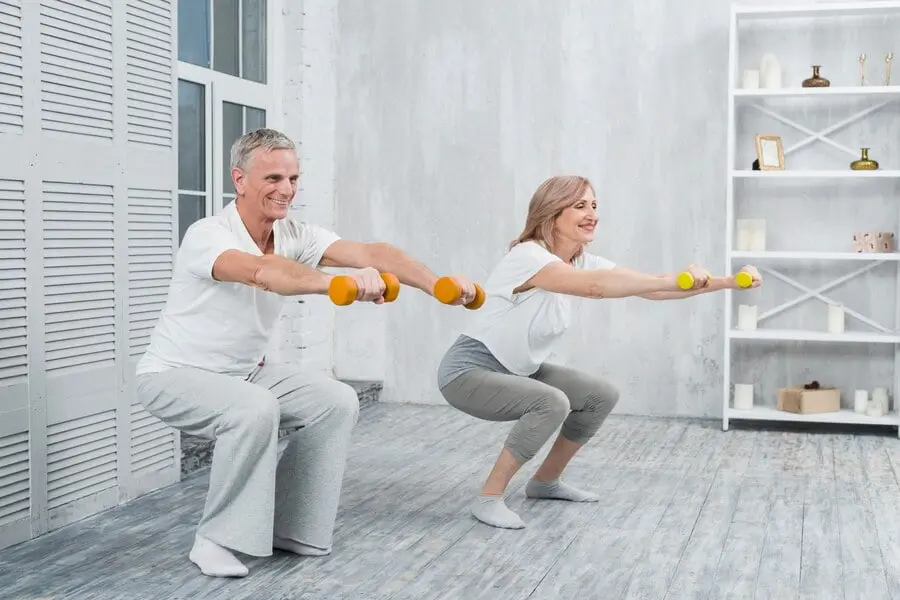
Resistance training is the most effective intervention available. Progressive overload through compound movements squats, deadlifts, rows, and pressing stimulates muscle protein synthesis and maintains lean muscle tissue regardless of age. Research consistently shows that older adults who engage in regular resistance training preserve muscle mass, strength, and functional ability well into their later decades.

2. Bone Density and Osteoporosis Prevention

Bone density naturally declines after the mid-30s, increasing fracture risk as years pass. Osteoporosis — where bones become brittle and fragile is one of the most serious health risks associated with aging, particularly for women post-menopause.

Weight-bearing exercise and resistance training apply controlled mechanical stress to the skeletal system, stimulating bone remodelling and maintaining bone mineral density. Walking, strength training, and impact activities like dancing all contribute to bone health in ways that sedentary lifestyles simply cannot replicate.

3. Metabolic Health and Weight Management

Metabolic rate declines with age primarily because lean muscle mass decreases and muscle tissue is metabolically more active than fat. This means the body burns fewer calories at rest as the years pass, making weight management progressively harder without intervention.

Here’s what regular exercise does for metabolic health as you age:

  • Resistance training increases resting metabolic rate by preserving and building lean muscle tissue that burns calories continuously.
  • Cardiovascular exercise improves insulin sensitivity: Reducing the risk of type 2 diabetes, a condition whose prevalence increases significantly with age.
  • HIIT (High-Intensity Interval Training) produces EPOC: Excess post-exercise oxygen consumption meaning calorie burn continues hours after the session ends.
  • Regular movement maintains hormonal balance: Exercise supports testosterone, growth hormone, and cortisol regulation, all of which affect body composition and energy levels.
  • Consistent activity prevents the metabolic adaptation that makes weight regain common in sedentary aging adults.

4. Cognitive Function and Brain Health

The cognitive benefits of exercise are among the most compelling in anti-aging research. Regular aerobic and resistance exercise increases cerebral blood flow, reduces neuroinflammation, and promotes neurogenesis the growth of new brain cells particularly in the hippocampus, the region associated with memory and learning.

Studies show that physically active older adults have significantly lower rates of cognitive decline, dementia, and Alzheimer’s disease compared to sedentary peers. Exercise isn’t just keeping your body young; it’s keeping your brain sharp.

5. Flexibility, Mobility, and Balance

Joint stiffness, reduced range of motion, and impaired balance are among the most common functional complaints associated with aging and they’re among the most preventable. Regular stretching, yoga, mobility work, and balance training maintain joint range of motion, reduce fall risk, and preserve the freedom of movement that makes daily life comfortable and independent.

Frequently Asked Questions

What is the best type of anti aging exercise?

A combination works best. Resistance training preserves muscle mass and bone density; cardiovascular exercise supports heart health and cognitive function; flexibility and mobility work maintains range of motion and balance. Each addresses a different dimension of aging — a complete programme includes all three.

Is it too late to start exercising if I'm already in my 50s or 60s?

No. Research consistently shows that adults who begin resistance training later in life make significant gains in muscle mass, bone density, and functional strength. The body retains its ability to adapt to training stimulus at any age — starting later simply means the benefits come from a different baseline, not that they don't come.

How many days per week should older adults exercise for anti aging benefits?

Current evidence supports 150 minutes of moderate-intensity cardiovascular activity per week, combined with two to three resistance training sessions targeting all major muscle groups. This is achievable in four to five sessions of 30–45 minutes each a manageable commitment for most adults.

Train Consistently, Age Better

Anti aging exercise isn’t about vanity or chasing unrealistic ideals it’s about maintaining the physical and cognitive capacity to live fully and independently as years pass. Muscle mass, bone density, metabolic health, brain function, and mobility all respond to consistent, structured training at any age.

At Nitro Gym, whether you train at our gym in DSO or our gym in Al Barsha, our certified trainers build age-appropriate, progressive programmes that address every dimension of healthy aging. The best time to start was years ago. The second best time is now.

Call Now Button