
Category: General

  • Tips for Transitioning to Vegan or Vegetarian Diets for Gym-Goers

    Tips for Transitioning to Vegan or Vegetarian Diets for Gym-Goers

    Switching to a vegan or vegetarian diet can increase your health and fitness. At Nitro Gym in DSO and Al Barsha, we know how important good nutrition is for reaching your fitness goals. Here are some easy tips to help you transition to a plant-based diet while staying strong and energized.

    Nutritional Advice for Plant-Based Diets

    1. Focus on Protein Getting enough protein is key. Include plant-based protein sources like lentils, chickpeas in your meals. Nuts, seeds, and plant-based protein powders can also help.

    2. Get Iron and Vitamin B12 Iron keeps your energy up, and vitamin B12 is important for your nerves and red blood cells. Eat iron-rich foods like spinach, lentils, beans, and fortified cereals. Pair them with vitamin C-rich foods like bell peppers and oranges to help absorb the iron. For B12, take a supplement or eat fortified foods like plant-based milks and nutritional yeast.

    3. Include Healthy Fats Healthy fats are essential for your overall health. Add sources of omega-3 fatty acids like flaxseeds, chia seeds, walnuts, and supplements to your diet. Avocados, olive oil, and nuts are also great for healthy fats.

    4. Stay Hydrated Drinking enough water is important, especially when eating a high-fiber diet. Drink plenty of water throughout the day and eat hydrating foods like cucumbers, watermelon, and leafy greens.

    Meal Planning for Vegan and Vegetarian Diets

    1. Create Balanced Meals Make sure your meals have protein, complex carbs, healthy fats, and lots of vegetables. For example, a salad with chickpeas, avocado, mixed greens, and tahini dressing is a balanced meal.

    2. Pre- and Post-Workout Nutrition For energy before a workout, eat easily digestible carbs like a banana or a smoothie with spinach, berries, and plant-based protein powder. After a workout, eat a meal with protein and carbs, like lentil stew with sweet potatoes or tofu stir-fry with brown rice, to help your muscles recover.

    3. Plan and Prep Planning and preparing meals in advance helps you stay on track. Each week, plan your meals, buy the ingredients, and prep items like grains, roasted vegetables, and legumes so you always have healthy options ready.

    4. Snack Smart Keep healthy snacks on hand to fuel your workouts and recovery. Good options include hummus with veggie sticks, nuts, fruit with nut butter, or energy balls made with dates, oats, and seeds.

    Overcoming Common Challenges

    1. Cravings for Non-Vegan Foods
    Cravings are normal when transitioning to a plant-based diet. Try to find vegan alternatives to your favorite foods, like plant-based burgers, dairy-free cheese, or vegan ice cream. These alternatives can help satisfy your cravings while keeping you on track.

    2. Social Situations
    Understanding social situations can be tricky on a vegan or vegetarian diet. When dining out, look for restaurants with vegan or vegetarian options. If you’re attending a gathering, consider bringing a plant-based dish to share, ensuring there’s something you can eat.

    3. Nutrient Deficiencies
    Make sure you’re getting all necessary nutrients by incorporating a variety of foods in your diet. Regularly check in with a healthcare provider or a nutritionist to monitor your nutrient levels and adjust your diet or supplements as needed.

    4. Staying Motivated
    Staying motivated can be tough, but finding a support system can help. Join vegan or vegetarian groups online or in your community, share recipes, and stay inspired by others who have successfully made the transition.

    Conclusion

    Switching to a vegan or vegetarian diet can increase your health and fitness when done right. At Nitro Gym in DSO and Al Barsha, we recommend focusing on nutrient-dense foods, balanced meals, and staying hydrated to keep your energy and strength up. With the right planning, you can focus on a plant-based diet and reach your fitness goals. Visit Nitro Gym today to learn more about our nutritional advice and fitness plans. Let’s make your transition to a plant-based diet a success!

  • How to Identify the Signs of Overweight

    How to Identify the Signs of Overweight

    How to Identify the Signs of Overweight

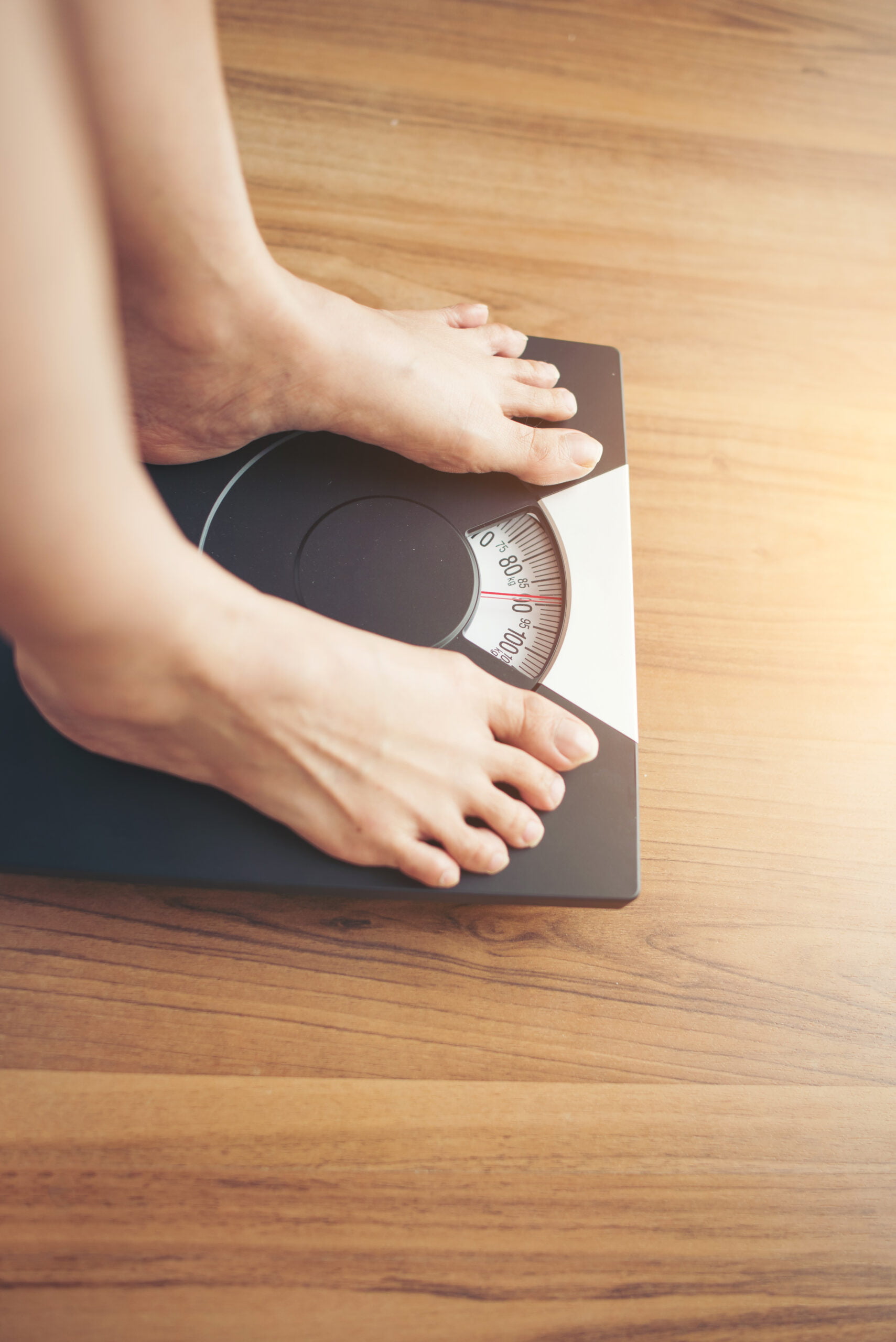
    Maintaining a healthy body weight is important for overall well being, energy levels, and long term health. While stepping on a weighing scale can provide a basic idea about your weight, there are several physical and lifestyle indicators that can help you understand whether you might be overweight. Recognizing these signs early allows you to take positive steps toward improving your health and fitness.

    For individuals focusing on weight management, staying active through structured workouts at a gym in Al Barsha or gym in Silicon Oasis can support gradual and sustainable progress.

    How to Identify the Signs of Overweight

    Understanding Overweight and Obesity

    Healthcare professionals often use Body Mass Index, commonly known as BMI, to categorize body weight. BMI is calculated using height and weight to give a general understanding of whether a person falls within a healthy range.

    • A BMI between 18.5 and 24.9 is considered a healthy weight

    • A BMI between 25 and 29.9 is categorized as overweight

    • A BMI of 30 or above is considered obesity

    Although BMI is a useful guideline, it does not always reflect body composition accurately. For example, individuals with higher muscle mass may have a higher BMI without having excess body fat. Therefore, factors such as waist circumference, fat distribution, lifestyle habits, and overall health should also be considered.

    Common Physical Signs of Being Overweight

    Increase in Body Fat Around the Waist

    One of the most noticeable signs of weight gain is the accumulation of fat around the midsection. Excess abdominal fat can indicate that the body is storing more energy than it is using.

    Difficulty Performing Everyday Activities

    If simple tasks such as climbing stairs, walking short distances, or carrying light items start to feel challenging, it may indicate that excess weight is putting additional strain on the body.

    Shortness of Breath and Low Energy

    Feeling breathless during mild physical activity or experiencing constant fatigue can be related to carrying extra body weight. The body has to work harder to support movement and maintain daily functions.

    Joint Pain and Body Discomfort

    Extra weight increases pressure on joints such as knees, hips, and lower back. This can lead to discomfort, stiffness, or recurring pain during movement.

    Changes in Clothing Size

    Noticing that your regular clothes feel tighter or needing to move to larger sizes can be an early sign of gradual weight gain.

    Emotional and Lifestyle Indicators

    Reduced Confidence and Body Image Concerns

    Weight changes can sometimes affect self esteem and how individuals perceive their appearance.

    Sleep Disturbances

    Weight gain may contribute to poor sleep quality, making it harder to fall asleep or stay asleep throughout the night.

    Feeling Constantly Tired

    Low energy levels throughout the day may be linked to lifestyle habits and excess body weight.

    Why Identifying Overweight Early Matters

    Recognizing weight gain early allows individuals to make necessary lifestyle adjustments before it leads to more serious health concerns.

    Being overweight can increase the risk of conditions such as heart disease, type two diabetes, and mobility related issues. Addressing these signs early can improve physical health, mental well being, and overall quality of life.

    Practical Steps to Manage Weight Effectively

    Seek Professional Guidance

    Consulting a healthcare provider can help assess overall health and create a suitable weight management plan.

    Focus on Balanced Nutrition

    Including whole foods such as fruits, vegetables, lean proteins, and whole grains can help maintain energy levels and support healthy weight management.

    Stay Physically Active

    Regular exercise plays a major role in managing body weight. Activities such as walking, strength training, and group fitness classes can help improve metabolism and endurance.

    Joining a supportive fitness environment can make it easier to stay consistent with workouts and build healthier habits.

    FAQs

    You may notice signs such as increased body fat around the waist, low energy levels, difficulty performing daily tasks, or frequent joint discomfort.

    Not always, but carrying excess weight for a long period can increase the risk of chronic conditions like heart disease and diabetes.

    Start with small lifestyle changes such as improving diet quality, increasing daily activity, and maintaining consistency with exercise.

    Yes. Regular workouts in a professional fitness environment can improve metabolism, build strength, and support sustainable weight loss.

    Summing Up

    Identifying the signs of being overweight is the first step toward building a healthier lifestyle. With proper awareness, balanced nutrition, and regular physical activity, individuals can gradually improve their fitness levels and overall well being.

    Training consistently in a structured environment such as Nitro Gym can help support long term fitness goals by providing access to professional guidance, modern equipment, and motivating workout programs.

  • How to Choose the Right Gym Membership for You

    How to Choose the Right Gym Membership for You

    You sign up for a gym membership with the best intentions, picturing yourself a sculpted warrior conquering the weight rack. But then, life gets in the way, and your membership card joins the dusty ranks of the unused yoga mat! 

    However, the dream of a healthier, fitter you does not  have to fade!  Exercise offers a multitude of benefits. It boosts your mood and reduces stress to build strength and improves overall health. The key lies in finding the right gym membership. It will complement your lifestyle, not compete with it.  

    Mapping Your Fitness Journey

    Before going into memberships, take a moment to consider your personal needs and preferences. Have a look on these :- 

    1. Charting Your Fitness Goals:

    What are your fitness goals? Do you dream of sculpting muscle, shedding weight, or simply boosting your overall health? Identifying your goals will help you choose a gym with the tools and expertise to get you there. Knowing your workout style will help you find a gym that offers the right mix of activities.

    2.  Budgeting for Your Fitness:

    Be honest with yourself. How much can you realistically afford to spend on a monthly membership? Think beyond the base price. Will you need additional fees for personal training sessions? Factor those in when comparing gyms.

    3. Making Location Your Ally:

    Choose a gym that is close to your home or work, making it easier to squeeze in a workout before or after your busy day.Consider the operating hours. 

    4.  Amenities: 

    Do you crave post-workout pampering? If a steam room or pool is essential, factor that into your gym selection. Think about the little things. Does the gym provide towels or do you need to bring your own? Are the locker rooms clean and spacious? These details can make a big difference in your overall gym experience.

    Researching About Gyms

    Jump on the gym’s website or social media pages and see what current members are saying. Look for some questions- is the staff friendly? Are the classes worth the hype? Do people rave about cleanliness or complain about overcrowding? Reviews can be a goldmine of real life experiences. 

    Most gyms have websites that showcase their facilities, class schedules, and membership options. You Can easily find the information you need via their websites. Check the class descriptions and pricing structures. 

    Many gyms offer free trial memberships or day passes. This is your chance to experience the gym firsthand. Take a class, test out the equipment, chat with the staff, and get a feel for the overall atmosphere. A free trial can help you avoid signing up for a gym that is not quite the right fit.

    Making the Best Decision

    List out the pros and cons of each gym you considered.  Think about factors like class variety, equipment quality, location, price, and overall atmosphere. Gyms can be surprisingly flexible, especially when it comes to new members.  Do not be afraid to politely inquire about discounts or special offers.  Look for hidden fees like annual maintenance charges or locker rental costs. 

    Then you have found your perfect gym match. Now comes the most important part, that is actually using your membership!  Create a workout schedule that fits your lifestyle and stick to it.

    Remember, the main aspect lies in choosing a gym that complements your lifestyle, not competes with it.  Think about Nitro Gym in DSO or Nitro Gym in Al Barsha – both offer a variety of classes, equipment, and membership options to suit different needs. Enter into the fitness journey with confidence! 

  • How to Deal with Muscle Soreness After Exercise

    How to Deal with Muscle Soreness After Exercise

    Ever crush a workout, feeling like a total gym boss, only to wake up the next day feeling like you got hit by a truck?  That is Delayed Onset Muscle Soreness (DOMS) for you. It is  the not-so-fun side effect of pushing your muscles to new limits.  It is that achy, stiff feeling that can make even simple movements, like climbing stairs, a challenge. But do not worry, our fellow fitness warriors!  DOMS is a normal part of the muscle-building process, and there are ways to soothe the ache and get you back on track to conquering your next workout.

    The Stages of Muscle Soreness

    DOMS is not a constant ache, but more like a bad thing with a specific agenda.

    • Onset

    You might not feel it right after your workout, but within 12-24 hours, the soreness starts creeping in. 

    • Peak

    Brace yourself, because things can get a little rough around day 2 or 3. This is when the soreness reaches its peak. 

    • Resolution

    Over the next few days, the soreness gradually fades as your muscles repair and grow stronger. 

    Strategies to Soothe Sore Muscles

    Conquering a tough workout feels amazing, but that victory dance might be cut short by the dreaded muscle soreness. Here is how to turn down the volume on the aches and get back to feeling like your awesome self:

    1. Cooling Down Properly

    Do not just stop after your last rep and walk away like a champ. A cool-down routine helps your body gradually return to its resting state. Spend 10-15 minutes doing some light cardio like walking or jogging on the spot. This helps flush lactic acid, a waste product that contributes to soreness, out of your muscles. Then, ease into some static stretches. Hold each stretch for 15-30 seconds, focusing on major muscle groups that worked hard during your workout.

    1. Hydration is important

    Just like a wilted flower needs water to wake up, your muscles need proper hydration to recover.  Dehydration can worsen muscle soreness, so make sure you are drinking plenty of fluids before, during, and after your workout. Aim for water or low sugar drinks. 

    1. Need more Protein

    To rebuild those tiny tears and prevent excessive soreness, you need to provide the protein. Aim to consume 20-30 grams of protein within 30 minutes of finishing your workout. Here are some delicious post workout protein foods to consider: Greek yoghurt, eggs, protein smoothie, chicken breast etc. 

    1. Rest and recovery

    Your muscles do not grow stronger during your workout, they grow stronger during rest and recovery.  Do not be afraid to schedule rest days into your workout routine. This allows your muscles time to repair and rebuild, preventing excessive soreness and potential injuries. 

    1. Active Recovery

    While intense exercise might not be your best friend when you are sore, some gentle movement can actually be beneficial.  Activities like walking, yoga, or light swimming can help improve blood flow, reduce stiffness, and promote healing. 

    1. Pain Relief Options

    Medications like ibuprofen or acetaminophen can help temporarily manage muscle soreness. It is important to consult your doctor before using any medication, especially if you have any underlying health conditions.

    1. Self-Massage and Stretching

    Grab a foam roller or a massage ball and become your own muscle therapist!  Self-massage with these tools can help improve blood flow, reduce muscle tension, and ease soreness.  Gently roll over sore areas for a few minutes. 

    Do not avoid stretching entirely just because you are sore. Gentle static stretches can actually help improve flexibility and range of motion, which can in turn reduce muscle tightness and discomfort. Hold each stretch for 15-30 seconds and focus on your breath.

    1. Hot and Cold Therapy

    Alternating hot and cold therapy can be good. Apply a hot compress to a sore area for 15-20 minutes to improve blood flow and ease stiffness. Then, follow it up with a cold compress for 10-15 minutes to reduce inflammation. 

    Remember these things too. 

    • Do not  just jump straight into your workout. Dedicate 10-15 minutes to a proper warm-up routine. This could include light cardio like jogging or jumping jacks, followed by dynamic stretches. 
    • Do not push yourself to the point of exhaustion, especially when you are starting a new exercise routine. Gradually increase the intensity and duration of your workouts.

    Muscle soreness is a natural part of the muscle-building process. Use the information in this guide, you can minimise discomfort and bounce back from your workouts feeling stronger and more energised. 

     Do not let a little soreness derail your fitness journey. Places like Nitro Gym in DSO or Nitro Gym in Al Barsha offer a supportive environment and knowledgeable staff to help your workouts and achieve your goals. Take this as a challenge and do your best. 

  • Yoga vs. Weightlifting: Which is Right for You?

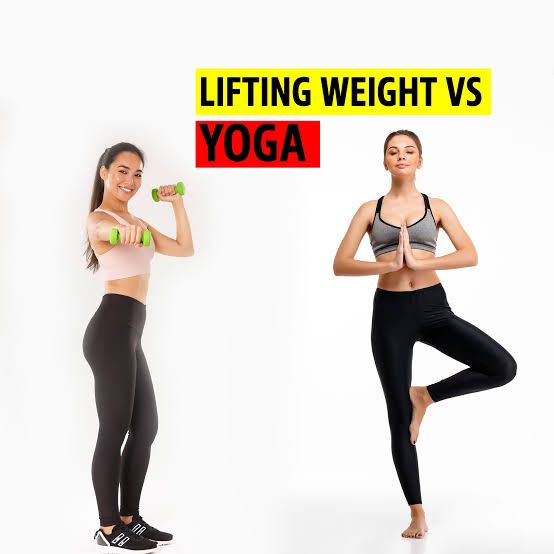
    Yoga vs. Weightlifting: Which is Right for You?

    Choosing between yoga and weightlifting can be a challenging decision for anyone looking to improve their fitness and overall well-being. Both offer unique benefits and can be personalised to fit individual goals. Here’s a comprehensive guide to help you determine which might be the best fit for your lifestyle and fitness objectives.

    Understanding Yoga

    Yoga is an ancient practice that focuses on harmonizing the body, mind, and spirit through a series of postures, breathing exercises, and meditation. Its benefits are extensive:

    Flexibility and Balance: Yoga helps improve flexibility and balance, which can increase performance in various physical activities and reduce the risk of injury.

    Stress Reduction: The meditative aspects of yoga promote relaxation and stress relief, making it an excellent choice for mental health.

    Muscle Tone and Endurance: While not as intense as weightlifting, yoga can still build muscle tone and improve endurance through sustained poses and body-weight resistance.

    Overall Well-being: Regular yoga practice promotes overall physical and mental well-being, supporting a good approach to health.

    Popular Yoga Styles:

    Hatha Yoga: Gentle and slow-paced, focusing on basic postures and breathing exercises.

    Vinyasa Yoga: More dynamic, linking breath with movement in a flow of postures.

    Ashtanga Yoga: A rigorous and structured sequence of poses.

    Bikram Yoga: Performed in a heated room, this style involves a set series of 26 challenging poses.

    Understanding Weightlifting

    Weightlifting involves lifting weights to build muscle strength, power, and size. Its benefits are also many:

    Strength and Power: Weightlifting significantly increases muscle strength and power, improving overall physical performance.

    Metabolic Boost: Building muscle through weight lifting increases metabolism, aiding in weight management and fat loss.

    Bone Density: Regular weight lifting increases bone density, reducing the risk of osteoporosis.

    Confidence and Body Composition: Weightlifting improves body composition, leading to a more toned appearance and increased self-confidence.

    Types of Weightlifting:

    Bodybuilding: Focuses on hypertrophy, or muscle growth, through high-volume workouts and varied exercises.

    Powerlifting: Centers on lifting maximum weights in three main lifts: squat, bench press, and deadlift.

    Olympic Lifting: Involves two main lifts—the snatch and the clean and jerk—requiring strength, speed, and technique.

    Functional Training: Uses weights in compound movements to improve everyday functional strength.

    Factors to Consider When Choosing

    Fitness Goals

    • If your primary goal is to increase flexibility, reduce stress, and increase overall well-being, yoga might be the best choice.
    • If you aim to build strength, muscle mass, and improve metabolic health, weightlifting could be more suitable.

    Physical Condition

    • Individuals with joint issues or those recovering from injuries may find yoga to be a gentler option.
    • Those without significant physical limitations and who seek more intense workouts might prefer weightlifting.

    Time and Accessibility

    • Yoga requires minimal equipment and can be practiced anywhere, making it convenient for those with limited time or access to a gym.
    • Weightlifting typically requires access to equipment, either at home or at a gym, and may involve more time commitment for workouts and recovery.

    Personal Preferences

    • If you enjoy a peaceful, meditative environment and slower-paced activities, yoga might resonate more with you.
    • If you focus on structure, measurable progress, and enjoy challenging your physical limits, weightlifting could be more appealing.

    Combining Both for the best Benefits

    For those who find it hard to choose, combining yoga and weightlifting can offer the best of both worlds. Including yoga into your routine can improve flexibility, aid recovery, and improve mental focus, complementing the strength and power gains from weightlifting. This balanced approach can lead to a more well-rounded fitness routine and promote long-term health and wellness.

    Conclusion

    Ultimately, the choice between yoga and weightlifting depends on your personal goals, preferences, and lifestyle. Both practices offer unique and significant benefits that can improve your physical and mental health. Consider what you enjoy most and what aligns with your fitness objectives. Whether you choose yoga, weightlifting, or a combination of both, committing to regular practice will lead to a healthier, more balanced life. Nitro Gym in Al Barsha and DSO have personalized trainers on whom you can depend 24*7 for customized routines, workout plans, & assistance. 

  • A Guide to Managing and Preventing Common Gym Injuries: Sprains, Strains, and Overuse Injuries

    A Guide to Managing and Preventing Common Gym Injuries: Sprains, Strains, and Overuse Injuries

    Whether you’ve been going to the gym for a while or you’re just starting out, injuries can happen to anyone. Things like sprains (when you stretch or tear a ligament), strains (when you pull or tear a muscle), and overuse injuries (when you use a part of your body too much) can get in the way of your fitness goals. But don’t worry! In this guide, we’ll talk about simple things you can do to prevent these injuries and what to do if you get one. Have a look at these tips by experts at Nitro Gym in Al Barsha & DSO. 

    Warm-Up Properly

    Before you start exercising, it’s important to get your muscles and joints ready. You can do this by doing things like moving your body in different ways (dynamic stretches), doing light activities like jogging or jumping jacks (light cardio), and moving your body parts to improve flexibility (mobility exercises).

    This helps your muscles get more blood and become looser, which makes them less likely to get hurt when you exercise.

    Use Proper Form

    A big reason people get hurt at the gym is because they don’t do exercises the right way. Whether you’re lifting weights, doing exercises with just your body, or using machines, it’s really important to do them correctly. This not only helps you get the most out of your workout but also lowers the chances of hurting yourself. So, pay attention to how you’re moving and make sure you’re doing each exercise properly.

    Gradually Increase Intensity

    Even though it might feel good to push yourself really hard every time you go to the gym, it’s actually better to take things slowly. Instead of trying to do too much all at once, gradually make your workouts tougher over time. This could mean making them longer, harder, or doing them more often. By giving your body time to get used to each level of exercise, you’ll lower the risk of hurting yourself by doing too much too soon.

    Listen to Your Body

    When you’re working out, it’s important to listen to your body. If something feels uncomfortable or hurts, don’t ignore it. Stop what you’re doing and check if you’re doing the exercise correctly. It’s better to take a break or switch to something else than to keep going and risk getting hurt even more. So, pay attention to how your body feels and take care of any small issues before they become big problems.

    Incorporate Rest Days

    Taking days off from working out is really important. Your body needs time to rest and heal after exercising to avoid getting hurt from doing too much. Rest days help prevent injuries caused by overdoing it and give your muscles a chance to get stronger. On these days, you can do activities like yoga or swimming, which are gentle on your body but still keep you moving and help with flexibility and blood flow. So, make sure to give yourself some rest days to stay healthy and injury-free.

    Cross-Train

    Changing up your workouts is a good idea for a few reasons. First, it keeps things fun and interesting. But it’s also good for preventing injuries. When you do different types of exercises, you give some muscles a break while working out others. This helps prevent injuries caused by using the same muscles too much. So, try mixing in different kinds of exercises like lifting weights, doing cardio, stretching, and balancing exercises. Your body will thank you!

    Use Proper Equipment

    Make sure you’re using the right gear when you work out, and make sure it’s in good shape. If your shoes are worn out, your exercise mat is old, or the machines you’re using are broken, you could get hurt. Invest in good-quality gear and replace it when you need to. This will help you stay safe while you work out and avoid injuries caused by using old or broken equipment.

    Cool Down and Stretch

    When you finish your workout, it’s important to take a few minutes to cool down and stretch. This helps stop your muscles from feeling stiff or sore later on and makes you more flexible. Focus on stretching all your main muscle groups, like your legs, arms, and back. Hold each stretch for about 15 to 30 seconds without bouncing. This will help your muscles relax and recover after your workout.

    Stay Hydrated and Fuel Your Body

    Drinking enough water and eating right are really important for helping your body heal after you exercise and for lowering the chance of getting hurt. Make sure you drink plenty of water before, during, and after your workouts to stay hydrated. And eat a balanced diet with plenty of protein, carbs, and healthy fats to give your body the fuel it needs to recover. Taking care of your body with good nutrition and hydration can help you stay healthy and injury-free.

    Seek Professional Help if Needed

    If you get hurt while exercising, don’t ignore it or try to keep going. It’s important to get help from a professional like a doctor, physical therapist, or certified trainer. They can give you advice on how to treat the injury and help you get better. Getting help early on can prevent a small problem from turning into a bigger one later on. So, don’t hesitate to reach out to a professional if you need it.

    Conclusion 

    By following these tips for managing and preventing common gym injuries, you can enjoy a safe and effective workout routine without the fear of setbacks. Remember to prioritize proper form, listen to your body, and give yourself the rest and recovery you need to stay healthy and injury-free in the gym.

  • Understanding the Role of Hormones in Exercise Adaptation and Body Composition Changes

    Understanding the Role of Hormones in Exercise Adaptation and Body Composition Changes

    Knowing how hormones, exercise, and body changes are linked is important for anyone aiming to get fit. Hormones are like your body’s managers, controlling things like how fast you burn calories, build muscles, and lose fat.

     In this blog, we’ll explain how hormones affect how your body responds to exercise and changes its shape.

    Hormones and Metabolism

    Hormones like insulin, glucagon, and cortisol control how your body uses carbs, fats, and proteins for energy when you exercise. Insulin helps cells take in sugar for energy, while glucagon releases stored sugar from the liver to keep your blood sugar steady while you work out. 

    Cortisol, known as the stress hormone, can rise during tough exercise, releasing stored energy and breaking down muscle for fuel.

    Anabolic Hormones and Muscle Growth

    Testosterone and growth hormone are important hormones that help muscles grow and repair. When you do resistance exercises like lifting weights, your body releases more of these hormones, which helps your muscles grow bigger and stronger. 

    Eating well, getting enough rest, and allowing time for your muscles to recover are crucial for making sure these hormones can do their job properly and help your muscles grow effectively.

    Hormones and Fat Loss

    When you exercise, hormones like adrenaline and noradrenaline go up, which helps break down fat and give you energy. Thyroid hormones also help control how fast your body burns calories, and having more of them might help you burn more fat. 

    Leptin and ghrelin are hormones that control your appetite, so they can affect how much you eat and how your body changes shape.

    Hormonal Adaptations to Exercise

    When you exercise regularly, your body adapts by making changes to its hormones, which can help you perform better and change your body shape. 

    For instance, endurance training can make your muscles more sensitive to insulin, which helps them use sugar for energy better. Resistance training can make your body release hormones that help your muscles grow bigger and stronger over time.

    Individual Variability and Considerations

    It’s essential to understand that how your hormones react to exercise can be different from others, depending on things like your genes, age, gender, and how much you train. Hormonal problems, like thyroid issues or PCOS, can affect how your body responds to exercise and changes shape. 

    Talking to doctors or trainers who know about hormones can help make exercise and diet plans that suit your body and goals. You can contact personal trainers at Nitro Gym in DSO or Al Barsha for a personalized diet plan & routine. 

    How Your Lifestyle Affects Your Hormones

    Your lifestyle, not just exercise, affects how your body responds to workouts. Being stressed all the time can mess with your hormones and make it harder to get fit. Getting enough good sleep and eating healthy foods are also important for keeping your hormones balanced and making your workouts count. By taking care of these things, you can make your exercise routine work better and reach your fitness goals faster.

    Conclusion

    Hormones have a big effect on how exercise changes your body, controlling things like how fast you burn calories, build muscles, and lose fat. By knowing how different hormones work with exercise, people can plan workouts that work best for them and reach their fitness goals. It’s important to think about eating right, getting enough rest, and knowing that everyone’s body is different to make the most of how hormones affect fitness.

  • Understanding the Basics of Sports Nutrition and Hydration for Athletes

    Understanding the Basics of Sports Nutrition and Hydration for Athletes

    Sports nutrition and staying hydrated are super important for athletes because they help you perform better, recover faster, and stay healthy. Whether you’re a pro athlete or just love being active, knowing the basics of what to eat and drink is key to reaching your fitness goals and doing your best in sports. 

    So, let’s dive into the basics: we’ll talk about the important stuff your body needs, how to make sure you’re drinking enough water, and some tips for keeping your body fueled up for success.

    Nutrition for Performance

    Making sure you eat the right foods is super important for keeping your energy up and helping your muscles recover after tough workouts. Carbohydrates, like those in whole grains, fruits, and veggies, are like the fuel your body needs for activities that last a long time, like running or biking. 

    Protein is another big one because it helps your muscles repair and grow stronger. You can find protein in foods like chicken, fish, beans, and nuts. And don’t forget about healthy fats, which give you lasting energy and help keep you healthy. You can get these from foods like avocados, nuts, and olive oil.

    Hydration Strategies

    Drinking enough water is super important for doing your best in sports and staying healthy. Athletes should try to drink fluids before, during, and after exercise to stay hydrated. For shorter workouts, plain water is usually enough. 

    But for longer or really intense activities, sports drinks with electrolytes can help replace the fluids and minerals you lose when you sweat. You can tell if you’re hydrated enough by checking the color of your pee; aim for a pale yellow color, which means you’re doing a good job staying hydrated.

    Timing and Meal Planning

    When you eat before and after your workout, it can make a big difference in how well you do and how fast your body recovers. Eating a balanced meal with carbs, protein, and fats about 2-3 hours before you exercise gives your body the fuel it needs to power through your workout.

     If you’re in a hurry, grab a quick snack with carbs and a bit of protein, like a banana with peanut butter or yogurt with granola, about 30-60 minutes before you start. After your workout, it’s important to refuel your body by eating a mix of carbs and protein within 30 minutes to an hour. This helps your muscles recover and gets you ready for your next workout.

    Supplementation

    While eating a healthy, balanced diet should give athletes most of the nutrients they need, sometimes supplements can help too. Some common ones for athletes are whey protein powder, creatine, and branched-chain amino acids (BCAAs). These can help with things like muscle growth and recovery.

     But it’s really important to talk to a doctor or a dietitian before taking any supplements to make sure they’re safe for you and will actually help with what you need. Everyone’s body is different, so what works for one person might not work for another. So, always get advice before adding anything new to your routine. Trainers at Nitro Gym in Al Barsha and DSO can help you achieve your fitness goals by providing you with personalized diet plans and workout routines. 

    Conclusion 

    To sum up, knowing the basics of sports nutrition and hydration is really important for athletes, no matter their level. It helps you perform better, recover faster, and stay healthy overall. By eating the right foods, drinking enough water, and timing your meals well, you can reach your fitness goals and do your best in sports. 

    It’s also essential to pay attention to how your body feels, try out different strategies, and get advice from experts like doctors or dietitians to create a plan that’s just right for you. With good nutrition and hydration, you’ll be ready to crush it in your sports and stay active and healthy for the long run.

  • Guide to Feeling Good and Getting Healthy: Weight Loss vs. Fat Loss

    Guide to Feeling Good and Getting Healthy: Weight Loss vs. Fat Loss

    Hey there! Ready to jump into the world of feeling good and getting healthy? Awesome! Today, we’re breaking down the difference between weight loss and fat loss – two terms that often get mixed up. Buckle up for a journey towards a healthier, happier you!

    Knowing the Basics

    So, what’s the deal with weight loss and fat loss? Weight loss is like when you check your weight on the scale, and the number goes down. But here’s the thing: that drop can be because of losing water or even some muscles. But here’s the kicker – fat loss is the big version.Instead of just dropping numbers, it’s all about kicking out the extra fat while letting those strong muscles stay right where they are. 

    Eat Right for Fat Loss

    Alright, let’s look into the tasty world of food because, seriously, who doesn’t love talking about it? Now, when it comes to losing fat, here’s the trick: focus on eating up the good stuff. Fill your plate with yummy fruits, colorful veggies, lean proteins (that’s like chicken, fish, or beans), and whole grains (like brown rice or oats). It’s like giving your body a full meal that helps it kick fat to the curb.

    Crash diets? Nah, we’re not fans. Sure, they might make the scale drop super fast, but not the healthy kind. Instead, let’s keep it simple – eat well and eat right. Choose foods that make your body happy, and you’ll see that extra fat saying its goodbyes. So, skip the crash diets, load up on the good eats, and watch that fat melt away. 

    Move Right for Fat Loss

    Time to get moving! Exercise is your secret weapon. Mix it up with cardio (like dancing or jogging) and strength training (lifting some weights). This combo not only burns fat but also keeps your muscles happy. Plus, exercising feels good – bonus!

    Why Weight Loss Isn’t Always Great

    Hold up! Just losing weight on the scale doesn’t mean it’s all rainbows and sunshine. Quick weight loss might mean saying goodbye to water weight or even muscle mass. Not cool. We’re after fat loss – a slow and steady journey that leaves you feeling strong and energized.

    Understanding Your Body with Composition Analysis

    Ever heard of a composition analysis? It’s like your body’s report card. This tool tells you the percentage of fat, muscle, and water in your body. Forget just staring at the scale; this gives you the inside scoop on what’s happening. Smart, huh?

    Looking Good, Feeling Good, and Staying Healthy

    Feeling good is the goal! When you focus on fat loss, you’re not just looking good on the outside – you’re feeling amazing on the inside too. It’s like a double win! Your health improves, the risk of getting sick goes down, and you’ve got energy to spare.

    Striking the Right Balance for a Healthier You

    So, here’s the grand finale – it’s all about balance. Eat well, move around, and keep a positive vibe. Forget stressing over the scale number. Celebrate the little victories – every step and every healthy choice counts. That’s how you become a healthier, happier you!

    To conclude, it’s not just about losing weight; it’s about gaining a life that’s healthier, more vibrant, and totally worth celebrating. At Nitro Gym in DSO & Al Barsha, we’re all about making your wellness adventure both exciting and achievable. we’re ready to support you every step of the way. Ready to feel good and get healthy? Let’s do this!

  • Mastering the Basics: Essential Exercises for a Well-Rounded Gym Routine

    Mastering the Basics: Essential Exercises for a Well-Rounded Gym Routine

    Starting your fitness journey is like beginning a new adventure. The gym becomes your playground, and certain exercises are your go-to playmates, making sure you build a strong foundation. These exercises are like your best friends – always there for you, helping you grow stronger and healthier. Let’s look into these exercises that make up a well-rounded routine.

    Squats

    Think of squats like sitting down and standing up. They’re fantastic for your legs and core. Imagine sitting into an imaginary chair, making sure your knees don’t go too far forward. Push through your heels to stand back up. Squats build strength in your thighs, hamstrings, and bum. They are your go-to move for strong legs.

    Squatting Tip: As you squat, it’s like sitting back into a comfy chair. Make sure your knees don’t go past your toes.

    Deadlifts

    Deadlifts sound serious, but they’re just picking up something heavy from the floor. Stand with your feet about hip-width apart, bend at your hips and knees, and pick up the weight in front of you. Deadlifts work your backside muscles and help you stay stable. It’s like saying hello to the floor and then standing up with a strong, straight back.

    Deadlift Tip: Keep your back straight as you lift, it’s like a strong hinge.

    Bench Press

    Picture bench press as your superstar moves for upper body strength. Lie on your back on a bench, grab a barbell or dumbbells, and push them up and down. This focuses on your chest and arms, like pushing something heavy away from you. Bench presses make your upper body strong and defined.

    Bench Press Tip: It’s like pushing something heavy away from your chest. Keep your movements controlled.

    Overhead Press

    The overhead press might sound fancy, but it’s just lifting something heavy over your head. Stand or sit, grab a barbell or dumbbells, and push the weight up. This exercise targets your shoulder muscles and improves overall upper body strength. It’s like reaching for the stars, but with weights in your hands.

    Overhead Press Tip: Push the weight directly overhead, like reaching for the sky.

    Pull-Ups/Chin-Ups

    Mastering pull-ups or chin-ups is like unlocking a cool upper body power. Grab a bar with your palms facing away (pull-up) or towards you (chin-up). Pull yourself up until your chin reaches the bar and lower down. This works your back and arm muscles. Think of it as lifting your body towards victory.

    Pull-Ups Tip: Imagine pulling yourself up to see over a fence.

    Rows

    Rowing exercises are magic for your upper back. Whether using a barbell or dumbbells, you pull the weight towards your chest. This makes you stand tall and contributes to a strong and sculpted back. It’s like rowing a boat, but you’re the boat.

    Rows Tip: Pretend you’re rowing a boat, bringing the oars towards your chest.

    Lunges

    Lunges are superheroes for each of your legs. Step forward or backward, lowering your hips until both knees are bent at a 90-degree angle. Lunges improve balance and work your leg muscles. It’s like taking a step forward, exploring new terrain. Think of each lunge as a stride towards stronger legs.

    Lunges Tip: Take a big step forward or backward, like exploring new ground.

    Planks

    Planks are your core’s best friend. Holding a push-up position makes your core super strong. It’s like building a fortress of strength in the middle of your body. Imagine you’re a plank of wood, straight and sturdy.

    Planks Tip: Keep your body in a straight line, like a plank of wood.

    Dips

    Dips are your go-to move for strong arms and chest. Whether on bars or a sturdy bench, you lower and lift your body. It adds spice to your upper body routine. Picture yourself dipping into and rising from a giant bowl of strength.

    Dips Tip: Lower your body down and push it back up, like dipping into a bowl.

    Cardiovascular Training

    Cardio exercises are like a dance for your heart. Running, cycling, or rowing get your heart pumping and improve overall heart health. It’s like making your heart happy with a little dance.

    Cardio Tip: Choose an activity you enjoy, like dancing for your heart.

    Stability Ball Exercises

    Stability ball exercises add some fun to your routine. Think of stability ball squats, planks, and bridges as exciting challenges, bringing balance to your routine. It’s like adding a playful twist

    Summing up, these basic exercises are like your fitness friends—they help you become stronger and healthier. Each exercise is like a small achievement, taking you closer to feeling better. From lifting weights to doing cardio, Nitro Gym is where you turn these exercises into fun. It’s not just a gym; it’s your fitness spot. So, join Nitro Gym in Al Barsha or DSO, enjoy these simple exercises, and get ready for a happier, healthier you!

Call Now Button