Category: General

  • How to Deal with Muscle Soreness After Exercise

    How to Deal with Muscle Soreness After Exercise

    How to Deal with Muscle Soreness After Exercise

    You crushed your workout, felt unstoppable, and went home feeling like the best version of yourself. Then you woke up the next morning barely able to walk down the stairs. Sound familiar?

    That’s Delayed Onset Muscle Soreness (DOMS) and if you’ve ever pushed yourself in the gym, you’ve almost certainly felt it. The stiffness, the tenderness, the regret of doing lunges. But here’s the thing: DOMS is actually a sign that your body is adapting and getting stronger. It’s uncomfortable, yes, but it’s manageable – and at Nitro Gym, our trainers see it every day and know exactly how to help members push through it.

    How to Deal with Muscle Soreness After Exercise

    Understanding the Stages of Muscle Soreness

    DOMS doesn’t hit all at once. It follows a pretty predictable pattern:

    • Onset (12–24 hours post-workout): You might feel fine immediately after training, but by the next morning, the soreness starts creeping in — especially after a new exercise or increased intensity.
    • Peak (Day 2–3): This is the rough patch. Movement feels stiff, affected muscles feel tender to the touch, and everyday activities suddenly feel like a workout in themselves.
    • Resolution (Day 3–5): The soreness gradually fades as your muscles repair, rebuild, and come back stronger than before.

    Knowing this timeline helps – it reminds you that the discomfort is temporary and purposeful.

    Proven Strategies to Relieve Muscle Soreness

    Cool Down Properly After Every Session

    One of the simplest things you can do to reduce soreness is to cool down properly after your workout. Spend 10-15 minutes on light cardio – walking or slow jogging – to help flush out lactic acid build-up. Follow that with static stretches, holding each for 15–30 seconds across the major muscle groups you trained. It takes less than 15 minutes and makes a noticeable difference in how you feel the next day.

    Stay Hydrated

    Dehydration makes muscle soreness worse — it’s that simple. Your muscles need fluid to function and recover, so drink plenty of water before, during, and after your workouts. Stick to water or low-sugar drinks and avoid waiting until you feel thirsty, as that’s already a sign of mild dehydration.

    Prioritise Post-Workout Protein

    Your muscles are made of protein, and after a tough session, they need it to repair. Here are simple habits to support recovery:

    • Aim for 20–30 grams of protein within 30 minutes of finishing your workout.
    • Good sources include Greek yoghurt, eggs, chicken breast, or a protein smoothie.
    • Don’t skip meals after training – under-eating slows recovery significantly.
    • Spread protein intake throughout the day rather than loading it all into one meal.
    • Combine protein with carbohydrates post-workout to replenish energy stores alongside muscle repair.-

    Rest and Active Recovery

    Your muscles don’t grow during your workout – they grow during rest. Scheduling proper rest days isn’t laziness; it’s smart training. On those days, gentle movement like walking, yoga, or light swimming helps improve blood flow, reduce stiffness, and speed up recovery without putting further stress on sore muscles.

    Use Heat, Cold, and Self-Massage

    Alternating hot and cold therapy works well for localised soreness. Apply a warm compress for 15–20 minutes to ease stiffness and improve circulation, followed by a cold compress for 10–15 minutes to reduce inflammation. A foam roller or massage ball is also incredibly effective – spend a few minutes rolling over sore areas to release muscle tension and encourage blood flow.

    FAQs

    recovery are fine, but training intensely through significant soreness risks injury and slows the recovery process. Give the affected muscles adequate rest before your next hard session.

    Most cases of DOMS resolve within 3 to 5 days. If soreness persists beyond a week or is accompanied by sharp pain or swelling, it’s worth consulting a healthcare professional.

    Not necessarily. Soreness indicates your muscles were challenged beyond their current capacity, but it isn’t the only measure of an effective workout. As your fitness improves, you’ll experience less DOMS – that’s progress, not a sign you’re not working hard enough.

    You Don’t Have to Push Through It Alone

    Muscle soreness is a normal, expected part of any fitness journey — but that doesn’t mean you have to just suffer through it. With the right recovery habits, you can minimise discomfort, protect yourself from injury, and keep showing up consistently.

    At Nitro Gym, whether you train at our gym in Al Barsha or our gym in DSO, our knowledgeable team is always on hand to guide your workouts, support your recovery, and help you reach your goals without unnecessary setbacks. Soreness is just a small part of the process — the results make it worth it.

  • Yoga vs. Weightlifting: Which is Right for You?

    Yoga vs. Weightlifting: Which is Right for You?

    Yoga vs. Weightlifting: Which One Is Actually Right for You?

    When it comes to choosing the right fitness path, few debates are as common as yoga versus weightlifting. Both are powerful, both are proven, and both can completely transform your body and mind — but in very different ways. If you have been standing at this crossroads wondering which direction to take, this guide will help you make a confident, informed decision based on your goals, lifestyle, and body.

    Yoga- Weight lifting

    What Is Yoga?

    Yoga is one of the oldest movement practices in the world, combining physical postures, controlled breathing, and mindfulness to create a complete mind-body workout. It is far more than stretching — consistent yoga practice delivers measurable physical and mental results that go far deeper than flexibility alone.

    Core Benefits of Yoga

    Yoga improves flexibility, sharpens balance, reduces chronic stress, enhances mental clarity, and builds muscle endurance through bodyweight resistance. For anyone dealing with joint discomfort, high stress levels, or recovering from an injury, yoga offers a gentle yet deeply effective path to better health and long-term well-being.

    Popular Yoga Styles to Explore

    Every yoga style serves a different fitness personality. Hatha Yoga is slow-paced and ideal for beginners. Vinyasa Yoga is dynamic and links breath with movement. Ashtanga Yoga offers a structured and rigorous sequence for those who want intensity. Bikram Yoga takes place in a heated room and challenges both strength and endurance. There is truly something for everyone within the yoga world.

    What Is Weightlifting?

    Weightlifting is a structured form of resistance training focused on building muscle strength, power, size, and overall physical performance. It is one of the most scientifically backed methods for transforming body composition and supporting long-term metabolic health.

    Core Benefits of Weightlifting

    The benefits go well beyond just looking stronger. Regular weightlifting increases bone density, significantly reducing the risk of osteoporosis later in life. It boosts your resting metabolism, making fat loss more sustainable over time. It also improves posture, functional strength, and self-confidence in ways that positively carry into everyday life.

    Common Weightlifting Approaches

    • Bodybuilding targets muscle growth through high-volume training and exercise variety. 
    • Powerlifting focuses on maximal strength across the squat, bench press, and deadlift. 
    • Olympic Lifting combines explosive strength with precise technical skill. 
    • Functional Training uses compound movements to build real-world physical performance and everyday strength.

    Key Factors to Help You Choose

    Choosing between yoga and weightlifting does not have to be complicated. Consider these deciding factors honestly:

    • Your fitness goal: Want flexibility, stress relief, and mental balance? Yoga is your answer. Want to build strength, gain muscle, and boost metabolism? Weightlifting wins here.
    • Your physical condition: Those with joint issues or injuries will find yoga far gentler as a starting point. Those without physical limitations who want intense, measurable progress are better suited to weightlifting.
    • Your schedule and access: Yoga requires minimal equipment and can be done anywhere. Weightlifting requires access to proper gym equipment and structured recovery time.
    • Your personality: If you thrive in calm, mindful environments, yoga will keep you consistent. If you are driven by measurable goals and visible physical change, weightlifting will fuel your motivation.

    Why Not Choose Both?

    Here is the truth most fitness beginners overlook — yoga and weightlifting are not competitors. They are complements.

    How They Work Together

    Adding yoga to a weightlifting routine improves flexibility and accelerates muscle recovery. Adding weightlifting to a yoga practice builds the functional strength that supports deeper, safer poses. Together, they create the most well-rounded fitness lifestyle possible.

    FAQs

    Yes. Many athletes use yoga as a warm-up or cool-down alongside weightlifting sessions. It aids muscle recovery and improves overall performance.

    Weightlifting generally burns more calories during and after sessions due to its effect on muscle mass and metabolism. However, intense styles like Vinyasa yoga also deliver a solid calorie burn.

    A trainer fast-tracks your progress and keeps you injury-free from day one. Nitro Gym’s expert coaches at our gym in Al Barsha and gym in DSO offer personalized guidance for both beginners and advanced athletes.

    Train Smarter at Nitro Gym

    At Nitro Gym, whether you train at our gym in Al Barsha or our gym in DSO, our certified personal trainers help you build a customized routine that combines the best of both worlds. Available 24/7, the expert coaching team at Nitro Gym designs personalized workout plans aligned with your specific goals — whether that means a pure weightlifting program, a yoga-integrated recovery plan, or a powerful combination of both.

  • A Guide to Managing and Preventing Common Gym Injuries: Sprains, Strains, and Overuse Injuries

    A Guide to Managing and Preventing Common Gym Injuries: Sprains, Strains, and Overuse Injuries

    How to Prevent and Manage Common Gym Injuries: Expert Tips from Nitro Gym

    Whether you train at a gym in DSO, work out at a gym in Al Barsha, or exercise anywhere else, gym injuries are a risk every fitness enthusiast faces. Sprains, strains, and overuse injuries are among the most common setbacks – but the good news is that most of them are entirely preventable with the right approach.

    At Nitro Gym, our certified trainers and fitness experts have helped hundreds of members train smarter, recover faster, and stay injury-free. Here’s what you need to know.-

    Prevention- Common Gym Injuries

    What Are the Most Common Gym Injuries?

    Before jumping into prevention, it helps to understand what you’re up against:

    • Sprains occur when ligaments are stretched or torn, often from sudden movements or poor landing mechanics.
    • Strains involve pulled or torn muscles, typically caused by lifting too heavy or skipping warm-ups.
    • Overuse injuries develop gradually from repeating the same movements without adequate rest — common in runners, weightlifters, and high-frequency trainers.

    Understanding these gives you the foundation to protect yourself every time you step into the gym.

    Expert-Backed Tips to Prevent Gym Injuries

    1. Warm Up Before Every Session

    A proper warm-up prepares your muscles and joints for the demands of exercise. Spend 5–10 minutes on dynamic stretches, light cardio like jogging or jumping jacks, and mobility drills targeting the areas you’ll be training. Skipping this step is one of the most common mistakes beginners and experienced gym-goers alike make.

    2. Master Proper Form First

    Incorrect technique is the leading cause of gym injuries. Whether you’re performing a deadlift, a squat, or a simple dumbbell curl, doing it wrong puts stress on the wrong structures. If you’re unsure about your form, ask a certified trainer — especially when starting a new exercise.

    3. Progress Gradually

    More is not always better. Increasing your workout volume too quickly — more weight, more sets, or more frequency — overloads your muscles and connective tissue before they’re ready. Follow the 10% rule: increase intensity by no more than 10% per week to allow your body to adapt safely.

    4. Build in Rest Days

    Rest is not weakness — it’s how your body gets stronger. Here are key practices to support recovery:

    • Schedule at least one to two rest days per week to allow muscle repair and growth.
    • Use active recovery on rest days – yoga, swimming, or walking keeps blood flowing without overloading your joints.
    • Prioritise sleep, as this is when most tissue repair happens.
    • Stay hydrated and eat enough protein to fuel muscle recovery between sessions.
    • Listen to early warning signs – persistent soreness or stiffness often precedes a more serious injury.

    5. Cross-Train to Reduce Overuse Risk

    Doing the same workout day after day wears down specific muscles and joints. Mixing strength training, cardio, stretching, and balance work distributes the load across your body, lowers overuse injury risk, and keeps your fitness routine engaging.

    6. Use the Right Equipment

    Worn-out shoes, a damaged bench, or a faulty cable machine can easily cause injury. Invest in quality footwear suited to your activity, check that gym equipment is properly functioning, and replace worn gear before it becomes a hazard.

    7. Cool Down and Stretch After Training

    Ending your workout with a 5–10 minute cool-down and stretching routine reduces post-workout stiffness and improves flexibility over time. Hold each stretch for 15–30 seconds without bouncing, focusing on the major muscle groups you trained.

    8. Seek Professional Help When Needed

    If you feel persistent pain, sharp discomfort, or swelling during or after exercise, don’t push through it. Consult a physiotherapist, doctor, or certified trainer promptly. Early intervention prevents minor issues from becoming chronic problems.

    FAQs

    Delayed onset muscle soreness (DOMS) feels like a dull ache that peaks 24–48 hours after exercise and fades within a few days. An injury typically causes sharp, localised pain during activity, swelling, or discomfort that persists or worsens — if in doubt, stop training and consult a professional.

    It depends on the severity. Minor strains may allow light activity within a few days, while moderate-to-severe injuries can require several weeks of rest and rehabilitation. Always get a proper assessment before returning to training to avoid re-injury.

    While no method guarantees zero injuries, beginners can dramatically reduce their risk by starting with lighter weights, focusing on form over load, following a structured programme, and working with a qualified trainer — especially in the first few months.

    Train Smart, Stay Safe

    Preventing gym injuries comes down to consistency in the small things: warming up, using good form, resting enough, and listening to your body. At Nitro Gym, whether you visit our gym in Al Barsha or our gym in DSO, our expert team is here to help you train effectively and stay injury-free for the long haul.

    Your fitness journey should be measured in years, not interrupted by avoidable setbacks. Train smart, recover well, and keep showing up.

  • Understanding the Role of Hormones in Exercise Adaptation and Body Composition Changes

    Understanding the Role of Hormones in Exercise Adaptation and Body Composition Changes

    Knowing how hormones, exercise, and body changes are linked is important for anyone aiming to get fit. Hormones are like your body’s managers, controlling things like how fast you burn calories, build muscles, and lose fat.

     In this blog, we’ll explain how hormones affect how your body responds to exercise and changes its shape.

    Hormones and Metabolism

    Hormones like insulin, glucagon, and cortisol control how your body uses carbs, fats, and proteins for energy when you exercise. Insulin helps cells take in sugar for energy, while glucagon releases stored sugar from the liver to keep your blood sugar steady while you work out. 

    Cortisol, known as the stress hormone, can rise during tough exercise, releasing stored energy and breaking down muscle for fuel.

    Anabolic Hormones and Muscle Growth

    Testosterone and growth hormone are important hormones that help muscles grow and repair. When you do resistance exercises like lifting weights, your body releases more of these hormones, which helps your muscles grow bigger and stronger. 

    Eating well, getting enough rest, and allowing time for your muscles to recover are crucial for making sure these hormones can do their job properly and help your muscles grow effectively.

    Hormones and Fat Loss

    When you exercise, hormones like adrenaline and noradrenaline go up, which helps break down fat and give you energy. Thyroid hormones also help control how fast your body burns calories, and having more of them might help you burn more fat. 

    Leptin and ghrelin are hormones that control your appetite, so they can affect how much you eat and how your body changes shape.

    Hormonal Adaptations to Exercise

    When you exercise regularly, your body adapts by making changes to its hormones, which can help you perform better and change your body shape. 

    For instance, endurance training can make your muscles more sensitive to insulin, which helps them use sugar for energy better. Resistance training can make your body release hormones that help your muscles grow bigger and stronger over time.

    Individual Variability and Considerations

    It’s essential to understand that how your hormones react to exercise can be different from others, depending on things like your genes, age, gender, and how much you train. Hormonal problems, like thyroid issues or PCOS, can affect how your body responds to exercise and changes shape. 

    Talking to doctors or trainers who know about hormones can help make exercise and diet plans that suit your body and goals. You can contact personal trainers at Nitro Gym in DSO or Al Barsha for a personalized diet plan & routine. 

    How Your Lifestyle Affects Your Hormones

    Your lifestyle, not just exercise, affects how your body responds to workouts. Being stressed all the time can mess with your hormones and make it harder to get fit. Getting enough good sleep and eating healthy foods are also important for keeping your hormones balanced and making your workouts count. By taking care of these things, you can make your exercise routine work better and reach your fitness goals faster.

    Conclusion

    Hormones have a big effect on how exercise changes your body, controlling things like how fast you burn calories, build muscles, and lose fat. By knowing how different hormones work with exercise, people can plan workouts that work best for them and reach their fitness goals. It’s important to think about eating right, getting enough rest, and knowing that everyone’s body is different to make the most of how hormones affect fitness.

  • Understanding the Basics of Sports Nutrition and Hydration for Athletes

    Understanding the Basics of Sports Nutrition and Hydration for Athletes

    Sports nutrition and staying hydrated are super important for athletes because they help you perform better, recover faster, and stay healthy. Whether you’re a pro athlete or just love being active, knowing the basics of what to eat and drink is key to reaching your fitness goals and doing your best in sports. 

    So, let’s dive into the basics: we’ll talk about the important stuff your body needs, how to make sure you’re drinking enough water, and some tips for keeping your body fueled up for success.

    Nutrition for Performance

    Making sure you eat the right foods is super important for keeping your energy up and helping your muscles recover after tough workouts. Carbohydrates, like those in whole grains, fruits, and veggies, are like the fuel your body needs for activities that last a long time, like running or biking. 

    Protein is another big one because it helps your muscles repair and grow stronger. You can find protein in foods like chicken, fish, beans, and nuts. And don’t forget about healthy fats, which give you lasting energy and help keep you healthy. You can get these from foods like avocados, nuts, and olive oil.

    Hydration Strategies

    Drinking enough water is super important for doing your best in sports and staying healthy. Athletes should try to drink fluids before, during, and after exercise to stay hydrated. For shorter workouts, plain water is usually enough. 

    But for longer or really intense activities, sports drinks with electrolytes can help replace the fluids and minerals you lose when you sweat. You can tell if you’re hydrated enough by checking the color of your pee; aim for a pale yellow color, which means you’re doing a good job staying hydrated.

    Timing and Meal Planning

    When you eat before and after your workout, it can make a big difference in how well you do and how fast your body recovers. Eating a balanced meal with carbs, protein, and fats about 2-3 hours before you exercise gives your body the fuel it needs to power through your workout.

     If you’re in a hurry, grab a quick snack with carbs and a bit of protein, like a banana with peanut butter or yogurt with granola, about 30-60 minutes before you start. After your workout, it’s important to refuel your body by eating a mix of carbs and protein within 30 minutes to an hour. This helps your muscles recover and gets you ready for your next workout.

    Supplementation

    While eating a healthy, balanced diet should give athletes most of the nutrients they need, sometimes supplements can help too. Some common ones for athletes are whey protein powder, creatine, and branched-chain amino acids (BCAAs). These can help with things like muscle growth and recovery.

     But it’s really important to talk to a doctor or a dietitian before taking any supplements to make sure they’re safe for you and will actually help with what you need. Everyone’s body is different, so what works for one person might not work for another. So, always get advice before adding anything new to your routine. Trainers at Nitro Gym in Al Barsha and DSO can help you achieve your fitness goals by providing you with personalized diet plans and workout routines. 

    Conclusion 

    To sum up, knowing the basics of sports nutrition and hydration is really important for athletes, no matter their level. It helps you perform better, recover faster, and stay healthy overall. By eating the right foods, drinking enough water, and timing your meals well, you can reach your fitness goals and do your best in sports. 

    It’s also essential to pay attention to how your body feels, try out different strategies, and get advice from experts like doctors or dietitians to create a plan that’s just right for you. With good nutrition and hydration, you’ll be ready to crush it in your sports and stay active and healthy for the long run.

  • Guide to Feeling Good and Getting Healthy: Weight Loss vs. Fat Loss

    Guide to Feeling Good and Getting Healthy: Weight Loss vs. Fat Loss

    Hey there! Ready to jump into the world of feeling good and getting healthy? Awesome! Today, we’re breaking down the difference between weight loss and fat loss – two terms that often get mixed up. Buckle up for a journey towards a healthier, happier you!

    Knowing the Basics

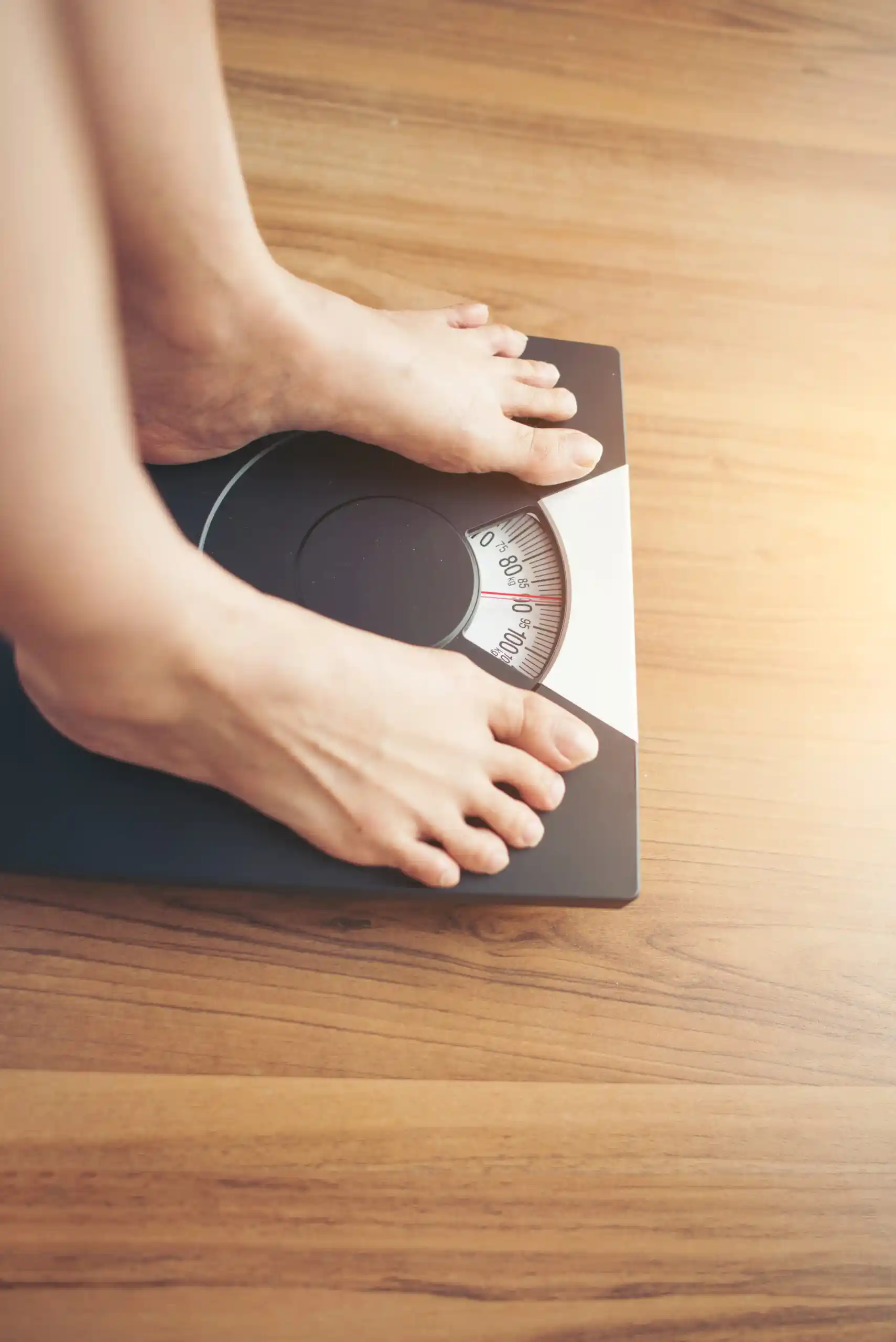
    So, what’s the deal with weight loss and fat loss? Weight loss is like when you check your weight on the scale, and the number goes down. But here’s the thing: that drop can be because of losing water or even some muscles. But here’s the kicker – fat loss is the big version.Instead of just dropping numbers, it’s all about kicking out the extra fat while letting those strong muscles stay right where they are. 

    Eat Right for Fat Loss

    Alright, let’s look into the tasty world of food because, seriously, who doesn’t love talking about it? Now, when it comes to losing fat, here’s the trick: focus on eating up the good stuff. Fill your plate with yummy fruits, colorful veggies, lean proteins (that’s like chicken, fish, or beans), and whole grains (like brown rice or oats). It’s like giving your body a full meal that helps it kick fat to the curb.

    Crash diets? Nah, we’re not fans. Sure, they might make the scale drop super fast, but not the healthy kind. Instead, let’s keep it simple – eat well and eat right. Choose foods that make your body happy, and you’ll see that extra fat saying its goodbyes. So, skip the crash diets, load up on the good eats, and watch that fat melt away. 

    Move Right for Fat Loss

    Time to get moving! Exercise is your secret weapon. Mix it up with cardio (like dancing or jogging) and strength training (lifting some weights). This combo not only burns fat but also keeps your muscles happy. Plus, exercising feels good – bonus!

    Why Weight Loss Isn’t Always Great

    Hold up! Just losing weight on the scale doesn’t mean it’s all rainbows and sunshine. Quick weight loss might mean saying goodbye to water weight or even muscle mass. Not cool. We’re after fat loss – a slow and steady journey that leaves you feeling strong and energized.

    Understanding Your Body with Composition Analysis

    Ever heard of a composition analysis? It’s like your body’s report card. This tool tells you the percentage of fat, muscle, and water in your body. Forget just staring at the scale; this gives you the inside scoop on what’s happening. Smart, huh?

    Looking Good, Feeling Good, and Staying Healthy

    Feeling good is the goal! When you focus on fat loss, you’re not just looking good on the outside – you’re feeling amazing on the inside too. It’s like a double win! Your health improves, the risk of getting sick goes down, and you’ve got energy to spare.

    Striking the Right Balance for a Healthier You

    So, here’s the grand finale – it’s all about balance. Eat well, move around, and keep a positive vibe. Forget stressing over the scale number. Celebrate the little victories – every step and every healthy choice counts. That’s how you become a healthier, happier you!

    To conclude, it’s not just about losing weight; it’s about gaining a life that’s healthier, more vibrant, and totally worth celebrating. At Nitro Gym in DSO & Al Barsha, we’re all about making your wellness adventure both exciting and achievable. we’re ready to support you every step of the way. Ready to feel good and get healthy? Let’s do this!

  • Mastering the Basics: Essential Exercises for a Well-Rounded Gym Routine

    Mastering the Basics: Essential Exercises for a Well-Rounded Gym Routine

    Starting your fitness journey is like beginning a new adventure. The gym becomes your playground, and certain exercises are your go-to playmates, making sure you build a strong foundation. These exercises are like your best friends – always there for you, helping you grow stronger and healthier. Let’s look into these exercises that make up a well-rounded routine.

    Squats

    Think of squats like sitting down and standing up. They’re fantastic for your legs and core. Imagine sitting into an imaginary chair, making sure your knees don’t go too far forward. Push through your heels to stand back up. Squats build strength in your thighs, hamstrings, and bum. They are your go-to move for strong legs.

    Squatting Tip: As you squat, it’s like sitting back into a comfy chair. Make sure your knees don’t go past your toes.

    Deadlifts

    Deadlifts sound serious, but they’re just picking up something heavy from the floor. Stand with your feet about hip-width apart, bend at your hips and knees, and pick up the weight in front of you. Deadlifts work your backside muscles and help you stay stable. It’s like saying hello to the floor and then standing up with a strong, straight back.

    Deadlift Tip: Keep your back straight as you lift, it’s like a strong hinge.

    Bench Press

    Picture bench press as your superstar moves for upper body strength. Lie on your back on a bench, grab a barbell or dumbbells, and push them up and down. This focuses on your chest and arms, like pushing something heavy away from you. Bench presses make your upper body strong and defined.

    Bench Press Tip: It’s like pushing something heavy away from your chest. Keep your movements controlled.

    Overhead Press

    The overhead press might sound fancy, but it’s just lifting something heavy over your head. Stand or sit, grab a barbell or dumbbells, and push the weight up. This exercise targets your shoulder muscles and improves overall upper body strength. It’s like reaching for the stars, but with weights in your hands.

    Overhead Press Tip: Push the weight directly overhead, like reaching for the sky.

    Pull-Ups/Chin-Ups

    Mastering pull-ups or chin-ups is like unlocking a cool upper body power. Grab a bar with your palms facing away (pull-up) or towards you (chin-up). Pull yourself up until your chin reaches the bar and lower down. This works your back and arm muscles. Think of it as lifting your body towards victory.

    Pull-Ups Tip: Imagine pulling yourself up to see over a fence.

    Rows

    Rowing exercises are magic for your upper back. Whether using a barbell or dumbbells, you pull the weight towards your chest. This makes you stand tall and contributes to a strong and sculpted back. It’s like rowing a boat, but you’re the boat.

    Rows Tip: Pretend you’re rowing a boat, bringing the oars towards your chest.

    Lunges

    Lunges are superheroes for each of your legs. Step forward or backward, lowering your hips until both knees are bent at a 90-degree angle. Lunges improve balance and work your leg muscles. It’s like taking a step forward, exploring new terrain. Think of each lunge as a stride towards stronger legs.

    Lunges Tip: Take a big step forward or backward, like exploring new ground.

    Planks

    Planks are your core’s best friend. Holding a push-up position makes your core super strong. It’s like building a fortress of strength in the middle of your body. Imagine you’re a plank of wood, straight and sturdy.

    Planks Tip: Keep your body in a straight line, like a plank of wood.

    Dips

    Dips are your go-to move for strong arms and chest. Whether on bars or a sturdy bench, you lower and lift your body. It adds spice to your upper body routine. Picture yourself dipping into and rising from a giant bowl of strength.

    Dips Tip: Lower your body down and push it back up, like dipping into a bowl.

    Cardiovascular Training

    Cardio exercises are like a dance for your heart. Running, cycling, or rowing get your heart pumping and improve overall heart health. It’s like making your heart happy with a little dance.

    Cardio Tip: Choose an activity you enjoy, like dancing for your heart.

    Stability Ball Exercises

    Stability ball exercises add some fun to your routine. Think of stability ball squats, planks, and bridges as exciting challenges, bringing balance to your routine. It’s like adding a playful twist

    Summing up, these basic exercises are like your fitness friends—they help you become stronger and healthier. Each exercise is like a small achievement, taking you closer to feeling better. From lifting weights to doing cardio, Nitro Gym is where you turn these exercises into fun. It’s not just a gym; it’s your fitness spot. So, join Nitro Gym in Al Barsha or DSO, enjoy these simple exercises, and get ready for a happier, healthier you!

  • Meal Prep Magic: Simplifying Nutrition with Batch Cooking

    Meal Prep Magic: Simplifying Nutrition with Batch Cooking

    In the hustle and bustle of daily life, finding time for nutritious meals can be a challenge. Enter batch cooking, a game-changer in simplifying nutrition and saving time. In this guide, we’ll uncover the art of batch cooking and how it can transform your relationship with food.

    The Art of Batch Cooking

    Batch cooking is more than a culinary trend; it’s a strategy to make healthy eating more accessible. By preparing larger quantities of food at once, you set yourself up for stress-free meals throughout the week. It’s a culinary hack that turns your kitchen into a powerhouse of efficiency.

    Efficiency in the Kitchen

    Save time and energy by cooking in batches. Once-a-week cooking sessions not only streamline your schedule but also minimize the daily kitchen chaos. Efficiency in the kitchen means more time for activities you love and less time worrying about what to eat.

    Building a Balanced Menu

    Batch cooking allows you to plan and create a balanced menu. Include a mix of lean proteins, whole grains, and colorful vegetables. Experiment with different cuisines to keep your taste buds excited and your body nourished.

    Customizing for Dietary Needs

    One size doesn’t fit all when it comes to nutrition. Batch cooking empowers you to customize meals according to your dietary needs. Whether you’re vegetarian, gluten-free, or aiming for a specific macronutrient balance, batch cooking lets you take control of what goes into your meals.

    Economical and Sustainable

    Beyond the kitchen, batch cooking is a friend to your wallet and the environment. Buying ingredients in bulk often comes with cost savings, and preparing meals at home reduces packaging waste associated with takeout. It’s a win-win for your budget and the planet.

    Meal Prep Tools and Essentials

    Investing in the right tools can make cooking a breeze. Stock up on quality containers, label them with the date, and ensure you have a variety of sizes to accommodate different dishes. Additionally, a slow cooker or instant pot can be your secret weapons for flavorful, hands-off cooking.

    Freezing for Future Feasts

    Batch cooking isn’t just about the present; it’s an investment in future convenience. Embrace the magic of freezing portions for later. This way, you’ll always have a homemade, nutritious option available when time is short.

    Weekly Meal Planning Made Easy:

    Batch cooking pairs seamlessly with weekly meal planning. Take a little time each week to map out your meals, incorporating your pre-prepared dishes. This proactive approach not only helps you stay on track with your nutrition goals but also reduces the last-minute meal stress.

    Culinary Variety

    Boredom has no place in batch cooking. Experiment with a variety of spices, herbs, and sauces to add excitement to your meals. Switch up your protein sources and try different grains to keep your palate engaged. Batch cooking opens the door to a world of culinary exploration.

    Mindful Eating Habits

    Eating isn’t just about consuming calories; it’s an opportunity to practice mindfulness. Batch cooking encourages intentional eating by providing you with thoughtfully prepared meals. Take a moment to savor the flavors, appreciate the effort you’ve put into your food, and enjoy the nourishment it provides.

    In the process of meal prep, batch cooking emerges as your super friend, simplifying nutrition and bringing practicality to your plate. From efficiency in the kitchen to customizable menus, this approach transforms the way we view and interact with our food. 

    And for those looking to start their fitness journey in Al Barsha and DSO (Dubai Silicon Oasis), consider checking out Nitro Gym. Their dedicated trainers not only guide you through effective workouts but also go the extra mile by providing personalized diet plans. Incorporating these batch cooking practices alongside your workouts at Nitro Gym can be a winning combination, ensuring the best approach to your health. Love the art of batch cooking, and discover a newfound joy in nourishing both your body and soul.

  • Sweat Away Procrastination: Easy Ways to Get Stuff Done

    Sweat Away Procrastination: Easy Ways to Get Stuff Done

    Ever felt like you’re stuck in a never-ending loop of putting things off? Don’t worry; you’re not alone. We’re looking into some super simple ways to kick procrastination to the curb. And guess what? We’re getting a little inspiration from the gym to make it even easier!

    Understanding the Procrastination Game

    So, why do we procrastinate? Sometimes it’s because tasks seem too big or we’re just not in the mood. But here’s the thing – we can beat this game by taking small steps, just like we do at the gym.

    Start Small – Like a Warm-Up

    Ever notice how you warm up at the gym before the real workout? Same idea here. Start your day with tiny tasks. It could be making your bed or answering a quick email. These small wins get you in the groove.

    Quick Bursts of Focus – Procrastination’s Kryptonite

    You know those short, intense workouts at the gym? Apply that to your tasks. Set a timer for a short burst of super-focused work, like 20 minutes. Then take a mini break. It keeps things interesting and helps beat procrastination.

    Think of Tasks Like Gym Reps

    In the gym, you do a bunch of reps to strengthen your muscles. Apply this to your to-do list. Instead of overwhelming yourself, focus on doing a few tasks really well. Quality over quantity!

    Picture Success – It’s Like a Workout for Your Brain

    Close your eyes and imagine how awesome it feels when you finish a task. It’s like picturing yourself rocking a workout. Visualization is a powerful motivator.

    Set Realistic Goals – No Procrastination Olympics

    At the gym, you don’t start with the heaviest weights. Apply this to your tasks. Set goals you can actually reach. It’s not about being perfect; it’s about making progress.

    Take Active Breaks – Move Like a Quick Gym Session

    When you’re at the gym, you take breaks between exercises. Do the same with your tasks. Take short breaks to stretch, walk around, or do a quick dance. It keeps your energy up.

    Share Your Goals – Like a Gym Buddy for Your Tasks

    Tell someone about what you want to get done. It’s like having a gym buddy, but for your tasks. They can cheer you on and keep you accountable.

    Celebrate Progress – Gym Style

    Remember how you cheer at the gym when you hit a goal? Do the same for your tasks. Celebrate the small wins. It makes getting stuff done way more fun.

    Cool Down and Reflect – Gym and Task Edition

    Just like you cool down after a workout, take a moment to chill after a productive day. Reflect on what you accomplished, and give yourself credit. It’s a cool-down for your brain!

    Let’s Beat Procrastination – Gym Style!

    So, here you go – simple ways to kick procrastination to the curb, powered by the inspiration from personal trainers at Nitro Gym in Al Barsha and DSO. It’s like giving your to-do list a workout. Break tasks into small steps, focus in short bursts, and celebrate your victories. No need for a procrastination Olympics – just progress. Channel your inner gym vibes, and let’s get stuff done together. Here’s to a procrastination-free and super productive you!

  • Exercise and Stress Relief: How Nitro Gym in DSO and Al Barsha Helps You Find peace of mind in Sweating

    Exercise and Stress Relief: How Nitro Gym in DSO and Al Barsha Helps You Find peace of mind in Sweating

    In the hustle and bustle of everyday life, stress is like an unwelcome guest that overstays its welcome. But what if we told you that there’s a place where you can kick stress to the curb and find your inner peace? Welcome to Nitro Gym in DSO and Al Barsha – your ticket to sweating away stress and embracing a healthier, happier you.

    Exercise and Stress Relief: A perfect  Duo

    Let’s start by looking at the magic of why exercise is like a superhero for stress relief. When you move your body, something amazing happens. It releases these cool chemicals called endorphins that are like little mood boosters. Say bye bye to stress hormones and welcome a calmer, more centered you. Now, imagine having access to this stress-busting magic right in your neighborhood at Nitro Gym.

    Nitro Gym: Your Stress-Free Zone

    So, what’s the deal with Nitro Gym? Well, it’s not just a gym; it’s like a stress-free zone where you can wave goodbye to worries. Here’s what makes Nitro Gym special:

    • A Supportive Community: Picture this – working out surrounded by friendly faces cheering you on. Nitro Gym isn’t just about lifting weights; it’s a community where everyone is on a mission to feel good and support each other.
    • Varied Workout Options: Boredom, meet your match! Nitro Gym has all sorts of workouts to choose from. Whether you’re into heart-pounding cardio, weight training, TRX, MMA, or Group exercise, Nitro Gym has got your back.
    • Expert Guidance: Ever felt lost at the gym? Not at Nitro Gym! The trainers aren’t just there to count your reps; they’re your guides to a stress-free life. They’ll not only help you sweat but also teach you cool tricks to manage stress.
    • Open 24 hours: Life can be a bit crazy, right? Nitro Gym gets it. That’s why they have flexible hours – early birds and night owls, rejoice! You can fit in your stress-busting sessions whenever it suits you. Exclusively at Nitro Gym in DSO. 
    • Indoor and Outdoor Spaces: Sometimes you want the energy of the gym, and other times you crave the fresh air. Nitro Gym gives you both – indoor workouts for when you want to get in the zone and outdoor spaces for when you want to feel the breeze.

    Body and Mind Connection: More Than Just a Workout

    Now, let’s talk about how Nitro Gym isn’t just about the body; it’s a game-changer for your mind too. Each workout is like a mini escape – a chance to clear your head and focus on the present. It’s not just about sweating; it’s about finding your zen in the midst of dumbbells and treadmills.

    Your Stress-Free Future Starts Here

    As we wrap up this journey into the stress-busting wonderland of Nitro Gym in Al Barsha and DSO, remember this: The stress relief you’ve been searching for is just a workout away. So, here’s to finding your zen, kicking stress to the curb, and embracing the magic of Nitro Gym – because a healthier, happier you is just a few workouts away!

Call Now Button