Category: General

  • Are Home Workouts Still Effective Compared to the Gym?

    Are Home Workouts Still Effective Compared to the Gym?

    Are Home Workouts Still Effective Compared to the Gym?

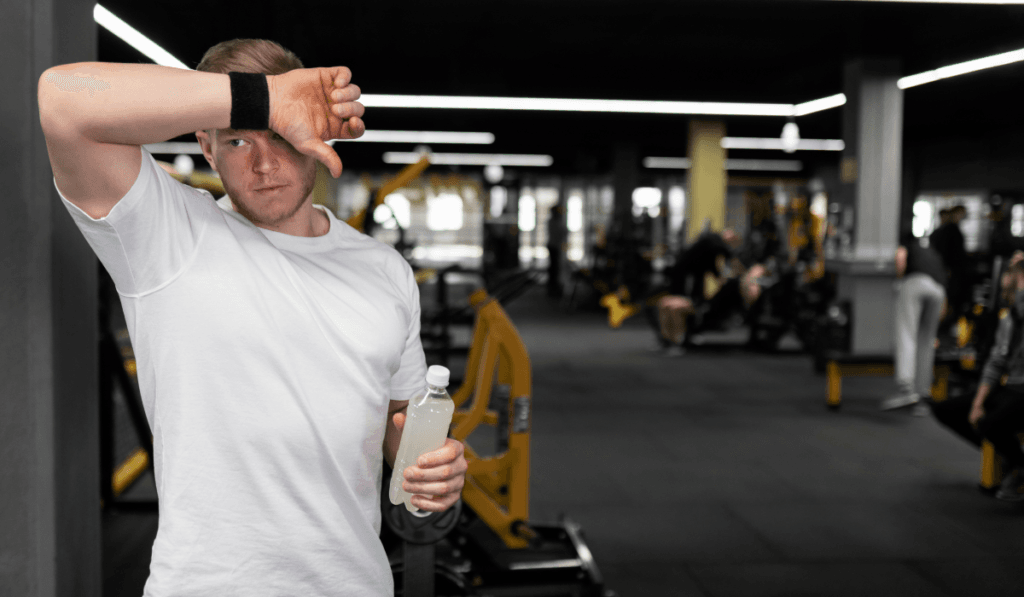
    Home workout vs gym results is something many people wonder about. In the beginning, home workouts feel convenient and easy to manage, but over time, results can feel slower or inconsistent. This often leads to confusion about whether the setup is limiting progress or if something else needs to change. In this guide, let’s understand how both approaches work and what actually influences your results.

    home workout vs gym results

    Home Workouts: Benefits and Limitations

    Home workouts are often the first step for many people because they are accessible and easy to start. They remove common barriers like travel time, crowded spaces, and fixed schedules, making it easier to stay consistent, especially in the early stages.

    It may have benefits:

    • Flexibility and convenience: You can train anytime without depending on external factors, which helps maintain a routine.
    • Lower barrier to entry: No equipment or minimal setup is required, making it easier for beginners to get started.
    • Effective for basic fitness goals: For those focusing on general activity or home vs gym weight loss, home workouts can deliver results when done consistently.

    But it can also have limitations:

    • Limited progression over time:  Without access to varied resistance, it becomes difficult to challenge the body as it adapts, which slows improvement.
    • Repetitive routines reduce effectiveness: Performing similar exercises repeatedly reduces the stimulus required for progress, which starts affecting home workout vs gym results over time.
    • Drop in intensity and discipline: Without a structured environment, it’s easy to reduce effort or skip sessions, which impacts consistency in the long run.

    These limitations are often where home workout vs gym results begin to feel different.

    Training in a Gym

    Training in a gym introduces a different level of structure and progression. It creates an environment where workouts are more focused, measurable, and aligned with long-term goals.

    • Access to equipment for progression: A gym allows you to gradually increase resistance, which is essential for strength and muscle development. This is one of the key gym vs home training benefits.
    • Better focus and training intensity: Being in a dedicated workout space reduces distractions and naturally improves effort during sessions.
    • More variety in workouts: Different machines and training options help avoid plateaus and keep workouts effective over time.
    • Structured environment supports consistency: Regular training in a gym in Silicon Oasis will provide you the right structured environment and help build a routine that is easier to maintain in the long term.

    As training becomes more structured, the gap in home workout vs gym results becomes more noticeable.

    What Should You Choose?

    The choice between home and gym depends on your current goal and stage of fitness.

    • If your focus is staying active or working towards home vs gym weight loss, home workouts can be sufficient, especially when consistency is strong. They provide a good starting point and help build a habit of regular training.
    • However, if your goal is to improve strength, build muscle, or achieve more defined results, gym training offers a clear advantage. The ability to increase intensity, track progress, and follow structured routines makes a noticeable difference in home workout vs gym results.

    Instead of choosing between home workout vs gym results permanently, many people benefit from starting at home and transitioning to a gym as their goals evolve. 

    FAQs

    Home workouts can deliver results initially, but gyms offer better progression for long-term improvement.

    No, weight loss depends on consistency and calorie balance, but gyms can support better training intensity.

    When you notice a plateau or need more structure and progression in your routine.

    Summing Up

    Both home workouts and gym training can be effective, but their impact depends on how well they support your goals. While home workouts are convenient and accessible, gyms provide the structure and progression needed for long-term results. Training at a well-equipped facility like Nitro Gym, often considered among the best gyms in Silicon Oasis, can help you stay consistent and continue progressing in a more structured and sustainable way.

  • What Happens If You Stop Working Out Suddenly?

    What Happens If You Stop Working Out Suddenly?

    What Happens If You Stop Working Out Suddenly?

    The effects of stopping gym are often underestimated, especially when the break feels temporary. Whether it’s due to travel, work pressure, or loss of routine, most people assume they can pause and resume without much impact. In reality, the body adapts to inactivity faster than expected. The shift isn’t immediate, but it can adapt quickly over time and may start affecting strength, energy, and overall conditioning. Let’s decode the repercussions of what may happen if you stop working out suddenly. 

    What Happens If You Stop Working Out effects of stopping gym

    What Changes First?

    The initial changes are subtle and often go unnoticed. You may not see a difference in the mirror, but internally, the body begins to adjust to reduced demand.

    Muscle activation decreases when it is no longer being challenged regularly. Movements that once felt controlled and strong begin to feel slightly off. At the same time, your daily structure changes. Workouts are not just physical. They anchor routine. Once that anchor is removed, consistency across other habits often starts slipping as well. Effects of stopping gym generally begin to show at this stage.

    This is usually the first layer of the effects of stopping gym.

    Strength and Muscle Response Over Time

    As the break continues, strength begins to decline because it is no longer being used at the same intensity.

    Your nervous system, which plays a key role in strength, reduces its efficiency when movements are not repeated. This leads to a noticeable drop in performance. Alongside this, muscle loss after stopping workouts begins gradually. Without stimulus, the body no longer prioritises maintaining muscle mass, and recovery processes slow down.

    This phase is where the effects of stopping gym become more visible in how the body feels during basic physical activity. This is why maintaining consistency is key. Training regularly in the best gyms in Al Barsha can help you avoid such setbacks. 

    Changes in Body Composition

    One of the more noticeable shifts happens when activity levels drop but eating patterns remain the same.

    When you stop training, your overall energy expenditure decreases. If calorie intake is not adjusted accordingly, the body begins storing excess energy. This is where weight gain after quitting the gym often starts to show.

    At the same time, reduced muscle activity affects metabolism. The combination of lower muscle engagement and unchanged nutrition creates a gradual shift in body composition. These changes don’t happen overnight, but they build steadily as part of the effects of stopping gym.

    Impact on Energy and Mental State

    The impact of stopping workouts is not limited to physical changes.

    Regular training supports energy levels, focus, and mood regulation. Once that routine is disrupted, many people begin to feel a dip in overall energy and motivation. Tasks that once felt manageable may start to feel more demanding.

    This is not just about fitness. It’s about how the body responds to consistency. Removing that consistency affects both physical output and mental clarity, making the effects of stopping gym more noticeable in daily life.

    Returning to Training the Right Way

    The key here is that these changes are not permanent. You can reverse them and get back on track with your efforts. 

    However, many people try to compensate for lost time by pushing too hard in the beginning. This is what the problem is, which often leads to fatigue or injury, making it harder to stay consistent. A more effective approach is to rebuild gradually, focusing on movement quality, controlled progression, and restoring routine.

    The body retains what is often referred to as “muscle memory,” which allows it to adapt faster when training resumes. However, this only works when the return is structured and consistent.

    FAQs

    Changes begin internally within a few days, but visible differences in strength and endurance usually appear after a couple of weeks.

    No, muscles don’t disappear instantly. It begins gradually when there is no consistent stimulus.

    It can be, especially if calorie intake remains the same.

    Summing Up

    Breaks from training are sometimes unavoidable, but leaving them unstructured often leads to gradual setbacks. To get back on track, it’s better to stay aware of how your body is responding and return before small shifts turn into bigger adjustments. Getting back into a consistent routine with the right guidance, such as training at Nitro Gym in Al Barsha, can help you regain momentum in a controlled and sustainable way.

  • How Much Protein Do You Actually Need Daily?

    How Much Protein Do You Actually Need Daily?

    How Much Protein Do You Actually Need Daily?

    Daily protein intake is often one of the most discussed topics in fitness and nutrition. From gym conversations to online diet plans, protein is frequently linked with muscle recovery, strength, and overall health. However, many people either underestimate or overconsume it without fully understanding their actual needs. Let’s decode that and find out how much protein per day your body may be required to support your long-term fitness goals.

    Daily Protein Intake How Much Protein Do You Actually Need

    Factors that Affect Your Daily Protein Intake

    The following lifestyle and physical factors can impact your protein intake. 

    • Activity level: Regular exercise or strength training increases the body’s need for protein to support recovery.
    • Age: As people grow older, maintaining muscle strength becomes more important, which can slightly increase protein requirements.
    • Fitness goals: Someone focusing on protein for muscle growth may need more protein compared to someone maintaining general health.
    • Overall diet: Balanced meals that include natural protein sources make it easier to maintain a steady daily protein intake.
    • Body weight and muscle mass: Individuals with higher lean muscle mass may require more protein to maintain and repair muscle tissue. If you train at Nitro Gym in Barsha, our experts can guide you in understanding your body composition and help you plan your protein intake accordingly.

    How Much Protein Do You Need Daily?

    Well, protein needs are not the same for everyone. As mentioned, they usually depend on multiple factors such as body weight, activity level, and fitness goals. So instead of following a single number, many nutrition experts recommend estimating protein intake based on body weight.

    For general health, adults may benefit from around 0.8 grams of protein per kilogram of body weight per day. For example, someone weighing 60 kg may require roughly 48 grams of protein daily.

    However, if you exercise regularly, protein needs may increase. Active individuals often benefit from around 1.0-1.2 grams per kilogram of body weight, while people involved in strength training or working on protein for muscle growth may require around 1.2-1.6 grams per kilogram.

    For example:

    • Sedentary adults: around 0.8 g per kg of body weight
    • Moderately active individuals: around 1.0-1.2 g per kg
    • Strength training or muscle gain: around 1.2-1.6 g per kg

    Best Sources of Protein

    Many everyday foods provide high-quality protein that supports a balanced diet.

    • For non-vegetarian diets, common protein sources include eggs, chicken, fish, and dairy products such as milk or yogurt. These foods provide complete proteins that contain essential amino acids needed for muscle repair.
    • Vegetarian diets can also provide adequate protein when meals are planned thoughtfully. Lentils, chickpeas, beans, tofu, cottage cheese, nuts, and seeds are excellent plant-based options.

    Don’t Make These Common Protein Mistakes

    While protein is important, the way it is consumed also matters. Small mistakes can sometimes affect how effectively the body uses protein.

    Relying too heavily on protein supplements

    Protein shakes can be convenient, but they shouldn’t replace whole foods entirely. Natural protein sources provide additional nutrients that support overall health.

    Consuming most of your protein in one meal

    Some people try to meet their daily protein intake in a single meal. However, spreading protein across multiple meals can help the body utilise it more efficiently.

    Skipping protein during breakfast

    Adding a protein source early in the day can help maintain steady energy levels.

    Ignoring overall nutrition balance

    Protein should be part of a balanced diet that includes carbohydrates, healthy fats, and fibre.

    Increasing protein intake too quickly

    Suddenly increasing daily protein intake without adjusting the rest of your diet may cause discomfort.

    FAQs

    Beginners starting a fitness routine often benefit from gradually adjusting their daily protein intake based on body weight and activity level.

    While protein for muscle growth is widely discussed, protein also supports recovery, metabolism, and overall body function.

    No, you should avoid consuming too much protein as it could impact your overall health. 

    Summing Up

    Protein isn’t a fad concept. You just need to understand your goals and align your nutrition accordingly. Combine your training at Nitro Gym in Barsha with the right protein habits for better results. You can also consult your fitness coaches there for personalized guidance and a clearer understanding of what works best for your body.

  • What Should Beginners Do in Their First 30 Days at the Gym

    What Should Beginners Do in Their First 30 Days at the Gym

    What Should Beginners Do in Their First 30 Days at the Gym

    Many people walk into the gym without a beginner workout plan, which can make the first few weeks confusing and unstructured. With so many machines, workouts, and routines available, it’s easy to feel unsure about where to start. In this guide, we’ll walk you through the first 30 days at the gym and the ideal workout plan for beginners.

    Beginner Workout Plan

    Why the First 30 Days at the Gym Matter

    The first month at the gym is where most habits are formed. Many beginners either push themselves too hard or feel overwhelmed and lose motivation. During this phase, a structured beginner workout plan helps your body adapt to exercise gradually while helping you understand proper form and equipment use. This phase is also when you develop discipline and consistency. 

    What Beginners Should Focus on in the First Month

    The first 30 days should focus on learning exercises, building consistency, and slowly increasing workout intensity.

    Week 1: Getting Comfortable in the Gym

    The first week should be about understanding the gym environment. Learn how basic machines work and start with light exercises such as treadmill walking, cycling, or simple bodyweight movements.

    Workouts should be short, around 30-40 minutes. The goal should not be heavy training but getting comfortable with movement and routine. 

    Week 2: Building a Simple Workout Routine

    Once you feel more comfortable in the gym, the second week is the time to introduce a basic workout routine. You can start including light strength training for major muscle groups along with short cardio sessions.

    Exercises such as squats, push-ups, light dumbbell presses, and basic core workouts work well for beginners. Many people refer to a gym beginner guide at this stage to understand how to balance strength training and cardio. 

    Week 3: Increasing Workout Intensity

    By the third week, your body starts adapting to regular exercise. This is the right time to increase intensity slightly by adding moderate weights or extending workout duration.

    You may also begin introducing simple workout splits such as upper-body and lower-body sessions. However, it is important to progress gradually to avoid injuries. A well-structured beginner workout plan ensures steady improvement without overtraining.

    Week 4: Creating a Consistent Gym Habit

    The final week focuses on building consistency. By now, the gym environment will feel more familiar, and workouts will become part of your routine.

    Continue following your beginner workout plan while focusing on correct form and recovery. This stage is also a good time to start setting fitness goals, such as improving strength, endurance, or overall fitness.

    Essential Tips for Gym Beginners

    To make your first month successful, keep these tips in mind:

    • Start slow instead of jumping into intense workouts
    • Focus on learning proper exercise form
    • Begin every workout with a proper warm-up to prepare your muscles
    • Stay consistent with your beginner workout plan
    • Give your body enough recovery time

    How the Right Gym Environment Supports Your Fitness Journey?

    Your gym environment can greatly influence your motivation and progress. If you’re looking for the best gym in Silicon Oasis, Nitro Gym offers a supportive environment with experienced trainers and modern equipment, helping beginners start their journey with confidence. Experts can also guide you with a structured gym beginner guide and help you follow the right beginner workout plan while avoiding common beginner mistakes.

    FAQs

    Most beginners start with three to four days a week initially.

    A balanced beginner workout plan usually includes both cardio and strength training.

    Beginner workouts typically last 30 to 45 minutes to help the body adapt gradually.

    Summing Up

    Make your first 30 days at the gym about building a routine rather than chasing quick results. Following a structured beginner workout plan, focusing on proper technique, and staying consistent can help beginners develop long-term fitness habits. With guidance from experts at Nitro Gym and a reliable gym beginner guide, beginners can start their fitness journey with confidence.

  • Simple Steps to Feel Comfortable at the Gym

    Simple Steps to Feel Comfortable at the Gym

    Overcoming Training Anxiety: Simple Steps to Feel Comfortable at the Gym

    Starting a fitness journey is exciting, but for many, stepping into the gym for the first time brings a powerful sense of anxiety. Often called “gym-timidation,” this fear of judgment or uncertainty about using equipment is a major roadblock to consistency. The good news is that these feelings are normal and entirely manageable. Simple, practical steps can help you quickly learn to Feel Comfortable at the Gym.

    simple steps to help you overcome training anxiety and Feel Comfortable at the Gym

    The Power of Planning Your First Visits

    The unknown is the biggest source of anxiety. You can significantly reduce stress by preparing before you even step through the door. Plan your first few sessions meticulously. Instead of wandering aimlessly, have a simple, focused plan. This might mean only using the treadmills and stretch mats, or practicing a few simple machine circuits. A written plan keeps you focused on your own goals and not on what others are doing.

    The Essential Role of Education

    A lot of anxiety comes from not knowing how to use the equipment correctly. You don’t need to be an expert, but basic knowledge is empowering. Before your first visit, spend 15 minutes watching videos on how to use the equipment you plan to include in your routine (like the treadmill, leg press, or dumbbell bench). When you know what the machine does and how to adjust it, you instantly Feel Comfortable at the Gym.

    Nitro Gym: Your Supportive First Step

    Choosing the right environment makes all the difference when fighting gym anxiety. At Nitro Gym, your dedicated gym in dubai silicon oasis, we focus on fostering a serious yet non-intimidating atmosphere built for results.

    Our features are designed to help you Feel Comfortable at the Gym:

    • Introductory Tours: We offer detailed walkthroughs to familiarize you with the layout, equipment, and rules, removing the guesswork.
    • Non-Judgmental Community: Our members are focused on their own goals, ensuring a vibe that prioritizes effort and respect over scrutiny.
    • Trainer Availability: Our team is always on the floor, ready to quickly answer questions about how to adjust a machine or check your form.
    Strategies for Reducing In-Gym Stress

    While you are training, simple strategies can help you manage your focus and reduce outside distractions.

    • Wear Headphones: Putting on your favorite music or podcast creates a personal “bubble,” helping you focus on your movement and ignore the surrounding activity.
    • Choose Off-Peak Hours: Visit the gym during less crowded times, such as mid-afternoon or very late at night (check your gym’s 24/7 hours). Fewer people mean less pressure and more space to learn.
    • Claim Your Space: When using equipment, place your towel or water bottle nearby to clearly mark that the area is in use. This small action reduces the fear of interruption.
    Questions About Gym Confidence

    A: Absolutely. Staff members and trainers are there to ensure your safety and success. Asking for a quick demonstration on how to adjust a machine is a smart, professional move and is a regular part of their job.

    A: It happens to everyone! Take a quick break, check the notes on your phone, and move on. No one is watching or judging. If you are really stuck, return to a machine you are already familiar with for a few minutes to regain focus.

    A: Highly unlikely. Most dedicated gym members are focused solely on their own training. People respect others who are simply putting in the effort. The focus should be on celebrating the fact that you showed up, which is the hardest part.

    Making Consistency Your Priority

    Overcoming training anxiety is a process, not a single event. By planning, educating yourself, and utilizing the supportive atmosphere of your gym, you will find that the initial fear quickly fades. Focus on building consistency, and soon, showing up to the gym will be just as routine as driving to work.

  • Why Our Trainers Are the Best Choice

    Why Our Trainers Are the Best Choice

    Why Our Trainers Are the Best Choice for Personalized Results in Dubai

    In a fast-paced city like Dubai, your time is valuable. Investing in fitness should guarantee results, not just effort. Achieving real, lasting change requires more than random workouts; it requires specialized guidance. At Nitro Gym, our Personalized Trainers offer the expert methodology and proven commitment necessary to turn your fitness goals into guaranteed reality.

    Our Trainers Are the Best Choice for Personalized Results in Dubai

    The Foundation: Unmatched Qualifications and Experience

    A great trainer is defined by their knowledge and background. Our Personalized Trainers hold accredited international certifications and specialize in various disciplines, including corrective exercise, advanced nutrition, and progressive strength conditioning. This high standard of qualification ensures that the advice you receive is based on proven sports science, not just current trends, providing a safe and effective pathway to your goals.

    The Methodology: Beyond One-Size-Fits-All Training

    Our methodology is rooted in true personalization. We begin with a comprehensive assessment that evaluates your movement patterns, past injury history, lifestyle, and specific body composition goals. We then design a program using periodization, which cycles your training intensity to prevent plateaus and maximize adaptation. This strategic approach ensures every session is purposeful and continually pushes you toward your desired outcome without risking burnout.

    Nitro Gym: Where Personalized Trainers Thrive

    The environment at Nitro Gym, including our dubai silicon oasis gym branch, is designed to support the highest level of personal training. Our facility is not built for mass appeal; it is built for serious, focused work.

    • Dedicated Equipment: We provide premium, specialized machines and free weights that allow our trainers to precisely target muscle groups for maximum results.
    • Results-Driven Atmosphere: The non-intimidating, focused vibe ensures both the trainer and client remain concentrated entirely on the session and the program execution.
    • Continuous Education: We invest in our trainers’ ongoing professional development, ensuring they remain updated on the latest effective training and nutritional science.
    Accountability and Long-Term Results

    The best value a Personalized Trainers offers is accountability. They not only show you what to do but ensure you actually do it consistently and correctly. They track your progress, celebrate your milestones, and, most importantly, provide the support needed to navigate challenges like fatigue or low motivation. This partnership turns short-term goals into reliable, long-term results that last well beyond your training contract.

    Common Questions on Personal Training Value

    A: No. While trainers are vital for beginners to learn form and safety, they are essential for advanced athletes to break through plateaus, refine technique for peak performance, and manage complex periodized training cycles.

    A: Measurable results (strength gains, better fitting clothes, increased energy) can typically be noticed within 4 to 6 weeks of consistent training under an expert’s guidance, provided nutrition is also addressed.

    Your Investment in Guaranteed Fitness

    Choosing a Personalized Trainers at Nitro Gym is an investment in guaranteed success, supported by scientific methodology and exceptional expertise. Our commitment is to provide the highest standard of coaching in Dubai, ensuring you achieve not just fitness, but a completely transformed lifestyle.

  • 5 Training Trends Expected in 2026

    5 Training Trends Expected in 2026

    The Future of Fitness: Top 5 Training Trends Expected in 2026

    The fitness industry never stands still. What worked last year might not be the smartest path for consistent progress next year. As we look towards 2026, the focus is shifting away from simply ‘working out hard’ toward ‘training smarter and recovering better.’ Understanding these emerging Training Trends is key to making your fitness journey more effective and sustainable.

    top 5 Training Trends expected in 2026

    Trend 1: AI and Personalized Coaching

    The days of generic workout plans are ending. The future of training is hyper-personalized, largely driven by Artificial Intelligence (AI) and data. Wearable technology (smartwatches, rings) now tracks more than just steps—it monitors sleep quality, heart rate variability, and daily stress levels. AI uses this real-time data to automatically adjust your workout intensity, telling you exactly when to push harder and when to prioritize recovery. This level of personalized guidance ensures every minute in the gym is optimized for your body’s true readiness.

    Trend 2: Recovery as a Core Training Component

    In the past, recovery meant passively taking a rest day. Now, advanced recovery is one of the most important Training Trends. People are realizing that muscle growth and fat loss happen outside the gym. This trend includes active, specialized methods:

    • Infrared saunas for deep tissue heat and circulation.
    • Compression therapy to reduce muscle soreness and swelling.
    • Guided mobility and breathwork sessions to lower stress.

    Recovery is no longer optional; it is a programmed part of the weekly training schedule designed to maximize the results of your hard work.

    Trend 3: Functional Training for Longevity

    Functional fitness has been a trend for years, but in 2026, the focus is refining it for longevity. This means training your body not just to look good, but to perform daily life activities effortlessly as you age. This type of training concentrates on movements that improve balance, coordination, core stability, and the ability to maintain strength and flexibility for decades. It’s about ensuring your body stays pain-free and fully capable far into the future.

    Nitro Gym: Leading the Way with 2026 Training Trends

    We believe in embracing the future to give our members the best possible outcomes. At Nitro Gym, your forward-thinking best gym in silicon oasis, we are integrating these major Training Trends right now.

    • Integrated Technology: Our facility supports all the latest wearable tech, providing the data necessary for hyper-personalization.
    • Specialized Recovery Zones: We offer dedicated areas or services, such as high-quality stretching zones and access to advanced tools, emphasizing the new recovery trend.
    • Expert Programming: Our trainers are educated on functional fitness and longevity principles, designing plans that build real-world strength and stability.
    Trend 4: The Holistic Wellness Integration

    The biggest shift is treating fitness as part of overall wellness, not just physical appearance. Training Trends in 2026 show a powerful convergence of mental and physical health. Workouts are being designed not just for muscle growth, but also for stress management and improved focus. This includes the rising popularity of mind-body practices like dynamic yoga, Pilates, and specific breathwork techniques integrated into high-intensity sessions to create a truly balanced routine.

    The biggest shift is treating fitness as part of overall wellness, not just physical appearance. Training Trends in 2026 show a powerful convergence of mental and physical health. Workouts are being designed not just for muscle growth, but also for stress management and improved focus. This includes the rising popularity of mind-body practices like dynamic yoga, Pilates, and specific breathwork techniques integrated into high-intensity sessions to create a truly balanced routine.

    Future-Proofing Your Fitness Journey

    A: While not strictly essential, wearable technology significantly enhances these trends. It provides the accurate, objective data (like heart rate variability and sleep scores) that AI and personalized coaching rely on to make smart decisions about your workout intensity and recovery needs.

    A: No, micro-workouts (5-15 minute high-intensity bursts) are meant to supplement your main session, not replace it. They are a trend for busy people to keep their metabolism active throughout the day, ensuring consistency even when a full gym visit is impossible.

    A: Functional training uses exercises that activate multiple muscle groups and stabilize your core. Building this foundational stability helps you lift heavier and safer during your main strength sessions, ultimately leading to greater muscle and strength gains.

    Training Smarter, Not Just Harder

    The Training Trends of 2026 promise a smarter, more balanced, and more sustainable approach to fitness. By moving away from one-size-fits-all training and embracing personalized data, dedicated recovery, and holistic well-being, you can ensure your hard work results in optimal health and performance for years to come.

  • Five Principles for Long-Term Gym Consistency

    Five Principles for Long-Term Gym Consistency

    From Motivation to Habit: Five Principles for Long-Term Gym Consistency

    The initial burst of motivation that brings you to the gym often fades. True, lasting fitness is not built on temporary energy; it’s built on reliable habits. Making fitness an ingrained part of your life requires shifting your mindset from inspiration to commitment. Here are five core principles to help you achieve genuine Long-Term Gym Consistency.

    Motivation to habit principles for long term gym consistency

    Principle 1: Start Small and Build Momentum

    The biggest mistake is attempting too much, too soon. Overly aggressive workout schedules quickly lead to burnout and injury. Instead, focus on establishing a manageable base. Start with just two or three short, focused sessions per week. Once those are automatic, gradually increase the duration or frequency. Small, successful wins create the positive feedback loop necessary for Long-Term Gym Consistency.

    Principle 2: Master the Art of Habit Stacking

    Habit stacking is the most effective psychological tool for embedding a new behavior. It involves attaching the new habit (the gym) to an established daily routine. Instead of relying on willpower, create a simple formula: “After I [existing habit], I will [new habit].” For example, “After I drink my morning coffee, I will pack my gym bag.” This subtle linkage makes the workout transition effortless.

    Principle 3: Define Your Non-Negotiable Minimum

    Life inevitably throws curveballs, making it easy to skip the gym entirely. To prevent this, define your Non-Negotiable Minimum. This is the absolute least amount of exercise you will do when you are busy, tired, or stressed. It might be just 15 minutes of cardio or a quick mobility session. The goal is simple: do not break the chain. Maintaining the minimum protects your streak and ensures Long-Term Gym Consistency.

    Principle 4: Leverage Community and Environment at Nitro Gym

    The environment you train in significantly impacts your adherence. A supportive, focused setting makes consistency far easier. We are working hard to create a supportive feeling at Nitro Gym, especially for people using our gym in Dubai Silicon Oasis.

    We support your consistency by providing:

    • A Results-Focused Vibe: Our facility is engineered for serious training, minimizing distractions and encouraging purpose.
    • Expert Accountability: Our trainers serve as partners in your journey, offering not just guidance but reliable check-ins.
    • 24/7 Access: Our round-the-clock availability removes the “no time” excuse, allowing you to seamlessly integrate your workouts into any schedule.
    Principle 5: Track Inputs, Not Just Outcomes

    Focusing solely on the scale or the mirror (the outcomes) can be demotivating when results lag. For Long-Term Gym Consistency, shift your focus to tracking the inputs: the behaviors you can control. Track your attendance (Did I go to the gym?), your sleep (Did I get 7+ hours?), and your recovery (Did I hit my protein goal?). Celebrating consistency in effort is a more reliable way to sustain motivation.

    Key Considerations for Sustained Training

    A: No. Missing one day is normal; missing two days begins to form a new pattern. The goal is to never miss two workouts in a row. A lapse is not a failure, it’s just a data point. Get back to your routine immediately.

    A: Training partners provide invaluable social accountability, dramatically increasing your likelihood of showing up. The simple commitment to another person can often be stronger than the commitment to yourself during times of low motivation.

    A: Yes, but strategically. Changing exercises frequently prevents boredom, but changing the core principles too often harms progress. Our trainers recommend periodization—structured changes to intensity and focus—to keep your body guessing while maintaining consistency.

    Making Fitness an Effortless Part of Life

    Shifting your relationship with fitness from a chore that requires motivation to a habit that requires minimal effort is the secret to Long-Term Gym Consistency. By applying these simple, psychological principles, you can ensure that your dedication today translates into a healthier, stronger lifestyle far into the future.

  • Optimizing Water Intake for Peak Performance

    Optimizing Water Intake for Peak Performance

    The Critical Role of Hydration: Optimizing Water Intake for Peak Performance and Joint Health

    Water is arguably the most undervalued tool in a serious athlete’s arsenal. Often overshadowed by complex diets and supplements, the Role of Hydration is, in fact, foundational to every biological process supporting fitness. Optimizing water intake is essential for maintaining peak performance, preventing injury, and ensuring your body can recover effectively from demanding workouts.

    Critical role of hydration optimizing water intake

    The Impact on Athletic Performance

    Even a small loss of body water—as little as 2% of body weight—can trigger measurable declines in athletic performance. Dehydration reduces blood volume, forcing the heart to work harder to pump oxygen and nutrients to working muscles. This results in premature fatigue, reduced strength and endurance, and impaired cognitive function. Maintaining the proper Role of Hydration is non-negotiable for pushing through challenging training sessions.

    Water and Synovial Joint Health

    The Role of Hydration extends directly to protecting your musculoskeletal system, particularly the joints. Joints are cushioned by cartilage, which is primarily made of water. Synovial fluid, the lubricant that reduces friction between bones, also relies heavily on adequate hydration. When you are dehydrated, the body conserves water by drawing it from less vital areas, including the joints. This reduces cushioning, increases friction, and raises the risk of wear, tear, and associated pain.

    Nitro Gym: Supporting Your Hydration Strategy

    We recognize that consistency in hydration requires both awareness and accessibility. At Nitro Gym, we ensure our environment supports the critical Role of Hydration for every member. If you are looking for a community-focused gym in dubai silicon oasis, we make it easy to stay on top of your water intake:

    • Trainer Awareness: Our professional trainers consistently remind members of the importance of fluid intake, especially during intense sessions or high-temperature days.
    • Comfortable Environment: Our well-ventilated and managed temperature setting helps minimize excessive, rapid sweat loss, allowing for more consistent fluid management.
    Practical Tips for Optimal Water Intake

    Ensuring proper Role of Hydration requires a proactive, consistent approach throughout the day, not just during your workout.

    Here are key strategies for optimizing your water intake:

    • Pre-Load: Drink 500–600 ml of water 2-3 hours before your workout to start fully hydrated.
    • During Workout: Aim to consume 200–300 ml every 15-20 minutes during exercise to replace active losses.
    • Post-Recovery: Drink 450–675 ml for every pound of body weight lost during the session.
    • Monitor Urine Color: Pale yellow urine is a simple, effective indicator of good hydration; darker colors signal a need for more fluid.
    • Include Electrolytes: For prolonged, intense sessions (over an hour), consider adding electrolytes to replace lost sodium and potassium.
    Staying Ahead of Dehydration

    Understanding the Role of Hydration means committing to a preventive approach. You must drink before you feel thirsty, as thirst is a delayed signal that dehydration has already begun. By making consistent, mindful water consumption a habit, you safeguard your performance capabilities, protect your joints, and accelerate your overall recovery process.

  • Why Nitro Gym Silicon Oasis

    Why Nitro Gym Silicon Oasis

    Why Nitro Gym Silicon Oasis is Engineered for Advanced Strength Progression and Variety

    Moving beyond basic fitness requires more than just motivation; it demands an environment built for performance. At Nitro Gym Silicon Oasis, our facility is not merely a space with equipment—it is engineered for serious strength progression. Every detail, from the machinery to the floor plan, is designed to support variety, technique, and consistent, challenging growth for every member.

    Nitro Gym Silicon Oasis Excels in Strength Progression

    The Foundation: Premium, Performance-Grade Equipment

    The common desk posture—shoulders rolled forward, head jutted out—places immense strain on the upper back and neck. Over time, this chronic positioning leads to tightened hip flexors and deep core muscle weakness. The body adapts to this unnatural state, making poor posture feel “normal.” Addressing this requires a balanced approach of strengthening weakened muscles and stretching tight ones.

    Variety: Breaking Plateaus with Diverse Training Zones

    A crucial element of sustained strength progression is preventing the body from adapting to the same routine, known as hitting a plateau. Nitro Gym Silicon Oasis actively counters this by providing distinct training zones that enable varied modalities.

    These zones include:

    • A dedicated strength area for bodybuilding and traditional weight training.
    • A specialized functional training area for dynamic work, HIIT, and conditioning.
    • Ample space for mobility and core work, ensuring holistic athletic development.

    Expert Coaching: The Catalyst for Progression

    The highest quality equipment is only maximized by expert guidance. Our trainers are the critical component of Nitro Gym Silicon Oasis’s results-focused philosophy. They possess deep knowledge in biomechanics, periodization, and advanced training techniques. This expertise is vital for designing programs that ensure continuous progressive overload while maintaining perfect, injury-preventing form. Our coaches are here to push you past perceived limits safely.

    Convenience for Consistent Strength Building

    Consistency is the ultimate driver of strength, and convenience removes the barriers to regular training. We understand the demanding schedules of Silicon Oasis residents. Our prime location and member-focused operating hours make sure your training plan is never disrupted by logistics. This reliable accessibility allows you to maintain the regularity needed for your muscles to repair and grow week after week.

    Frequently Asked Questions on Strength Training

    A: We prioritize machines and racks known for superior engineering, stability, and biomechanics. This allows lifters to load safely and target muscles precisely, which is essential for consistent muscle fiber recruitment and adaptation.

    A: Our trainers recommend switching modalities—for example, rotating between heavy compound movements (free weights) and high-volume isolation work (machines) to continually shock the muscle and stimulate new growth patterns.

    A: Yes. The facility is equipped with the necessary racks, barbells, and floor space that supports both the heavy, low-rep training required for powerlifting and the varied, high-volume work preferred by bodybuilders.

    The Commitment to Measurable Results

    Choosing Nitro Gym Silicon Oasis means selecting a training ground engineered entirely around your goals. Our commitment to premium equipment, training variety, and expert coaching ensures that your path to advanced strength progression is clear, efficient, and guaranteed to yield measurable results.

Call Now Button