Nitro Gym

Understanding the Basics of Sports Nutrition and Hydration for Athletes

Are you training hard but struggling with recovery, energy, or performance? Sports nutrition for athletes plays a key role in helping your body fuel workouts, recover efficiently, and adapt to training demands. Proper hydration is equally important for maintaining energy and performance throughout each session. At Nitro Gym in Barsha and DSO, our certified nutrition coaches help members build practical nutrition and hydration habits that support their fitness goals, training intensity, and long-term performance. Here’s the complete guide to the fundamentals of sports nutrition and hydration.

Basics - Sports Nutrition - Hydration - Athletes

1. Macronutrients: The Foundation of Sports Nutrition

Every effective sports nutrition plan is built on three macronutrients, each serving a distinct physiological role:

Carbohydrates are the primary fuel source for high-intensity athletic performance. Stored as glycogen in the muscles and liver, carbohydrates power the anaerobic and aerobic energy systems that endurance and strength training both depend on. Whole grains, oats, sweet potato, fruit, and legumes provide sustained glycogen replenishment without the blood sugar spikes that processed carbohydrates cause.

Protein drives muscle protein synthesis, the repair and rebuilding of muscle fibres damaged during training. For active adults and athletes, 1.6–2.2 grams of protein per kilogram of body weight daily is the evidence-based target. Quality sources include chicken breast, fish, eggs, Greek yoghurt, legumes, and cottage cheese.

Healthy fats support hormonal production, joint health, fat-soluble vitamin absorption, and sustained energy during lower-intensity training. Avocados, nuts, seeds, olive oil, and fatty fish provide the dietary fats that support long-term athletic health without the inflammatory effects of processed fats.

2. Nutrition Timing for Sports Performance

When you eat is as important as what you eat for nutrition for sports performance. Strategic timing maximises training output and recovery:

Pre-workout (2–3 hours before): A balanced meal combining complex carbohydrates, moderate protein, and low fat provides sustained energy throughout the session. Examples: brown rice with grilled chicken and vegetables, or oats with Greek yoghurt and fruit.

Pre-workout (30–60 minutes before): If a full meal isn’t possible, a fast-digesting carbohydrate and small protein snack works well, banana with peanut butter, rice cakes with cottage cheese, or a low-sugar protein bar.

Post-workout nutrition (within 30–60 minutes): The post-workout window is when muscle glycogen replenishment and muscle protein synthesis are most active. A combination of fast-digesting carbohydrates and 20–40 grams of protein maximises recovery. Examples: protein shake with banana, grilled chicken with white rice, or Greek yoghurt with honey and fruit.

3. Hydration for Athletes

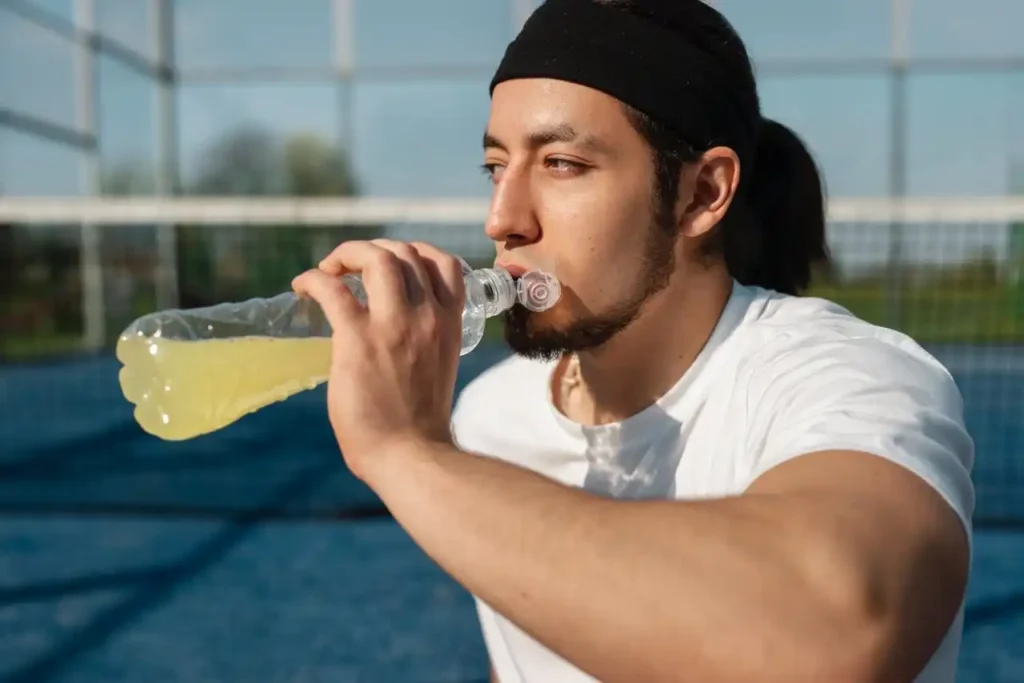
Dehydration of just 2% of body weight produces measurable declines in strength, endurance, and cognitive function, making hydration for athletes as critical as any nutritional variable. Here are the core hydration practices:

  • Pre-hydrate — Drink 500–600ml of water 2–3 hours before training to begin sessions in a fully hydrated state
  • During training — Sip 200–300ml every 15–20 minutes to replace active fluid losses
  • Post-training — Drink 500–600ml for every 0.5kg of body weight lost during the session
  • Monitor urine colour — Pale yellow throughout the day indicates adequate hydration; darker shades signal a need for more fluid
  • Electrolytes for longer sessions — Sessions exceeding 60 minutes require sodium and potassium replacement alongside fluid to prevent hyponatremia and muscle cramping
  • Adjust for UAE climate — Dubai’s heat accelerates sweat rate significantly; increase baseline fluid intake above standard guidelines during summer months

4. Sports Nutrition Supplementation

While a well-structured diet provides most of what athletes need, targeted supplementation can address gaps and support specific performance goals:

Whey protein — Fast-digesting complete protein ideal for post-workout muscle protein synthesis. Most beneficial when whole food protein intake is insufficient to meet daily targets.

Creatine monohydrate — The most researched and evidence-supported performance supplement available. 3–5g daily increases phosphocreatine stores, improving high-intensity strength and power output. Effective for resistance training athletes at all levels.

BCAAs (Branched-Chain Amino Acids) — Leucine, isoleucine, and valine support muscle protein synthesis and reduce exercise-induced muscle breakdown. Most beneficial for athletes training fasted or with low protein intake.

Always consult a qualified nutrition coach or healthcare professional before introducing supplements, effectiveness and safety vary by individual, and whole food nutrition should always be the primary foundation.F

Frequently Asked Questions

What should I eat immediately after a workout for optimal recovery?

A combination of fast-digesting carbohydrates and 20–40 grams of protein within 30–60 minutes of finishing training produces the best recovery outcomes. Practical options include a protein shake with banana, grilled chicken with white rice, or Greek yoghurt with honey. The carbohydrate replenishes glycogen; the protein drives muscle protein synthesis.

How much water should an athlete drink per day?

Active adults and athletes in Dubai's climate need a minimum of 3–4 litres daily on training days, higher than standard global guidelines due to accelerated sweat rate in UAE heat. Use urine colour as a daily benchmark: pale yellow throughout the day indicates adequate hydration.

Do athletes need protein supplements or is whole food enough?

Whole food protein sources are sufficient for most athletes who plan their meals consistently. Protein supplements become useful when daily protein targets (1.6–2.2g per kg body weight) are difficult to meet through food alone, particularly for athletes with high training volumes, busy schedules, or limited appetite post-training.

Conclusion

Sports nutrition for athletes is not about complicated protocols or expensive supplements, it’s about consistently providing your body with the right macronutrients, adequate hydration, and precise timing to match your training demands. Get these fundamentals right and the results compound significantly over months of consistent training.

At Nitro Gym in our gym in Barsha and DSO, our certified nutrition coaches and trainers work together to build personalised sports nutrition and hydration plans that align with your training programme, lifestyle, and performance goals.

Call Now Button