Category: General

  • How Gym Workouts Help Prevent Age-Related Diseases

    How Gym Workouts Help Prevent Age-Related Diseases

    Want to lose weight? Hit the gym! Looking to improve your athletic performance? The gym’s got you covered. Need more energy to tackle your day like a hero? Yep, the gym again! But here’s the thing—when it comes to preventing those age-related diseases, most people think of visiting the doctor or sticking to a healthy diet. And sure, those are great options, but why not take charge and “prevent” it all by hitting the gym? Did you know the gym can be your secret weapon for staying healthy as you age? Maybe it’s time to discover just how much it can do for your body!

    There are still misconceptions in society about gym workouts being solely for getting fit, losing weight, or building muscles. Surprisingly, about 70% of people are unaware of the benefits hidden in gym workouts, which can help prevent age-related diseases to a significant extent.

    Here’s the guide on how the right gym and effective workouts can strengthen your body and reduce the risk of age-related diseases.

    The Science Behind Gym Workouts and Aging

    Aging is a natural process that brings changes to our body. Over time, muscles tend to shrink, bones become weaker, and our metabolism—the process of converting food into energy—slows down. These changes make it easier for age-related diseases like osteoporosis (weak bones), diabetes, and heart conditions to develop.

    • Promoting muscle growth and strength.
    • Improving cardiovascular health.
    • Stimulating the production of hormones like endorphins that improve overall health.

    Key Exercises for Age-Related Disease Prevention

    Strength Training

    As you age, you naturally lose muscle mass and bone density. Strength training slows this process, making your bones stronger and less prone to fractures. This is especially important for preventing osteoporosis, a condition that makes bones brittle and fragile.

    Strength training includes exercises like lifting weights or using resistance bands. Try exercises like bicep curls, squats, or push-ups.If you’re a beginner, there’s no need to rush. Start slow and take your time. These activities help your muscles stay strong and prevent them from weakening over time.

    Cardiovascular Workouts

    Cardio exercises, also called aerobic activities, get your heart pumping and improve your stamina. This workout strengthens your heart and lungs, reduces the risk of high blood pressure, and keeps your arteries healthy. It can also help prevent heart diseases and conditions like hypertension. Activities like brisk walking, jogging, cycling, swimming, or even dancing count as cardio. Choose something you enjoy to stay consistent!

    Flexibility and Balance Exercises

    Stretching exercises and activities that focus on balance are essential as you age. With age, muscles and joints can become stiff, making movement harder. Stretching improves flexibility, while balance exercises reduce the risk of falls, which can lead to injuries.

    Yoga and Pilates are excellent for flexibility and balance. Simple stretches for your legs, arms, and back, along with exercises like standing on one foot or using a balance board, can help, too.

    Functional Training

    Functional exercises mimic everyday movements to keep your body prepared for daily tasks. These exercises improve your mobility and make activities like climbing stairs, bending down, or carrying weights easier. They also strengthen your core muscles, reducing the risk of back pain and injuries.

    Include exercises like lunges, squats, planks, and step-ups in your routine. These are simple yet highly effective movements that support your daily life.

    Common Myths About Gym Workouts for Aging Adults

    • “I’m too old to start working out.”
    • It’s never too late to begin. Even small steps like walking on a treadmill or light resistance exercises can make a big difference.
    • “Gym workouts are only for young people.”
    • Gyms offer programs personalized for all ages, making sure exercises are safe and effective for older adults.
    • “I might get injured if I work out at my age.”
    • With proper guidance from trainers, gym workouts can be adapted to your fitness level, minimizing the risk of injury. You can visit Nitro gym in DSO or Al Barsha to get a personalized workout routine and diet plans.

    Tips for Starting a Gym Routine as You Age

    • Consult a doctor before starting any new workout routine.
    • Begin with low-impact exercises and gradually increase intensity.
    • Set small fitness goals to stay motivated.
    • Warm up before and cool down after every session.
    • Stay consistent by exercising at least three to five times a week.
    • Listen to your body and rest when needed.
    • Focus on proper form to avoid injuries.
    • Stay hydrated and maintain a balanced diet.
    • Mix up your routine with different types of exercises.
    • Stay positive and focus on how exercise makes you feel.
    The Long-Term Rewards

    Going to the gym isn’t just about feeling good today. It’s an investment in your future health. Regular exercise helps you build stronger muscles and bones, which means you’ll stay physically capable as you age. It also improves your flexibility and balance, making everyday movements easier and reducing the risk of falls or injuries.

    Most importantly, gym workouts can help prevent many common health problems like heart disease, diabetes, and osteoporosis. By staying active, you’re not just adding years to your life—you’re adding quality to those years. You’ll enjoy greater energy, maintain your independence, and be able to do the things you love for much longer. It’s like giving your future self the gift of strength, mobility, and a healthier life!

  • New Year, New You! Crafting Your Gym Resolutions for 2026

    New Year, New You! Crafting Your Gym Resolutions for 2026

    It’s the new year! 2026 is around the corner! 2025 passed by in the blink of an eye for some, and for others, it was quite a long journey indeed! But wait, do you remember your 2025 new year resolution? Did it go well? Yes or no, leave it behind – it’s time for fresh resolutions!

    The start of a new year brings with it the perfect opportunity for fresh beginnings and new goals. If you’re thinking about hitting the gym more often or transforming your fitness routine in 2026, you’re not alone.

    In fact, 80% of the world’s population prepares a new year wish list, with a healthy lifestyle often at the top. Many people set new year’s resolutions focused on getting healthier, stronger, and more active. However, to make sure your resolutions stick, it’s important to make them realistic, measurable, and aligned with your long-term fitness goals.

    Embrace Consistency, Not Perfection

    We all have moments when things don’t go as planned. Maybe you skip a workout or eat something that doesn’t fit into your diet. And that’s completely okay! What matters most is staying consistent, not being perfect.

    One missed workout or one indulgent meal doesn’t define your fitness journey. The key is to not let it throw you off course. Get back on track the very next day.

    Fitness isn’t about making huge changes overnight, it’s about showing up consistently, day after day. Over time, these small, steady efforts will add up, and you’ll see real progress. Remember, it’s a long-term commitment, and each step forward counts.

    Make Your Workouts Enjoyable

    One of the biggest reasons new year’s resolutions fail is because people choose workouts they don’t actually enjoy. If you’re not excited about your gym sessions, it can be really hard to stay committed.

    The secret is to find an exercise you love! Whether it’s strength training, group fitness classes, yoga, or even outdoor activities like running or cycling, doing something you enjoy will make it much easier to stick with it.
    When you like what you’re doing, it won’t feel like a burden, and you’ll feel more motivated to keep going.

    If you’re not sure where to begin, try exploring different classes and workout programs. Nitro Gym in DSO and Al Barsha offers a variety of customized workout plans that can be customized to fit your personal preferences and fitness goals. Having a workout plan that suits you makes it easier to stay on track and enjoy the process!

    Prioritize Nutrition Alongside Workouts

    Your fitness journey doesn’t end at the gym. Nutrition plays an equally important role in helping you reach your goals. Yet, some people believe they can eat whatever they want as long as they work out, hoping gym sessions alone will do the magic. On the flip side, others think starving themselves will fast-track their results. Both approaches can backfire!

    Instead, have nutrient-rich foods that support muscle growth, recovery, and energy. Build your meals around lean proteins like chicken or tofu, healthy fats like avocados or nuts, complex carbs like brown rice or sweet potatoes, and plenty of colourful fruits and vegetables.

    Don’t completely ban your favorite treats—life’s about balance, not deprivation. Treat yourself occasionally but stick to moderation. Whether you’re aiming to lose weight, gain muscle, or improve endurance, a proper diet will speed up your progress. For personalized advice, consider consulting a nutritionist or exploring meal plans designed for your fitness goals. Pairing the right nutrition with your workouts is the secret sauce for success!

    Track Your Progress

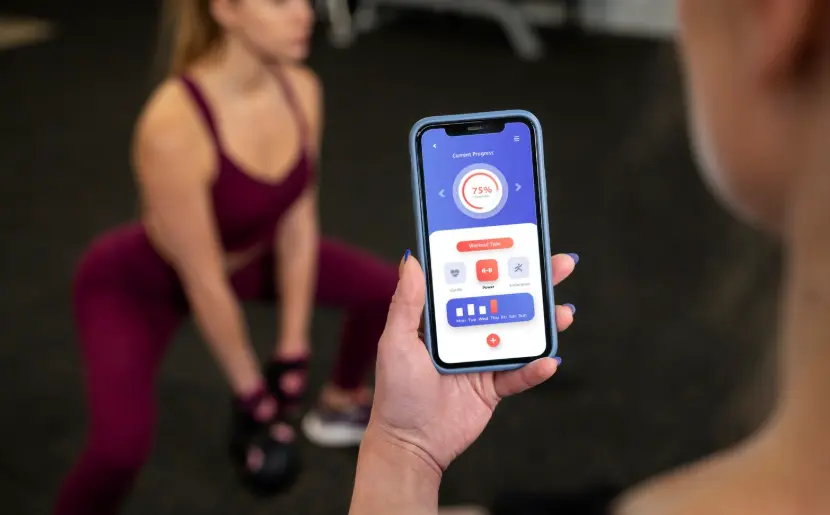
    One of the most effective ways to stay motivated is by tracking your progress. Keep a fitness journal, download a fitness app, or even take weekly photos to visualize how far you’ve come.

    Have you noticed how celebrities or influencers post those viral before-and-after pictures? That’s because tracking progress not only builds confidence but also serves as a reminder of how much you’ve achieved.

    Celebrate the small wins along the way, like lifting heavier weights, running an extra mile, or simply feeling more energetic throughout the day.

    And don’t forget to reward yourself! Treat yourself to a piece of your favorite cake, buy a new workout outfit, or enjoy a day off guilt-free. Life isn’t meant to feel like a punishment—fitness should bring you joy and confidence. By celebrating your achievements, you’ll find even more motivation to stick to your resolutions.

    Stay Flexible with Your Routine

    Life is full of unexpected twists and turns, and sometimes sticking to a strict fitness plan just isn’t possible. Some days might bring personal challenges—maybe you or a loved one face health issues, you get overwhelmed with work pressure, or you’re simply feeling under the weather. And that’s okay. These moments are part of life, and they don’t have to derail your fitness journey.

    Being flexible with your routine is important. If you miss a gym session, don’t beat yourself up about it. Instead, look for small ways to stay active, like a quick home workout, a yoga session, or even a walk. The goal is to stay consistent over the long term, not to be perfect every single day.

    Adaptability keeps you moving forward, even when life doesn’t go as planned. Remember, fitness is about progress, not perfection. When you shift your mindset to focus on steady improvement, you’ll find it easier to bounce back and keep working toward your goals.

    Conclusion

    And most people quit because they can’t see results in just one or two months, or sometimes even within a few weeks! Like, seriously? Fitness is a journey, not an instant transformation. It takes time, consistency, and patience.

    Expecting quick results can lead to frustration and burnout. The key is to set realistic, sustainable goals and enjoy the process. It’s not about seeing dramatic changes overnight, but rather about making small, consistent improvements that add up over time. So, stay focused, stay committed, and trust that the results will come if you stick with it!

    Happy New Year 2026!


  • Common Mistakes People Make When Trying to Gain Weight

    Common Mistakes People Make When Trying to Gain Weight

    Common Mistakes People Make When Trying to Gain Weight

    Many people believe that gaining weight is easy and only requires eating more food. However, healthy and sustainable weight gain involves proper nutrition, structured training, and consistent lifestyle habits. At Nitro Gym in DSO and Al Barsha, individuals are guided to follow the right balance of workouts and nutrition plans for effective progress. When people try to increase body weight without a proper approach, they often experience slow results or gain unwanted fat instead of muscle. Understanding common mistakes can help you make better decisions and achieve balanced fitness outcomes.

    Common Mistakes People Make When Trying to Gain Weight

    Relying Too Much on Junk Food

    A common misconception is that consuming high calorie junk food will help in gaining weight quickly. While these foods may increase calorie intake, they lack essential nutrients required for muscle growth and overall health. Overconsumption of processed snacks, sugary drinks, and fried items can lead to fatigue, digestive issues, and poor workout performance.

    A better approach is to include nutrient dense foods such as nuts, seeds, whole grains, dairy products, lean meats, and healthy fats. These options provide both calories and the vitamins and minerals your body needs to build strength.

    Not Eating Enough Calories Consistently

    Some people feel they are eating frequently but still struggle to gain weight. This usually happens when calorie intake is not consistently higher than the calories burned throughout the day. Skipping meals or eating irregularly can slow down progress.

    Maintaining a structured eating schedule with balanced meals and snacks helps create a steady calorie surplus. Planning meals in advance can make it easier to stay on track.

    Ignoring Protein Intake

    Protein plays a vital role in muscle repair and growth. When individuals focus only on carbohydrates or fats, they may gain body fat rather than lean muscle. Including adequate protein sources such as eggs, chicken, fish, legumes, or dairy products supports healthy weight gain and improves workout recovery.

    Protein shakes can also be useful for people who find it difficult to meet their daily nutritional requirements through meals alone.

    Overtraining or Avoiding Strength Training

    Another common mistake is performing excessive cardio or skipping resistance training completely. Too much cardio can burn the extra calories required for weight gain, while lack of strength training limits muscle development.

    A balanced workout routine that includes weightlifting, resistance exercises, and moderate cardio helps increase muscle mass and improve body composition.

    Inconsistent Meal Timing and Poor Recovery

    Irregular eating habits and insufficient rest can significantly affect weight gain efforts. The body requires a steady supply of energy and enough recovery time to repair and grow muscles. Lack of sleep may reduce appetite, lower energy levels, and slow down progress.

    Creating a daily routine that includes regular meals, hydration, and adequate sleep can make a noticeable difference.

    Expecting Immediate Results

    Healthy weight gain takes time and patience. Unrealistic expectations often lead to frustration and loss of motivation. Tracking small improvements such as increased strength, better stamina, or gradual weight gain can help maintain a positive mindset.

    Focusing on long term consistency rather than quick changes ensures sustainable success.

    FAQs

    It depends on your metabolism and activity level, but generally consuming 300 to 500 extra calories per day can support gradual and healthy weight gain.

    Yes, but combining proper nutrition with strength training helps ensure that most of the gained weight is muscle rather than fat.

    Most people notice changes within a few weeks of consistent eating and training, though significant muscle growth may take a few months.

    No. Light to moderate cardio supports heart health and appetite, but it should be balanced with resistance training.

    Conclusion

    Gaining weight in a healthy way requires more than simply increasing food intake. By avoiding common mistakes such as relying on junk food, skipping protein, overtraining, or expecting instant results, individuals can build muscle and improve overall wellbeing. With the right balance of nutrition, exercise, and lifestyle habits, steady and sustainable progress becomes achievable.

  • How White Sugar Can Sabotage Your Fitness Goals and How to Cut Back

    How White Sugar Can Sabotage Your Fitness Goals and How to Cut Back

    How White Sugar Can Sabotage Your Fitness Goals and How to Cut Back

    White sugar is a common part of daily diets around the world. Many people add it to coffee, tea, desserts, and packaged foods without realizing how much they consume. While it may seem harmless in small amounts, excessive sugar intake can negatively impact your health and slow down your fitness progress.

    Many individuals focus on workouts and calorie counting but overlook one major factor that affects results. White sugar. Understanding how sugar influences your body can help you make smarter nutrition choices and stay consistent with your fitness journey.

    How White Sugar Can Sabotage Your Fitness Goals and How to Cut Back

    The Effects of White Sugar on Your Fitness Goals

    Weight Gain

    Consuming high amounts of sugar increases overall calorie intake. When these extra calories are not burned through physical activity, they are stored as body fat. Sugary foods also do not provide long lasting fullness, which often leads to overeating and poor portion control.

    Insulin Resistance

    Frequent sugar consumption can affect how the body manages blood sugar levels. Over time, this may lead to insulin resistance, where the body becomes less responsive to insulin. This condition increases the risk of developing type two diabetes and can make fat loss more difficult.

    Inflammation and Slower Recovery

    Excess sugar intake is linked to chronic inflammation. This can impact joint health, increase the risk of heart related conditions, and slow muscle recovery after workouts. Poor recovery may lead to inconsistent training performance.

    Energy Crashes

    Sugary snacks and drinks often provide quick energy spikes followed by sudden drops. These energy crashes can make it harder to stay active, focused, and motivated to maintain a regular workout routine.

    Skin Health Concerns

    High sugar intake may contribute to skin breakouts and premature ageing. Sugar can weaken collagen and elastin, which are essential for maintaining firm and healthy skin.

    How to Spot Hidden Sugars in Your Diet

    Read Food Labels Carefully

    Check ingredient lists for terms such as sucrose, glucose, fructose, dextrose, and high fructose corn syrup. Also review the nutrition panel to understand total and added sugar content.

    Be Careful with “Healthy” Packaged Foods

    Granola bars, breakfast cereals, flavoured yogurt, sauces, and salad dressings can contain surprisingly high sugar levels. Choosing plain or minimally processed alternatives can help reduce intake.

    Watch Out for Natural Sweeteners

    Fruit juice, honey, agave nectar, and cane sugar are still forms of sugar. While they may appear healthier, they should be consumed in moderation.

    Limit Sugary Beverages

    Sugary drinks are one of the largest contributors to daily sugar consumption. Choose water, unsweetened tea, black coffee, or infused water with fruits and herbs for better hydration.

    Strategies to Cut Back on White Sugar

    Choose Whole Foods

    Focus on fresh fruits, vegetables, whole grains, lean proteins, and healthy fats. These foods support energy levels and overall fitness performance.

    Reduce Processed Food Intake

    Packaged snacks and ready meals often contain added sugars. Preparing meals at home allows better control over ingredients.

    Gradually Reduce Sugar Consumption

    Instead of eliminating sugar completely overnight, reduce it step by step. This helps manage cravings and makes long term habits easier to maintain.

    Stay Hydrated

    Drinking enough water can help control hunger and reduce sugar cravings throughout the day.

    Benefits of Reducing White Sugar

    Lower sugar intake can improve weight management, provide stable energy levels, and enhance workout performance. Many individuals also experience better skin health and reduced risk of lifestyle related conditions such as diabetes and heart disease.

    Overcoming Common Challenges

    Sugar cravings and social situations can make reduction difficult. Planning meals in advance, keeping healthy snacks available, and staying mindful of hidden sugars in packaged foods can make the process smoother. Remember that progress takes time and consistency.

    Tips for Long Term Success

    Set realistic nutrition goals and track your progress. Replace sugary drinks with healthier options and build a balanced meal routine. Supportive environments also play an important role. Training at a motivating fitness centre like Nitro Gym in DSO and Al Barsha can help you stay disciplined and focused on achieving sustainable fitness results.

    FAQs

    Yes. Eating too much white sugar can increase your daily calorie intake without making you feel full. This can lead to fat storage and slow down your weight loss progress even if you are working out regularly.

    You can reduce sugar cravings by eating balanced meals that include protein, fibre, and healthy fats. Drinking enough water, getting proper sleep, and choosing healthier snacks like fruits or nuts can also help control cravings.

    Healthier alternatives include whole fruits, dates, or small amounts of honey. You can also improve food taste by using cinnamon, vanilla, or other natural flavourings instead of adding refined sugar.

    Summing Up

    Reducing white sugar intake is a powerful step toward better health and improved fitness performance. By understanding its effects, identifying hidden sources, and making gradual lifestyle changes, you can build lasting habits that support your long term wellbeing. Start making small improvements today and stay committed to your fitness journey.

  • How Kickboxing Helps Build Stronger Bones and Prevent Osteoporosis- What you need to know

    How Kickboxing Helps Build Stronger Bones and Prevent Osteoporosis- What you need to know

    Kickboxing isn’t just about fitness and self-defense—it can also help keep your bones strong and healthy.
    Osteoporosis, a condition where bones become weak and brittle, affects millions of people worldwide, especially as they age. Kickboxing offers a unique mix of strength, cardio, and impact exercises that can help build stronger bones and even prevent osteoporosis. Let’s explore how this exciting workout can benefit your bone health.

    Understanding Osteoporosis

    Osteoporosis is a condition that makes your bones weak and more likely to break. It happens when your body loses bone faster than it can replace it. This leads to bones becoming thin and fragile. Often, osteoporosis doesn’t show any obvious signs until something serious happens, like a fracture.
    Some warning signs include a gradual loss of height, back pain caused by tiny fractures in the spine, and a stooped posture, which can make your back look hunched. These changes can sneak up over time, so many people don’t realize they have osteoporosis until they experience a broken bone, often in the hip, wrist, or spine.
    Broken bones from osteoporosis can have a big impact on your life. For example, a hip fracture might require surgery and take months to heal, making it harder to move around. A spinal fracture can cause ongoing pain and even change your posture, making breathing and daily activities more difficult.
    While aging is one of the main reasons people develop osteoporosis, it’s not the only cause. A lack of exercise can weaken your bones because they need regular movement and weight-bearing activities to stay strong. Poor nutrition, especially not getting enough calcium and vitamin D, also hurts bone health. Women are more at risk after menopause because their estrogen levels drop, which protects bones. Family history can also play a role. If your parents or grandparents had osteoporosis, you might be more likely to have it too.

    The Role of Exercise in Bone Health

    Exercise is important for maintaining and improving bone strength. Weight-bearing and high-impact activities, like running, jumping, and resistance training, stimulate bone growth by applying healthy stress to them. This stress encourages bones to rebuild and become denser over time.

    Kickboxing is an excellent form of exercise because it combines:

    Weight-bearing movements: These involve standing and supporting your body weight.

    Impact exercises: Kicks and punches create controlled impact, stimulating bone density.

    Strength training: Movements that build muscle also strengthen the bones they’re attached to.

    Why Kickboxing Is Effective for Bone Health

    Kickboxing stands out as a bone-strengthening workout because it:

    Boosts Bone Density: The high-impact nature of kicks and jumps helps your bones rebuild stronger.

    Engage Multiple Muscle Groups: Punches, kicks, and core movements strengthen muscles that support your bones.

    Improves Balance and Coordination: Better balance reduces your risk of falls, which is important for preventing fractures as you age.

    Increases Strength Gradually: Over time, kickboxing helps your body handle more impact, improving both bone and muscle health.

    Additional Health Benefits of Kickboxing

    Kickboxing is more than just a way to keep your bones healthy—it’s a full-body workout that brings many other benefits to your overall well-being.

    Better Heart Health: Kickboxing is a high-energy activity that gets your heart beating faster, which improves your stamina and strengthens your heart. Regular kickboxing can help lower the risk of heart problems, such as high blood pressure or heart disease, by keeping your cardiovascular system in good shape.

    Helps Maintain a Healthy Weight: If you’re looking to manage your weight, kickboxing is a fantastic option. It’s a calorie-burning powerhouse that helps you shed extra pounds while building muscle. Since it’s a full-body workout, it helps tone your arms, legs, and core, giving you a leaner, stronger body.

    Relieves Stress: Punching and kicking can be a great way to let out your frustrations. The intense movements release endorphins, which are natural chemicals in your body that make you feel happy. This can help reduce stress, improve your mood, and give you a sense of accomplishment after every session.

    Improves Flexibility and Agility: The dynamic movements in kickboxing—like high kicks and quick punches—help make your body more flexible and agile. This reduces stiffness in your joints and makes everyday movements, like bending or reaching, feel easier. Improved flexibility also lowers the chance of injuries and helps you stay active as you age.

    Complementing Kickboxing with Bone-Healthy Habits

    Kickboxing is great for strengthening your bones, but adding some healthy habits can make your bones even stronger. Start with your diet—eat foods rich in calcium, like milk, cheese, yogurt, and leafy greens. Don’t forget vitamin D, which helps your body absorb calcium. You can get vitamin D from sunlight, eggs, and fatty fish like salmon.
    Staying hydrated is also very important. Drinking enough water keeps your joints healthy and makes it easier to move during workouts. Avoid habits that can harm your bones, like smoking and drinking too much alcohol, as these can weaken your bones over time.
    To get even better results, add other weight-bearing exercises to your routine, like walking, hiking, or lifting weights. These activities, along with kickboxing, give your bones the challenge they need to stay strong and healthy.

    Conclusion

    Kickboxing is a fun and effective way to keep your bones strong and lower the risk of osteoporosis. It combines strength, cardio, and impact exercises, making it great for your overall fitness and bone health. When you pair kickboxing with healthy habits like eating a balanced diet, staying hydrated, and getting enough vitamin D, you give your bones the best care possible.
    If you’re ready to get started, visit Nitro Gym in DSO, where expert trainers can guide you through kickboxing and other workouts personalized to your fitness goals. So why wait? Put on your gloves, start kickboxing, and take the first step toward healthier, stronger bones today!

  • How to Create a Weight Gain Meal Plan: Tips and Strategies

    How to Create a Weight Gain Meal Plan: Tips and Strategies

    How to Create a Weight Gain Meal Plan: Tips and Strategies

    While most websites, social media, and ads concentrate on topics like how to lose weight in 6 months or in 3 months, how to gain weight is often an underrated topic!

    While many people focus on weight loss plans and tips, there are many who are working hard to gain weight. So yes, you are here for the same purpose!

    Let’s look at some tips and strategies that can help you create the perfect weight gain meal plan! Here you go!

    Why Weight Gain Matters

    Before we jump into meal planning, it’s important to know why you want to gain weight. Are you looking to build muscle, recover from an illness, or just feel healthier overall? Understanding your goals can help you create a plan that works for you.

    Tips for Gaining Weight

    1. Eat More Calories
      To gain weight, you need to eat more calories than your body burns. Start by figuring out how many calories you currently eat, then aim to add an extra 300-500 calories each day. Focus on filling your meals with nutritious, calorie-dense foods!
    2. Choose Nutritious Foods
      Not all calories are created equal. Go for foods that are high in calories but also good for you. Here are some great options:
      • Nuts and Nut Butters: Almonds, walnuts, and peanut butter are packed with healthy fats and calories.
      • Dairy Products: Full-fat yogurt, cheese, and milk are tasty ways to add calories and calcium.
      • Whole Grains: Foods like brown rice, quinoa, and whole grain bread are great for energy.
      • Healthy Fats: Olive oil, avocado, and fatty fish (like salmon) are good for your heart and help you gain weight.
    3. Snack Often
      Instead of just three big meals, try eating 5-6 smaller meals throughout the day. This makes it easier to take in more calories without feeling too full. Keep snacks handy, like nuts, cheese, or energy bars.
    4. Include Protein
      Protein is super important for building muscle. Make sure your meals have good protein sources, such as:
      • Lean meats (like chicken or turkey)
      • Eggs
      • Beans and lentils
      • Protein shakes or smoothies are great for a quick boost.
    5. Stay Hydrated
      Drinking enough water is important, but avoid filling up on drinks that aren’t calorie-rich. Choose smoothies, milk, or 100% fruit juices to help keep you hydrated while adding calories.
    6. Lift Weights
      Combine your meal plan with strength training exercises. Lifting weights can help turn those extra calories into muscle rather than just fat, which is a healthier way to gain weight.

    Sample Weight Gain Meal Plan

    Here’s a simple meal plan to help you get started:

    Breakfast:

    • Oatmeal made with whole milk, topped with banana and a handful of almonds.
    • 1-2 boiled eggs on the side.

    Morning Snack:

    • Greek yogurt with mixed berries and a sprinkle of granola.

    Lunch:

    • A grilled chicken sandwich on whole grain bread with avocado and cheese.
    • A side of sweet potato fries for extra calories.

    Afternoon Snack:

    • Hummus with whole grain crackers or veggies.
    • A handful of mixed nuts for crunch.

    Dinner:

    • Baked salmon with quinoa and steamed broccoli, drizzled with olive oil.
    • A side salad with your favourite dressing.

    Evening Snack:

    • A yummy protein shake made with a banana and a spoonful of peanut butter.

    Conclusion

    Gaining weight can be just as tough as losing it, but with these simple tips and a solid meal plan, you can reach your goals! Focus on eating more calories with nutritious foods and combine your diet with some strength training for the best results.

     If you’re looking for a great place to start your strength training journey, check out Nitro Gym in DSO and Al Barsha. Remember to listen to your body and adjust your meals as needed. Let’s get started on your weight gain journey together!

  • The Pros and Cons of Monthly vs. Annual Gym Memberships

    The Pros and Cons of Monthly vs. Annual Gym Memberships

    The Pros and Cons of Monthly vs Annual Gym Memberships

    Choosing the right gym membership is an important step in your fitness journey. Many people joining a gym near al barsha or a gym near silicon oasis often face one common question, should you go for a monthly plan or commit to an annual membership? Understanding both options from a practical perspective helps you make a decision that matches your lifestyle, budget, and long term goals.

    The Pros and Cons of Monthly vs. Annual Gym Memberships

    Understanding Gym Membership Options

    Gym memberships are designed to suit different types of individuals. Some people prefer flexibility, while others want a structured commitment. Monthly memberships offer short term access with easy cancellation, whereas annual memberships focus on long term consistency and cost savings.

    Your decision should not be based only on price. It should consider how often you plan to train, your schedule stability, and your level of commitment to fitness.

    Benefits of Monthly Gym Memberships

    Monthly plans are ideal for those who prefer flexibility and minimal commitment. They are especially useful for beginners who are still exploring their fitness routine.

    Key advantages include:

    • Freedom to cancel anytime without long term obligation
    • Lower initial cost compared to annual plans
    • Ideal for testing a gym’s facilities and environment
    • Suitable for people with unpredictable schedules

    This option works well if you are unsure about maintaining a long term routine or if your lifestyle involves frequent changes.

    Limitations of Monthly Gym Memberships

    While monthly memberships are convenient, they may not always be the most cost effective option.

    Some common drawbacks include:

    • Higher total cost when calculated over a year
    • Less motivation to stay consistent due to short term commitment
    • Frequent renewals can become inconvenient

    Many people start with enthusiasm but lose consistency when there is no long term commitment involved.

    Benefits of Annual Gym Memberships

    Annual memberships are designed for individuals who are serious about their fitness journey. They provide better value and encourage long term discipline.

    The main advantages include:

    • Lower cost compared to monthly payments over time
    • Stronger commitment to regular workouts
    • Access to additional benefits such as premium classes or trainer support
    • No need for monthly renewals

    When you invest in a yearly plan, it often creates a sense of responsibility to stay consistent and make the most of your membership.

    Limitations of Annual Gym Memberships

    Despite the benefits, annual plans are not suitable for everyone. They require a higher level of commitment and financial readiness.

    Key challenges include:

    • Higher upfront payment which may not suit all budgets
    • Limited flexibility if your routine or location changes
    • Difficult to cancel or pause in most cases
    • Risk of not fully utilizing the membership

    If your schedule is uncertain, committing for a full year may feel restrictive.

    Which Membership Option Is Right for You

    The right choice depends on your personal situation. If you are new to fitness or have a changing routine, a monthly plan gives you the flexibility to adjust. On the other hand, if you are focused on long term results and want better value, an annual membership can be a smarter investment.

    Consistency plays a major role in achieving fitness goals. A plan that keeps you motivated and aligned with your routine will always deliver better results than one chosen purely based on cost.

    Expert Perspective on Making the Right Choice

    From a practical standpoint, beginners often benefit from starting with a monthly plan and then switching to an annual membership once they build consistency. This approach reduces risk while allowing you to gradually commit to your fitness journey.

    Choosing a well-equipped gym with professional guidance also makes a difference. The environment, equipment quality, and trainer support all influence how effectively you use your membership.

    FAQs

    Monthly memberships are usually better for beginners as they offer flexibility and allow you to test the gym before committing long term.

    Yes, annual memberships are generally more cost effective compared to paying monthly, especially if you plan to use the gym consistently.

    Most gyms allow you to upgrade from a monthly to an annual plan once you are comfortable and ready to commit.

    Summing Up

    Both monthly and annual gym memberships have their advantages and limitations. The key is to choose a plan that matches your goals, schedule, and level of commitment. Whether you prefer flexibility or long term savings, staying consistent is what truly matters.

    With flexible membership options and a results focused environment, Nitro Gym offers solutions for individuals training at a gym near al barsha or a gym near silicon oasis. The right plan combined with the right environment can help you stay committed and achieve lasting fitness results.

  • How to Transition from Beginner to Intermediate in Your Gym Routine

    How to Transition from Beginner to Intermediate in Your Gym Routine

    No one is born an expert. Consistency, hardwork and determination makes the person an expert in any field. This applies to working out in the gym also. 

     When you first start working out, you focus on learning the basics and building a solid foundation. But as you get stronger and more confident, it’s natural to want to take things to the next level. 

    Transitioning from a beginner to an intermediate gym routine means pushing your limits a bit more and trying new things to keep making progress. In this guide, we’ll show you how to assess your current fitness, increase workout intensity, and expand your routine in simple, manageable steps.

    Assessing Your Current Fitness Level


    Before you start changing your routine, it’s important to know where you stand. Assessing your current fitness level means understanding what you’re already capable of.

     For example, how much weight can you comfortably lift? How long can you run or cycle? Are you able to complete your workouts without feeling too exhausted? Keeping track of your workouts in a journal or app can help you see how far you’ve come and where you can improve. This way, you’ll know when you’re ready to increase intensity or try new exercises.

    Increasing Workout Intensity


    To get stronger and more fit, you need to gradually push yourself beyond your comfort zone. This doesn’t mean overdoing it or risking injury, but it does mean making small adjustments to make your workouts harder. You can do this in several ways:

    • Increase Weight: If you’ve been lifting the same weight for a while, try going up by 1-2 Kilograms.
    • Add Reps: If you’re used to doing 10 reps, aim for 12 or 15.
    • Reduce Rest Time: If you usually rest for 60 seconds between sets, try cutting it down to 30 or 45 seconds.

    For cardio, you can make your workouts more challenging by running at a faster pace, increasing the incline on a treadmill, or adding intervals where you switch between high and low intensity. 

    Expanding Routine Variety


    Doing the same exercises over and over can get boring and might limit your progress. That’s why it’s important to add variety to your routine as you move to the intermediate level. 

    You can start by incorporating new exercises that target different muscles or challenge your body in new ways. For instance:

    • If you usually do squats, try adding lunges or deadlifts.
    • Switch between machines and free weights to work your muscles differently.
    • Explore new fitness equipment like kettlebells, resistance bands, or medicine balls.

    You can also mix up your routine by trying new types of workouts. If you’ve been focusing only on strength training, add in some cardio or flexibility exercises, like yoga or pilates. This keeps things fresh and helps you improve in different areas of fitness.

    Conclusion


    Moving from a beginner to intermediate gym routine is all about making gradual, thoughtful changes. By checking where you are now, increasing your workout intensity, and adding variety to your exercises, you’ll keep progressing and stay motivated.

     If you’re looking for a place that supports your fitness journey, Nitro Gym in DSO & Al Barsha offers the perfect environment to help you reach your goals. 

    The most important thing is to enjoy the journey, celebrate your progress, and remember that consistency is key. Keep challenging yourself, and you’ll continue to see great results!

  • Understanding Gym Machines vs. Free Weights: Which Is Right for You?

    Understanding Gym Machines vs. Free Weights: Which Is Right for You?

    When you enter a gym, you will obviously be confused about a lot of questions. You will be confused, excited and of course a bit nervous. 

    You might wonder whether to use gym machines or free weights like dumbbells and barbells. Both are great for building strength and improving fitness. But which one is right for you depends on your goals and how comfortable you feel using them. Let’s look at the advantages of each to help you decide.

    Advantages of Gym Machines

    1. Easy for Beginners: Gym machines are simple to use, especially if you’re new to working out. Most machines come with instructions and guide your movements. This way, you don’t have to worry about using them incorrectly.
    2. Focus on Specific Muscles: Machines help you target specific muscles. If you want to work on a particular part of your body, machines make it easier to focus on that muscle group.
    3. Lower Risk of Injury: Machines control your movements, which lowers the risk of injury. You don’t have to worry as much about form or balance because the machine keeps you stable.
    4. Consistency: Using machines makes it easy to repeat the same movement every time. This helps you track your progress and gradually increase the weight.
    5. Faster Workouts: Machines allow you to quickly switch between exercises. You can adjust the weight by simply moving a pin or dial, making your workout faster and more efficient.
    6. Good for Recovery: If you’re recovering from an injury, machines offer a controlled and safe way to build strength. They can help you avoid overstraining sensitive areas.

    Advantages of Free Weights

    1. More Versatile: Free weights like dumbbells and barbells give you more options. You can perform many different exercises and work multiple muscles at the same time.
    2. Functional Strength: Free weights help you build strength that you use in everyday life. Lifting, carrying, and pushing objects in real life are similar to using free weights in the gym.
    3. Engage More Muscles: Free weights force your body to work harder because you have to balance and control the weight. This engages more muscles and gives you a fuller workout.
    4. Portable: You can use free weights anywhere, not just at the gym. Whether you’re at home, outdoors, or travelling, free weights are easy to carry and use.
    5. Natural Movements: Free weights allow your body to move more naturally. You can move in different directions without being restricted by a machine.
    6. Burns More Calories: Since free weights activate more muscles, they require more energy. This can help you burn more calories during your workout.
    7. Improves Balance and Stability: Using free weights helps improve your balance. Your body has to work to stay stable, which strengthens smaller muscles and improves coordination.
    8. Strengthens Your Core: Many free weight exercises require you to engage your core for balance. This helps strengthen your abdominal muscles and improves your posture.

    Choosing the Right Option

    When deciding between gym machines and free weights, think about your goals and experience level.

    • If you’re a beginner, machines are a great choice. They offer support, guide your movements, and help you build confidence in your workout routine.
    • If you want to improve overall strength and balance, free weights may be better for you. They engage more muscles, offer natural movements, and give you more variety in your workouts.
    • Combining Both: Many people choose to use both machines and free weights. Machines can help you target specific muscles, while free weights help you build overall strength and improve coordination.

    Conclusion

    Both gym machines and free weights have their benefits. The best choice depends on your fitness goals and what feels right for you. Whether you want to build strength, tone muscles, or improve overall fitness, either option—or a combination of both—can help you succeed. At Nitro Gym in Al Barsha & DSO

    , you can find both types of equipment to suit your needs. Choose the one that works best for your body and goals, and make the most of your workouts. 

  • How to Get Back into the Gym After a Long Break

    How to Get Back into the Gym After a Long Break

    How to Get Back into the Gym After a Long Break

    Taking a long break from the gym happens to most of us. Whether life got busy, you faced an injury, or you simply needed some time off, returning to the gym can feel like a big challenge. 

    But don’t worry! getting back into your fitness routine is not as hard as it seems. Here’s how you can ease back into working out, especially if you’re thinking about joining Nitro Gym in DSO & Al Barsha.

    1. Start Slowly

    It’s important to ease into your workouts after a long break. Your body needs time to adjust to exercise again, so don’t push yourself too hard right away. 

    Start with lighter exercises like walking, stretching, or using smaller weights. This will help you gradually build up your strength without putting too much strain on your muscles.

    2. Set Small, Achievable Goals

    Instead of jumping back into your old routine, set small and realistic goals that you can easily achieve. 

    For example, if you used to work out five times a week, start with two or three sessions a week. This way, you won’t feel overwhelmed, and you’ll be more likely to stick with it. As you get more comfortable, you can slowly increase the number of workouts.

    3. Create a Routine

    Having a regular workout schedule is key to getting back into shape. Pick specific days and times that work best for you and stick to them.

     For instance, you might decide to exercise every Monday, Wednesday, and Friday. Nitro Gym in DSO & Al Barsha has flexible hours, making it easier to find a time that fits into your daily routine.

    4. Listen to Your Body

    Your body will tell you how it’s feeling, so make sure to listen. If you feel tired, sore, or in pain, it’s okay to take a break or do a lighter workout. 

    Muscle soreness is normal when you’re getting back into exercise, but sharp pain is not. Don’t push yourself too hard. Your body needs time to recover and get stronger.

    5. Focus on Proper Form

    When you’re starting back at the gym, it’s important to focus on doing exercises the right way. Proper form helps prevent injuries and makes sure you’re getting the most out of your workouts. 

    Before you start lifting heavy weights or doing intense exercises, take the time to practice good form. If you’re unsure, you can ask a trainer at Nitro Gym.

    6. Try Different Workouts

    If you find it hard to get excited about going back to the gym, try mixing things up with new exercises or classes. Nitro Gym offers a variety of workout options, from strength training to cardio classes. Trying something new can make your workouts more interesting and fun, which will help keep you motivated.

    7. Be Patient with Yourself

    Remember, it’s okay if you’re not as strong or as fit as you used to be. Getting back into shape takes time, so be patient with yourself. Celebrate the small wins, like completing a workout or lifting a little more weight than last week. 

    Trust us, over time, you’ll start to see progress, and your confidence will grow.

    8. Stay Motivated

    Staying motivated is important, especially when you’re getting back into the gym. Find what works best for you, whether it’s tracking your progress, setting new fitness goals, or working out with a friend. 

    Conclusion

    Getting back into the gym after a long break might seem tough, but with the right approach, it can be a positive and rewarding experience. 

    Start slow, set realistic goals, and be kind to yourself as you rebuild your fitness routine. Whether you’re heading to Nitro Gym in DSO & Al Barsha or another fitness center, remember that every step you take brings you closer to your goals. 

    Keep going, and enjoy the journey back to a healthier, stronger you! You got this! 

Call Now Button