
What to Eat Before and After Your Workout in Dubai's Heat
Are you fuelling your workouts correctly or leaving results on the table because of what you eat before and after training? In Dubai’s intense heat, knowing exactly what to eat before and after workout sessions isn’t just about performance it’s about safety, recovery, and getting the most from every session you put in.
At Nitro Gym, our certified trainers at the gym in Dubai Silicon Oasis and gym in Al Barsha consistently see the difference between members who fuel strategically and those who don’t. Here’s the complete guide to pre and post-workout nutrition, built specifically around training in Dubai’s climate.
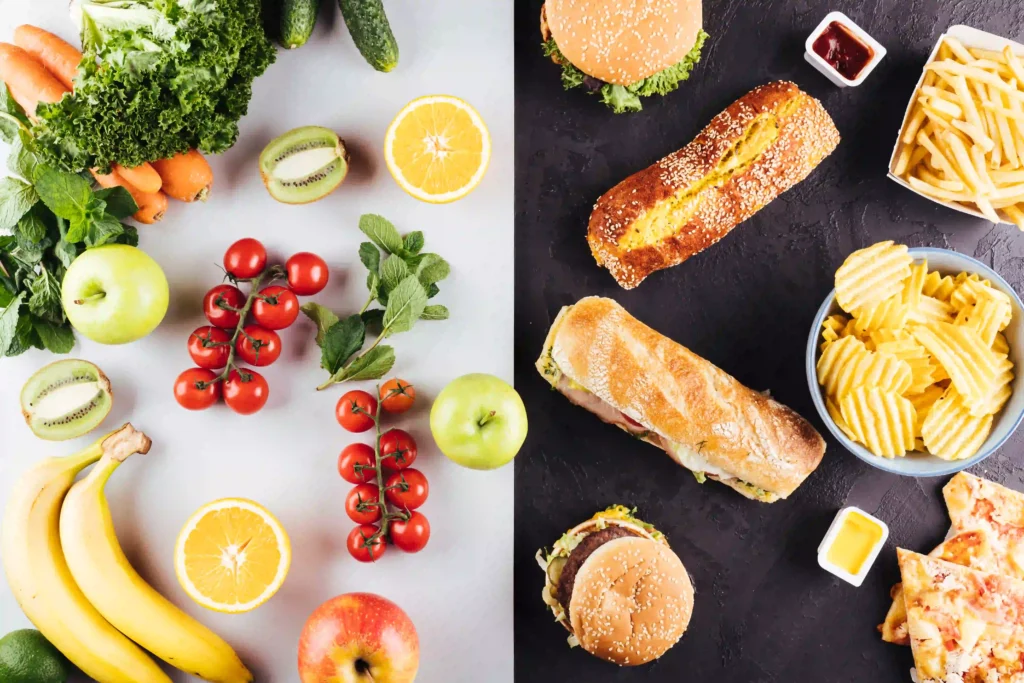
What to Eat Before Your Workout
Timing Is Everything
What you eat before training matters as much as what you eat. Eating the wrong foods or at the wrong time leads to sluggishness, digestive discomfort, or energy crashes mid-session.
- 2–3 hours before training: Aim for a balanced meal combining complex carbohydrates, lean protein, and a small amount of healthy fat. This window gives your body enough time to digest and convert nutrients into available energy.
- 30–60 minutes before training: If you’re short on time, a light, fast-digesting snack is enough; fruit with yoghurt or a banana with peanut butter works well.
Best Pre-Workout Foods
- Complex carbohydrates are your primary energy source for high-intensity training. Oatmeal, sweet potatoes, whole-grain bread, and brown rice release glucose steadily into the bloodstream, giving you sustained energy without the mid-workout crash that simple sugars cause.
- Lean protein supports muscle preservation and repair from the start of your session. A small portion of eggs, chicken, or a plant-based protein smoothie paired with your carbohydrate source optimises both energy and muscle support.
- Fast-digesting fruits like bananas, watermelon, and oranges provide a quick energy boost while also contributing to hydration, especially important when training in Dubai’s heat.
- Healthy fats from avocado or a small handful of nuts add sustained fuel for longer sessions, though they should be kept minimal close to training time as fat slows digestion.
Foods to Avoid Before Training
- Heavy, greasy, or fried foods: These slow digestion and cause discomfort during exercise.
- Very spicy dishes: These can raise core body temperature, adding to heat stress during outdoor or intense sessions.
- Sugary snacks and energy drinks: The fast spike in blood sugar leads to an equally fast crash, often hitting at the worst point in your workout.
What to Eat After Your Workout
Post-workout nutrition has one primary job: to help your body recover. After training, your muscle glycogen stores are depleted and your muscle fibres need protein to repair and grow. The window within 30–60 minutes after your session is when your body is most receptive to nutrients.
Protein is the priority. Chicken, fish, eggs, Greek yoghurt, beans, or a quality protein shake all provide the amino acids your muscles need for repair and growth after the mechanical stress of training.
Complex carbohydrates replenish glycogen stores depleted during exercise. Brown rice, whole grains, roasted vegetables, and legumes are all excellent choices that also provide micronutrients supporting overall recovery.
Water-rich and cooling foods are particularly important in Dubai’s climate. Watermelon, cucumber, melon, and orange segments rehydrate while providing natural sugars and vitamins. For longer or sweatier sessions, coconut water or an electrolyte drink helps replace sodium and potassium lost through sweat preventing the cramping and fatigue that plain water alone won’t fully resolve.
Hydration: The Non-Negotiable
Training in Dubai’s heat means sweat loss is significantly higher than in cooler climates. Dehydration sets in fast, and its effects on strength, endurance, and cognitive function appear at just a 2% body water deficit.
Drink water consistently before, during, and after your session. After an especially intense or sweaty workout, add a pinch of salt to your water or choose an electrolyte drink to replace the minerals lost. Monitor your urine colour pale yellow throughout the day is your target.
FAQs
How long before a workout should I eat a full meal?
Is it okay to train on an empty stomach in Dubai's heat?
What is the best post-workout meal after evening training in Dubai?
Train Hard, Fuel Smart
Getting your pre- and post-workout nutrition right is one of the most impactful changes you can make to your training outcomes. In Dubai’s heat, the stakes are higher; the right foods protect your performance, accelerate recovery, and keep dehydration at bay.
At Nitro Gym, whether you train at our gym in Dubai Silicon Oasis or our gym in Al Barsha, our certified trainers are here to help you align your nutrition with your training goals. Fuel your body correctly, and every session becomes more productive.