Category: Bodybuilding

  • Functional Training vs Traditional Bodybuilding: Which is Better for Your Goals?

    Functional Training vs Traditional Bodybuilding: Which is Better for Your Goals?

    Functional Training vs Traditional Bodybuilding: Which is Better for Your Goals?

    Functional training benefits are often discussed when people start exploring smarter ways to train. However, many still find themselves choosing between functional training and a bodybuilding workout without fully understanding what each approach delivers. Both methods can be effective, but they serve very different outcomes. The real question is not which one is better overall, but which one actually aligns with how you want your body to perform.
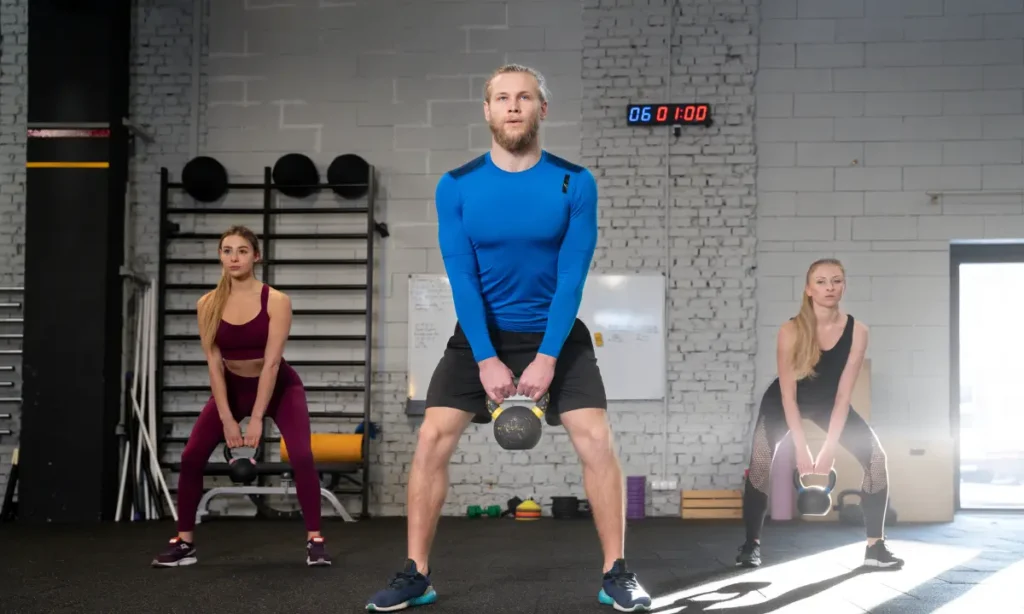
    Functional Training Benefits Compared to Traditional Bodybuilding

    Functional Training: What does it focus on?

    Here’s what functional training focuses on:

    Movement-Based Training

    Exercises in functional training often mimic real-life actions, such as lifting, pushing, pulling, and rotating. This means the strength you build in the gym directly translates into how you move outside it. One of the key functional training benefits is that it improves how efficiently your body handles everyday physical tasks.

    Strength, Stability, and Mobility Together

    Functional training also combines balance, coordination, and flexibility. This creates a more adaptable body, one that can handle different types of movement without strain. Over time, these functional training benefits help reduce the risk of injuries, especially for individuals who lead active or demanding lifestyles.

    Practical Performance Over Appearance

    Functional training is less about how muscles look and more about how they perform. You may not always see dramatic size gains, but you will notice improvements in endurance, posture, and control. 

    Traditional Bodybuilding: What does it focus on?

    Here’s what the traditional bodybuilding approach focuses on:

    Muscle Isolation and Growth

    A bodybuilding workout is designed to target specific muscle groups. Each exercise isolates a particular muscle, allowing it to be trained with precision. This approach is highly effective for increasing muscle size and improving definition.

    Structured Training Approach

    Bodybuilding routines are typically split into specific days, chest, back, legs, and arms, allowing focused training for each muscle group. This structured system makes it easier to track progress and progressively increase intensity.

    Aesthetic-Driven Results

    If your primary goal is to build muscle mass, improve symmetry, and enhance overall physique, a bodybuilding workout provides a clear and proven path. The results are visible and measurable.

    Which One is Better for Your Goals?

    If your primary goal is to build muscle mass, improve symmetry, and enhance overall physique, a bodybuilding workout provides a clear and proven path. The results are visible and measurable.

    The decision is rarely about choosing one over the other; it’s about understanding what your body actually needs.

    • If your goal is to move better, stay injury-free, and build strength that supports your daily life, functional training makes more sense. The functional training benefits in this case go beyond the gym and improve overall movement quality.
    • If your goal is to build visible muscle, increase size, and work towards a specific physique, then a bodybuilding workout is more aligned with that outcome.

    However, many people today are no longer choosing one approach exclusively. They combine both: using strength-focused sessions for muscle development while incorporating functional exercises to improve mobility and control. This balanced approach allows you to maximise functional training benefits without compromising on muscle growth.

    For those training regularly at Nitro Gym in Al Barsha, this combination is often the most practical. With access to both functional training zones and strength equipment, it becomes easier to build a routine that supports both performance and aesthetics.

    Common Mistakes When Choosing Between the Two

    One of the biggest mistakes people make is choosing a training style based on trends rather than personal goals.

    Focusing only on muscle size while ignoring mobility can lead to stiffness and imbalance. On the other hand, avoiding structured strength training altogether can limit muscle development.

    Another common issue is following random workout plans without understanding how the body adapts. Without a clear direction, even consistent effort may not lead to meaningful results.

    FAQs

    It depends on your goal. Functional training benefits support movement and flexibility, while bodybuilding focuses on muscle size and definition.

    Yes, combining both can help improve overall strength, mobility, and muscle development.

    A balanced approach that includes both methods often delivers better long-term results.

    Summing Up

    There is no single “better” approach that works better for your goals. While bodybuilding builds muscle and structure, functional training improves how your body performs as a whole. The key is to train with intent. By understanding your priorities and applying the right mix of training methods, you can build a routine that not only delivers results but also supports long-term strength and movement efficiency.

  • Understanding Muscle Hypertrophy: A Simple Guide to How Muscles Actually Grow

    Understanding Muscle Hypertrophy: A Simple Guide to How Muscles Actually Grow

    Understanding Muscle Hypertrophy: A Simple Guide to How Muscles Actually Grow

    Many people visit the gym to change the way their body looks, but few truly understand the biological processes behind it. Muscle hypertrophy is simply the scientific term for the increase in muscle size. By learning the basics of How Muscles Actually Grow, you can stop guessing with your workouts and start using a plan that is proven to get results.

    A Simple Guide to How Muscles Actually Grow

    The Science of Muscle Breakdown and Repair

    Muscle growth doesn’t actually happen while you are lifting weights in the gym. Instead, the gym is where you create the stimulus for growth. When you lift heavy weights or push your muscles to their limit, you cause tiny, microscopic tears in the muscle fibers. This might sound scary, but it is a perfectly healthy and necessary part of the process.

    Once you leave the gym, your body goes into “repair mode.” It treats these tiny tears like small injuries and works to fix them. However, your body is smart; it doesn’t just fix the fibers to their original state; it builds them back slightly thicker and stronger to handle that stress better next time. This cycle of breakdown and repair is fundamentally How Muscles Actually Grow over weeks and months of training.

    Three Pillars of Effective Hypertrophy

    To keep your body in a state where it is constantly building new tissue, you need to follow a few specific principles. Without these, your progress will eventually stall.

    • Mechanical Tension: This is the most important factor. It means lifting weights that are heavy enough to challenge your muscles through a full range of motion.
    • Progressive Overload: You must give your muscles a reason to keep growing. This means slowly increasing the weight, the number of repetitions, or the number of sets in your routine every few weeks.
    • Metabolic Stress: Often called “the pump,” this is the burning sensation you feel during high-rep sets. It signals to your body that it needs to adapt to high-energy demands.
    • Sufficient Protein Intake: Muscle is made of protein. You need to eat enough of it to provide the “bricks” your body uses to rebuild the fibers you broke down during your workout.
    • Quality Sleep: Your body releases growth hormones primarily while you sleep. If you don’t rest, you interfere with the repair process.

    Hypertrophy Training at Nitro Gym Dubai Silicon Oasis

    Building a better physique requires more than just knowledge; it requires the right tools. At Nitro Gym, our gym in dso is specifically designed to support the science of muscle growth. We provide an environment where you can focus entirely on the intensity of your session without distractions.

    Our Silicon Oasis branch features top-of-the-line plate-loaded machines and a massive selection of free weights, which are essential for creating the mechanical tension needed for hypertrophy. Whether you are a beginner or an advanced lifter, the atmosphere at Nitro Gym encourages the hard work required for growth. Plus, our expert trainers understand how muscles actually grow and can design a personalized program that ensures you are applying progressive overload correctly every single week.

    Common Muscle Growth Curiosities

    A: Not necessarily. Muscle soreness, known as DOMS is just a sign that you did something new or high in volume. While it can happen, you can still achieve significant growth without being in pain the next day. The best sign of growth is getting stronger over time.

    A: Science shows that muscles can grow in many rep ranges, but the “sweet spot” for most people is between 8 and 12 reps per set. This range provides a great balance of heavy weight and enough time under tension.

    A: Cardio is great for your heart, but it is not the best way to trigger hypertrophy. To see How Muscles Actually Grow in terms of size and shape, you need some form of resistance training, like lifting weights or using gym machines.

    Taking the Next Step in Your Growth

    Understanding the science of hypertrophy takes the mystery out of fitness. It isn’t about luck; it is about consistent work, proper recovery, and the right equipment. When you provide the right stimulus and the right fuel, your body has no choice but to adapt and get stronger. Start applying these principles today, and you will see your hard work turn into real, physical results.

  • Women’s Strength Training

    Women’s Strength Training

    Women’s Strength Training: Where to Begin at Silicon Oasis

    Starting strength training can feel a bit overwhelming at first. You’re excited, but also unsure of where
    to even begin. Should you lift heavy? Stick to machines? How many times a week? Don’t worry—it’s
    normal to feel that way. If you’re a woman looking to start strength training in a Gym in Silicon Oasis,
    the good news is you don’t need to overcomplicate things. You just need the right environment, the
    right guidance, and a bit of consistency.

    Women’s Strength Training at Silicon Oasis

    Why Strength Training Matters for Women

    Let’s be honest, strength training isn’t just about looking toned or “getting abs.” It goes way deeper
    than that. For women, lifting weights can literally change how you feel in your own skin.


    Here’s the thing:
    ● It speeds up your metabolism, which helps with weight control.
    ● It improves bone health, lowering your risk of osteoporosis later in life.
    ● It makes daily stuffs like carrying groceries, climbing stairs, even lifting your kids feel easier.


    And then there’s the mental side. Strength training builds confidence in a way that’s hard to explain until you’ve felt it. Many women say lifting makes them feel strong, not just physically but mentally.


    And honestly, that’s one of the best reasons to start.

    Finding the Right Gym in Dubai

    Okay, let’s talk about where to train. Not all gyms feel welcoming, especially if you’re new and still figuring things out. That’s why the environment matters so much.

    At Nitro Gym in Silicon Oasis, you’ll find a mix of modern equipment and a supportive atmosphere. It’s not just rows of intimidating machines—it’s a space designed to help women feel comfortable, whether you’re lifting for the first time or you’ve been at it for years.

    And let’s face it, having trainers around who actually know how to guide beginners is a game-changer. You don’t have to waste time second-guessing your form or wondering what to do next. You can walk in, follow a plan, and feel confident that you’re on the right track. That makes the difference between quitting after a few weeks and sticking with it long term.

    The Best Beginner-Friendly Strength Exercises

    So what do you actually do once you step into the gym? Forget about those overly complicated Instagram workouts. You don’t need fancy tricks to see results. What you need are the basics—the exercises that hit multiple muscles at once and build a solid foundation.

    Here are the big ones:

    •  Squats: Amazing for legs and glutes. Plus, you’ll feel stronger every time you walk up stairs.
    • Deadlifts: Don’t be scared of the name. This move works your back, glutes, and hamstrings all at once. It’s one of the best full-body strength builders.
    • Push-ups: Start with knee push-ups if needed. They’ll build your chest, arms, and shoulders without any equipment.
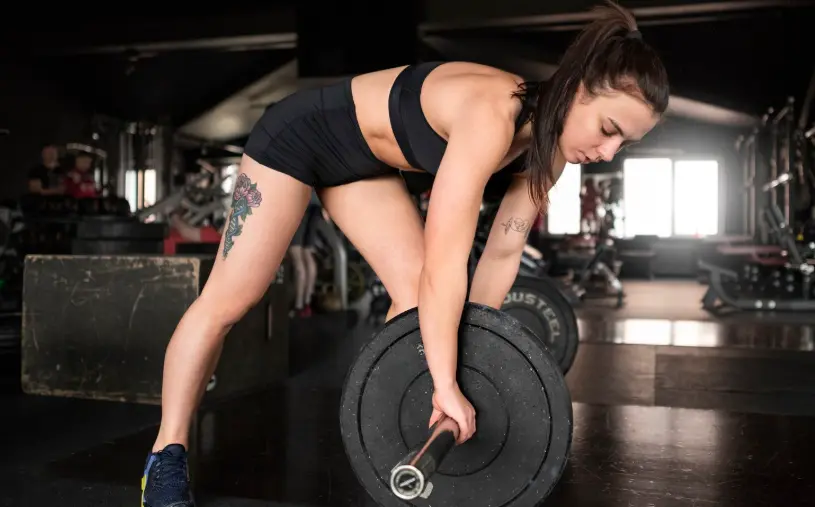
    • Rows: Great for posture and upper back strength. Plus, they balance out all the pressing moves.
    • Overhead Press: Builds shoulder and core stability. It also feels empowering to push weight above your head.

    Pro tip: Don’t rush. Start light. Get your form right. Then slowly increase the weight over time. It’s not a race, it’s a journey.

    FAQs About Women’s Strength Training

    Nope, not unless you’re training like a professional bodybuilder. Women don’t naturally have the hormone levels to bulk up easily. What you’ll notice is a leaner, more toned look.

    Two to three times a week is perfect for beginners. Give your muscles at least a day in between to rest and recover. Remember, rest is where the magic happens.

    Think balance, not restriction. Prioritize protein (chicken, fish, beans, eggs), throw in some healthy fats (nuts, avocado, olive oil), and fuel with complex carbs (brown rice, oats, whole wheat bread). Food is fuel, not the enemy.

    If your goal is to build strength, hit the weights first while you have the most energy. Cardio can come after, or even on a separate day.

    Not “need,” but it sure helps, especially at the start. A trainer can teach you proper form, create a
    plan that works for you, and keep you motivated when you’re tempted to skip.

    Injuries usually come from rushing or bad form. Warm up, cool down, and don’t ignore what your
    body’s telling you. Pain isn’t something to push through. It’s a sign to stop.

    The Mental Boost Nobody Talks About

    Here’s something people rarely mention: lifting weights isn’t just about muscles. It does wonders for your headspace too. After a rough day, stepping into the gym and focusing on your workout can feel like therapy. That post-workout confidence boost? It’s real.


    And honestly, that feeling of gradually lifting heavier or nailing an exercise you couldn’t do before. It’s addictive in the best way possible. It proves to you, week after week, that you’re capable of more than you thought.

    Why Consistency Beats Perfection

    One mistake beginners often make? Thinking they have to be perfect. The perfect diet, the perfect workout, the perfect routine. Truth is, you don’t. Consistency beats perfection every single time.

    Even if you can only make it to the gym twice a week, that’s still progress. Don’t underestimate small wins. They stack up. Show up, do your best, and keep moving forward. That’s how real, lasting results happen.

    Women’s Strength Training
    Conclusion

    Strength training isn’t just a workout plan. It’s a lifestyle shift that helps you feel stronger, healthier, and more confident, inside and out.

    If you’re in Silicon Oasis and ready to start, check out Nitro Gym. You’ll find the right support, great equipment, and a team that genuinely wants to see you succeed.

    Start simple. Stay consistent. And enjoy the journey. You might just surprise yourself.

  • Body Recomposition: Lose Fat and Build Muscle with a Smart Gym Plan

    Body Recomposition: Lose Fat and Build Muscle with a Smart Gym Plan

    Body Recomposition: Lose Fat and Build Muscle with a Smart Gym Plan

    If you’re wondering how to lose fat and build muscle, you’re in the right place. This blog will show you why these two goals matter, the basics behind body recomposition, and how following a clear gym plan can help you succeed. Whether you’re training at home or looking for a Gym in Silicon Oasis or Al Barsha, these tips are designed to help you lose fat and build muscle for lasting change.

    Loss Fat and muscle

    The True Benefits of Body Recomposition

    Most gym-goers want more than just weight loss-they want their efforts to show in the mirror and how they feel every day. Body recomposition means building muscle while losing fat. This approach helps you look stronger, keep your metabolism active, and feel more energetic, no matter your age or experience. You don’t need extreme diets or long hours in the gym. Instead, it’s about steady, smart habits you can keep up long term.

    How to Lose Fat and Build Muscle: Key Habits That Work

    The best results come from routines you’ll stick with. The following habits are simple, practical, and fit even the busiest Dubai lifestyles:

    • Combine Strength and Cardio: Weights and bodyweight movements keep muscle growing while you lose fat. Try activities like squats, rows, and lunges, plus a little steady cardio.
    • Eat for Your Goals: Focus on lean proteins (chicken, fish, eggs, beans), colourful veggies, healthy fats, and enough carbs to power your workouts. This supports muscle growth and helps control hunger without strict restrictions.
    • Small Calorie Deficit: Eat a little less than you burn each day. This helps tap into fat stores while still giving your body the energy and nutrients to build muscle.
    • Recovery Matters: Muscles need rest. Take at least one or two days off from hard exercise. Good sleep is crucial, too.
    • Set Simple Milestones: Don’t worry about perfection. Celebrate every few centimeters lost or each new weight you can lift, not just the number on the scale.

    Why This Approach Works for Dubai Residents

    Dubai’s fast-paced life makes it tempting to try shortcuts, but body recomposition is about long-term habits. With indoor gym options, fresh produce available year-round, and a supportive fitness community, Dubai is a great place to start. Choosing a Gym in Silicon Oasis gives access to equipment and friends who cheer you on, making each workout easier to stick with.

    Nitro Gym: Helping Dubai Train Smarter

    At Nitro Gym, you’ll find everything you need to reach your body goals in a welcoming setting. Spacious workout areas in both Silicon Oasis and Al Barsha let you train privately or with friends, whatever your comfort level. From free weights to resistance machines and clean, modern spaces, Nitro Gym makes it easy for anyone to start a routine and stick with it.

    What sets Nitro Gym apart is its focus on real, everyday people-no pressure and no confusing programs. The staff is friendly, and many members share stories of changing their bodies by following consistent exercise and nutrition routines right here. It’s a reliable, trusted choice for anyone serious about losing fat and building muscle-especially if you want a Gym in Silicon Oasis that feels like home.

    Tips for Staying on Track for Loss of Fat and Muscle Gain
    • Set clear, realistic goals. Decide whether you’re focusing a bit more on fat loss, muscle gain, or an even balance.
    • Track your progress, not just with the scale, but with tape measurements, strength gains, and how your clothes fit.
    • Adjust your plan as needed. If you notice more fatigue or little progress, tweak your calorie intake, increase your activity, or ask for expert advice from a trainer.
    • Stay patient. True body recomposition takes time-a few months of steady progress will make a visible, real change.

    FAQs

    Yes. With proper strength training, balanced nutrition, and consistency, body recomposition is possible.

    Training four to five days per week helps support both fat loss and muscle growth.

    A diet rich in protein, whole foods, and controlled calories supports better results.

    Most people notice visible changes within four to eight weeks with regular training and proper recovery.

    Conclusion

    Losing fat and building muscle is a realistic goal with the right gym plan. For residents of Dubai, especially those searching for a supportive Gym in Silicon Oasis or Al Barsha, smart training, good nutrition, and expert support are key. Remember, it’s not just about losing kilos-it’s about reshaping your body and building lasting confidence and energy. With the right mindset and access to a modern facility like Nitro Gym, you’re well on your way to seeing and feeling the transformation you deserve.

  • Is Bicep Peaks Genetic or Built in the Gym? Nitro Gym Guides

    Is Bicep Peaks Genetic or Built in the Gym? Nitro Gym Guides

    Bicep Peaks: Is Bicep Peaks Genetic or Built in the Gym?

    If you have ever trained at the best gym in Silicon Oasis, you have probably noticed that some people flex and reveal a sharp, towering bicep peak, while others — no matter how hard they train — end up with a flatter, wider arm shape. It is one of the most common conversations in any weights room, and it raises a genuinely important question: are bicep peaks purely genetic, or can the right training build one from scratch?

    The honest answer is that both genetics and training matter — but they matter in very different ways. Your DNA sets the ceiling for your bicep peak, but most people never come close to reaching that ceiling simply because they are not training or eating correctly. This guide breaks down the science, explains what good and bad bicep genetics actually look like, and gives you a practical, evidence-based plan to get the most out of whatever genetics you were born with.

    Bicep Peaks Genetic or Built in the Gym

    What Are Biceps?

    The biceps brachii is a two-headed muscle sitting at the front of your upper arm. The two heads are:

    • Long head: runs along the outer side of the arm. This is the head that creates the visible peak when you flex. Because it sits on the outside of the arm, exercises that stretch it fully (such as incline curls) stimulate it most effectively.
    • Short head: sits on the inner side and contributes to the thickness and width of the arm. A well-developed short head makes the arm look full from the front.

    Both heads work together during elbow flexion and forearm supination (rotating the palm upward). Understanding which head a given exercise emphasises is the first step to smarter arm training.

    What Is a Bicep Peak?

    A bicep peak is the raised, pointed shape that appears at the top of the muscle when you flex your arm. It is most visible in a side-bicep or front double-bicep pose. The height and sharpness of the peak depend on:

    • The length of the muscle belly (the fleshy part of the muscle)
    • Where the muscle attaches to the bone (the tendon insertion point)
    • Overall muscle size and body fat percentage

    People with a shorter muscle belly and a lower tendon insertion point tend to have a more dramatic peak. Those with a longer belly will typically have a flatter, fuller look — which is equally impressive, just different. Neither is objectively better; both are valid physique goals.

    The Role of Genetics in Bicep Shape

    Genetics is the single biggest determinant of bicep peak shape, and it is worth understanding exactly what that means- and what it does not mean.

    Muscle Belly Length

    The length of your muscle belly is determined entirely by genetics. A shorter belly means there is more tendon relative to muscle, which creates the gap between the bicep and the forearm that makes the peak look taller. A longer belly fills in more of the arm but sits lower, producing less peak height. No amount of training changes belly length.

    Tendon Insertion Point

    Where your bicep tendon attaches to your forearm bone (the radius) also varies between individuals. A lower insertion point gives the muscle more mechanical advantage for creating a peak. A higher insertion point means less separation between the bicep and forearm. Again, this is fixed at birth.

    Muscle Fibre Type Ratio

    Some people inherit a higher proportion of fast-twitch (Type II) muscle fibres, which are larger and respond more dramatically to strength training. Others have a slower-twitch profile, meaning growth is achievable but requires more volume and time.

    Individual Response to Training

    Genetic variation in hormonal profiles (particularly testosterone and growth hormone) and satellite cell activity (the cells responsible for muscle repair) means some people simply build muscle faster than others. This is real and measurable, but it is rarely the limiting factor — consistency and correct programming matter far more for most people.

    What Does Good Bicep Genetics Look Like?

    This is a question that comes up constantly, and it deserves a direct, clear answer. Here is a comparison of what the data and anatomy tell us:

    Trait Good Bicep Genetics Average / Challenging Genetics

    Muscle belly length

    Insertion point

    Muscle fibre type

    Response to training

    Overall arm shape

    Short belly → high, sharp peak

    Lower on forearm → more peak

    Higher fast-twitch ratio

    Rapid hypertrophy

    Peaked, defined when flexed

    Long belly → flatter, wider look

    Higher insertion → less separation

    More slow-twitch dominant

    Slower but still achievable

    Fuller, rounder appearance

    The key insight from this table is that “bad” bicep genetics does not mean you cannot build impressive arms. It simply means your peak may never look like a cartoon mountain when you flex. Longer bellies often look fuller and more impressive in everyday clothing. Many professional bodybuilders with “average” genetics have built extraordinary arms simply through volume, consistency, and smart exercise selection

    How to Identify Your Own Genetics

    A simple test: flex your arm and look at the gap between your bicep and the inside of your elbow. A larger gap (longer tendon) typically correlates with better peak genetics. A smaller gap (shorter tendon, longer belly) means a flatter, wider arm profile. Neither is a death sentence — it is simply information to guide your training emphasis.

    Bad Bicep Genetics — Can You Still Build a Peak?

    Absolutely yes. This is perhaps the most important section of this article, because the fatalistic attitude of “I have bad genetics so why bother” is both scientifically incorrect and deeply counterproductive.
    Here is what the evidence actually shows:

    • Muscle size is trainable regardless of insertion point. Even if your tendon inserts higher, building significantly larger biceps will improve your peak because a bigger muscle creates more vertical height when contracted.
    • Supination matters. Deliberately rotating your palm upward at the top of every curl maximises long head contraction and improves peak expression – regardless of your genetics.
    • Body fat is a major factor. A lean arm shows far more peak than a large but soft arm. Reducing body fat percentage reveals the peak you already have. Many people mistake “bad genetics” for a lack of leanness.
    • Volume accumulation over years. Research consistently shows that trained individuals with “average” genetics who accumulate enough volume over 2–3 years often surpass genetically gifted individuals who train inconsistently.

    If you are training at a Gym in Al Barsha or any Nitro Gym branch, our trainers can assess your individual anatomy and design a programme that maximises the peak development possible for your specific structure. This is where personalised coaching makes a real difference.

    Can Training Improve Your Bicep Peak?

    Yes — significantly. While you cannot alter your genetic structure, you can dramatically improve the appearance of your biceps through intelligent training. The key is understanding which variables drive peak development specifically, rather than just overall arm size.

    Progressive Overload

    The foundational principle of muscle growth: you must progressively increase the demands placed on the muscle over time. This can be done by adding weight, increasing reps, adding sets, reducing rest periods, or improving the quality of each repetition. Without progressive overload, muscles have no reason to adapt and grow.

    Exercise Selection for Peak Development

    Not all bicep exercises are equal when it comes to peak development. Exercises that emphasise the long head through a stretched position provide the greatest stimulus for peak growth:

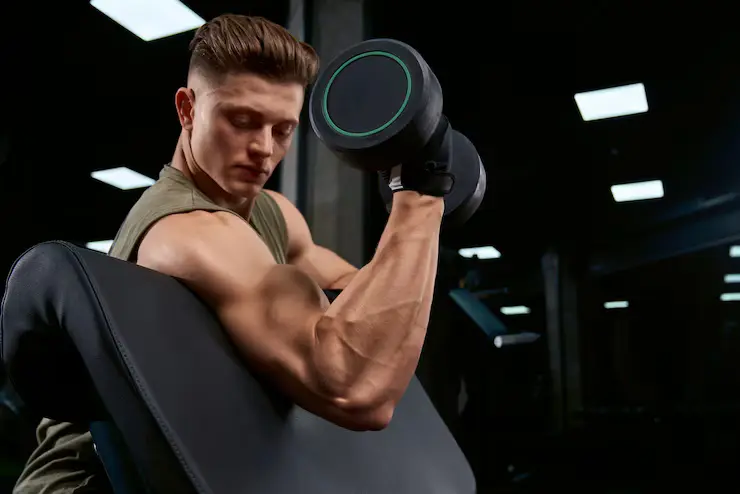
    • Incline dumbbell curls: the incline angle puts the long head under a greater stretch at the bottom, which research links to superior hypertrophy in that head
    • Concentration curls: the braced elbow position isolates the bicep and maximises the peak contraction at the top
    • Cable curls (low pulley): Maintain constant tension throughout the range of motion, unlike free weights which lose tension at the bottom
    • Spider curls: Chest-supported position eliminates momentum and keeps tension on the long head throughout
    • Hammer curls: Targets the brachialis muscle beneath the bicep, which pushes the bicep up and makes the peak appear higher

    Full Range of Motion

    Many people inadvertently limit their peak development by using partial reps. A full range of motion — extending the arm completely at the bottom and fully contracting at the top — recruits more muscle fibres and produces better hypertrophy. Partial reps have their place in advanced training, but should not be the default.

    Controlled Negatives

    The lowering (eccentric) phase of a curl causes the most muscle damage and drives the strongest growth response. Aim for 2–3 seconds on the way down on at least some of your sets, rather than letting the weight drop quickly.

    Supination at the Top

    On every dumbbell curl, actively rotate your wrist outward (supinate) as you reach the top of the movement. This maximises long head contraction and directly improves peak expression. It is a simple cue that most people overlook.

    Best Exercises to Maximise Your Bicep Peak

    Based on anatomy and the research on muscle hypertrophy, here is a practical weekly bicep routine structured specifically for peak development:

    Session A — Peak Focus (2 exercises)

    • Incline Dumbbell Curl: 4 sets × 8–10 reps — primary long head stimulus
    • Concentration Curl: 3 sets × 10–12 reps — peak contraction isolation

    Session B — Mass and Thickness (3 exercises)

    • Barbell Curl: 4 sets × 6–8 reps — compound overload for overall size
    • Hammer Curl: 3 sets × 10–12 reps — brachialis development (elevates bicep peak)
    • Cable Curl (low pulley): 3 sets × 12–15 reps — constant tension, strong pump

    Training at Nitro Gym gives you access to the equipment needed for every one of these exercises. Whether you train at our Dubai Silicon Oasis branch or our Al Barsha location, our facilities are fully equipped with adjustable benches, cable machines, and a full range of free weights to support structured arm training.

    Nutrition and Recovery

    Muscle growth does not happen during training — it happens during recovery. Your training is simply the stimulus; nutrition and rest are where the actual adaptation takes place.

    • Protein intake: Aim for 1.6–2.2 g of protein per kg of bodyweight per day. This is the range consistently supported by research for maximising muscle protein synthesis.
    • Caloric surplus: Building new muscle requires a slight caloric surplus (roughly 200–300 kcal above maintenance). Without this, your body lacks the energy substrate to synthesise new tissue.
    • Sleep: The majority of growth hormone release occurs during deep sleep. 7–9 hours per night is not optional — it is a training variable.
    • Training frequency: Research supports training each muscle group at least twice per week for optimal hypertrophy. Once per week is suboptimal for growth.

    How Long Does It Take to See Bicep Peak Progress?

    One of the most common reasons people give up on arm training is unrealistic expectations about timelines. Here is an honest, evidence-based breakdown:

    Timeframe What to Expect

    Weeks 1–4

    Weeks 5–8

    Months 3–6

    6–12 months

    1–2 years

    Neuromuscular adaptation — arms feel harder, pumps increase, no visible size yet

    First visible size gains — arm circumference increases by 0.5–1 cm

    Noticeable shape improvement — peak becomes more visible when flexed

    Significant transformation — size, definition, and peak markedly improved

    Full expression of genetic potential — peak maximised with proper training

    The most important number in this table is the 6–12 month mark. This is where the majority of visible transformation happens — but it requires consistent training, progressive overload, and adequate nutrition throughout. Skipping sessions, stalling on weights, or under-eating protein will all significantly extend these timelines.

    Progress Tracking Tips

    • Measure arm circumference at the same point each month (midpoint of the bicep, flexed)
    • Photograph under consistent lighting and from the same angle
    • Track your working weights across key exercises — strength gains reliably predict muscle gains
    • Be patient: meaningful changes take months, not weeks

    What Science Says

    The scientific literature on this topic is consistent and fairly unambiguous:

    • Muscle shape is predominantly genetic (Abe et al., 2011; Lauber et al., 2015) – the architecture of your muscle belly and tendon insertion points are heritable traits not modifiable by training.
    • Muscle size and strength are highly trainable across all genetic profiles. Studies consistently show that even individuals with disadvantaged muscle architecture can achieve substantial hypertrophy with appropriate training (Schoenfeld, 2010).
    • Stretch-mediated hypertrophy- recent research (Maeo et al., 2022; Kassiano et al., 2023) strongly supports training muscles in a lengthened position (e.g., incline curls) for superior long head development — directly applicable to peak training.
    • Body composition is the hidden variable. Most studies on arm aesthetics confirm that body fat percentage has a larger visual impact on perceived peak than genetic muscle architecture above approximately 15% body fat.

    Focus on Progress, Not Comparison

    Comparing your arms to others — especially online — is one of the fastest ways to demotivate yourself. Everyone has a different structure, muscle belly length, and hormonal profile. Instead, track your own numbers: are your curls getting heavier? Is your arm circumference growing? That is all that matters.

    Train Smarter at the Right Gym

    Whether you are a beginner or breaking through a plateau, training environment makes a real difference. At Nitro Gym, our best gym in Silicon Oasis and Gym in Al Barsha offer full equipment, structured programmes, and experienced trainers to help you build the best arms your genetics allow.

    FAQs

    Yes. Training increases muscle size, and a bigger muscle creates a more visible peak regardless of genetics. Hammer curls also build the brachialis, which pushes the bicep upward.

    Incline dumbbell curls. They fully stretch the long head, which drives the most peak-building growth. Concentration curls are a strong second.

    Most people notice definition improvements within 5–8 weeks. Visible peak improvement takes 3–6 months, and significant transformation requires 6–12 months of consistent training and nutrition.

    No. Heavy weights (6–10 reps) build mass, but moderate weights (10–15 reps) with strict form and full range of motion often produce better peak development. Use both.

    Significantly. Dropping to 12–15% body fat reveals far more peak than size alone. If your arms feel muscular but look flat, body composition is the first thing to address.

    Good genetics means a shorter muscle belly and lower tendon insertion — creating a sharper peak when flexed. Longer bellies produce a fuller, wider arm. Neither is bad; they just look different.

    Summing Up

    Genetics sets the ceiling, but most people never come close to reaching it. Prioritise incline curls and concentration curls, add hammer curls for thickness, train with full range of motion, and stay consistent for 6–12 months. Your genetics are a starting point — what you build from here is up to you.

  • Why Am I Losing Muscle? Causes & Top Ways to Prevent It

    Why Am I Losing Muscle? Causes & Top Ways to Prevent It

    Muscle loss can be a concerning issue. At times, it can occur due to age and underlying health conditions, but the worst can be because of lifestyle habits. Individuals who have seated jobs and limited movements are at higher risk of facing this condition. Let’s dive deeper into this and understand the effects of muscle loss.

    Types of Muscle Loss

    Muscle loss, also known as muscle atrophy, refers to the gradual reduction of muscle mass. Before we talk about the root causes, let’s understand the three common types of muscle loss.

    • Disuse Atrophy: This is caused by immobilization or prolonged inactivity. Lack of movement, sedentary behaviour or even bed rest during an injury can cause this kind of muscle loss.
    • Neurogenic Atrophy: This is a more severe form of muscle loss, often caused by nerve-related conditions such as neuropathy, or sclerosis.
    • Sarcopenia: Muscle loss can also occur due to hormonal changes and aging.

    Disuse and sarcopenia can be treated and reversed with proper training and nutrition. Neurogenic muscle loss can be controlled but is a little difficult to reverse with lifestyle changes alone.

    Main Causes of Muscle Loss

    Muscle loss or muscle atrophy can occur due to a number of reasons. Here are the common causes:

    • Aging: As mentioned above, aging is one of the biggest factors. Researchers even suggest that an average individual loses 3-8% of their muscle mass every decade. This is the reason why it is suggested to take your health seriously.
    • Health Condition: From diabetes to arthritis, and kidney disease to neuropathy, all these conditions can have a significant impact on your body and muscle mass. If you’ve been diagnosed with any chronic health condition, make sure to take the necessary precautions. Adopt a healthy lifestyle and do proper strength training. Chronic illness impact can be much more severe. So, it’s necessary to adopt the right lifestyle pattern.
    • Sedentary Lifestyle: Does your job involve prolonged periods of sitting? Or your kid have limited movements throughout the day? If you or anyone in your family does not have an active lifestyle, they will have to face sedentary lifestyle effects. Note that inactivity can lead to muscle breakdown throughout the day.
    • Poor Nutrition: Inadequate protein and nutritional growth can also lead to significant muscle loss.
    • Rapid Dieting and Weight Loss: If you want to lose weight, you should do it mindfully. Calorie deficit without proper nutrition can lead to muscle loss and impact your overall health as well.
    Why Am I Losing Muscle? Causes & Top Ways to Prevent It

    How to Prevent Muscle Loss?

    Here are a few things you can do to prevent excessive muscle loss.

    • Balanced Diet: Whether you’re on a weight loss or following any other specific diet, make sure to consume a healthy balanced meal. Ensure you’re consuming enough calories to support your activity level.
    • Increase Protein Intake: Protein intake importance is often neglected. Consuming adequate amounts of protein can not only help prevent muscle loss; it can even help with effective weight management. Try to add protein sources to each meal.
    • Strength and Resistance Training: Exercise regimens for strength maintenance are essential. Indulge resistance training in your routine at least 2-3 times per week. Also, incorporate regular cardio to maintain overall health. Use resistance bands, or include more bodyweight exercises like squats and lunges. Strength training plan should be customised as per an individual’s body and concerns. you can get a consultation an experts and get a customised training plan. trainers will even help with a proper diet plan, aiding you achieve a healthy lifestyle.
    • Stay Active: Even if you have to miss out on gym or resistance training, make sure that you’re physically active. Incorporate walking, yoga, or other recreational activities to maintain mobility.
    • Manage Stress and Sleep Well: Stress can be one of the underlying reasons behind muscle breakdown. You may be having the right diet and following the right workout regimen. But stress and lack of sleep can take a negative toll altogether. Try meditation or participate in any activity of your choice to manage stress. Make sure to sleep well for at least seven to eight hours.

    Take Charge of Your Health and Prevent Muscle Loss

    Note that you’re not alone in suffering with this. Muscle loss is a common but preventable condition. By incorporating proper nutrition, and focusing on strength training, you can fight this.

    Whether you’re in your 30s or beyond, adopt healthy lifestyle habits. If you have any underlying chronic health condition, make sure to get it treated properly. Besides, have patience and do not have unrealistic expectations. Muscle maintenance requires a long-term commitment to exercise and nutrition. Be consistent with your efforts and lead towards a healthy lifestyle. Take charge of your health today for a better tomorrow.

  • How to Cut Body Fat Without Losing Muscle

    How to Cut Body Fat Without Losing Muscle

    Fat loss is not an easy journey for everyone. While many people lose fat easily, there are many who struggle with other issues. Making multiple lifestyle shifts in your diet and exercise routine can even lead to other concerns. For instance, shedding off fat is a big concern. Drastic calorie deficit or excessive cardio is never good for your body. Before you get on this journey, you need to understand that fat loss requires strategic planning and the right balance of nutrition + training.

    Do not fall into the trap of those gimmicky products. The key is to understand the process and follow everything mindfully. Let’s explore more and understand how you can achieve a toned body without losing unnecessary muscle.

    Understanding the Science behind Fat Loss & Muscle Retention

    Well, you may be wondering why we are emphasizing retaining muscle. That’s because when you’re losing fat and unintentionally lose muscle, it can lead to a weaker body. When you’re on a calorie-deficit diet, you are consuming fewer calories than what you may burn. This way, your body may start utilising the stored fat to fulfil the energy demands. Losing muscles during fat loss can lead to a slower metabolism. Due to slowed metabolism, you may even regain weight quickly. You may not want to end up in this cycle of losing and gaining weight again. Therefore, you must mindfully maintain a moderate calorie deficit.

    In addition to this, you must engage in resistance training to stimulate muscle retention. You can find multiple equipment at Nitro gyms in Silicon Oasis but you should always avoid excessive steady-rate cardios. Always consult a trainer to understand how you can maintain an ideal fat loss without impacting your muscles.

    Nutrition and Meal Planning for Effective Fat Loss

    Here are some tips you must follow to maintain your nutrition and portion control for effective fat loss.

    • Create a Moderate Calorie Deficit: Every individual’s body is different and so should be your diet. Aim to create a calorie-deficient diet but do it gradually. Don’t cut down everything from your diet in one go as it may only lead to unnecessary cravings. Enrol for regular training in the Nitro gym at Silicon Oasis and ask your trainer to understand how you can balance diet and training.
    • Prioritise Protein Intake: Consume 1.2-2.2g of protein per kg of body weight daily. This not only maintains muscle retention but can help you in multiple other ways. If you do regular exercise at gym, it becomes even necessary to ensure you’re taking proper protein in your diet. You must even consider adding an additional protein drink to your diet. Look for healthy and unsweetened protein powders.
    • Consume Healthy Fats and Control Portions: Many people make this mistake and avoid adding any kind of fats to their diet. Well, this can be the biggest mistake. Try to incorporate healthy fats and smart carbs in your diet to fuel workouts and sustain energy levels. Additionally, you must learn portion control. If you are eating healthy, it doesn’t mean you can consume in large quantities. Use portion control to avoid overeating.
    • Plan and Prep Meals in Advance: A lot of people lose track of their fat-loss journey because of their busy schedules and lack of time to prep meals. Meal prepping can be a saviour. Prepare dips, and base in advance to manage your time and prevent unhealthy eating choices.
    • Optimise Pre and Post-Workout Nutrients: What you are eating before and after workouts can have a significant difference in your journey. Focus on adding carbs and proteins before workouts to boost your performance. Nitro gym in DSO provides access to proper workout routines and trainers will guide you at every step of the way.
    • Stay Hydrated: Drink plenty of water to support metabolism and digestion. You should even include healthy drinks and other juices.

    Combining Exercise with Diet

    Calorie deficit can help shed fat, but you need to exercise well to ensure you do not lose your muscles. Regular exercise will ensure you do not regain weight and will make it easier to sustain long-term fat loss. Here’s all you should do for optimal fat-loss results.

    • Nutrition and Exercise: A Powerful Combination – Strength training is necessary to preserve muscles. Prioritise resistance training and focus on compound movements such as squats, pull-ups and bench presses. You should also include cardio workouts for fat loss. Walk or cycle every day for around 30-40 minutes.
    • Recovery: A lot of people miss out on the recovery phase. Make sure you sleep well and get enough rest days. Manage stress as it can hinder your fat loss and muscle growth phase.

    Understand that fat loss is not about not having any particular thing. It is about doing everything mindfully. Besides, you should even make up your mind as it will help you get rid of unnecessary cravings.

  • Understanding Spine Tolerance- A Guide for Weightlifters

    Understanding Spine Tolerance- A Guide for Weightlifters

    Weightlifting is a fantastic way to get stronger and healthier, but it’s crucial to know that your spine, the bones in your back, plays a big role in how well you can lift weights safely. Understanding something called “spine tolerance” is like knowing how much your back can handle while you lift weights. In this easy-to-understand guide, with insights from personal trainers at Nitro Gym in Al Barsha & DSO, we’ll explore what spine tolerance means and why it’s super important for anyone who lifts weights. We’ll also learn how to keep your back safe and strong during your workouts.

    What is Spine Tolerance?

    Picture your spine as the star athlete of your body’s team, and spine tolerance is its MVP status. It’s like your spine’s incredible power to handle all the exciting challenges of weightlifting and other activities with ease. Picture your spine as the star athlete of your body’s team, and spine tolerance is its MVP status. It’s like your spine’s incredible power to handle all the exciting challenges of weightlifting and other activities with ease.

    Spine tolerance refers to the ability of your spinal column to withstand and adapt to the stresses placed upon it during various activities, including weightlifting. It encompasses the strength, stability, and flexibility of your spine. Developing a high spine tolerance is crucial for long-term progress in the gym.

    Importance of Spine Tolerance in Weightlifting

    When you’re lifting weights, especially during moves like squats, deadlifts, and overhead presses, your spine takes center stage. Having a strong spine tolerance is like having a superhero shield for a few great reasons:

    1. Injury Prevention

    A spine that’s both strong and flexible is less likely to get hurt. Spine tolerance helps prevent things like strains and hernias, so you can stay injury-free.

    2. Performance Boost

    When your spine tolerance is high, you can lift more weight and do exercises with top-notch form. This means you can get even stronger and build more muscle.

    3. Fitness for Life

     Taking care of your spine while lifting weights means you can enjoy the benefits of weightlifting for a long, long time. Your fitness journey can be a lifelong adventure!

    Boosting Your Spine Tolerance in Weightlifting

    Getting your spine tolerance up and running is a step-by-step journey that needs a few important things. Here’s the easy way to make it happen:

    • Get Your Moves Right: Always make sure you’re using the right techniques and forms, even if it means not lifting super heavy weights. The right form keeps your spine safe.
    • Take It Slow and Steady: Don’t rush! Gradually increase the weight you lift over time. This slow and steady progress helps your spine get stronger and your muscles grow.
    • Core Power: Work on building a strong core – those are the muscles that help your spine stay strong and steady. Think of it as your body’s natural support system during lifts.
    • Stay Flexible: Include stretches or yoga to keep your spine flexible. It’s like giving it a bit of a stretch and helping it stay nimble and ready for action.

    Common Spine Issues in Weightlifting

    Understanding common spine issues that can arise from improper weight lifting practices is essential

    1. Herniated Discs

     If you round your back when lifting, especially during deadlifts, you might end up with something called a herniated disc. That’s not fun, so be mindful of your form!

    2. Spondylolisthesis

    This is when one vertebra slips over another, and it can happen if you’re not squatting properly. So, always pay attention to your squat technique.

    3. Strains and Sprains

     If you load up your spine without giving it the care it needs, you might experience strains and sprains in your back muscles. Take it slow, build up, and stay safe!

    Your spine is the backbone of your weightlifting journey, both figuratively and literally. Developing a high spine tolerance through proper form, progressive overload, core strength, and flexibility is essential for your success and long-term health as a weightlifter. By prioritizing spine tolerance, you can enjoy the benefits of weightlifting while reducing the risk of injury. Always consult with a fitness professional or healthcare provider if you have concerns about your spine health or technique in the gym. For personalized guidance, consider seeking advice from experienced trainers at Nitro Gym in Silicon Oasis and Al Barsha.

  • 60 Kg Bar Crushes Weightlifter in the UAE- What You Need to Know! 

    60 Kg Bar Crushes Weightlifter in the UAE- What You Need to Know! 

    In the pursuit of a healthier lifestyle and a well-toned physique, many individuals opt for home gyms. While this provides convenience, it also comes with a responsibility to ensure safety. Let’s delve into a heartbreaking incident that took place in a home gym drawing crucial lessons for beginners and seasoned fitness enthusiasts alike.

    The Day It All Went Wrong

    Recently, a weightlifter met with a devastating accident that serves as a stark reminder of the risks associated with home workouts. During a solo workout session, a heavy metal bar fell on his neck, leading to his untimely death. This unfortunate incident underscores the importance of safety precautions in any gym, especially one at home.

    Lesson 1: Start Slow and Gradually Increase Weight

    For beginners, the excitement of embarking on a fitness journey can lead to impatience. Many make the mistake of starting with heavy weights without proper conditioning. This tragedy emphasizes the need to begin with lighter weights and gradually progress as your strength and technique improve. Consult a fitness professional or seek guidance online to create a suitable workout plan.

    Lesson 2: Never Compromise on Form

    Proper form and technique are non-negotiable when it comes to lifting weights. It’s crucial to prioritize form over weight, as poor technique can lead to serious injuries. Beginners should take the time to learn correct lifting techniques and never rush through exercises.

    Lesson 3: Don’t Workout When Exhausted

    Exhaustion is a dangerous state to be in when working out. Fatigue can compromise your judgment, coordination, and strength, making accidents more likely. Listen to your body and avoid workouts when you’re overtired. Rest and recovery are essential aspects of any fitness regimen.

    Lesson 4: Invest in Safety Equipment

    Inspect your gym equipment regularly to ensure it’s in good condition. Faulty or worn-out equipment can be a significant hazard. A routine check can prevent accidents like the one we mentioned.

    Lesson 5: Consider a Workout Buddy

    Working out alone in a home gym can be isolating, but it can also be risky in case of emergencies. If possible, find a workout buddy, or let someone know when you’re exercising, so they can check in on you.

    Additionally, incorporating gym spotting techniques can add an extra layer of safety to your workouts. Having a spotter can be a lifesaver in uncertain situations, providing you with the assurance that someone is there to help if needed.

    The tragic incident in the home gym reminds us that safety should come first in fitness. No matter if you’re just starting out or an experienced athlete, these lessons are important. By starting slow, prioritizing form, avoiding exhaustion, maintaining equipment, and considering safety measures like a workout buddy, we can ensure our home gym experiences are both effective and secure. Let’s honor the memory of the weightlifter by staying safe and making our fitness journeys injury-free.

  • A Beginner’s Guide to Bodybuilding for Women

    A Beginner’s Guide to Bodybuilding for Women

    The Complete Beginner’s Guide to Bodybuilding for Women

    Are you a woman ready to transform your body and take your fitness to the next level? Whether you’ve been lifting casually or stepping into the weight room for the very first time, bodybuilding offers an incredibly rewarding journey — one that builds not just muscle, but discipline, confidence, and lasting strength. This guide walks you through everything you need to know to start strong.

    A Beginner’s Guide to Bodybuilding for Women - nitro gym

    Why More Women Are Embracing Bodybuilding

    Female bodybuilding has seen remarkable growth over the past few decades, and for good reason. Women across the world are ditching the myth that lifting heavy makes you “bulky” and discovering an empowering truth instead: structured strength training reshapes your body, boosts metabolism, and builds a level of physical confidence that no cardio machine can match.

    The journey from beginner to competitive bodybuilder is challenging — but with the right mindset, a solid plan, and expert guidance, it is absolutely achievable. The key is knowing where to start.

    Step 1: Work With a Qualified Personal Trainer

    The single most impactful decision a beginner female bodybuilder can make is investing in a personal trainer. Here is why it matters more than any supplement or online workout plan:

    • Personalized programming tailored to your body type, fitness level, and specific goals
    • Correct form and technique to prevent injuries right from your very first session
    • Custom nutrition and diet charts aligned with your bulking or cutting phase
    • Accountability and motivation on the days when your couch feels far more inviting than the gym
    • Consistent progress tracking to ensure you are always moving forward

    At Nitro Gym, one of the most well-equipped gyms in Al Barsha, experienced personal trainers work closely with female athletes at every level. From building your first workout plan to preparing you for the competition stage, the coaches at Nitro Gym — many of whom are competition champions themselves — are committed to guiding every step of your bodybuilding journey.

    Step 2: Master the Two Phases of Bodybuilding Training

    Every effective bodybuilding program revolves around two core training phases. Understanding these before you begin will save you months of guesswork.

    • Bulking Phase — The goal here is to build maximum muscle mass. You will consume a controlled calorie surplus while focusing on progressive overload in your lifts. This phase can last several weeks to months depending on your individual goals and starting point.
    • Cutting Phase — Once you have built your desired muscle, cutting begins. This phase uses a calorie deficit combined with cardio and high-intensity interval training to reduce body fat while preserving hard-earned muscle.

    For beginners, machines are an excellent starting point. They guide your body into correct movement patterns, reducing injury risk while you build confidence and coordination. As strength develops, free weights open up deeper muscle engagement and greater gains.

    Step 3: Build Your Diet Around Your Training

    Nutrition is not secondary to training — it is equally critical. Every meal should balance carbohydrates, protein, and healthy fats, adjusted based on your current phase. Prioritize quality protein sources such as lean chicken, fish, eggs, and low-fat dairy. Plant-based athletes can build impressive physiques using legumes, lentils, seeds, nuts, and plant-based protein powders. If hitting your daily protein target through food alone is a struggle, protein shakes are a practical and effective addition.

    Finding the right calorie and macronutrient balance takes time and adjustment. Be patient, stay consistent, and trust the process.

    FAQs

    Yes. Starting with machines, guided by a certified trainer, makes it completely safe and highly effective for beginners at any fitness level.

    Most women notice visible changes in tone and strength within 8 to 12 weeks of consistent training and proper nutrition.

    Yes. Bodybuilding requires heavy-duty equipment not found in every gym. Nitro Gym, one of the top gyms in Al Barsha, is fully equipped with everything needed for serious strength training.

    Stay Consistent — Results Are Built One Rep at a Time

    Muscle does not grow overnight. The women who succeed in bodybuilding are not always the most genetically gifted — they are the most consistent. Track your lifts, adjust your intensity regularly, and never underestimate the power of quality rest and recovery between sessions.

Call Now Button