
Functional Training vs Traditional Bodybuilding: Which is Better for Your Goals?
Functional training benefits are often discussed when people start exploring smarter ways to train. However, many still find themselves choosing between functional training and a bodybuilding workout without fully understanding what each approach delivers. Both methods can be effective, but they serve very different outcomes. The real question is not which one is better overall, but which one actually aligns with how you want your body to perform.
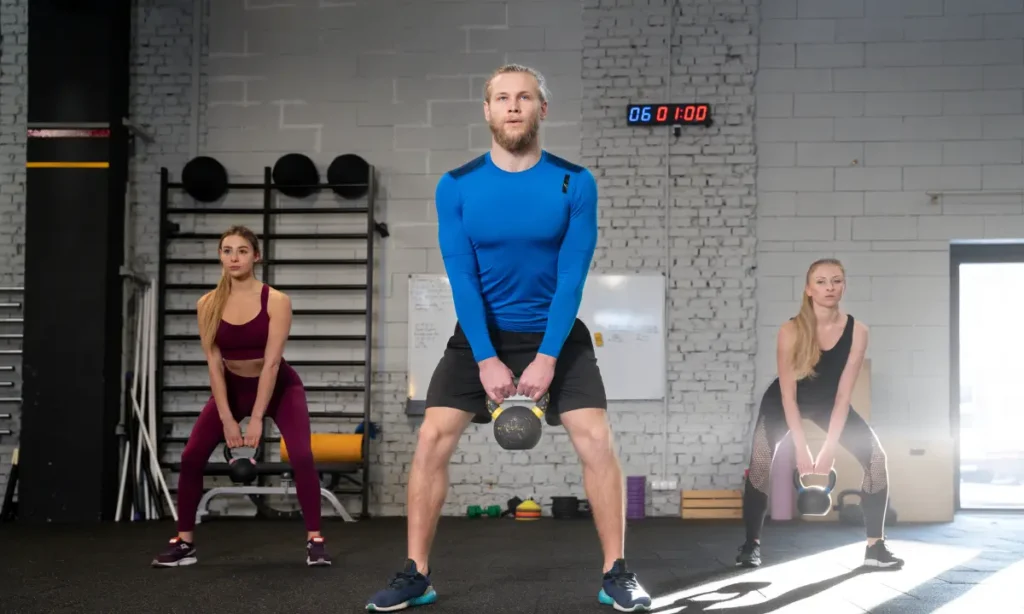
Functional Training: What does it focus on?
Here’s what functional training focuses on:
Movement-Based Training
Exercises in functional training often mimic real-life actions, such as lifting, pushing, pulling, and rotating. This means the strength you build in the gym directly translates into how you move outside it. One of the key functional training benefits is that it improves how efficiently your body handles everyday physical tasks.
Strength, Stability, and Mobility Together
Functional training also combines balance, coordination, and flexibility. This creates a more adaptable body, one that can handle different types of movement without strain. Over time, these functional training benefits help reduce the risk of injuries, especially for individuals who lead active or demanding lifestyles.
Practical Performance Over Appearance
Functional training is less about how muscles look and more about how they perform. You may not always see dramatic size gains, but you will notice improvements in endurance, posture, and control.
Traditional Bodybuilding: What does it focus on?
Here’s what the traditional bodybuilding approach focuses on:
Muscle Isolation and Growth
A bodybuilding workout is designed to target specific muscle groups. Each exercise isolates a particular muscle, allowing it to be trained with precision. This approach is highly effective for increasing muscle size and improving definition.
Structured Training Approach
Bodybuilding routines are typically split into specific days, chest, back, legs, and arms, allowing focused training for each muscle group. This structured system makes it easier to track progress and progressively increase intensity.
Aesthetic-Driven Results
If your primary goal is to build muscle mass, improve symmetry, and enhance overall physique, a bodybuilding workout provides a clear and proven path. The results are visible and measurable.
Which One is Better for Your Goals?
If your primary goal is to build muscle mass, improve symmetry, and enhance overall physique, a bodybuilding workout provides a clear and proven path. The results are visible and measurable.
The decision is rarely about choosing one over the other; it’s about understanding what your body actually needs.
- If your goal is to move better, stay injury-free, and build strength that supports your daily life, functional training makes more sense. The functional training benefits in this case go beyond the gym and improve overall movement quality.
- If your goal is to build visible muscle, increase size, and work towards a specific physique, then a bodybuilding workout is more aligned with that outcome.
However, many people today are no longer choosing one approach exclusively. They combine both: using strength-focused sessions for muscle development while incorporating functional exercises to improve mobility and control. This balanced approach allows you to maximise functional training benefits without compromising on muscle growth.
For those training regularly at Nitro Gym in Al Barsha, this combination is often the most practical. With access to both functional training zones and strength equipment, it becomes easier to build a routine that supports both performance and aesthetics.
Common Mistakes When Choosing Between the Two
One of the biggest mistakes people make is choosing a training style based on trends rather than personal goals.
Focusing only on muscle size while ignoring mobility can lead to stiffness and imbalance. On the other hand, avoiding structured strength training altogether can limit muscle development.
Another common issue is following random workout plans without understanding how the body adapts. Without a clear direction, even consistent effort may not lead to meaningful results.
FAQs
It depends on your goal. Functional training benefits support movement and flexibility, while bodybuilding focuses on muscle size and definition.
Yes, combining both can help improve overall strength, mobility, and muscle development.
A balanced approach that includes both methods often delivers better long-term results.
Summing Up
There is no single “better” approach that works better for your goals. While bodybuilding builds muscle and structure, functional training improves how your body performs as a whole. The key is to train with intent. By understanding your priorities and applying the right mix of training methods, you can build a routine that not only delivers results but also supports long-term strength and movement efficiency.