
Category: Workout Tips

  • Gym Workouts for Building Explosive Power

    Gym Workouts for Building Explosive Power

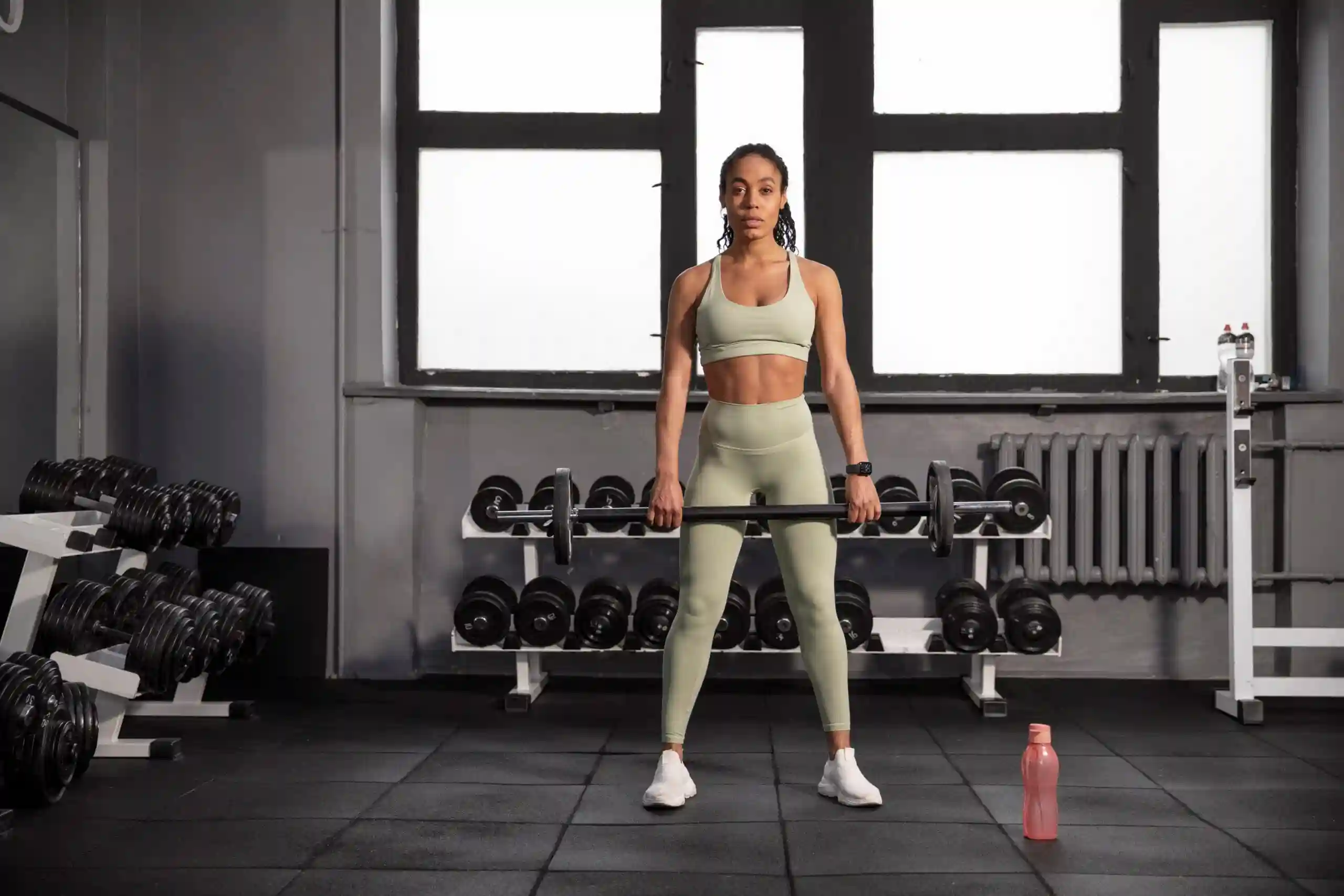
    Building explosive power is essential for athletes and fitness enthusiasts looking to improve their performance in sports and high-intensity activities. At Nitro Gym in Al Barsha and Dubai Silicon Oasis (DSO), we specialize in helping you achieve your fitness goals with personalised workout plans. Explosive power workouts focus on maximizing strength, speed, and agility. Here’s how you can incorporate these workouts into your routine to improve your explosive power.

    What is Explosive Power?

    Explosive power combines strength and speed to generate maximum force in the shortest amount of time. This is important for activities that require sudden bursts of energy, such as sprinting, jumping, and lifting. Developing explosive power improves your overall athletic performance and helps prevent injuries by improving muscle coordination and stability.

    Key Components of Explosive Power Workouts

    1. Plyometrics: Plyometric exercises are designed to increase your speed and power through dynamic movements. These exercises involve rapid stretching and contracting of muscles to build explosive strength.
    2. Strength Training: Strength training forms the foundation of explosive power. Focusing on heavy lifts and compound movements increases muscle mass and strength, which is essential for generating power.
    3. Speed and Agility Drills: Speed and agility drills improve your ability to move quickly and change direction efficiently. These drills increase your reaction time and overall athleticism.
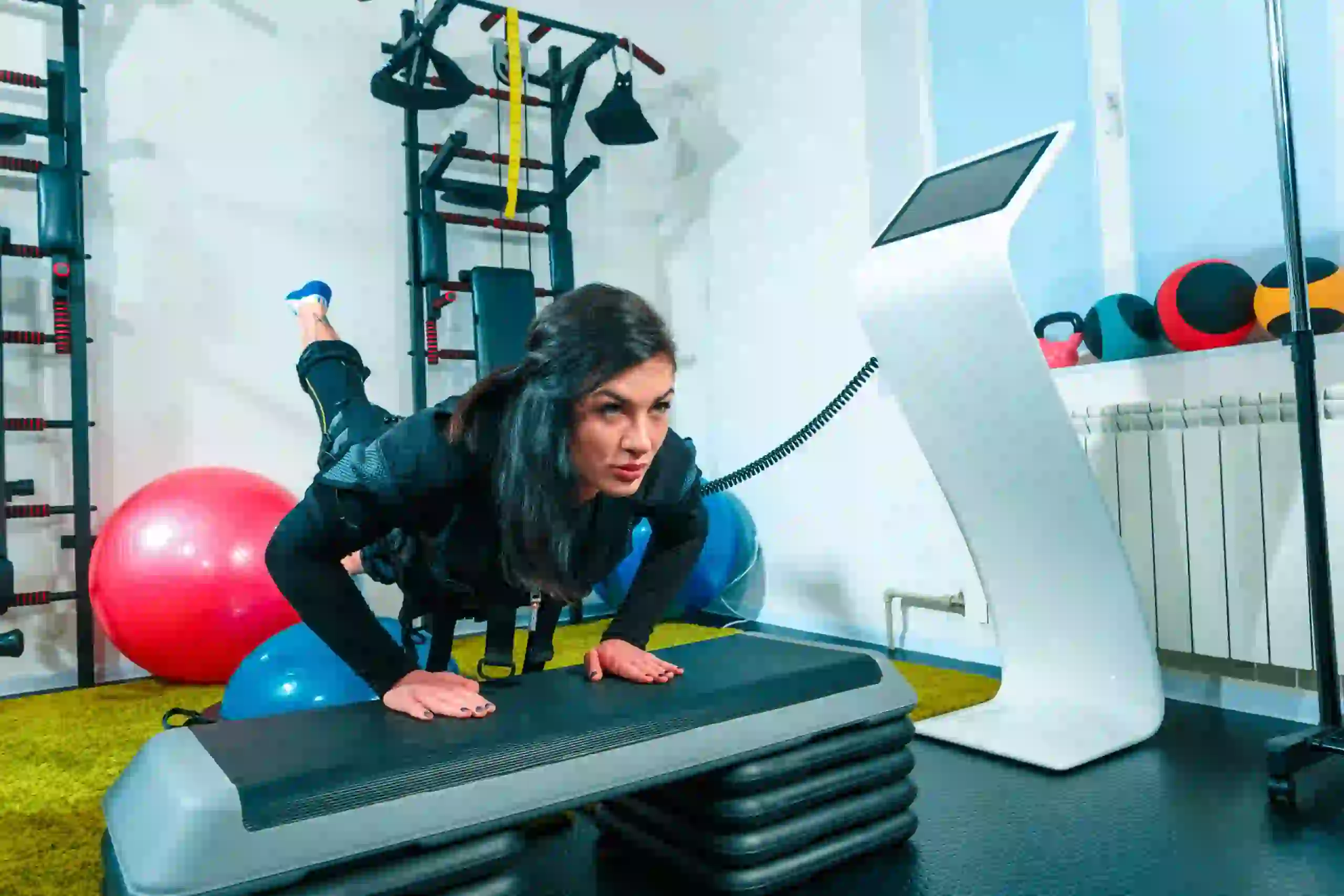
    4. Core Stability: A strong core is important for transferring power from your lower to upper body. Core stability exercises increase your ability to perform explosive movements with control and precision.

    Sample Workout Plan for Explosive Power

    1. Warm-Up:
      • Dynamic stretches (leg swings, arm circles)
      • Light jogging or skipping (5-10 minutes)
      • Mobility drills (hip circles, shoulder rolls)
    2. Plyometric Exercises:
      • Box Jumps: 3 sets of 10 reps
      • Depth Jumps: 3 sets of 8 reps
      • Broad Jumps: 3 sets of 8 reps
      • Medicine Ball Slams: 3 sets of 12 reps
    3. Strength Training:
      • Squats: 4 sets of 6 reps
      • Deadlifts: 4 sets of 6 reps
      • Bench Press: 4 sets of 6 reps
      • Power Cleans: 4 sets of 5 reps
    4. Speed and Agility Drills:
      • Sprints: 5 sets of 20 meters
      • Ladder Drills: 4 sets (varying patterns)
      • Cone Drills: 4 sets (T-drill, shuttle run)
    5. Core Stability Exercises:
      • Plank Holds: 3 sets of 1 minute
      • Russian Twists: 3 sets of 20 reps
      • Hanging Leg Raises: 3 sets of 15 reps
    6. Cool Down:
      • Static stretching (hamstrings, quads, calves, shoulders)
      • Foam rolling (5-10 minutes)

    Tips for Maximizing Your Explosive Power Workouts

    • Progressive Overload: Gradually increase the intensity and volume of your workouts to continuously challenge your muscles and stimulate growth.
    • Proper Form: Focus on maintaining proper form to prevent injuries and ensure you’re effectively targeting the right muscle groups.
    • Recovery: Allow adequate time for recovery between workouts. Explosive power training is intense and requires your muscles to repair and grow.
    • Nutrition: Fuel your body with a balanced diet rich in protein, carbohydrates, and healthy fats. Proper nutrition supports muscle recovery and growth.
    • Consistency: Stay consistent with your training routine. Regular practice and dedication are key to developing explosive power.

    Conclusion

    Building explosive power takes time, dedication, and the right workout plan. At Nitro Gym in DSO and Al Barsha, we provide the expertise and equipment to help you achieve your fitness goals. Incorporate plyometrics, strength training, speed drills, and core stability exercises into your routine to improve your explosive power. Remember to prioritize proper form, recovery, and nutrition to maximize your results. Start your explosive power journey with Nitro Gym and experience the transformation in your athletic performance.

  • Seasonal Fitness: Adapting Your Workout for Summer and Winter

    Seasonal Fitness: Adapting Your Workout for Summer and Winter

    Seasonal Fitness: How to Adapt Your Workout for Summer and Winter

    Most people treat their workout routine as a fixed, year-round prescription, same exercises, same schedule, same intensity regardless of what is happening outside. But the reality is that seasonal changes have a direct impact on your body, your energy levels, and your performance. Adapting your fitness routine to match the demands of summer and winter is not optional, it is smart training. Here is exactly how to do it, with expert guidance from the team at Nitro Gym.

    Seasonal fitness-Fitness-tips-different seasons

    Why Seasonal Fitness Adaptation Matters

    Your body does not perform the same way in July as it does in January. Heat affects hydration, cardiovascular strain, and recovery. Cold affects muscle elasticity, joint mobility, and motivation. Ignoring these changes leads to suboptimal performance at best and preventable injuries at worst. The athletes and gym-goers who make consistent year-round progress are the ones who train with the season, not against it.

    Summer Fitness Tips: Train Smart in the Heat

    Summer brings longer days, higher temperatures, and plenty of opportunity for outdoor training, but it also demands greater awareness and preparation.

    Hydration Comes First

    In high temperatures your body loses significantly more fluid through sweat. Increase your water intake before, during, and after every session. For longer workouts or outdoor activities, electrolyte-rich drinks help replenish the minerals your body loses alongside that fluid. Dehydration is the fastest way to derail a summer training session.

    Time Your Workouts Wisely

    The peak heat of the day, typically between 11 am and 3 pm, is the worst time to train outdoors. Schedule your sessions for early morning or late evening when temperatures are cooler. This simple adjustment dramatically reduces your risk of heat exhaustion while keeping performance levels high.

    Dress and Protect Yourself

    What you wear in summer training matters more than most people realize. Here is what to keep in mind:

    • Choose light-colored, breathable, moisture-wicking fabrics that allow sweat to evaporate efficiently
    • Apply broad-spectrum SPF 30 sunscreen to all exposed skin, even on cloudy days
    • Wear a hat and UV-protective sunglasses to shield your face and eyes during outdoor sessions
    • Cool down properly after every workout – a slow walk, stretching, or a cold shower helps your body temperature return to normal safely

    Embrace Outdoor Training Opportunities

    Summer is ideal for activities like running, cycling, swimming, and hiking. These not only provide variety and fresh motivation but also give you a natural dose of vitamin D. Always be mindful of heat levels and take breaks in shaded areas whenever needed.

    Winter Fitness Tips: Stay Consistent When It Gets Cold

    Cold weather is one of the most common reasons people abandon their fitness routines. With the right approach, winter can actually be one of your most productive training seasons.

    Warm Up Longer and More Thoroughly

    Cold temperatures make muscles and joints significantly stiffer than usual. Rushing into intense exercise without an adequate warm-up dramatically increases your injury risk. Extend your warm-up to at least 10 to 15 minutes, combining light cardio with dynamic stretching to raise your core temperature and loosen your joints before any serious training begins.

    Layer Up for Outdoor Training

    Dressing correctly for winter workouts keeps your body performing at its best. Start with a moisture-wicking base layer to keep sweat away from your skin, add an insulating mid-layer for warmth, and finish with a windproof and waterproof outer layer to protect against the elements.

    Adapt Your Training Environment

    ,When outdoor conditions are too harsh, move your training indoors without hesitation. At Nitro Gym, both our gym in DSO and gym in Barsha are fully equipped for every type of training, from cardio machines and resistance equipment to group fitness classes and personal training sessions. Both locations are open 24 hours a day, 7 days a week, so winter weather never has to interrupt your routine.

    General Tips That Apply to Both Seasons

    Regardless of the time of year, these principles keep your training productive and sustainable throughout every seasonal shift.

    Listen to Your Body

    Your body communicates constantly. Pay attention to how it responds to different weather conditions and adjust your training intensity and duration accordingly. Pushing through genuine weather-related discomfort is never worth the setback of an avoidable injury.

    Set Seasonal Goals

    Use the transition between seasons as a natural opportunity to reset your fitness targets. A summer running goal or a winter strength milestone gives your training fresh purpose and keeps motivation consistently high throughout the year.

    Eat With the Season

    A balanced diet rich in seasonal produce supports every fitness goal. In summer, prioritize hydrating foods like watermelon, cucumber, and citrus fruits. In winter, focus on nutrient-dense options like sweet potatoes, leafy greens, and warming protein-rich meals that fuel intense training sessions.

    FAQs

    It can be, with the right precautions. Train during cooler morning or evening hours, stay well hydrated, wear appropriate clothing, and always listen to your body. If the heat feels overwhelming, move your session indoors.

    Set a specific winter fitness goal, train with a partner, and use a fully equipped indoor gym like Nitro Gym’s gym in DSO or gym in Barsha. Having a structured plan and a consistent environment removes the reliance on motivation alone.

    Yes. Summer calls for more hydrating, lighter foods while winter training benefits from calorie-dense, nutrient-rich meals that fuel higher-intensity sessions and support recovery in colder conditions.

    Train Year-Round at Nitro Gym

    Seasonal changes should never be a reason to fall off your fitness routine. At Nitro Gym, our certified personal trainers at our gym in DSO and gym in Barsha help you adapt your training plan to every season, keeping you progressing, motivated, and injury-free no matter what the calendar says. With world-class facilities and expert coaching available around the clock, Nitro Gym is your year-round fitness partner.

  • A Guide to Managing and Preventing Common Gym Injuries: Sprains, Strains, and Overuse Injuries

    A Guide to Managing and Preventing Common Gym Injuries: Sprains, Strains, and Overuse Injuries

    How to Prevent and Manage Common Gym Injuries: Expert Tips from Nitro Gym

    Are gym injuries slowing down your progress or stopping you from training altogether? Sprains, strains, and overuse injuries are among the most common setbacks gym-goers face, yet the majority of them are entirely preventable with the right approach. Gym injuries don’t discriminate they affect beginners who push too hard too soon and experienced lifters who skip recovery just as readily. At Nitro Gym, our certified trainers at the gym in Al Barsha and gym in DSO have helped hundreds of members train smarter, recover faster, and stay consistently injury-free. Here’s what you need to know.

    Prevention- Common Gym Injuries

    What Are the Most Common Gym Injuries?

    Before jumping into prevention, it helps to understand what you’re up against:

    • Sprains occur when ligaments are stretched or torn, often from sudden movements or poor landing mechanics.
    • Strains involve pulled or torn muscles, typically caused by lifting too heavy or skipping warm-ups.
    • Overuse injuries develop gradually from repeating the same movements without adequate rest common in runners, weightlifters, and high-frequency trainers.

    Understanding these gives you the foundation to protect yourself every time you step into the gym.

    Expert-Backed Tips to Prevent Gym Injuries

    1. Warm Up Before Every Session

    A proper warm-up prepares your muscles and joints for the demands of exercise. Spend 5–10 minutes on dynamic stretches, light cardio like jogging or jumping jacks, and mobility drills targeting the areas you’ll be training. Skipping this step is one of the most common mistakes beginners and experienced gym-goers alike make.

    2. Master Proper Form First

    Incorrect technique is the leading cause of gym injuries. Whether you’re performing a deadlift, a squat, or a simple dumbbell curl, doing it wrong puts stress on the wrong structures. If you’re unsure about your form, ask a certified trainer especially when starting a new exercise.

    3. Progress Gradually

    More is not always better. Increasing your workout volume too quickly more weight, more sets, or more frequency — overloads your muscles and connective tissue before they’re ready. Follow the 10% rule: increase intensity by no more than 10% per week to allow your body to adapt safely.

    4. Build in Rest Days

    Rest is not weakness it’s how your body gets stronger. Here are key practices to support recovery:

    • Schedule at least one to two rest days per week to allow muscle repair and growth.
    • Use active recovery on rest days – yoga, swimming, or walking keeps blood flowing without overloading your joints.
    • Prioritise sleep, as this is when most tissue repair happens.
    • Stay hydrated and eat enough protein to fuel muscle recovery between sessions.
    • Listen to early warning signs – persistent soreness or stiffness often precedes a more serious injury.

    5. Cross-Train to Reduce Overuse Risk

    Doing the same workout day after day wears down specific muscles and joints. Mixing strength training, cardio, stretching, and balance work distributes the load across your body, lowers overuse injury risk, and keeps your fitness routine engaging.

    6. Use the Right Equipment

    Worn-out shoes, a damaged bench, or a faulty cable machine can easily cause injury. Invest in quality footwear suited to your activity, check that gym equipment is properly functioning, and replace worn gear before it becomes a hazard.

    7. Cool Down and Stretch After Training

    Ending your workout with a 5–10 minute cool-down and stretching routine reduces post-workout stiffness and improves flexibility over time. Hold each stretch for 15–30 seconds without bouncing, focusing on the major muscle groups you trained.

    8. Seek Professional Help When Needed

    If you feel persistent pain, sharp discomfort, or swelling during or after exercise, don’t push through it. Consult a physiotherapist, doctor, or certified trainer promptly. Early intervention prevents minor issues from becoming chronic problems.

    FAQs

    Delayed onset muscle soreness (DOMS) feels like a dull ache that peaks 24–48 hours after exercise and fades within a few days. An injury typically causes sharp, localised pain during activity, swelling, or discomfort that persists or worsens if in doubt, stop training and consult a professional.

    It depends on the severity. Minor strains may allow light activity within a few days, while moderate-to-severe injuries can require several weeks of rest and rehabilitation. Always get a proper assessment before returning to training to avoid re-injury.

    While no method guarantees zero injuries, beginners can dramatically reduce their risk by starting with lighter weights, focusing on form over load, following a structured programme, and working with a qualified trainer — especially in the first few months.

    Train Smart, Stay Safe

    Preventing gym injuries comes down to consistency in the small things: warming up, using good form, resting enough, and listening to your body. At Nitro Gym, whether you visit our gym in Al Barsha or our gym in DSO, our expert team is here to help you train effectively and stay injury-free for the long haul.

    Your fitness journey should be measured in years, not interrupted by avoidable setbacks. Train smart, recover well, and keep showing up.

  • Safely Increasing Weight and Resistance in Your Workouts: A Guide for Beginners

    Safely Increasing Weight and Resistance in Your Workouts: A Guide for Beginners

    Starting a workout routine is a great step towards improving your health and fitness, but knowing how to safely increase weight and resistance as you progress is essential for avoiding injury and maximizing results. In this blog, we’ll explore some tips and strategies to help beginners safely increase weight and resistance in their workouts, ensuring steady progress and long-term success.

    Start Slowly

    When you’re new to working out, it’s best to start with lighter weights and less resistance. This helps your muscles and joints get used to the exercises. 

    Begin with weights that feel easy for you, so you can focus on doing the exercises correctly. It’s like learning the right way to do something before making it harder. Once you’ve gotten the hang of it, you can think about adding more weight or resistance.

    Gradually Increase Weight

    Once you feel like you’ve gotten used to the weights and resistance you’re using in your workouts, it’s time to make things a bit tougher. You can do this by adding a little more weight or resistance, bit by bit. 

    For example, you could add around 5-10% more weight every one to two weeks. This way, your muscles have time to get stronger without feeling overwhelmed. It’s like giving your muscles a little challenge to keep them growing stronger without pushing them too hard all at once.

    Listen to Your Body

    When you start lifting heavier weights or adding more resistance to your workouts, it’s important to listen to your body. If you feel any pain, discomfort, or if you feel really tired during or after your workouts, it might mean you’re doing too much. In that case, it’s a good idea to take a break and lighten the weight or resistance. 

    Focus on doing the exercises correctly, and once you feel more comfortable, you can try adding more weight again. It’s like giving yourself a chance to get stronger without risking injury by overdoing it.

    Focus on Form

    Making sure you’re doing exercises the right way is super important. It helps you avoid getting hurt and makes your workouts more effective. Before you start lifting heavier weights or adding more resistance, make sure you’re doing each exercise correctly. 

    You can do this by working with a trainer who knows what they’re doing or watching videos that show you the right way to do things. Nitro Gym in Al Barsha & DSO has personal trainers to help you in the process of getting fitter. It’s like learning the proper way to do something before trying to do it harder or faster.

    Incorporate Progressive Overload

    Progressive overload means making your muscles work a little harder over time to help them grow stronger. Besides just adding more weight, you can also make things tougher by doing more repetitions or sets of exercises, or trying harder versions of the exercises you already do. 

    It’s like giving your muscles different challenges to keep them growing and getting stronger. So, try out new things and keep pushing yourself to keep seeing progress in your workouts.

    Allow for Adequate Recovery

    Muscles need time to repair and grow stronger after challenging workouts. Make sure to schedule rest days into your routine to allow for adequate recovery. Also, prioritize proper nutrition, hydration, and sleep to support muscle recovery and overall well-being.

    Conclusion

    Safely increasing weight and resistance in your workouts is essential for making progress and achieving your fitness goals. By starting slowly, gradually increasing weight, focusing on form, and listening to your body, beginners can safely and effectively challenge their muscles while minimizing the risk of injury. Remember to be patient, stay consistent, and celebrate your progress along the way. With dedication and hardwork, you’ll continue to grow stronger and reach new heights in your fitness journey.

  • Gym in Your Pocket: Mastering Anywhere Workouts with Effective Bodyweight Exercises

    Gym in Your Pocket: Mastering Anywhere Workouts with Effective Bodyweight Exercises

    In this busy world, finding time to hit the gym can be a challenge. However, the key to a fit and healthy lifestyle may be right at your fingertips – literally. Bodyweight exercises offer a convenient and effective way to stay in shape, regardless of your location. Let’s explore the benefits and techniques of various bodyweight exercises that can transform any space into your personal workout haven. This comprehensive guide will transform any space into your personal workout area, guided by the expertise of trainers at Nitro Gym in Al Barsha and DSO.  

    Squats

    Begin your journey with the basic squat, an energetic exercise that targets multiple muscle groups. Whether you’re in a hotel room or your living room, squats provide an excellent lower body workout, increasing strength and flexibility.

    Push-Ups

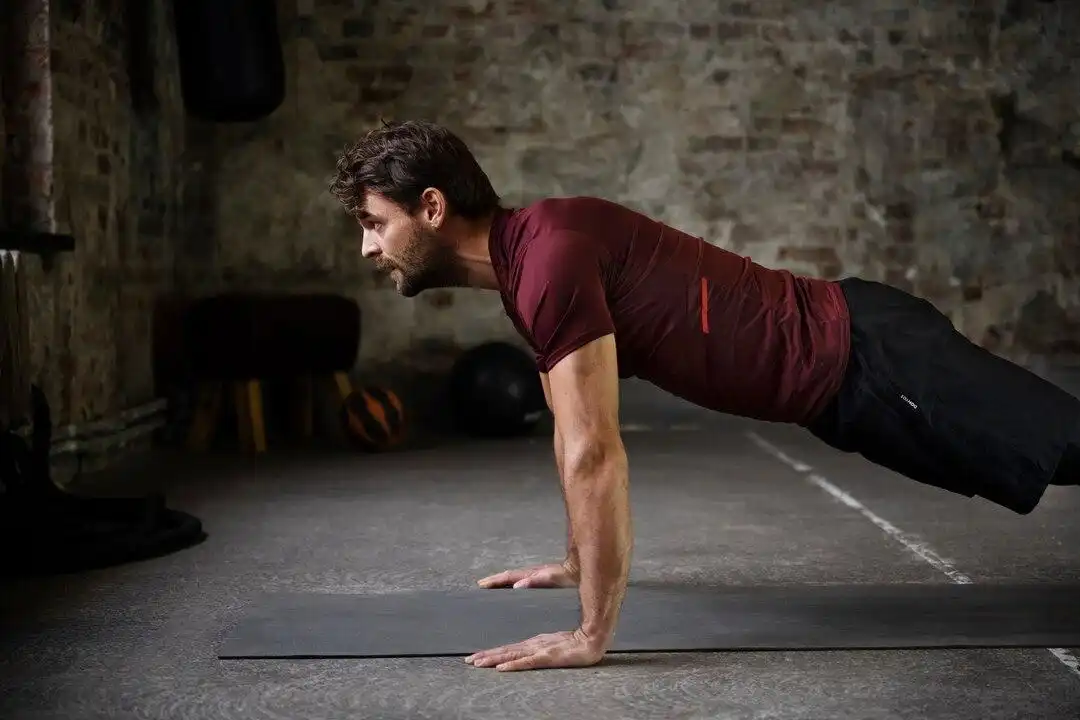
    No equipment? No problem. Push-ups are a timeless classic that engages your chest, arms, and core. Adjust the intensity by modifying hand placement, making it suitable for all fitness levels.

    Lunges

    Lunges are effective and can be executed anywhere. Increase heart rate, improve balance, and sculpt your legs with forward, reverse, or lateral lunges. A simple yet effective exercise for toning and strengthening your lower body.

    Plank

    Engage your core and build strength with the plank. This static exercise not only targets your abdominal muscles but also improves posture and stability. Customize your plank routine by incorporating side planks and variations.

    Burpees

    A full-body workout in one super movement, burpees are a challenging yet rewarding exercise. Boost cardiovascular fitness, burn calories, and build strength with this high-intensity exercise that requires no equipment.

    Jumping Jacks

    Bring back childhood memories with jumping jacks. This simple yet effective exercise improves your heart rate, enhances cardiovascular health, and engages multiple muscle groups. An excellent warm-up or cardio option for any location.

    Tricep Dips

    Focus on your arms with tricep dips. Utilize a sturdy surface like a chair or bench to target the back of your arms. Strengthening your triceps not only contributes to overall arm definition but also aids in functional movements.

    Mountain Climbers

    Combine cardio and core work with mountain climbers. This exercise boosts metabolism, improves agility, and targets your abdominal muscles. Perfect for a quick and efficient full-body workout.

    Wall Sits

    Transform any blank wall into your workout partner with wall sits. This isometric exercise strengthens your quads, hamstrings, and glutes. A great option for building lower body endurance and stability.

    Leg Raises

    Isolate and sculpt your abdominal muscles with leg raises. This floor exercise can be performed virtually anywhere. Modify the challenge by incorporating variations like flutter kicks or scissor kicks.

    Plank to Downward Dog

    Blend yoga-inspired movements into your routine with plank to downward dog transitions. This flow engages your core, shoulders, and hamstrings while promoting flexibility. An excellent combination of strength and flexibility training.

    Jump Squats

    Take your squats to the next level with jump squats. This explosive exercise not only strengthens your lower body but also provides a cardiovascular boost. Add intensity to your workout and torch calories with each explosive jump.

    Flutter Kicks

    Wrap up your bodyweight workout with flutter kicks, targeting your lower abs and hip flexors. This simple yet effective exercise contributes to a well-rounded core routine. Control your movements to maximize effectiveness and minimize strain.

    The “Gym in Your Pocket” concept proves that a lack of gym access is no longer an excuse to neglect your fitness goals. With these effective bodyweight exercises, you can transform any space into your personal workout space. Whether you’re a seasoned fitness enthusiast or a beginner, incorporating these exercises into your routine will keep you on track to achieve and maintain a fit and healthy lifestyle. Embrace the simplicity, versatility, and effectiveness of bodyweight workouts, and make fitness a seamless part of your daily life.

  • Amp Up Your Abs: Effective Core Workouts for a Stronger Midsection

    Amp Up Your Abs: Effective Core Workouts for a Stronger Midsection

    Building a strong midsection isn’t just about wanting those toned abs; it’s about creating a foundation for overall strength and stability. Let’s look deep into effective core workouts that go beyond appearances and contribute to your overall fitness journey.

    Understanding Core Strength

    When we talk about the core, we’re referring to the muscles in your abdomen, lower back, hips, and pelvis. These muscles work together to support your spine, provide stability, and allow you to move in various directions. Achieving a strong midsection goes beyond aesthetic goals – it improves your overall physical well-being.

    Plank Variations

    Planks are a fundamental exercise for core strength. Start with a basic plank and gradually add variations like side planks, plank jacks, and plank twists. These variations engage different muscle groups, targeting not only your abs but also your obliques and lower back. Remember to maintain proper form, keeping your body in a straight line from head to heels.

    Bicycle Crunches

    Bicycle crunches take traditional crunches up a notch. This dynamic exercise engages both the upper and lower abs while also working on your obliques. Focus on controlled movements, bringing your elbow to the opposite knee. This helps improve flexibility and coordination.

    Russian Twists

    Seated on the floor, lift your legs slightly and twist your torso to touch the floor on either side. Russian twists engage your obliques and help improve rotational strength, a crucial component of a well-rounded core workout. Control the movement to maximize effectiveness.

    Leg Raises

    Lie on your back and raise your legs toward the ceiling, engaging your lower abs. Control the movement on the way down to maximize effectiveness. To add challenge, perform leg raises using an incline bench or stability ball. This targets your lower abs and improves overall core stability.

    Mountain Climbers

    Combine cardio with core work by incorporating mountain climbers into your routine. This dynamic exercise not only targets your abs but also boosts your heart rate, making it a time-efficient addition to your workout. Maintain a plank position while bringing your knees toward your chest in a running motion.

    Superman Exercise

    Lie face down and lift your arms and legs simultaneously, engaging your lower back and glutes. The Superman exercise strengthens the entire posterior chain, contributing to overall core stability. This is beneficial for maintaining balance and preventing injuries.

     Hollow Body Hold

    Mastering the hollow body hold challenges your entire core. Lie on your back, lift your legs and upper body off the ground, forming a “U” shape. Focus on keeping your lower back pressed into the floor to maximize engagement. This exercise targets both the upper and lower abs, promoting overall core strength.

    Medicine Ball Exercises

    Incorporate medicine balls for added resistance. Russian twists, wall throws, and overhead slams with a medicine ball can intensify your core workout, requiring stability and coordination. These exercises are effective in challenging your core muscles from various angles.

    Stability Ball Rollouts

    Kneel in front of a stability ball, place your hands on the ball, and roll it forward, extending your body. Rollouts engage your entire core and challenge your stability, emphasizing control throughout the movement. This exercise is particularly effective for targeting the deep core muscles.

    Pilates Movements

    Explore Pilates-inspired movements like the hundred, scissors, and double leg stretch. These exercises focus on controlled, precise movements, promoting flexibility and strength in your core muscles. Pilates is known for its emphasis on the mind-body connection and can contribute to improved posture and overall core stability.

    Incorporate Cardio

    While targeted core exercises are essential, don’t overlook the importance of cardiovascular exercises. Running, cycling, or jumping rope contributes to overall fat loss, revealing the sculpted abs underneath. Combine core-specific workouts with regular cardio sessions for comprehensive results.

    Consistency is Key

    Building a strong midsection takes time and consistency. Aim for a well-rounded core routine at least 2-3 times per week, gradually increasing intensity as your strength improves. Consistency is key to seeing progress and reaping the benefits of a stronger, more resilient core.

    Achieving a stronger midsection involves a mix of targeted exercises, variations, and overall fitness strategies. Incorporate these effective core workouts into your routine, stay consistent, and watch your abs amp up for a stronger, more resilient core. For more tips and personalized workout routine, don’t hesitate to get in touch with the personal trainers at Nitro Gym DSO or Al Barsha. Remember, it’s not just about looks; it’s about building a foundation for a healthier and more capable you.

  • Hydration Hacks! Tips for Drinking Smart During Tough Workouts

    Hydration Hacks! Tips for Drinking Smart During Tough Workouts

    Hydration Hacks: Tips for Drinking Smart During Tough Workouts

    Are you pushing hard in the gym but still feeling fatigued, cramped, or underperforming mid-session? The most overlooked performance variable in fitness isn’t your programme or your nutrition it’s hydration during workouts. When you exercise intensely, you lose fluid and electrolytes through sweat at a rate that directly impacts strength output, endurance, cognitive function, and recovery. Getting hydration right before, during, and after training is one of the simplest and most impactful improvements any gym-goer can make.

    At Nitro Gym, our certified trainers at the gym in Al Barsha and gym in DSO consistently see the difference between members who hydrate strategically and those who don’t. Here’s exactly how to drink smart during your toughest sessions.

    Hydration Hacks During Workouts

    1. Understand Your Individual Hydration Needs

    Hydration isn’t one-size-fits-all. Your daily fluid requirements are influenced by body weight, age, training intensity, session duration, and environmental conditions. In Dubai’s climate, where heat and humidity accelerate sweat rate significantly baseline requirements are higher than standard global guidelines suggest.

    As a starting point, aim for 2.5–3.5 litres of water daily on training days. Increase this further during UAE summer months or if training at higher intensities. Your body’s signals thirst, urine colour, energy levels are practical real-time indicators of hydration status.

    2. Pre-Hydrate Before Every Session

    Arriving at the gym already dehydrated is one of the most common performance limiters. By the time you feel thirsty, dehydration has already begun to affect your output. Start hydrating 2–3 hours before training with approximately 500–600ml of water, then drink another 200–250ml in the 20–30 minutes immediately before your session begins.

    This pre-hydration phase prepares your cardiovascular system, regulates starting body temperature, and ensures your muscles have the fluid they need to contract effectively from the first set.

    3. Replace Electrolytes, Not Just Water

    Intense training doesn’t just deplete water; it depletes sodium, potassium, and magnesium lost through sweat. Replacing water without replacing electrolytes creates an imbalance that causes muscle cramping, impaired nerve function, and the fatigue that water alone won’t resolve.

    Here’s how to manage electrolytes effectively during tough workouts:

    • For sessions under 60 minutes: Water alone is sufficient for most people training at moderate intensity.
    • For sessions over 60 minutes: Add a low-sugar electrolyte drink or coconut water to replace sodium and potassium lost through sweat.
    • For high-intensity or outdoor training: Increase electrolyte intake further, particularly in UAE summer conditions where sweat rate is significantly elevated.
    • Natural sources: Coconut water, bananas, and a small pinch of sea salt in water are effective, affordable alternatives to commercial sports drinks.
    • Avoid high-sugar sports drinks: The blood sugar spike and subsequent crash can impair the latter stages of your session more than mild dehydration would.

    4. Sip Consistently During Training

    The most effective hydration strategy during exercise is consistent sipping rather than large volumes consumed infrequently. Drink 200–300ml every 15–20 minutes during your session adjusting upward for higher intensity, longer duration, or warmer conditions.

    Keep a water bottle within reach throughout your workout. Members who have to walk to a water fountain mid-session drink less consistently and perform worse in the latter half of their training. A reusable bottle at your station removes this friction entirely.

    5. Rehydrate Strategically After Training

    Fluid loss continues after you rack the last weight and leave the gym floor. Post-workout rehydration is essential for recovery, muscle protein synthesis, and readiness for your next session. A practical method: weigh yourself before and after training. For every 0.5kg of body weight lost, drink 500–600ml of fluid to restore balance.

    Don’t rely on water alone post-workout pair it with a protein and carbohydrate meal within 30–60 minutes to support muscle repair and glycogen replenishment simultaneously.

    6. Monitor Your Hydration Status Daily

    Urine colour is the most accessible daily hydration indicator:

    • Pale yellow: Well hydrated, maintain current intake. 
    • Dark yellow or amber: Dehydrated, increase fluid intake before your next session. 
    • Clear: Potentially overhydrated, ease back on fluid consumption.

    Check first thing in the morning and again mid-afternoon. Consistently dark urine across the day means your baseline intake is insufficient, not just your workout hydration.

    7. Adjust for Conditions and Workout Type

    As training intensity, duration, and environmental conditions change, hydration needs change with them. A 30-minute strength session in an air-conditioned gym requires significantly less fluid than a 90-minute HIIT session or an outdoor run in Dubai’s summer heat. Build the habit of adjusting your intake based on what the session actually demands not a fixed daily target that ignores these variables.

    Frequently Asked Questions

    How do I know if I'm dehydrated during a workout?

    Early signs include increased perceived effort, reduced concentration, dry mouth, and mild headache. More significant dehydration produces dizziness, muscle cramping, and noticeably reduced strength output. If any of these appear mid-session, stop, hydrate, and rest before continuing pushing through significant dehydration increases injury risk.

    Is it possible to drink too much water during a workout?

    Yes. Hyponatremia dangerously low blood sodium caused by excessive water intake without electrolyte replacement is a real risk, particularly during endurance events. Sip consistently rather than drinking large volumes rapidly, and include electrolytes during sessions over 60 minutes to maintain mineral balance.

    Does coffee or pre-workout count toward my daily fluid intake?

    Moderate caffeine contributes to total fluid intake, but its mild diuretic effect means it’s less hydrating than plain water. High-caffeine pre-workouts should be accompanied by additional water rather than counted as your primary hydration source for the session.

    Drink Smart, Train Better

    Hydration during workouts is a performance variable not an afterthought. Pre-load before sessions, sip consistently throughout, replace electrolytes on longer efforts, and rehydrate strategically after training. In Dubai’s climate, these habits matter more than anywhere else.

    At Nitro Gym, whether you train at our gym in Al Barsha or our gym in DSO, our certified trainers are here to help you personalise your hydration strategy alongside your training programme because the smallest habits compound into the biggest results over time.

  • Dance Like Nobody’s Watching: The Joy of Dance Workouts

    Dance Like Nobody’s Watching: The Joy of Dance Workouts

    Dance Like Nobody’s Watching: The Joy of Dance Workouts

    What if your workout didn’t feel like a workout at all? For millions of people who dread the treadmill, avoid the weights section, and struggle to stay consistent at the gym, a dance workout offers something genuinely different a way to move your body, burn calories, build cardiovascular fitness, and actually enjoy every minute of it.

    At Nitro Gym, our group fitness coaches at the gym in Al Barsha and gym in DSO see the same thing consistently: members who dance their way to fitness stay more consistent, recover faster emotionally from tough weeks, and show up with a level of energy that traditional training sessions rarely produce. Here’s why dance workouts deserve a place in your fitness routine.

    Dance Workouts- Joy and Fitness in Every Move

    Why Dance Workouts Work (Beyond Just Being Fun)

    Cardio in Disguise

    One of the most significant benefits of a dance workout is the cardiovascular load it delivers without feeling like traditional cardio. A 45–60 minute dance session can burn 300–600 calories depending on intensity, style, and body weight comparable to moderate-intensity running or cycling. The difference is that the engagement with music, movement, and choreography means most participants are working at a higher intensity than they would on a treadmill because the enjoyment masks the effort.

    Mind-Body Coordination

    Dance training develops neuromuscular coordination the connection between what your brain intends and what your body executes. Following choreography in real time improves reaction speed, spatial awareness, balance, and cognitive agility. Research shows that regular dance activity supports brain health, reduces cognitive decline risk, and improves mood through the dual engagement of physical movement and mental pattern recognition.

    Stress Reduction and Emotional Wellbeing

    Exercise in general reduces cortisol and releases endorphins but dance adds a layer that most gym-based exercise doesn’t. The combination of music, social connection, creative expression, and rhythmic movement produces a stress-reduction response that goes beyond the standard post-workout endorphin release. Members who join group dance sessions consistently report improved mood, reduced anxiety, and better sleep quality.

    What to Expect From a Dance Workout

    No Experience Required

    The most common barrier to joining a dance class is the fear of looking foolish. Here’s the reality: every person in that class has felt exactly the same way, and the environment in a well-run group fitness session is deliberately non-judgmental. Instructors in quality group fitness programmes build sessions around accessible choreography that anyone can follow regardless of previous dance experience.

    A Style for Everyone

    Dance workouts are not one-size-fits-all. Here’s what’s available across different styles and what each delivers:

    • Zumba: Latin-inspired dance cardio combining salsa, merengue, and cumbia. High energy, accessible, and excellent for cardiovascular fitness.
    • Hip-hop dance fitness: Urban choreography set to contemporary music. Builds coordination, rhythm, and explosive power.
    • Aerobic dance: Structured cardio choreography at moderate intensity. Ideal for beginners or those returning to exercise.
    • Salsa and Latin dance: Partner or solo Latin styles that develop footwork, hip mobility, and timing.
    • Bollywood fitness: High-energy, expressive dance style with strong cardiovascular demands and cultural richness.
    • Dance HIIT: Dance choreography structured around high-intensity interval protocols for maximum calorie burn.

    The Community Dimension

    One of the strongest predictors of long-term fitness consistency is social connection and group dance workouts build this more naturally than almost any other fitness format. Training alongside others who share a class, laugh at the same missed steps, and celebrate improvement creates a sense of belonging that motivates attendance in a way that solo gym sessions rarely do.

    Members who join group dance sessions at Nitro Gym often form friendships that extend well beyond the fitness floor and those social ties become one of the strongest reasons they keep showing up week after week.

    Frequently Asked Questions

    Can a dance workout replace traditional gym training?

    For cardiovascular fitness, weight management, and general health yes. For building muscle mass or maximal strength, dance workouts work best alongside resistance training rather than as a complete replacement.

    How many calories does a dance workout burn?

    A moderate 45-minute session burns 250–400 calories. High-intensity styles like Zumba or dance HIIT can reach 500–600 calories comparable to jogging at moderate intensity.

    Is a dance workout suitable for complete beginners?

    Yes. Classes are designed for all experience levels. Instructors break choreography into simple steps and build gradually the focus is movement and enjoyment, not perfection. Most beginners feel comfortable within 2–3 sessions.

    Move More, Enjoy More

    A dance workout isn’t a compromise on fitness  it’s a different path to the same destination. Cardiovascular health, calorie burn, improved coordination, stress reduction, and consistent motivation are all achievable through dance, often more sustainably than through training formats people dread and eventually abandon.

    At Nitro Gym, whether you train at our gym in Al Barsha or our gym in DSO, our group fitness programmes are designed to make movement something you look forward to. Put on those dancing shoes, turn up the volume, and find out what fitness feels like when it’s genuinely enjoyable.

  • Morning vs. Evening Workouts: Finding the perfect Exercise Time

    Morning vs. Evening Workouts: Finding the perfect Exercise Time

    The alarm rings, and you have to decide whether to get out of bed and work out first thing in the morning or to put off finishing the day’s chores until the evening. The perfect time to work out has long been a topic of discussion. While some people find comfort in their evening workouts, others swear by the energizing boost of early workouts. Let’s examine the benefits and drawbacks of working out in the morning and the evening to help you choose the best time to work out for your fitness objectives.

    Morning Workouts

    Advantages

    1. Kickstart Your Metabolism: Exercise in the morning increases your metabolism and aids in calorie burning all day. This may be very helpful for maintaining or losing weight.
    2. Consistency: You can make sure you work out regularly by creating a morning regimen. Early in the day is usually when workout plans are least affected by chores and distractions. 
    3. Improved Focus and Productivity: Endorphins are released when you exercise, and they improve your mood and mental clarity. Working exercise first thing in the morning can help you feel more alert and focused.
    4. Improved Sleep: Regular morning exercise can lead to a better sleep routine. It can regulate your circadian rhythm, ensuring you’re tired when it’s time to sleep.

    Disadvantages

    1. Body Temperature: In the morning, your body temperature is lower, which might lead to increased stiffness and reduced flexibility during workouts.
    2. Time Constraints: It can be difficult for some people to fit in an early workout before work or other commitments. 

    Evening Workouts

    Advantages

    1. Increased Body Temperature: The evening is when your body temperature is usually the highest, which enhances muscle performance and flexibility.
    2. Reduced Risk of Injury: When you work out in the evening, your body is more alert and awake, which reduces the chance of getting hurt.
    3. Performance Enhancement: Studies suggest that lung function, muscle strength, and reaction times peak in the late afternoon and early evening, potentially leading to improved workout performance.
    4. Stress Relief: After a demanding day, working out in the evening can help you reduce stress and sleep better.

    Disadvantages

    1. Time Commitment: Evening workouts can be affected by unexpected events, work overtime, or other commitments that arise during the day.
    2. Sleep Disruption: For certain people, intensive exercise too soon before bedtime can cause sleep disturbances. This varies, though, depending on the individual.

    The Circadian Rhythm Factor

    The argument over whether to work out in the morning or the evening is influenced by the body’s circadian rhythm. Numerous physiological processes, such as body temperature, alertness, and hormone levels, are regulated by this internal body clock. Since everyone’s circadian rhythm is different, it’s critical to pay attention to your body’s intuitive cues.

    For “morning people,” early workouts may align well with their circadian rhythms. They tend to feel more alert and energetic in the morning. On the other hand, “night owls” may experience better performance and motivation in the evening when their circadian rhythms are in full swing.

    The Perfect Exercise Time for You

    Finding the perfect exercise time is a personal journey. Here’s how to determine what works best for you:

    1. Listen to Your Body: Observe your mood, level of energy, and physical performance throughout the day.
    2. Set Realistic Goals: Think about your fitness goals. Exercise in the morning may be ideal for losing weight, while workouts in the evening may be better for building muscle or enhancing performance.
    3. Lifestyle and Routine: Choose a time that fits your daily routine and commitments. 
    4. Experiment: Don’t be afraid to try both morning and evening workouts to see which suits better with your body and lifestyle.
    5. Prioritize Sleep: Make sure you’re getting enough sleep to go along with the time you’ve chosen for exercise.

    If you’re looking for flexibility in your workout schedule, consider Nitro Gym in DSO. Open 24/7, it accommodates people on various duty shifts. Plus, the option of outdoor workouts in the early morning can let you enjoy the refreshing weather. This added benefit makes finding your perfect exercise time even more convenient.In conclusion, the debate over morning vs. evening workouts comes down to lifestyle and personal preference. Since the perfect time to exercise varies from person to person, there is no one correct answer. The optimal time to exercise is ultimately the one that you can maintain regularly, coincides with your fitness objectives, and gives you a boost of energy and motivation. Hence, find the time that works best for your body, whether you’re a night owl or a morning person. Make every workout count.

  • Fun and Engaging Workout Ideas for Couples

    Fun and Engaging Workout Ideas for Couples

    When it comes to staying fit and maintaining a healthy relationship, couples often find themselves juggling between separate fitness routines and quality time together. But what if there was a way to combine the two? Picture this: sweat dripping, laughter echoing, and an unbreakable bond forming as you and your partner embark on an exciting fitness journey together. In this blog post, we’ll dive into a collection of unique and engaging workout ideas by experts at Nitro Gym in Al Barsha and DSO, specifically designed for couples. Get ready to elevate your heart rate, challenge your bodies, and create unforgettable memories that will strengthen your connection in more ways than one.

    Partner Bodyweight Exercises

    Who said working out had to be a solo endeavor? Spice up your routine by incorporating partner bodyweight exercises. Imagine synchronized squats that not only engage your leg muscles but also require coordination and communication between you and your partner. Add some flair with push-up high fives or try holding plank positions while exchanging alternating high fives. These exercises not only promote physical strength but also foster teamwork and mutual support.

    Outdoor Activities

    Escape the monotony of indoor workouts and explore the great outdoors with your significant other. Outdoor activities offer a thrilling and refreshing twist to your fitness regimen. Whether you choose to hike picturesque trails, pedal through scenic routes on a tandem bicycle, or glide across the pavement on rollerblades, you’ll not only work up a sweat but also have the opportunity to connect with nature and each other on a deeper level. For the more adventurous couples, kayaking, paddleboarding, or rock climbing can provide an exhilarating challenge and an unmatched sense of accomplishment.

    Partner Yoga

    Yoga has long been celebrated for its ability to promote flexibility, balance, and mindfulness. Take your yoga practice to new heights by engaging in partner yoga. Explore a world of interconnected poses, where trust, communication, and synchronization are essential. Discover the beauty of partner backbends, where you support each other’s weight, or delve into the art of double downward dog for a unique twist on traditional poses. Partner yoga not only strengthens your bodies but also deepens your bond through shared vulnerability and mutual reliance.

    Team Sports

    Tap into your competitive spirit and ignite your passion for teamwork by participating in team sports together. Joining a recreational league allows you to combine the thrill of competition with the joy of spending quality time with your partner. Whether it’s dribbling a soccer ball down the field, shooting hoops on the basketball court, or spiking the ball in a volleyball match, the challenges and victories you experience together will undoubtedly create lasting memories and a stronger bond.

    Outdoor Circuit Workouts

    Break free from the confines of a traditional gym and embrace the great outdoors with invigorating circuit workouts. Design a dynamic circuit in your backyard or a local park, featuring a variety of exercises that target different muscle groups. Challenge each other with jumping jacks, lunges, squat jumps, and tricep dips, taking turns at each station while providing support and motivation. The changing scenery, fresh air, and shared determination will make your workout not only physically demanding but also invigorating and enjoyable.

    Ditch the conventional fitness routines and embark on a journey that not only strengthens your bodies but also fortifies your relationship. Assistance is available through Nitro Gym in DSO. By incorporating partner bodyweight exercises, engaging in outdoor activities, exploring partner yoga, participating in team sports, or immersing yourself in outdoor circuit workouts, you’ll unlock a world of possibilities where fitness and connection seamlessly intertwine. So grab your partner’s hand, embrace the excitement, and let your shared sweat and laughter pave the way for an extraordinary fitness adventure that will leave you with memories to cherish and a bond that can conquer anything!

Call Now Button