
Category: Workout Tips

  • Lifting Weights During Pregnancy – Safe Tips from Nitro Gym

    Lifting Weights During Pregnancy – Safe Tips from Nitro Gym

    Lifting Weights During Pregnancy: Safety Tips and Best Moves

    Staying active during pregnancy has many benefits, from reducing aches to improving sleep. But when it comes to lifting weights, it’s common to feel unsure. Is it safe? What movements should you avoid? How do you protect yourself and your baby? At Nitrogym, we believe moms-to-be deserve guidance that is safe, simple, and backed by expert knowledge. Whether you’re in your first trimester or nearing the finish line, this guide will help you move smartly and stay confident. Let’s break it down.

    Lifting Weights During Pregnancy

    Is It Safe to Lift Weights While Pregnant?

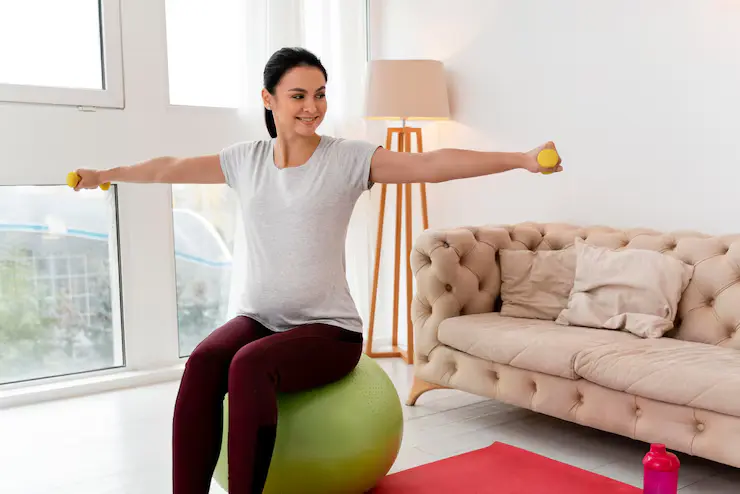
    In most cases, yes. Lifting weights during pregnancy is not only safe—it can actually help reduce back pain, build stamina for labor, and support better posture. However, it’s crucial to listen to your body and get a green light from your doctor before starting or continuing a routine.

    Key safety tips include:

    • Avoid heavy lifting or pushing yourself to fatigue.
    • Focus on form and control over intensity.
    • Skip exercises that involve lying flat on your back after the first trimester.
    • Stay hydrated and avoid overheating.
    • Use supportive footwear and stay aware of balance changes as your bump grows.

    Best Weight Lifting Moves During Pregnancy

    When done correctly, strength training can help you stay strong, energized, and comfortable throughout your pregnancy. Here are some of the most recommended moves:

    1. Bodyweight Squats                                                                                                                   

    Strengthens the glutes, hamstrings, and core—helpful for posture and balance.

    2. Seated Shoulder Press with Dumbbells                                                                                       

    Supports arm strength and posture, especially helpful for carrying your baby later on.

    3. Resistance Band Rows                                                                                                                       

    Great for strengthening the upper back and improving posture.

    4. Lunges (Static or Assisted)                                                                                                            

    Targets the legs and improves balance.

    5. Bicep Curls                                                                                                                                              

    Bicep Curls helps prepare for lifting your baby and everyday tasks.

    Tips for a Better Night’s Sleep and Mindful Relaxation                                                              

    Pregnancy can disrupt sleep due to discomfort, hormone shifts, and anxiety. Here’s how weight training and recovery can support better rest:

    • Stick to gentle movement in the late afternoon or early evening. Avoid intense workouts too close to bedtime.
    • Add light stretching or yoga before bed to calm the mind and body.
    • Practice deep breathing or meditation for 5–10 minutes before sleeping.
    • Use pillows for support—between knees, under the belly, and behind the back.

    Regular, safe exercise can improve sleep quality and lower stress hormones. Plus, it builds strength for the big day—and helps with recovery too.

    How Nitro Gym Supports Your Recovery Journey

    At Nitrogym, we understand that recovery is just as important as the workout. This is especially true during pregnancy and postpartum.

    Here’s how we support members through every phase:

    1. Recovery-Focused Facilities                                                                                                                

    Our Al Barsha – Lulu and Dubai Silicon Oasis locations feature dedicated recovery spaces, including:

    • Foam rolling zones
    • Stretching areas with mats and props
    • Access to personal trainers who can guide recovery sessions

    2. Expert Personal Training                                                                                                                        

    Our certified trainers have experience working with pregnant women and can:

    • Create custom strength plans suited to each trimester
    • Help modify movements for comfort and safety
    • Offer support after delivery to rebuild strength gently


    3. Calm, Friendly Environment                                                                                                             

    We know how important it is to feel safe and supported. At Nitrogym, you’ll find a welcoming space that values your pace and needs—no pressure, no judgment.

    If you’re searching for a Fitness Gym in Al Bashra that respects every member’s journey, you’ve found the right place.

    What to Avoid When Weight Training During Pregnancy

    It’s just as important to know what not to do. Stay away from:

    • Heavy lifting or anything that requires you to hold your breath (known as the Valsalva maneuver)
    • Crunches or sit-ups, which can put stress on your abdominal wall
    • Jumping or jerky movements
    • Hot environments that could lead to overheating
    • Contact sports or activities with fall risk (like cycling or skiing)


    And remember: if you feel dizzy, short of breath, or notice bleeding or cramping—stop immediately and contact your healthcare provider.

    Common Questions from Dubai Moms-To-Be

    Can I join a gym while pregnant?                                                                                                   

    Yes, especially one that understands pregnancy needs. Nitrogym welcomes pregnant members and offers guidance to support your comfort and health.

    How often should I work out?                                                                                                                              

    2–3 times per week is usually enough. Focus on consistency over intensity.

    What if I’ve never lifted weights before?                                                                                                

    No problem. Start slow, use bodyweight or light dumbbells, and work with a trainer to learn safe form.

    Nitro Gym: A Trusted Fitness Gym in Dubai Silicon Oasis

    If you’re looking for a Fitness Gym in Dubai Silicon Oasis that supports every stage of motherhood, Nitrogym is here for you. Our expert trainers, comfortable space, and recovery-focused setup make us a smart choice for expecting mothers.

    Plus, we’re proud to have a supportive community of women at both our Al Barsha – Lulu and Dubai Silicon Oasis branches who encourage each other and share their journeys.

    Whether it’s your first baby or your third, your body deserves care and respect—inside and outside the gym.

    Staying Strong and Safe Through Every Trimester

    Lifting weights during pregnancy isn’t just possible—it can be empowering, healthy, and helpful. With the right moves, a supportive gym like Nitrogym, and guidance from professionals, you can stay strong and prepare your body for motherhood. Always listen to your body, move with intention, and ask for help when needed. Whether you’re just starting or already lifting, Nitrogym is ready to walk this journey with you—one safe rep at a time.

  • Stretching Before VS After the Gym: What Science Say in 2025

    Stretching Before VS After the Gym: What Science Say in 2025

    Stretching Before VS After the Gym: What Science Says in 2025

    We’re here at Nitrogym, our gym in Silicon Oasis, to break down the science for you. Whether you’re a regular or just starting your wellness journey, you’ve probably heard a lot about stretching. But when is the best time to limber up? Before you hit the weights or after you crush your cardio? Science in 2025 has some pretty clear answers.

    Stretching Before VS After the Gym

    Why All the Fuss About Stretching?

    Think of your muscles like rubber bands. If they’re stiff and tight, they’re more likely to snap under pressure. Stretching helps keep them flexible and ready for action. This means a few awesome benefits for you:

    • Better Movement: Flexible muscles allow for a greater range of motion in your joints. This translates to better form during exercises, making your workouts more effective and safer.
    • Injury Prevention: When your muscles are more pliable, they can handle stress better, reducing the risk of strains and sprains.
    • Reduced Muscle Soreness: While it won’t completely erase that post-workout burn, stretching can help improve blood flow to your muscles, potentially easing some of that next-day stiffness.
    • Improved Posture: Regular stretching can help correct muscle imbalances that contribute to poor posture, making you stand taller and feel more confident.

    The Big Question: When Should You Stretch?

    The answer isn’t a one-size-fits-all. Science suggests that the type of stretching matters, and so does the timing.

    Get Moving with Dynamic Stretches Before Your Workout

    Think of dynamic stretches as active movements that warm up your muscles and prepare them for the work ahead. These aren’t your hold-it-for-30-seconds static stretches. Instead, they involve controlled movements that gradually increase your range of motion and blood flow.

    Examples of Dynamic Stretches:

    • Arm Circles: Gently swing your arms forward and backward in large circles.
    • Leg Swings: Swing one leg forward and backward, then side to side, keeping your core engaged.
    • Torso Twists: Stand with your feet shoulder-width apart and gently twist your upper body from side to side.
    • Walking Lunges: Step forward into a lunge, alternating legs.
    • High Knees: Jog in place, bringing your knees up high towards your chest.

    Why dynamic stretching before? Research indicates that performing static stretches (holding a stretch for a period) before your workout might actually decrease muscle power and performance. Dynamic stretches, on the other hand, get your muscles firing and ready to go.

    Cool Down and Lengthen: Static Stretches After Your Workout

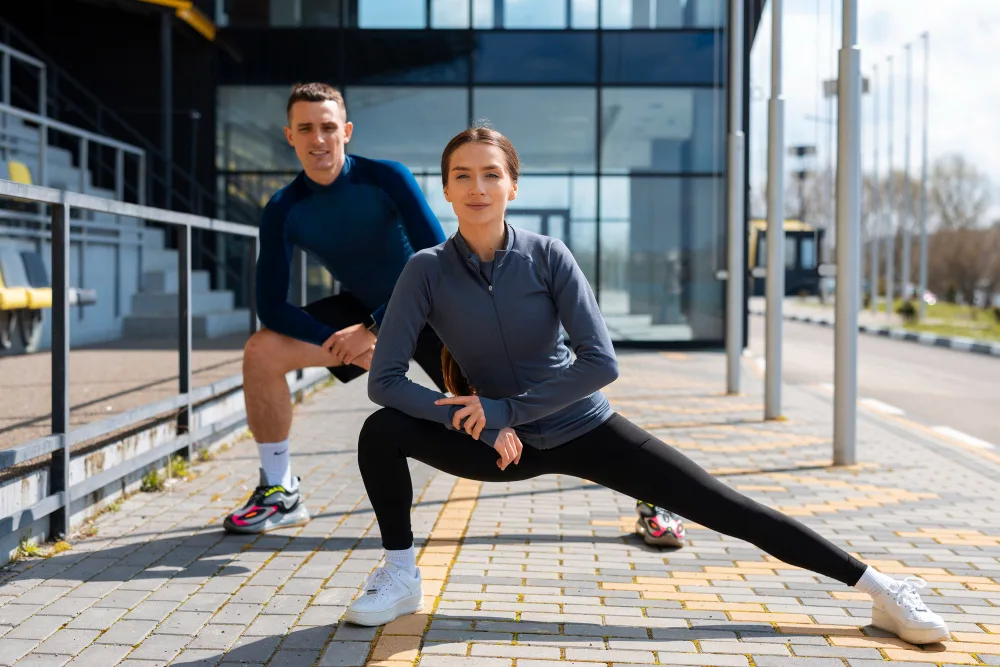
    After you’ve finished your last set or hopped off the treadmill at our Gym in Dubai Silicon Oasis, it’s time for static stretching. This is when you hold a stretch for about 20-30 seconds, focusing on the muscles you just worked.

    Examples of Static Stretches:

    • Hamstring Stretch: Sit on the floor with your legs straight out and reach for your toes.
    • Quadriceps Stretch: Stand and grab your ankle, pulling your heel towards your glutes.
    • Calf Stretch: Lean against a wall with one leg straight back and the other bent forward.
    • Triceps Stretch: Reach one arm overhead and bend your elbow, using your other hand to gently pull your elbow further.
    • Chest Stretch: Clasp your hands behind your back and straighten your arms, gently lifting your chest.

    Why static stretching after? This helps your muscles gradually cool down, improves flexibility over time, and may reduce post-workout soreness.

    Stretching to Treat Pain and Injuries: Listen to Your Body

    If you’re dealing with pain or recovering from an injury, stretching can be a valuable tool. However, it’s crucial to approach this with caution and, ideally, under the guidance of a physical therapist or healthcare professional. They can identify the root cause of your pain and recommend specific stretches to help you heal and regain mobility.

    PT Tip from Nitrogym: Stretching Should Not Hurt!

    This is a golden rule. Stretching should feel like a gentle pull, not a sharp pain. If you experience pain, ease off the stretch immediately. Pushing yourself too hard can lead to injury, which is the opposite of what you’re trying to achieve. Listen to your body – it knows best!

    How Nitrogym Can Help You on Your Stretching Journey

    At Nitrogym, your well-being is our priority. Our trainers understand the science behind stretching and can guide you on the best practices for your individual needs and fitness goals. Whether you’re a beginner or a seasoned athlete, we can help you:

    • Learn proper stretching techniques: Ensuring you’re performing each stretch correctly for maximum benefit and safety.
    • Incorporate stretching into your workout routine: We can design a well-rounded fitness plan that includes the right types of stretches at the right times.
    • Address specific flexibility concerns: If you have tight muscles or limited range of motion, we can recommend targeted stretches to help improve these areas.
    • Provide a supportive environment: Our Gym in Dubai Silicon Oasis and our Al Barsha – Lulu location offer a comfortable and motivating space for you to focus on your fitness, including your flexibility.
    Your Flexible Future Starts Now

    Stretching is a vital component of any fitness routine. By understanding the science behind dynamic and static stretching and when to perform them, you can optimize your workouts, reduce your risk of injury, and improve your overall well-being. So, whether you’re in Dubai Silicon Oasis or Al Barsha – Lulu, come down to Nitrogym and let our team help you unlock your full potential, one stretch at a time! Remember, consistency is key, so make stretching a regular part of your healthy lifestyle.

  • Staying Hydrated: Essential Tips for Training in the Hot Weather

    Staying Hydrated: Essential Tips for Training in the Hot Weather

    Staying Hydrated: Essential Tips for Training in Hot Weather

    Training in the UAE heat is no joke. The moment you step outside – or even into an un-air-conditioned space – the combination of intense exercise and scorching temperatures puts your body under serious stress. And the one thing standing between a great workout and a dangerous one? Hydration.

    At Nitro Gym, we see it all the time: dedicated members who train hard but underestimate how quickly fluid loss affects their performance and safety. Whether you’re lifting weights, running outdoors, or pushing through a high-intensity session, treating hydration as a core part of your fitness routine is non-negotiable – especially in this climate.

    Essential Tips for Training in the Hot Weather

    Dehydration Warning Signs You Can’t Afford to Ignore

    The UAE’s dry heat combined with intense exercise can drain your body faster than you realise. By the time you feel thirsty, dehydration has often already begun. Here are the warning signs to watch for:

    • Excessive thirst – Thirst is a late signal. If you’re craving water mid-workout, you’re already behind on hydration.
    • Fatigue and dizziness – Feeling lightheaded or unusually tired during training is a red flag, especially in the heat.
    • Dry mouth and sticky saliva – A persistently dry mouth signals dropping hydration levels.
    • Dark-coloured urine – Pale yellow means you’re well-hydrated. Dark yellow or amber means drink more. If issues persist, consult a medical professional.
    • Muscle cramps – Electrolyte imbalances from fluid loss cause painful cramps, often hitting hardest during or after intense activity.
    • Headaches – A throbbing head during or after your session is your body asking for fluids.
    • Rapid heartbeat or shortness of breath – Your cardiovascular system working overtime to compensate for fluid loss.

    These symptoms range from uncomfortable to genuinely dangerous. Recognising them early can make all the difference.

    Smart Hydration: Before, During, and After Your Workout

    Pre-Training Hydration

    Good hydration starts long before you pick up a weight or lace up your trainers. Walking into a workout already dehydrated is one of the most common and avoidable mistakes gym-goers make.

    Start drinking water at least 2-3 hours before exercise, aiming for around 500-600 ml in that window. Add a low-sugar electrolyte drink to help maintain sodium and potassium balance, and eat water-rich foods like watermelon, oranges, or cucumber as part of your pre-workout meal. Avoid coffee or energy drinks right before training both act as diuretics and work against your hydration efforts. A simple check: if your urine is darker than pale yellow before you head out, drink more water before you start.

    During Training

    Once you’re moving, fluid loss accelerates quickly. The key is to sip consistently rather than waiting until you feel thirsty and then gulping down a large amount at once. Every 15–20 minutes, take in around 200–300 ml of fluid — adjusting upward in extreme heat or high humidity. Chilled fluids are ideal; they hydrate effectively and help regulate your core body temperature during intense sessions.

    Post-Workout Recovery

    Rehydrating after training is just as important as hydrating before and during it. A practical method: weigh yourself before and after your workout. For every 0.5 kg lost, drink approximately 500–600 ml of fluid to restore balance. Plain water is a good start, but coconut water or a sports drink with balanced sodium and potassium will replace electrolytes more effectively. Follow up with a nutrient-rich meal — think leafy greens, broth-based soups, or fruits like pineapple and berries. Avoid alcohol and excess caffeine post-workout, as both increase dehydration risk and slow recovery.

    FAQs

    General guidelines suggest 2–3 litres daily, but in the UAE heat with intense training, you may need significantly more. Monitor your urine colour and energy levels throughout the day as a practical guide.

    For sessions under 60 minutes, water is usually sufficient. For longer or more intense workouts – especially in the heat – a low-sugar sports drink with electrolytes helps replace sodium and potassium lost through sweat.

    Yes. Overhydration, or hyponatremia, occurs when sodium levels drop too low due to excessive water intake. Sip steadily rather than drinking large volumes at once, and consider electrolyte drinks during prolonged sessions.

    Train Smart, Stay Safe

    Heat doesn’t have to hold your fitness back – but it does demand respect. If you train at a gym in Barsha, time your sessions wisely: early mornings or evenings are far safer than midday heat. Keep an eye on your body’s signals, stay consistent with your fluid intake, and never treat hydration as an afterthought.

    At Nitro Gym, our team is here to help you train at your best regardless of the weather outside. Follow these hydration strategies and you’ll not only protect your health, you’ll perform better for it.

  • Workouts to Boost Athletic Performance in Any Sport

    Workouts to Boost Athletic Performance in Any Sport

    When we say, “Workouts are everything,” athletes take it seriously. For them, workouts are not just a routine but a way of life—a commitment to push boundaries, improve performance, and achieve success. Whether you’re on the field, court, track, or in the gym, the right training routine can make all the difference.

    If you’ve found your way to this article, you’re not just after aesthetics—you’re chasing strength, speed, size, and peak athletic performance.

    Here’s a guide to workouts that every athlete can incorporate to increase performance, no matter the sport.
    Ready? Here you go!

    Strength Training

    Strength training is the foundation of athletic performance. It’s like building a strong house—without a solid base, everything else won’t stand up. Compound exercises like squats, deadlifts, and bench presses are key because they work multiple muscle groups, making you stronger overall.

    The stronger you are, the greater your potential to be faster, jump higher, and perform better in your sport.

    But it’s not just about lifting heavy weights; you also need to focus on single-leg exercises like Bulgarian split squats and single-leg deadlifts. These movements replicate how you move in most sports, helping you build balance, stability, and power without overloading your muscles.

    By combining these exercises with proper form, you can boost your athleticism and improve your performance in any sport.

    Speed and Agility Work: Move Like a Pro

    Speed and agility are what make great athletes stand out. These skills help you move quickly and efficiently, whether you’re sprinting, changing directions, or reacting to the game. To improve speed, ladder drills are a great way to work on foot speed and coordination. These drills help you move your feet quickly and improve balance.

    Sprint intervals are another essential exercise. By sprinting at full intensity followed by short recovery periods, you train your body to explode into speed, which is crucial for many sports.

    Cone drills focus on making quick cuts and sharp directional changes, which help with agility. To get the most out of these drills, always stay light on your feet and make sure you’re maintaining good form to prevent injuries and get the best results.

    The key to mastering speed and agility is practice. Consistently doing these drills will improve your reaction times and help you move faster on the field. Over time, these exercises will sharpen your reflexes and make quick movements second nature.

    Whether you’re playing football, basketball, or soccer, better speed and agility can give you an edge over your competition. So, add ladder drills, sprints, and cone drills to your routine to move like a pro.

    Cardiovascular Conditioning: Endurance Matters

    Cardiovascular conditioning is important because it improves your stamina, helping you perform at a high level for longer periods. When you have good endurance, you won’t get fatigued as quickly, allowing you to keep pushing yourself throughout the game.

    High-Intensity Interval Training (HIIT) is one of the best ways to improve your cardiovascular fitness. HIIT combines short bursts of intense exercise followed by recovery periods. This type of training works both your aerobic (long-distance) and anaerobic (short, intense bursts) systems. It builds stamina and improves your overall performance by conditioning your body to recover quickly between efforts.

    Steady-state cardio like long runs, cycling, or swimming also helps build a solid cardiovascular base. Doing these activities for 30-60 minutes, three to four times a week, will strengthen your heart and lungs, giving you more energy and improving your endurance.

    For athletes, the combination of intense HIIT workouts and steady cardio provides the perfect balance to develop endurance. Focus on consistency, and you’ll be able to last longer and perform better in any sport.

    Core Strength: The Powerhouse of Movement

    A strong core is essential for all athletic movements. It acts as the foundation of your body, connecting your upper and lower body, and helps you stay balanced during explosive moves.

    Plank variations are great for building core strength. They help stabilize your body and improve endurance.
    Russian twists are another effective exercise that focuses on rotational strength, which is especially useful for sports that require twisting movements like tennis or baseball. Hanging leg raises target your lower core and hip flexors, strengthening muscles that help with running, jumping, and kicking.

    Having a strong core makes every movement more powerful and controlled. It improves balance, helps prevent injury, and allows you to move with greater efficiency.

    Whether you’re sprinting, lifting weights, or playing a sport, your core plays a key role in every action. Make core strength a priority in your workout routine, and you’ll see improvements in your athletic performance and overall stability.

    Flexibility and Mobility: Injury Prevention

    Flexibility and mobility are often overlooked but are key to injury prevention. When your muscles and joints are flexible, you can move freely and avoid strain.

    Dynamic stretching exercises, like leg swings and arm circles, are excellent for warming up before a workout. They get your muscles and joints moving through a full range of motion, helping to prepare your body for more intense activity.

    Yoga and stretching sessions improve flexibility and also help with mental focus, which is essential for staying sharp during competition.

    Foam rolling is another great tool for increasing mobility. It helps release tight muscles and improve blood flow, which aids in recovery after tough workouts. By dedicating just 10 minutes daily to mobility work, you can increase your flexibility, reduce muscle tension, and prevent injuries.

    Flexibility and mobility should be part of every athlete’s training program to guarantee long-term health and better performance.

    Sport-Specific Drills: Tailored Training

    Each sport has its own set of skills and movements, so sport-specific drills are essential to improve your performance. If you play basketball, you’ll want to focus on skills like jump shots, dribbling, and defensive movements.

    Practicing these drills will help you become more skilled and efficient during the game. In soccer, practicing ball control, sprinting, and passing accuracy will improve your abilities on the field.

    For tennis players, lateral movements and racket swings are key to improving agility and power.

    Sport-specific training is all about mimicking the actions you’ll perform in your sport. It’s important to practice with the same intensity and focus you’ll need in the game. By doing this, you’ll not only improve your skills but also boost your confidence when it’s time to compete. Incorporate these drills into your routine and tailor them to your specific sport for maximum results.

    Recovery Workouts: Recharge and Rebuild

    Recovery is just as important as training, and without it, you can’t expect to improve or perform at your best. Active recovery includes low-intensity exercises like light cycling, swimming, or yoga, which help your body recover while still keeping you active.

    Rest days are also important. They give your body the time it needs to heal and rebuild stronger muscles. Skipping rest can lead to overtraining, which can result in injury or burnout.

    To support recovery, make sure you stay hydrated, get plenty of sleep, and fuel your body with the right nutrients. A balanced diet will help repair muscles and boost your energy.

    Remember, recovery isn’t just about taking a break; it’s an essential part of the training process that ensures you keep progressing and staying injury-free. Take your recovery seriously, and your body will thank you with better performance.

    Conclusion- Final Thoughts

    For athletes, workouts are everything. They lay the foundation for strength, speed, endurance, and resilience, all of which are necessary to excel in any sport. By focusing on a balanced training program that includes strength work, speed and agility drills, cardiovascular conditioning, core strengthening, flexibility, and sport-specific skills, you can improve your performance and reach your goals.

    Don’t forget the importance of recovery—without proper rest, all your hard work will go to waste.

    Take your workouts seriously, stay consistent, and the results will follow. Whether you’re on the field, court, or track, the effort you put into your training will be reflected in your performance. You can try customized workouts and diet plans at Nitro Gym in DSO and Al Barsha to take your training to the next level.

    All the best!

  • What to Do If You’re Not Seeing Results from Your Workouts

    What to Do If You’re Not Seeing Results from Your Workouts

    We all work out regularly with the hope of achieving our dream fitness goals faster. But when you put in so much effort and don’t see the results you expected, it can be frustrating and even make you want to give up. However, giving up is not the solution. Identifying why you’re not seeing results is the first step. Here’s a detailed blog on this topic by the experts at Nitro Gym in Al Barsha & DSO.

    Common Reasons You’re Not Seeing Results

    Before fixing the issue, let’s look at some common mistakes:

    Skipping Workouts: Consistency is everything. Missing workouts can slow down progress.


    Wrong Technique: Bad form can make exercises less effective and lead to injuries.


    Doing the Same Thing Over and Over: Sticking to the same routine? Your body might be too comfortable, and progress has stalled.


    Ignoring Strength Training: Only doing cardio? Strength training builds muscle and boosts metabolism.


    Unrealistic Goals: Setting goals that are too ambitious can leave you discouraged.


    Poor Nutrition: Not eating right? Your body needs fuel to power your workouts.


    No Rest Days: Overtraining is real. Your muscles need time to recover and grow.


    Stress and Lifestyle Habits: Stress, lack of sleep, and unhealthy habits can all sabotage your progress.

    How to Evaluate and Adjust Your Workouts

    Reevaluate Your Routine

    Sticking to the same workouts every day can make your body adapt, which slows down progress. To fix this, try new activities like swimming, kickboxing, or group classes to challenge different muscles and keep things interesting. Increase the intensity by adding heavier weights, doing more repetitions, or reducing rest time between sets.
    Keeping track of your progress in a notebook or app can also help. Note down exercises, weights, reps, and how you feel after each session. This helps you see improvements and identify areas to adjust.

    Focus on Form

    The way you perform each exercise is important. Poor form can cause injuries and limit results. Make sure you’re using proper techniques by watching instructional videos, following expert advice, or asking a trainer for help.
    Using a mirror while exercising can help you check your posture and correct any mistakes. Take your time and focus on controlled movements to ensure your muscles are engaged properly. Good form not only keeps you safe but also improves your results.

    Set Clear Goals

    Having vague goals like “I want to get fit” can make it hard to stay focused. Be specific about what you want to achieve. For instance, instead of saying, “I want to lose weight,” set a clear target like, “I want to lose 5 kg in 3 months by exercising 4 times a week.”
    Breaking your goals into smaller, achievable steps keeps you motivated, and celebrating your progress along the way makes it even more rewarding.

    Prioritize Progressive Overload

    Your muscles need to be consistently challenged to grow stronger. Gradually increase the difficulty of your workouts by adding more weight, doing extra repetitions, or shortening rest periods. This steady progression helps improve strength.

    Balance Cardio and Strength Training

    While cardio is excellent for heart health and endurance, doing too much can burn muscle instead of fat. On the other hand, skipping cardio entirely can limit your stamina. A mix of strength training and cardio helps build muscle, boost metabolism, and improve overall fitness.

    Pay Attention to Recovery

    Recovery is just as important as the workout itself. Use foam rollers or treat yourself to a massage to ease muscle soreness and improve flexibility. Always stretch after workouts to prevent stiffness and maintain a good range of motion.

    Manage Stress

    High stress can increase cortisol levels, which may hinder muscle growth and fat loss. Incorporate stress management techniques like mindfulness, meditation, or yoga into your routine. Reducing stress can improve both your mental and physical performance.

    Track Your Nutrition Closely

    Your diet plays a significant role in your fitness journey. Use food journals or apps to monitor your daily intake and make sure you’re consuming enough protein for muscle repair and carbohydrates for energy. Staying accountable with your nutrition helps support your workout efforts.

    Try Cross-Training

    Mixing up your workouts with activities like swimming, cycling, or dancing keeps your routine fresh and exciting while working different muscle groups. Cross-training also reduces the risk of overuse injuries and enhances overall fitness.

    Monitor Your Progress

    Keep track of your progress by taking photos, recording body measurements, or maintaining a workout diary. Sometimes, the scale might not move, but other signs like increased strength, better endurance, or improved performance show that you’re progressing.

    Avoid Overtraining

    Overtraining can lead to fatigue, injuries, and even a lack of progress. Listen to your body and don’t push yourself beyond your limits. If you feel overly tired, take a step back and allow yourself time to recover.

    Importance of Nutrition and Hydration

    What you eat and drink plays a big role in your fitness progress. Your body needs the right fuel to perform well and recover after workouts. Include foods rich in protein, healthy carbs, and good fats in your meals.
    Protein helps repair muscles, and carbs give you energy. Drinking enough water is just as important. Staying hydrated keeps your energy levels up, helps your body work smoothly, and prevents muscle cramps. If you sweat a lot during workouts, consider drinks with electrolytes to stay balanced.

    Rest and Recovery

    Rest days are as important as workout days. When you exercise, your muscles need time to recover and grow stronger. Without proper rest, you risk injuries or feeling too tired to perform well. Make sure you get 7–9 hours of sleep every night. Use rest days to stretch, relax, or do light activities like yoga to help your muscles recover faster.
    Remember, taking a break doesn’t mean you’re slacking—it’s part of the process to get better results.

    Seek Professional Guidance

    If you’re working hard but not getting the results you want, it might be time to get some help. At Nitro Gym in DSO & Al Barsha, expert trainers can check your workouts and create a plan that fits your goals. They’ll also teach you the right way to do exercises so you don’t get hurt and see better results. Talking to a nutritionist can also help you make sure your diet matches your fitness goals. Sometimes, a little expert advice can make a big difference!

    Stay Motivated and Consistent

    It’s normal to feel frustrated when results take time, but don’t let that stop you. Focus on the small wins—maybe you feel stronger, or your energy levels are better. Set clear, simple goals to keep yourself on track. Reward yourself for hitting milestones, no matter how small.
    Try working out with a friend or playing your favourite music to make exercise more fun. Most importantly, stay consistent. Results don’t happen overnight, but if you stick with it, they will come.

    Conclusion

    If your workouts aren’t giving you the results you want, don’t give up. Check your nutrition, rest properly, and adjust your routine. Seek advice from experts if needed and stay consistent with your efforts. Progress takes time, but with the right mindset and approach, you’ll reach your fitness goals.
    Keep going—you’ve got this!

  • Spot Reduction: What It Is and Why It Doesn’t Work

    Spot Reduction: What It Is and Why It Doesn’t Work

    Spot Reduction What It Is and Why It Does Not Work

    Many people wish they could lose fat from specific areas such as the belly, thighs, or arms. This idea is commonly known as spot reduction. It suggests that performing exercises targeting one body part can help burn fat only from that particular area. Although this belief is popular, research and fitness experts have consistently shown that spot reduction does not work in the way most people expect.

    Understanding how fat loss actually happens can help individuals follow more effective and realistic fitness strategies.

    Spot Reduction- What It Is and Why It Doesn’t Work

    What Is Spot Reduction

    Spot reduction refers to the assumption that repeated exercises focused on a specific muscle group will lead to fat loss in that exact area. For example, some people perform large numbers of crunches hoping to reduce belly fat. Others may do leg lifts or squats with the expectation of slimming their thighs.

    While these exercises are useful for strengthening muscles and improving tone, they do not directly remove the fat layer that covers those muscles. Muscle development and fat loss are influenced by different physiological processes.

    Targeted exercises improve muscular endurance and strength. However, fat reduction depends on overall energy balance and metabolic activity throughout the entire body.

    Why Spot Reduction Does Not Work

    The human body does not burn fat from only one selected location during exercise. When physical activity increases, the body uses stored energy from fat reserves across multiple areas. This process is controlled by hormones, genetics, and overall lifestyle habits.

    Some individuals may notice fat loss occurring faster in certain areas compared to others. This variation is largely determined by genetic predisposition and hormone distribution. Therefore, attempting to control fat loss location through isolated exercises is not realistic.

    Consistent movement, proper nutrition, and healthy sleep patterns contribute more significantly to long term fat loss outcomes than focusing on a single muscle group.

    The Right Approach to Fat Loss

    A balanced fitness routine is the most effective strategy for reducing body fat. Combining strength training, cardiovascular exercise, and a structured nutrition plan supports gradual and sustainable fat reduction.

    Strength training plays a key role because muscle tissue requires more energy to maintain than fat tissue. As lean muscle mass increases, the body becomes more efficient at burning calories even during rest. This process supports long term metabolic health.

    Cardiovascular activities such as brisk walking, cycling, or group fitness sessions also help increase calorie expenditure. Together, these components create a comprehensive approach to improving body composition.

    At Nitro Gym in DSO and Al Barsha, trainers encourage members to follow full-body workout routines that engage multiple muscle groups in a single session. This method increases training efficiency and supports overall fitness development.

    Benefits of Full Body Workouts

    Increases calorie burn by engaging multiple muscle groups at the same time
    Improves overall muscle tone and balanced strength development
    Saves time by allowing a complete workout in a shorter duration
    Supports better everyday movement such as lifting, bending, and reaching
    Boosts metabolism which helps burn more calories even after exercise
    Enhances flexibility and mobility, reducing the risk of injuries
    Improves heart health when combined with aerobic movements
    Helps maintain workout variety, making training more enjoyable and consistent
    Suitable for beginners as well as advanced fitness levels
    Supports sustainable fat loss and long term fitness progress

    The Role of Nutrition in Fat Loss

    Exercise alone cannot produce optimal fat loss results without proper dietary habits. Nutrition plays a critical role in managing calorie intake and supporting recovery.

    A balanced eating pattern that includes fruits, vegetables, lean protein sources, and whole grains helps maintain energy levels and promotes muscle repair. Reducing processed foods and excessive sugar intake supports healthy weight management.

    Hydration and consistent meal timing also influence metabolic efficiency. When exercise and nutrition are aligned, individuals experience more sustainable progress.

    Focus on Overall Health

    Fitness goals should extend beyond physical appearance. Improving strength, endurance, mobility, and mental wellbeing are equally important outcomes.

    By adopting a holistic routine that supports both physical and emotional health, individuals can develop long lasting habits. This balanced perspective helps reduce frustration associated with unrealistic expectations such as spot reduction.

    FAQs

    Crunches strengthen abdominal muscles but do not directly reduce belly fat. Effective fat loss requires full body exercise along with proper nutrition.

    Yes. Full body workouts are more effective for fat loss because they engage multiple muscle groups and increase overall calorie burn.

    Both are essential. Exercise helps burn calories and build muscle, while nutrition controls energy intake and supports recovery.

    Conclusion

    Spot reduction is a widely misunderstood concept. Fat loss occurs throughout the body rather than in one specific location. The most effective strategy involves full body training, consistent activity, and proper nutrition.

    With expert guidance at Nitro Gym in DSO and Al Barsha, individuals can follow structured programs designed to support healthy and sustainable fitness progress.

  • Gym Workouts for Building Explosive Power

    Gym Workouts for Building Explosive Power

    Building explosive power is essential for athletes and fitness enthusiasts looking to improve their performance in sports and high-intensity activities. At Nitro Gym in Al Barsha and Dubai Silicon Oasis (DSO), we specialize in helping you achieve your fitness goals with personalised workout plans. Explosive power workouts focus on maximizing strength, speed, and agility. Here’s how you can incorporate these workouts into your routine to improve your explosive power.

    What is Explosive Power?

    Explosive power combines strength and speed to generate maximum force in the shortest amount of time. This is important for activities that require sudden bursts of energy, such as sprinting, jumping, and lifting. Developing explosive power improves your overall athletic performance and helps prevent injuries by improving muscle coordination and stability.

    Key Components of Explosive Power Workouts

    1. Plyometrics: Plyometric exercises are designed to increase your speed and power through dynamic movements. These exercises involve rapid stretching and contracting of muscles to build explosive strength.
    2. Strength Training: Strength training forms the foundation of explosive power. Focusing on heavy lifts and compound movements increases muscle mass and strength, which is essential for generating power.
    3. Speed and Agility Drills: Speed and agility drills improve your ability to move quickly and change direction efficiently. These drills increase your reaction time and overall athleticism.
    4. Core Stability: A strong core is important for transferring power from your lower to upper body. Core stability exercises increase your ability to perform explosive movements with control and precision.

    Sample Workout Plan for Explosive Power

    1. Warm-Up:
      • Dynamic stretches (leg swings, arm circles)
      • Light jogging or skipping (5-10 minutes)
      • Mobility drills (hip circles, shoulder rolls)
    2. Plyometric Exercises:
      • Box Jumps: 3 sets of 10 reps
      • Depth Jumps: 3 sets of 8 reps
      • Broad Jumps: 3 sets of 8 reps
      • Medicine Ball Slams: 3 sets of 12 reps
    3. Strength Training:
      • Squats: 4 sets of 6 reps
      • Deadlifts: 4 sets of 6 reps
      • Bench Press: 4 sets of 6 reps
      • Power Cleans: 4 sets of 5 reps
    4. Speed and Agility Drills:
      • Sprints: 5 sets of 20 meters
      • Ladder Drills: 4 sets (varying patterns)
      • Cone Drills: 4 sets (T-drill, shuttle run)
    5. Core Stability Exercises:
      • Plank Holds: 3 sets of 1 minute
      • Russian Twists: 3 sets of 20 reps
      • Hanging Leg Raises: 3 sets of 15 reps
    6. Cool Down:
      • Static stretching (hamstrings, quads, calves, shoulders)
      • Foam rolling (5-10 minutes)

    Tips for Maximizing Your Explosive Power Workouts

    • Progressive Overload: Gradually increase the intensity and volume of your workouts to continuously challenge your muscles and stimulate growth.
    • Proper Form: Focus on maintaining proper form to prevent injuries and ensure you’re effectively targeting the right muscle groups.
    • Recovery: Allow adequate time for recovery between workouts. Explosive power training is intense and requires your muscles to repair and grow.
    • Nutrition: Fuel your body with a balanced diet rich in protein, carbohydrates, and healthy fats. Proper nutrition supports muscle recovery and growth.
    • Consistency: Stay consistent with your training routine. Regular practice and dedication are key to developing explosive power.

    Conclusion

    Building explosive power takes time, dedication, and the right workout plan. At Nitro Gym in DSO and Al Barsha, we provide the expertise and equipment to help you achieve your fitness goals. Incorporate plyometrics, strength training, speed drills, and core stability exercises into your routine to improve your explosive power. Remember to prioritize proper form, recovery, and nutrition to maximize your results. Start your explosive power journey with Nitro Gym and experience the transformation in your athletic performance.

  • Seasonal Fitness: Adapting Your Workout for Summer and Winter

    Seasonal Fitness: Adapting Your Workout for Summer and Winter

    Seasonal Fitness: How to Adapt Your Workout for Summer and Winter

    Most people treat their workout routine as a fixed, year-round prescription, same exercises, same schedule, same intensity regardless of what is happening outside. But the reality is that seasonal changes have a direct impact on your body, your energy levels, and your performance. Adapting your fitness routine to match the demands of summer and winter is not optional, it is smart training. Here is exactly how to do it, with expert guidance from the team at Nitro Gym.

    Seasonal fitness-Fitness-tips-different seasons

    Why Seasonal Fitness Adaptation Matters

    Your body does not perform the same way in July as it does in January. Heat affects hydration, cardiovascular strain, and recovery. Cold affects muscle elasticity, joint mobility, and motivation. Ignoring these changes leads to suboptimal performance at best and preventable injuries at worst. The athletes and gym-goers who make consistent year-round progress are the ones who train with the season, not against it.

    Summer Fitness Tips: Train Smart in the Heat

    Summer brings longer days, higher temperatures, and plenty of opportunity for outdoor training, but it also demands greater awareness and preparation.

    Hydration Comes First

    In high temperatures your body loses significantly more fluid through sweat. Increase your water intake before, during, and after every session. For longer workouts or outdoor activities, electrolyte-rich drinks help replenish the minerals your body loses alongside that fluid. Dehydration is the fastest way to derail a summer training session.

    Time Your Workouts Wisely

    The peak heat of the day, typically between 11 am and 3 pm, is the worst time to train outdoors. Schedule your sessions for early morning or late evening when temperatures are cooler. This simple adjustment dramatically reduces your risk of heat exhaustion while keeping performance levels high.

    Dress and Protect Yourself

    What you wear in summer training matters more than most people realize. Here is what to keep in mind:

    • Choose light-colored, breathable, moisture-wicking fabrics that allow sweat to evaporate efficiently
    • Apply broad-spectrum SPF 30 sunscreen to all exposed skin, even on cloudy days
    • Wear a hat and UV-protective sunglasses to shield your face and eyes during outdoor sessions
    • Cool down properly after every workout – a slow walk, stretching, or a cold shower helps your body temperature return to normal safely

    Embrace Outdoor Training Opportunities

    Summer is ideal for activities like running, cycling, swimming, and hiking. These not only provide variety and fresh motivation but also give you a natural dose of vitamin D. Always be mindful of heat levels and take breaks in shaded areas whenever needed.

    Winter Fitness Tips: Stay Consistent When It Gets Cold

    Cold weather is one of the most common reasons people abandon their fitness routines. With the right approach, winter can actually be one of your most productive training seasons.

    Warm Up Longer and More Thoroughly

    Cold temperatures make muscles and joints significantly stiffer than usual. Rushing into intense exercise without an adequate warm-up dramatically increases your injury risk. Extend your warm-up to at least 10 to 15 minutes, combining light cardio with dynamic stretching to raise your core temperature and loosen your joints before any serious training begins.

    Layer Up for Outdoor Training

    Dressing correctly for winter workouts keeps your body performing at its best. Start with a moisture-wicking base layer to keep sweat away from your skin, add an insulating mid-layer for warmth, and finish with a windproof and waterproof outer layer to protect against the elements.

    Adapt Your Training Environment

    ,When outdoor conditions are too harsh, move your training indoors without hesitation. At Nitro Gym, both our gym in DSO and gym in Barsha are fully equipped for every type of training, from cardio machines and resistance equipment to group fitness classes and personal training sessions. Both locations are open 24 hours a day, 7 days a week, so winter weather never has to interrupt your routine.

    General Tips That Apply to Both Seasons

    Regardless of the time of year, these principles keep your training productive and sustainable throughout every seasonal shift.

    Listen to Your Body

    Your body communicates constantly. Pay attention to how it responds to different weather conditions and adjust your training intensity and duration accordingly. Pushing through genuine weather-related discomfort is never worth the setback of an avoidable injury.

    Set Seasonal Goals

    Use the transition between seasons as a natural opportunity to reset your fitness targets. A summer running goal or a winter strength milestone gives your training fresh purpose and keeps motivation consistently high throughout the year.

    Eat With the Season

    A balanced diet rich in seasonal produce supports every fitness goal. In summer, prioritize hydrating foods like watermelon, cucumber, and citrus fruits. In winter, focus on nutrient-dense options like sweet potatoes, leafy greens, and warming protein-rich meals that fuel intense training sessions.

    FAQs

    It can be, with the right precautions. Train during cooler morning or evening hours, stay well hydrated, wear appropriate clothing, and always listen to your body. If the heat feels overwhelming, move your session indoors.

    Set a specific winter fitness goal, train with a partner, and use a fully equipped indoor gym like Nitro Gym’s gym in DSO or gym in Barsha. Having a structured plan and a consistent environment removes the reliance on motivation alone.

    Yes. Summer calls for more hydrating, lighter foods while winter training benefits from calorie-dense, nutrient-rich meals that fuel higher-intensity sessions and support recovery in colder conditions.

    Train Year-Round at Nitro Gym

    Seasonal changes should never be a reason to fall off your fitness routine. At Nitro Gym, our certified personal trainers at our gym in DSO and gym in Barsha help you adapt your training plan to every season, keeping you progressing, motivated, and injury-free no matter what the calendar says. With world-class facilities and expert coaching available around the clock, Nitro Gym is your year-round fitness partner.

  • Safely Increasing Weight and Resistance in Your Workouts: A Guide for Beginners

    Safely Increasing Weight and Resistance in Your Workouts: A Guide for Beginners

    Starting a workout routine is a great step towards improving your health and fitness, but knowing how to safely increase weight and resistance as you progress is essential for avoiding injury and maximizing results. In this blog, we’ll explore some tips and strategies to help beginners safely increase weight and resistance in their workouts, ensuring steady progress and long-term success.

    Start Slowly

    When you’re new to working out, it’s best to start with lighter weights and less resistance. This helps your muscles and joints get used to the exercises. 

    Begin with weights that feel easy for you, so you can focus on doing the exercises correctly. It’s like learning the right way to do something before making it harder. Once you’ve gotten the hang of it, you can think about adding more weight or resistance.

    Gradually Increase Weight

    Once you feel like you’ve gotten used to the weights and resistance you’re using in your workouts, it’s time to make things a bit tougher. You can do this by adding a little more weight or resistance, bit by bit. 

    For example, you could add around 5-10% more weight every one to two weeks. This way, your muscles have time to get stronger without feeling overwhelmed. It’s like giving your muscles a little challenge to keep them growing stronger without pushing them too hard all at once.

    Listen to Your Body

    When you start lifting heavier weights or adding more resistance to your workouts, it’s important to listen to your body. If you feel any pain, discomfort, or if you feel really tired during or after your workouts, it might mean you’re doing too much. In that case, it’s a good idea to take a break and lighten the weight or resistance. 

    Focus on doing the exercises correctly, and once you feel more comfortable, you can try adding more weight again. It’s like giving yourself a chance to get stronger without risking injury by overdoing it.

    Focus on Form

    Making sure you’re doing exercises the right way is super important. It helps you avoid getting hurt and makes your workouts more effective. Before you start lifting heavier weights or adding more resistance, make sure you’re doing each exercise correctly. 

    You can do this by working with a trainer who knows what they’re doing or watching videos that show you the right way to do things. Nitro Gym in Al Barsha & DSO has personal trainers to help you in the process of getting fitter. It’s like learning the proper way to do something before trying to do it harder or faster.

    Incorporate Progressive Overload

    Progressive overload means making your muscles work a little harder over time to help them grow stronger. Besides just adding more weight, you can also make things tougher by doing more repetitions or sets of exercises, or trying harder versions of the exercises you already do. 

    It’s like giving your muscles different challenges to keep them growing and getting stronger. So, try out new things and keep pushing yourself to keep seeing progress in your workouts.

    Allow for Adequate Recovery

    Muscles need time to repair and grow stronger after challenging workouts. Make sure to schedule rest days into your routine to allow for adequate recovery. Also, prioritize proper nutrition, hydration, and sleep to support muscle recovery and overall well-being.

    Conclusion

    Safely increasing weight and resistance in your workouts is essential for making progress and achieving your fitness goals. By starting slowly, gradually increasing weight, focusing on form, and listening to your body, beginners can safely and effectively challenge their muscles while minimizing the risk of injury. Remember to be patient, stay consistent, and celebrate your progress along the way. With dedication and hardwork, you’ll continue to grow stronger and reach new heights in your fitness journey.

  • Gym in Your Pocket: Mastering Anywhere Workouts with Effective Bodyweight Exercises

    Gym in Your Pocket: Mastering Anywhere Workouts with Effective Bodyweight Exercises

    In this busy world, finding time to hit the gym can be a challenge. However, the key to a fit and healthy lifestyle may be right at your fingertips – literally. Bodyweight exercises offer a convenient and effective way to stay in shape, regardless of your location. Let’s explore the benefits and techniques of various bodyweight exercises that can transform any space into your personal workout haven. This comprehensive guide will transform any space into your personal workout area, guided by the expertise of trainers at Nitro Gym in Al Barsha and DSO.  

    Squats

    Begin your journey with the basic squat, an energetic exercise that targets multiple muscle groups. Whether you’re in a hotel room or your living room, squats provide an excellent lower body workout, increasing strength and flexibility.

    Push-Ups

    No equipment? No problem. Push-ups are a timeless classic that engages your chest, arms, and core. Adjust the intensity by modifying hand placement, making it suitable for all fitness levels.

    Lunges

    Lunges are effective and can be executed anywhere. Increase heart rate, improve balance, and sculpt your legs with forward, reverse, or lateral lunges. A simple yet effective exercise for toning and strengthening your lower body.

    Plank

    Engage your core and build strength with the plank. This static exercise not only targets your abdominal muscles but also improves posture and stability. Customize your plank routine by incorporating side planks and variations.

    Burpees

    A full-body workout in one super movement, burpees are a challenging yet rewarding exercise. Boost cardiovascular fitness, burn calories, and build strength with this high-intensity exercise that requires no equipment.

    Jumping Jacks

    Bring back childhood memories with jumping jacks. This simple yet effective exercise improves your heart rate, enhances cardiovascular health, and engages multiple muscle groups. An excellent warm-up or cardio option for any location.

    Tricep Dips

    Focus on your arms with tricep dips. Utilize a sturdy surface like a chair or bench to target the back of your arms. Strengthening your triceps not only contributes to overall arm definition but also aids in functional movements.

    Mountain Climbers

    Combine cardio and core work with mountain climbers. This exercise boosts metabolism, improves agility, and targets your abdominal muscles. Perfect for a quick and efficient full-body workout.

    Wall Sits

    Transform any blank wall into your workout partner with wall sits. This isometric exercise strengthens your quads, hamstrings, and glutes. A great option for building lower body endurance and stability.

    Leg Raises

    Isolate and sculpt your abdominal muscles with leg raises. This floor exercise can be performed virtually anywhere. Modify the challenge by incorporating variations like flutter kicks or scissor kicks.

    Plank to Downward Dog

    Blend yoga-inspired movements into your routine with plank to downward dog transitions. This flow engages your core, shoulders, and hamstrings while promoting flexibility. An excellent combination of strength and flexibility training.

    Jump Squats

    Take your squats to the next level with jump squats. This explosive exercise not only strengthens your lower body but also provides a cardiovascular boost. Add intensity to your workout and torch calories with each explosive jump.

    Flutter Kicks

    Wrap up your bodyweight workout with flutter kicks, targeting your lower abs and hip flexors. This simple yet effective exercise contributes to a well-rounded core routine. Control your movements to maximize effectiveness and minimize strain.

    The “Gym in Your Pocket” concept proves that a lack of gym access is no longer an excuse to neglect your fitness goals. With these effective bodyweight exercises, you can transform any space into your personal workout space. Whether you’re a seasoned fitness enthusiast or a beginner, incorporating these exercises into your routine will keep you on track to achieve and maintain a fit and healthy lifestyle. Embrace the simplicity, versatility, and effectiveness of bodyweight workouts, and make fitness a seamless part of your daily life.

Call Now Button