
Category: Workout Tips

  • Dubai Summer Workouts: Hydration Tips for Peak Performance

    Dubai Summer Workouts: Hydration Tips for Peak Performance

    Dubai Summer Workouts: Hydration Hacks for Peak Performance at Nitro Gym

    When it comes to Dubai Summer Workouts, staying active under the scorching sun isn’t easy. But that doesn’t mean you need to slow down. The trick? Hydration. In Dubai’s brutal heat, the real workout isn’t just lifting weights , it’s keeping your body cool, balanced, and properly fueled with water and the right nutrients. Whether you’re a beginner or someone smashing their reps at Nitro Gym, hydration can make or break your performance.

    Why Hydration Matters More in Dubai’s Summer

    Let’s be honest. The summer here is no joke. Temperatures regularly cross 45 °C, and humidity adds another layer of discomfort. That’s why Dubai Summer Workouts demand more than just grit , they need smart hydration habits. Losing even 1–2 % of your body’s water can affect your energy, focus, and strength. That post-workout headache or sluggish feeling? Probably dehydration.

    And if you’re doing cardio, lifting, or attending HIIT sessions in a gym in Dubai Silicon Oasis, you’re sweating out more than just water , you’re losing essential minerals too. According to the Dubai Health Authority, you should drink water equivalent to your body weight (kg × 0.033 L), and during summer, sip every 15–20 minutes of activity to stay safe in this heat

    Simple Hydration Rules for Dubai Summer Workouts

    Don’t wait till you’re thirsty. If you’re feeling parched, you’re already dehydrated. For Dubai Summer Workouts, start hydrating before you hit the gym. Try drinking 500ml of water 30 minutes before your session. During your workout, sip 150-200ml every 15-20 minutes , don’t chug a liter all at once. After you’re done, replace what you lost. If you’re drenched in sweat, consider adding an electrolyte drink post-workout. Not fancy ones filled with sugar , even a pinch of salt and lemon in water works.

    drinking water during dubai summer workouts

    What to Drink (and What to Avoid) During Dubai Summer Workouts

    Water is king. But during heavy sessions, you need more than just plain water. Electrolyte-rich drinks help replenish sodium, potassium, and magnesium , all of which you lose through sweat. Coconut water is a good natural choice, and so is a homemade drink with lemon, honey, and a pinch of salt. Avoid energy drinks and sodas. Seriously, those just dehydrate you more and spike your blood sugar. Not ideal during Dubai Summer Workouts.

    Signs You’re Not Hydrated Enough

    You might think you’re drinking enough water, but here’s the truth , most people aren’t. During Dubai Summer Workouts, watch for signs like muscle cramps, dry mouth, dizziness, and dark yellow urine. These are clear warnings your body is under stress. If you’re feeling unusually tired at the gym in Dubai Silicon Oasis, it’s not always the workout , it could be dehydration talking. Keep a bottle nearby and take small sips often. Not just during the workout, but throughout the day.

    Conclusion: Stay Cool, Stay Strong at Nitro Gym

    Dubai’s heat isn’t going anywhere, but that doesn’t mean your fitness goals have to pause. Hydration isn’t just a side note , it’s the foundation of great Dubai Summer Workouts. Drink smart, listen to your body, and adjust your fluid intake as per your activity level and environment. At Nitro Gym, we’ve seen how staying well-hydrated helps our members push harder, feel better, and recover faster. Whether you’re new or a regular at our Gym in Dubai Silicon Oasis, take your hydration as seriously as your reps.

    Ready to crush your summer fitness goals? Join us at Nitro Gym for expert training, cool facilities, and support that keeps you motivated , and hydrated.

  • Workout After 40: Safe and Effective Strength Training

    Workout After 40: Safe and Effective Strength Training

    How to Create a Balanced Workout Plan for Real Results

    Stepping into a gym, whether for the first time or as a seasoned regular, can sometimes feel overwhelming. There are so many machines, so many exercises, and endless advice floating around. The key to making real progress and staying motivated isn’t just about working out hard; it’s about working out smart. And that means having a balanced workout plan. Many people jump into routines without considering all the pieces, leading to plateaus, burnout, or even injuries.

    This blog is all about showing you how to create a balanced workout plan. We’ll break down what makes a plan truly balanced, why it’s so important for long-term success, and how you can put together a routine that works for your body and your goals. Get ready to train smarter, not just harder!

    Balanced Workout Plan

    Why a Balanced Workout Matters More Than You Think

    Imagine building a house with only a hammer. You might get some nails in, but it won’t be strong or complete. Your fitness journey is similar. Focusing on just one type of exercise or one muscle group can leave you with a shaky foundation. A balanced workout plan ensures your body gets all the right types of challenges, leading to overall strength, better health, and lasting results.

    Here’s why it’s so important:

    • Full-Body Strength: A balanced plan works all your major muscle groups, preventing imbalances that can lead to pain or injury. You’ll feel stronger in daily activities and other sports.
    • Injury Prevention: When muscles are not worked evenly, some become too strong while others stay weak. This imbalance can put strain on joints and ligaments, making you more prone to getting hurt. A balanced approach helps keep everything stable.
    • Improved Fitness Levels: You won’t just be strong; you’ll also be flexible, have better endurance, and move with more ease. This holistic approach makes you genuinely “fit,” not just good at one thing.
    • Sustainable Progress: Avoiding burnout is a big part of sticking with fitness. A varied and balanced workout plan keeps things interesting, reduces overuse of certain muscles, and allows for proper recovery, which helps you stay consistent.
    • Better Body Composition: By working different systems and muscle groups, you’re more likely to build lean muscle and manage body fat effectively.

    The Essential Ingredients of a Balanced Workout Plan

    So, what exactly goes into a balanced workout plan? It’s typically made up of a few key components:

    1. Strength Training

    This is about building muscle and making your body stronger. It’s not just for bodybuilders; strength training is vital for everyone. It helps with bone density, metabolism, and functional strength for daily life.

    • How to do it: Use weights (dumbbells, barbells, machines), resistance bands, or your own body weight (push-ups, squats).
    • Frequency: Aim for 2-4 strength training sessions per week, making sure to hit all major muscle groups over the course of the week. This means working your chest, back, shoulders, arms, abs, and legs.
    • Examples: Squats, deadlifts, bench press, overhead press, rows, lunges.
    1. Cardiovascular (Cardio) Exercise

    Cardio strengthens your heart and lungs, improves stamina, and helps burn calories. It’s important for overall health and endurance.

    • How to do it: Activities that get your heart rate up and keep it there. Running, cycling, swimming, brisk walking, dancing, or using cardio machines like the elliptical or treadmill.
    • Frequency: Aim for at least 150 minutes of moderate-intensity cardio or 75 minutes of vigorous-intensity cardio per week. You can break this up into shorter sessions.
    • Examples: A 30-minute run, a cycling class, or a long walk.
    1. Flexibility and Mobility

    These elements help you move better, prevent stiffness, and reduce the risk of injury. Being flexible means your muscles can lengthen fully, and being mobile means your joints can move through their full range of motion.

    • How to do it: Stretching (static for after workouts, dynamic for before), yoga, Pilates, or specific mobility drills.
    • Frequency: Daily for a few minutes, or dedicated sessions 2-3 times per week.
    • Examples: Holding a hamstring stretch, doing arm circles, or attending a yoga class.
    1. Rest and Recovery

    Often overlooked, rest days are where your muscles actually grow and repair. Pushing yourself too hard without adequate rest can lead to overtraining and injury.

    • How to do it: Include full rest days (no exercise), active recovery days (light walking, stretching), and prioritize 7-9 hours of quality sleep each night.
    • Frequency: At least 1-2 full rest days per week, depending on your training intensity.

    Putting Your Workout Plan Together: A Simple Approach

    Here’s a basic template to help you build your own balanced workout plan:

    • Determine Your Goal: Are you looking to lose weight, build muscle, improve overall fitness, or train for an event? Your goal will influence the mix of exercises.
    • Assess Your Schedule: How many days per week can you realistically commit to working out? Start with something you can stick to.
    • Mix It Up: A common approach is to split your strength training (e.g., upper body/lower body, or push/pull/legs) and then add cardio and flexibility.

    Example Weekly Plan (for 3-4 days a week):

    • Day 1: Full Body Strength (Squats, Push-ups, Rows, Lunges, Plank)
    • Day 2: Cardio & Mobility (Running/Cycling + 15-20 mins stretching/yoga)
    • Day 3: Rest
    • Day 4: Full Body Strength (Deadlifts, Overhead Press, Pull-ups/Lat Pulldowns, Bicep Curls, Tricep Extensions)
    • Day 5: Active Recovery / Rest (Light walk or stretching)
    • Day 6: Cardio or Another Strength Session (e.g., focusing on weaker areas)
    • Day 7: Rest

    Remember, consistency is key. It’s better to stick to a slightly less intense but consistent plan than to try something too ambitious and give up.

    Nitro Gym: Your Partner for a Workout

    At Nitro Gym, we truly believe in the power of a balanced workout plan for sustainable fitness. Our experienced trainers are dedicated to helping Dubai residents create routines that are not only effective but also safe and enjoyable. We know that figuring out the right mix of strength, cardio, and flexibility can be tricky, which is why we offer personalized guidance and a wide range of equipment to support every aspect of your fitness journey.

    Whether you’re new to fitness and need help setting up your first routine, or you’re an experienced lifter looking to refine your current plan, Nitro Gym is here for you. We have state-of-the-art facilities located conveniently across Dubai Silicon Oasis and Al Barsha – Lulu. If you’re searching for a Gym near Silicon Oasis or a Gym in Albarsha that focuses on holistic fitness and truly cares about your long-term success, look no further than Nitro Gym. Our welcoming environment and knowledgeable staff are ready to help you build a perfectly balanced workout plan to achieve your goals.

    The Final Word: Balance for Lasting Fitness

    Creating a balanced workout plan isn’t about doing everything at once; it’s about smartly combining different types of exercises to build a strong, capable, and resilient body. By incorporating strength training, cardio, flexibility, and crucially, rest, you’re setting yourself up for continuous progress, fewer injuries, and a much more enjoyable fitness journey. So take the time to plan, listen to your body, and enjoy the benefits of a truly balanced approach to your health.

  • How to Create a Balanced Workout Plan | Guide by Nitro Gym

    How to Create a Balanced Workout Plan | Guide by Nitro Gym

    How to Create a Balanced Workout Plan for Real Results

    Stepping into a gym, whether for the first time or as a seasoned regular, can sometimes feel overwhelming. There are so many machines, so many exercises, and endless advice floating around. The key to making real progress and staying motivated isn’t just about working out hard; it’s about working out smart. And that means having a balanced workout plan. Many people jump into routines without considering all the pieces, leading to plateaus, burnout, or even injuries.

    This blog is all about showing you how to create a balanced workout plan. We’ll break down what makes a plan truly balanced, why it’s so important for long-term success, and how you can put together a routine that works for your body and your goals. Get ready to train smarter, not just harder!

    Balanced Workout Plan

    Why a Balanced Workout Matters More Than You Think

    Imagine building a house with only a hammer. You might get some nails in, but it won’t be strong or complete. Your fitness journey is similar. Focusing on just one type of exercise or one muscle group can leave you with a shaky foundation. A balanced workout plan ensures your body gets all the right types of challenges, leading to overall strength, better health, and lasting results.

    Here’s why it’s so important:

    • Full-Body Strength: A balanced plan works all your major muscle groups, preventing imbalances that can lead to pain or injury. You’ll feel stronger in daily activities and other sports.
    • Injury Prevention: When muscles are not worked evenly, some become too strong while others stay weak. This imbalance can put strain on joints and ligaments, making you more prone to getting hurt. A balanced approach helps keep everything stable.
    • Improved Fitness Levels: You won’t just be strong; you’ll also be flexible, have better endurance, and move with more ease. This holistic approach makes you genuinely “fit,” not just good at one thing.
    • Sustainable Progress: Avoiding burnout is a big part of sticking with fitness. A varied and balanced workout plan keeps things interesting, reduces overuse of certain muscles, and allows for proper recovery, which helps you stay consistent.
    • Better Body Composition: By working different systems and muscle groups, you’re more likely to build lean muscle and manage body fat effectively.

    The Essential Ingredients of a Balanced Workout Plan

    So, what exactly goes into a balanced workout plan? It’s typically made up of a few key components:

    1. Strength Training

    This is about building muscle and making your body stronger. It’s not just for bodybuilders; strength training is vital for everyone. It helps with bone density, metabolism, and functional strength for daily life.

    • How to do it: Use weights (dumbbells, barbells, machines), resistance bands, or your own body weight (push-ups, squats).
    • Frequency: Aim for 2-4 strength training sessions per week, making sure to hit all major muscle groups over the course of the week. This means working your chest, back, shoulders, arms, abs, and legs.
    • Examples: Squats, deadlifts, bench press, overhead press, rows, lunges.
    1. Cardiovascular (Cardio) Exercise

    Cardio strengthens your heart and lungs, improves stamina, and helps burn calories. It’s important for overall health and endurance.

    • How to do it: Activities that get your heart rate up and keep it there. Running, cycling, swimming, brisk walking, dancing, or using cardio machines like the elliptical or treadmill.
    • Frequency: Aim for at least 150 minutes of moderate-intensity cardio or 75 minutes of vigorous-intensity cardio per week. You can break this up into shorter sessions.
    • Examples: A 30-minute run, a cycling class, or a long walk.
    1. Flexibility and Mobility

    These elements help you move better, prevent stiffness, and reduce the risk of injury. Being flexible means your muscles can lengthen fully, and being mobile means your joints can move through their full range of motion.

    • How to do it: Stretching (static for after workouts, dynamic for before), yoga, Pilates, or specific mobility drills.
    • Frequency: Daily for a few minutes, or dedicated sessions 2-3 times per week.
    • Examples: Holding a hamstring stretch, doing arm circles, or attending a yoga class.
    1. Rest and Recovery

    Often overlooked, rest days are where your muscles actually grow and repair. Pushing yourself too hard without adequate rest can lead to overtraining and injury.

    • How to do it: Include full rest days (no exercise), active recovery days (light walking, stretching), and prioritize 7-9 hours of quality sleep each night.
    • Frequency: At least 1-2 full rest days per week, depending on your training intensity.

    Putting Your Workout Plan Together: A Simple Approach

    Here’s a basic template to help you build your own balanced workout plan:

    • Determine Your Goal: Are you looking to lose weight, build muscle, improve overall fitness, or train for an event? Your goal will influence the mix of exercises.
    • Assess Your Schedule: How many days per week can you realistically commit to working out? Start with something you can stick to.
    • Mix It Up: A common approach is to split your strength training (e.g., upper body/lower body, or push/pull/legs) and then add cardio and flexibility.

    Example Weekly Plan (for 3-4 days a week):

    • Day 1: Full Body Strength (Squats, Push-ups, Rows, Lunges, Plank)
    • Day 2: Cardio & Mobility (Running/Cycling + 15-20 mins stretching/yoga)
    • Day 3: Rest
    • Day 4: Full Body Strength (Deadlifts, Overhead Press, Pull-ups/Lat Pulldowns, Bicep Curls, Tricep Extensions)
    • Day 5: Active Recovery / Rest (Light walk or stretching)
    • Day 6: Cardio or Another Strength Session (e.g., focusing on weaker areas)
    • Day 7: Rest

    Remember, consistency is key. It’s better to stick to a slightly less intense but consistent plan than to try something too ambitious and give up.

    Nitro Gym: Your Partner for a Workout

    At Nitro Gym, we truly believe in the power of a balanced workout plan for sustainable fitness. Our experienced trainers are dedicated to helping Dubai residents create routines that are not only effective but also safe and enjoyable. We know that figuring out the right mix of strength, cardio, and flexibility can be tricky, which is why we offer personalized guidance and a wide range of equipment to support every aspect of your fitness journey.

    Whether you’re new to fitness and need help setting up your first routine, or you’re an experienced lifter looking to refine your current plan, Nitro Gym is here for you. We have state-of-the-art facilities located conveniently across Dubai Silicon Oasis and Al Barsha – Lulu. If you’re searching for a Gym near Silicon Oasis or a Gym in Albarsha that focuses on holistic fitness and truly cares about your long-term success, look no further than Nitro Gym. Our welcoming environment and knowledgeable staff are ready to help you build a perfectly balanced workout plan to achieve your goals.

    The Final Word: Balance for Lasting Fitness

    Creating a balanced workout plan isn’t about doing everything at once; it’s about smartly combining different types of exercises to build a strong, capable, and resilient body. By incorporating strength training, cardio, flexibility, and crucially, rest, you’re setting yourself up for continuous progress, fewer injuries, and a much more enjoyable fitness journey. So take the time to plan, listen to your body, and enjoy the benefits of a truly balanced approach to your health.

  • Rear Delt Exercises: To Fix Shoulders for Strength & Posture

    Rear Delt Exercises: To Fix Shoulders for Strength & Posture

    Rear Delt Exercises: The Most Neglected Muscle— And How to Fix It

    Ever feel like your shoulders just aren’t looking quite right, even after all those presses and flies? You’re not alone. Many gym-goers, from beginners to seasoned lifters, often overlook a crucial part of their shoulder anatomy: the rear deltoids. These small but mighty muscles, located on the back of your shoulders, are often neglected in favor of their more visible front and side counterparts. But ignoring your rear delts isn’t just an aesthetic issue; it can lead to muscular imbalances, poor posture, and even injury.

    In this blog, we’re going to dive deep into the world of rear delt exercises. We’ll talk about why these muscles are so important, how to tell if yours are lagging, and, most importantly, provide you with the best rear delt exercises to build strong, balanced shoulders. Get ready to transform your upper body and finally give your rear delts the attention they deserve!

    Rear Delt Exercises

    Why Your Rear Delts Matter (More Than You Think)

    Think of your shoulders as a complex ball-and-socket joint, capable of a wide range of motion. The deltoid muscle itself is made up of three heads: anterior (front), lateral (side), and posterior (rear). While the front delts get a lot of work from pushing exercises like bench presses and overhead presses, and the side delts get some love from lateral raises, the rear delts often get left behind.

    Here’s why strong rear delts are so important:

    • Posture Perfection: Weak rear delts can contribute to rounded shoulders and a hunched-over posture, which is common in today’s screen-heavy world. Strong rear delts help pull your shoulders back, promoting a more upright and confident stance.
    • Injury Prevention: Muscular imbalances can put extra strain on your shoulder joint, increasing the risk of injuries like rotator cuff tears and impingement. Properly working your rear delts helps create a balanced and stable shoulder.
    • Shoulder Health: Strong rear delts contribute to overall shoulder stability and health, making everyday movements and other gym exercises safer and more effective.
    • Aesthetic Balance: From a visual standpoint, well-developed rear delts add depth and fullness to your shoulders, giving them a more rounded and powerful look. They complete the “3D” shoulder appearance many people strive for.

    Are Your Rear Delts Falling Behind? A Quick Check

    How do you know if your rear delts are underdeveloped? Here are a few signs:

    • Rounded Shoulders: As mentioned, this is a big indicator. If your shoulders naturally roll forward, your rear delts might need some attention.
    • Difficulty with Pulling Exercises: While your back muscles do most of the work, weak rear delts can sometimes limit your performance in exercises like rows and pull-ups.
    • Lack of “Fullness” in Your Shoulders: When you look at your shoulders from the side or back, do they look flat? Adding rear delt exercises can help.
    • Shoulder Discomfort: Sometimes, general shoulder aches can be traced back to imbalances.

    The Best Rear Delt Exercises To Build Strong Shoulders

    Now for the good stuff! Here are some of the most effective rear delt exercises you can do to target this often-overlooked muscle:

    1. Face Pulls: This is arguably the king of rear delt exercises. You’ll need a cable machine with a rope attachment.

      • Set the pulley to shoulder height.
      • Grab the rope with an overhand grip, thumbs pointing towards you.
      • Step back to create tension.
      • Pull the rope towards your face, pulling your elbows wide and back. Focus on squeezing your shoulder blades together and feeling it in the back of your shoulders.
      • Hold for a second, then slowly release.
    2. Bent-Over Dumbbell Rear Delt Raises: This is a classic and highly effective exercise.

      • Hold a dumbbell in each hand and hinge at your hips, keeping a slight bend in your knees and a straight back. Your torso should be almost parallel to the floor.
      • Let the dumbbells hang straight down, palms facing each other.
      • Keeping a slight bend in your elbows, raise the dumbbells out to the sides in an arc, squeezing your shoulder blades together.
      • Stop when your arms are parallel to the floor or slightly above.
      • Slowly lower the dumbbells back to the starting position.
    3. Reverse Pec Deck Fly (Reverse Machine Fly): This machine makes it easy to isolate your rear delts.

      • Sit on the machine with your chest against the pad and grab the handles.
      • Adjust the seat so your shoulders are in line with the pivot point of the machine.
      • Keeping a slight bend in your elbows, push the handles back and wide, squeezing your shoulder blades.
      • Slowly return to the starting position.
    4. Band Pull-Aparts: A great warm-up or finisher, and perfect for home workouts.

      • Hold a resistance band with an overhand grip, hands about shoulder-width apart.
      • Keeping your arms straight and at shoulder height, pull the band apart by squeezing your shoulder blades together.
      • Control the movement as you slowly bring your hands back together.
    5. Single-Arm Cable Rear Delt Row: This variation allows for greater focus on one side.

      • Set a cable pulley to chest height.
      • Grab a D-handle attachment with one hand.
      • Step back and get into a staggered stance.
      • Pull the handle back and across your body, focusing on squeezing your rear delt.
      • Control the release and repeat for reps before switching sides.

    Integrating Rear Delt Exercises into Your Routine

    To really see results, aim to include rear delt exercises 2-3 times per week. You can add them to your push day, pull day, or even a dedicated shoulder day. Aim for 3-4 sets of 10-15 repetitions for most exercises. Remember, focus on feeling the muscle work, not just moving the weight. Lighter weight with good form is always better than heavy weight with sloppy technique.

    Nitro Gym: Your Partner in Building Strong, Balanced Shoulders

    At Nitro Gym, we understand that building a strong, balanced physique goes beyond just the popular muscle groups. That’s why our expert trainers are always on hand to guide you through proper form and help you incorporate the best rear delt exercises into your personalized workout plan. Whether you’re looking to improve your posture, prevent injuries, or simply achieve a more aesthetic look, we have the equipment and expertise to help you reach your goals.

    Located conveniently across Dubai Silicon Oasis and Al Barsha – Lulu, Nitro Gym offers a state-of-the-art facility with a wide range of free weights, cable machines, and specialized equipment perfect for targeting those often-missed muscles like your rear delts. Our friendly and knowledgeable staff are committed to creating a welcoming environment for everyone, from fitness newcomers to seasoned athletes. So, if you’re in Dubai Silicon Oasis or Al Barsha and looking for a Gym at Silicon Oasis or an Al Barsha Gym that truly cares about your complete fitness journey, come visit us at Nitro Gym. We’re more than just a gym; we’re a community dedicated to helping you become the strongest, healthiest version of yourself.

    The Takeaway: Don’t Forget Your Rear Delts!

    The rear delts might be small, but their impact on your overall shoulder health, posture, and aesthetics is huge. By consistently incorporating effective rear delt exercises into your routine, you’ll not only build stronger, more balanced shoulders but also reduce your risk of injury and improve your posture. So, next time you’re planning your workout, make sure to give these often-neglected muscles the attention they deserve. Your shoulders will thank you for it!

  • Best Core Workouts for Stability and Strength | Nitro Gym Dubai

    Best Core Workouts for Stability and Strength | Nitro Gym Dubai

    The Best Core Workouts for Stability and Strength

    Building a strong and stable core is one of the smartest moves you can make for your fitness. Whether you’re just starting out or already experienced, the right core workouts can make daily movements easier and boost your performance in any sport or exercise. A strong core supports balance, posture, and helps prevent injury.

    At Nitro Gym in Dubai — with branches in both Dubai Silicon Oasis and Al Barsha – Lulu — we see people of all fitness levels working hard to build their strength. And it all starts with the core.

    In this blog, we’ll cover the best workouts for stability and strength, from beginner-friendly moves to more challenging exercises. We’ll also answer a few common questions that come up at our gym. If you live in Dubai and want to take your training to the next level, these core workouts are a great place to start.

    workouts for stability and strength

    Why Core Strength Matters

    Your core includes more than just your abs. It involves the muscles around your stomach, back, hips, and pelvis. These muscles help keep you balanced and steady, whether you’re lifting weights, running, or doing simple daily tasks.

    Regular workouts for stability and strength can:

    • Improve posture
    • Reduce back pain
    • Make lifting and moving easier
    • Help you avoid injuries
    • Support better overall fitness

    You don’t need fancy equipment to build a strong core — just some space, consistency, and the right exercises.

    Beginner Core Workouts for Stability and Strength

    If you’re just getting started, focus on proper form and controlled movements. These beginner exercises are simple but effective.

    1. Plank (Hold for 20–30 seconds)                                                                                                        

    The plank is one of the most effective workouts for stability and strength. It activates the entire core, and you can do it anywhere.                                                                                                             

    How to do it:

    • Get into a push-up position with your elbows on the ground.
    • Keep your body in a straight line.
    • Squeeze your abs and hold.
    1. Dead Bug (10–12 reps per side)                                                                                                         

    This move builds deep core stability and teaches you how to control movement while staying centered.                                                                                                                                                     

    How to do it:

    • Lie on your back, arms up, knees bent at 90 degrees.
    • Slowly lower your right arm and left leg.
    • Return to start and switch sides.
    1. Glute Bridge (12–15 reps)                                                                                                                

    Though it’s a lower-body exercise, the glute bridge strengthens your hips and lower back — both important for a stable core.                                                                                                                               

    How to do it:

    • Lie on your back with knees bent.
    • Push through your heels to lift your hips.
    • Squeeze your glutes at the top.
    1. Bird Dog (10–12 reps per side)                                                                                                              

    This Bird dog exercise improves balance and trains your core to stay tight as you move.                                       

    How to do it:

    • Start on all fours.
    • Extend your right arm and left leg.
    • Pause, then return and switch sides.

    Intermediate Core Workouts for Stability and Strength

    Ready for more? These intermediate-level moves will add more challenges and help you keep progressing.

    1. Side Plank (Hold 30–45 seconds each side)                                                                                        

    This move targets your obliques and builds stability on one side at a time.                                                     

    How to do it:

    • Lie on one side, elbow under shoulder.
    • Lift hips and keep your body straight.
    • Hold, then switch sides.
    1. Russian Twists (15–20 reps per side)

    This move is great for rotation control and strengthens your obliques.                                                  

    How to do it:

    • Sit on the floor with knees bent.
    • Lean back slightly and twist your torso side to side.
    1. Mountain Climbers (30 seconds)

    This is a core move that also boosts your heart rate. It targets the abs and lower body while building endurance.                                                                                                                                                 

    How to do it:

    • Start in plank position.
    • Drive your knees toward your chest, one at a time.
    1. Leg Raises (10–15 reps)                                                                                                                     

    This one’s a tough lower a move that trains control and strength.                                                               

    How to do it:

    • Lie flat on your back with legs extended.
    • Raise legs up without lifting your lower back.
    • Lower slowly and repeat.
    Nitro Gym: Dubai’s Home for Workouts That Work

    At Nitro Gym, we’ve helped hundreds of people in Dubai Silicon Oasis and Al Barsha – Lulu build solid, strong cores that support their entire fitness journey. Our experienced coaches know which workouts for stability and strength actually give results — and how to guide you safely no matter your level.

    Whether you’re training for sports, looking to get fit, or just want to feel stronger and more confident, our team is here to support you. We keep the focus on smart training, steady progress, and building habits that last.

    Come try a class or book a personal training session to start your own core training journey.

    Frequently Asked Questions
    1. How often should I do core workouts?                                                                                              

    For most people, doing core workouts 2–4 times a week is enough. You don’t need to train core every day — your muscles need rest to grow stronge

    1. Can I get visible abs from core workouts?                                                                                

    Core workouts are great for building strength, but visible abs depend on your body fat percentage. A mix of full-body strength training, cardio, and nutrition will help reveal your abs.

    1. What’s the difference between core strength and core stability?                                                        

    Core strength is about how much force your core can produce. Core stability is about how well your core keeps your body steady during movement. You need both — and these workouts cover both areas.

    1. Do I need gym equipment for these workouts?

    No. Many effective workouts for stability and strength use just your body weight. But adding resistance like cables, weights, or balls can increase difficulty as you get stronger.

    1. I have back pain. Are these workouts safe?                                                                                                                  

    If you have ongoing back pain, speak with a doctor or physiotherapist before starting. That said, many people find that gentle core workouts help reduce back pain over time by building support around the spine.

    Final Thoughts

    Strong, stable core muscles are a foundation for almost everything we do — from walking to lifting to playing sports. With the right workouts for stability and strength, you’ll not only look better but feel better and move with more confidence.

    Start simple, stay consistent, and increase the challenge as you grow. Whether you’re working out at home or training with us at Nitro Gym in Dubai, keep your focus on progress, not perfection.

    We’re proud to support the community at Dubai Silicon Oasis and Al Barsha – Lulu with guidance, motivation, and expert training. If you’re ready to work on your core, we’re ready to help.

  • The Best Back Workout for Width & Thickness | Nitro Gym Dubai

    The Best Back Workout for Width & Thickness | Nitro Gym Dubai

    The Ultimate and Best Back Workout for Width and Thickness

    Building a thick, wide, and powerful back isn’t just about looking strong—it’s about being strong. A well-developed back improves posture, boosts lifting power, and prevents injuries. If you’re training at Nitro Gym, whether in Dubai Silicon Oasis or Al Barsha – Lulu, you’re already on the right path.

    This guide gives you everything you need to follow the best back workout routine. From understanding your back muscles to doing the top exercises, we’ve got you covered.

    best back workout

    Back Anatomy: What You’re Really Training

    To get the most from your best back workout, it helps to know what you’re targeting:

    • Lats (Latissimus Dorsi) – These give your back width and shape.
    • Traps (Trapezius) – These muscles sit across your upper back and add thickness.
    • Rhomboids – Important for pulling and posture.
    • Erector Spinae – These muscles run along your spine and build strength and stability.
    • Teres Major/Minor – Smaller muscles that support shoulder movement and control.

    A complete and best back workout routine targets all of these areas with the right combination of pulling movements.

    Top 7 Exercises for the Best Back Workout

    If your goal is a wider and thicker back, these seven exercises belong in your plan. They are the core of the best back workout that we recommend at Nitro Gym.

    1. Deadlifts

    A must-have in any best back workout plan. Deadlifts build the entire posterior chain, including your lower back, glutes, hamstrings, and upper back. They allow heavy lifting for serious strength gains.

    1. Pull-ups                                                                                                                                                       

    A bodyweight classic and a true test of strength. Pull-ups are one of the best back workout moves for width and upper back engagement. They work the lats, arms, and core all at once.

    1. Bent-over Rows                                                                                                                               

    Another core move in any best back workout, bent-over rows develop the mid and upper back. You can use barbells or dumbbells and adjust your grip to focus on different areas.

    1. Chest-Supported Rows                                                                                                                                 

    For a safer option with strong results, chest-supported rows are perfect. They reduce lower back stress while still providing a deep squeeze in your lats and rhomboids. A perfect match for a controlled best back workout day.

    1. Lat Pulldowns                                                                                                                                           

    These are ideal for creating that V-shaped look. Lat pulldowns are part of the best back workout because they help you build width and train your body for eventual pull-ups.

    1. Neutral Grip Pulldowns                                                                                                                                  

    With a V-bar grip, you get more bicep involvement along with lat activation. This exercise fits naturally into the best back workout for thickness and control.

    1. Seated Cable Rows                                                                                                                           

    Constant cable tension makes this one of the best choices for depth and size. Adjust your grip to target either your upper back or lats. A must in your best back workout arsenal.


    Two Best Back Workout Routines for Thickness

    At Nitro Gym, we recommend rotating two types of routines depending on your training style and recovery.

    Option 1: Barbell Focus

    • Deadlifts – 4 sets of 5 reps
    • Bent-over Rows – 4 sets of 8–10 reps
    • Pull-ups – 3 sets to failure
    • Seated Cable Rows – 3 sets of 10 reps

    This is a great best back workout for lifters who want raw power and muscle growth.

    Option 2: Machine Focus

    • Lat Pulldowns – 4 sets of 12 reps
    • Chest-Supported Rows – 3 sets of 10 reps
    • Neutral Grip Pulldowns – 3 sets of 10 reps
    • Cable Rows – 3 sets of 12 reps

    If you prefer machines or want to avoid strain, this version of the best back workout is perfect.

    Tips to Maximize Your Back Workout

    Here’s how to make every rep count at Nitro Gym:

    1. Use Proper Form                                                                                                                              

    Always focus on clean reps. Cheating reduces the effectiveness of your best back workout and raises the risk of injury.

    1. Combine Width and Thickness Work                                                                                            

    Include vertical pulls (like pull-ups) for width, and horizontal pulls (like rows) for thickness. A great best back workout balances both.

    1. Train Smart, Not Just Hard                                                                                                                

    Quality matters more than quantity. Doing fewer reps with proper form in your best back workout is more effective than rushing through sets.

    1. Rest and Recover                                                                                                                              

    Don’t hit back every day. Give at least 48 hours between best back workout sessions so your muscles have time to grow.

    1. Track Your Progress                                                                                                                       

    Keep a journal or app to log weights and reps. Your best back workout plan becomes stronger when you know what’s working.


    Why Nitro Gym is Ideal for Your Back Workout

    If you’re looking for a serious gym in Silicon Oasis or a well-equipped gym in Al Barsha, Nitro Gym is the right fit. We’ve built a space that supports every goal—from beginners to competitive lifters.

    What makes us stand out from other gyms in Silicon Oasis?

    • State-of-the-art equipment
    • Certified personal trainers
    • A clean, motivating environment
    • Friendly, fitness-focused community

    No matter your starting point, Nitro Gym gives you what you need to follow the best back workout for your goals. From pull-up bars to cable machines and heavy barbells, we’ve got it all. Whether you’re training in our gym in Dubai Silicon Oasis or Al Barsha branch, the support and tools are always there.

    Conclusion

    The back is a huge part of your physique—both visually and functionally. Following the best back workout is about more than picking random exercises. It means training smart, consistently, and using routines that target every part of your back.

    Use the exercises and tips in this guide to get started. Whether you’re lifting heavy or training for endurance, the best back workout works when you’re committed to it.

    Stop by Nitro Gym in Dubai Silicon Oasis or Al Barsha to train with purpose and unlock real results. Your strongest, widest, thickest back starts here—with the best back workout for you.

  • Lifting Weights During Pregnancy – Safe Tips from Nitro Gym

    Lifting Weights During Pregnancy – Safe Tips from Nitro Gym

    Lifting Weights During Pregnancy: Safety Tips and Best Moves

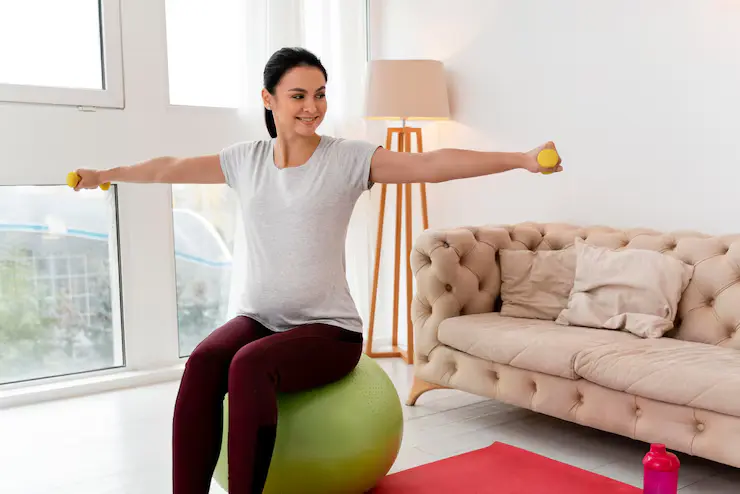
    Staying active during pregnancy has many benefits, from reducing aches to improving sleep. But when it comes to lifting weights, it’s common to feel unsure. Is it safe? What movements should you avoid? How do you protect yourself and your baby? At Nitrogym, we believe moms-to-be deserve guidance that is safe, simple, and backed by expert knowledge. Whether you’re in your first trimester or nearing the finish line, this guide will help you move smartly and stay confident. Let’s break it down.

    Lifting Weights During Pregnancy

    Is It Safe to Lift Weights While Pregnant?

    In most cases, yes. Lifting weights during pregnancy is not only safe—it can actually help reduce back pain, build stamina for labor, and support better posture. However, it’s crucial to listen to your body and get a green light from your doctor before starting or continuing a routine.

    Key safety tips include:

    • Avoid heavy lifting or pushing yourself to fatigue.
    • Focus on form and control over intensity.
    • Skip exercises that involve lying flat on your back after the first trimester.
    • Stay hydrated and avoid overheating.
    • Use supportive footwear and stay aware of balance changes as your bump grows.

    Best Weight Lifting Moves During Pregnancy

    When done correctly, strength training can help you stay strong, energized, and comfortable throughout your pregnancy. Here are some of the most recommended moves:

    1. Bodyweight Squats                                                                                                                   

    Strengthens the glutes, hamstrings, and core—helpful for posture and balance.

    2. Seated Shoulder Press with Dumbbells                                                                                       

    Supports arm strength and posture, especially helpful for carrying your baby later on.

    3. Resistance Band Rows                                                                                                                       

    Great for strengthening the upper back and improving posture.

    4. Lunges (Static or Assisted)                                                                                                            

    Targets the legs and improves balance.

    5. Bicep Curls                                                                                                                                              

    Bicep Curls helps prepare for lifting your baby and everyday tasks.

    Tips for a Better Night’s Sleep and Mindful Relaxation                                                              

    Pregnancy can disrupt sleep due to discomfort, hormone shifts, and anxiety. Here’s how weight training and recovery can support better rest:

    • Stick to gentle movement in the late afternoon or early evening. Avoid intense workouts too close to bedtime.
    • Add light stretching or yoga before bed to calm the mind and body.
    • Practice deep breathing or meditation for 5–10 minutes before sleeping.
    • Use pillows for support—between knees, under the belly, and behind the back.

    Regular, safe exercise can improve sleep quality and lower stress hormones. Plus, it builds strength for the big day—and helps with recovery too.

    How Nitro Gym Supports Your Recovery Journey

    At Nitrogym, we understand that recovery is just as important as the workout. This is especially true during pregnancy and postpartum.

    Here’s how we support members through every phase:

    1. Recovery-Focused Facilities                                                                                                                

    Our Al Barsha – Lulu and Dubai Silicon Oasis locations feature dedicated recovery spaces, including:

    • Foam rolling zones
    • Stretching areas with mats and props
    • Access to personal trainers who can guide recovery sessions

    2. Expert Personal Training                                                                                                                        

    Our certified trainers have experience working with pregnant women and can:

    • Create custom strength plans suited to each trimester
    • Help modify movements for comfort and safety
    • Offer support after delivery to rebuild strength gently


    3. Calm, Friendly Environment                                                                                                             

    We know how important it is to feel safe and supported. At Nitrogym, you’ll find a welcoming space that values your pace and needs—no pressure, no judgment.

    If you’re searching for a Fitness Gym in Al Bashra that respects every member’s journey, you’ve found the right place.

    What to Avoid When Weight Training During Pregnancy

    It’s just as important to know what not to do. Stay away from:

    • Heavy lifting or anything that requires you to hold your breath (known as the Valsalva maneuver)
    • Crunches or sit-ups, which can put stress on your abdominal wall
    • Jumping or jerky movements
    • Hot environments that could lead to overheating
    • Contact sports or activities with fall risk (like cycling or skiing)


    And remember: if you feel dizzy, short of breath, or notice bleeding or cramping—stop immediately and contact your healthcare provider.

    Common Questions from Dubai Moms-To-Be

    Can I join a gym while pregnant?                                                                                                   

    Yes, especially one that understands pregnancy needs. Nitrogym welcomes pregnant members and offers guidance to support your comfort and health.

    How often should I work out?                                                                                                                              

    2–3 times per week is usually enough. Focus on consistency over intensity.

    What if I’ve never lifted weights before?                                                                                                

    No problem. Start slow, use bodyweight or light dumbbells, and work with a trainer to learn safe form.

    Nitro Gym: A Trusted Fitness Gym in Dubai Silicon Oasis

    If you’re looking for a Fitness Gym in Dubai Silicon Oasis that supports every stage of motherhood, Nitrogym is here for you. Our expert trainers, comfortable space, and recovery-focused setup make us a smart choice for expecting mothers.

    Plus, we’re proud to have a supportive community of women at both our Al Barsha – Lulu and Dubai Silicon Oasis branches who encourage each other and share their journeys.

    Whether it’s your first baby or your third, your body deserves care and respect—inside and outside the gym.

    Staying Strong and Safe Through Every Trimester

    Lifting weights during pregnancy isn’t just possible—it can be empowering, healthy, and helpful. With the right moves, a supportive gym like Nitrogym, and guidance from professionals, you can stay strong and prepare your body for motherhood. Always listen to your body, move with intention, and ask for help when needed. Whether you’re just starting or already lifting, Nitrogym is ready to walk this journey with you—one safe rep at a time.

  • Stretching Before VS After the Gym: What Science Say in 2025

    Stretching Before VS After the Gym: What Science Say in 2025

    Stretching Before VS After the Gym: What Science Says in 2025

    We’re here at Nitrogym, our gym in Silicon Oasis, to break down the science for you. Whether you’re a regular or just starting your wellness journey, you’ve probably heard a lot about stretching. But when is the best time to limber up? Before you hit the weights or after you crush your cardio? Science in 2025 has some pretty clear answers.

    Stretching Before VS After the Gym

    Why All the Fuss About Stretching?

    Think of your muscles like rubber bands. If they’re stiff and tight, they’re more likely to snap under pressure. Stretching helps keep them flexible and ready for action. This means a few awesome benefits for you:

    • Better Movement: Flexible muscles allow for a greater range of motion in your joints. This translates to better form during exercises, making your workouts more effective and safer.
    • Injury Prevention: When your muscles are more pliable, they can handle stress better, reducing the risk of strains and sprains.
    • Reduced Muscle Soreness: While it won’t completely erase that post-workout burn, stretching can help improve blood flow to your muscles, potentially easing some of that next-day stiffness.
    • Improved Posture: Regular stretching can help correct muscle imbalances that contribute to poor posture, making you stand taller and feel more confident.

    The Big Question: When Should You Stretch?

    The answer isn’t a one-size-fits-all. Science suggests that the type of stretching matters, and so does the timing.

    Get Moving with Dynamic Stretches Before Your Workout

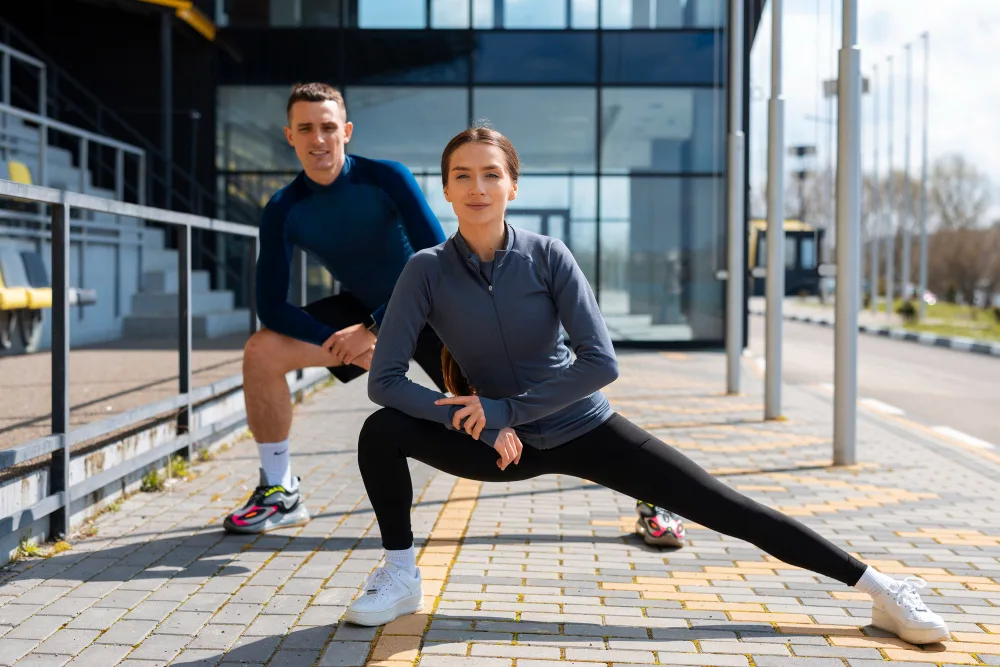
    Think of dynamic stretches as active movements that warm up your muscles and prepare them for the work ahead. These aren’t your hold-it-for-30-seconds static stretches. Instead, they involve controlled movements that gradually increase your range of motion and blood flow.

    Examples of Dynamic Stretches:

    • Arm Circles: Gently swing your arms forward and backward in large circles.
    • Leg Swings: Swing one leg forward and backward, then side to side, keeping your core engaged.
    • Torso Twists: Stand with your feet shoulder-width apart and gently twist your upper body from side to side.
    • Walking Lunges: Step forward into a lunge, alternating legs.
    • High Knees: Jog in place, bringing your knees up high towards your chest.

    Why dynamic stretching before? Research indicates that performing static stretches (holding a stretch for a period) before your workout might actually decrease muscle power and performance. Dynamic stretches, on the other hand, get your muscles firing and ready to go.

    Cool Down and Lengthen: Static Stretches After Your Workout

    After you’ve finished your last set or hopped off the treadmill at our Gym in Dubai Silicon Oasis, it’s time for static stretching. This is when you hold a stretch for about 20-30 seconds, focusing on the muscles you just worked.

    Examples of Static Stretches:

    • Hamstring Stretch: Sit on the floor with your legs straight out and reach for your toes.
    • Quadriceps Stretch: Stand and grab your ankle, pulling your heel towards your glutes.
    • Calf Stretch: Lean against a wall with one leg straight back and the other bent forward.
    • Triceps Stretch: Reach one arm overhead and bend your elbow, using your other hand to gently pull your elbow further.
    • Chest Stretch: Clasp your hands behind your back and straighten your arms, gently lifting your chest.

    Why static stretching after? This helps your muscles gradually cool down, improves flexibility over time, and may reduce post-workout soreness.

    Stretching to Treat Pain and Injuries: Listen to Your Body

    If you’re dealing with pain or recovering from an injury, stretching can be a valuable tool. However, it’s crucial to approach this with caution and, ideally, under the guidance of a physical therapist or healthcare professional. They can identify the root cause of your pain and recommend specific stretches to help you heal and regain mobility.

    PT Tip from Nitrogym: Stretching Should Not Hurt!

    This is a golden rule. Stretching should feel like a gentle pull, not a sharp pain. If you experience pain, ease off the stretch immediately. Pushing yourself too hard can lead to injury, which is the opposite of what you’re trying to achieve. Listen to your body – it knows best!

    How Nitrogym Can Help You on Your Stretching Journey

    At Nitrogym, your well-being is our priority. Our trainers understand the science behind stretching and can guide you on the best practices for your individual needs and fitness goals. Whether you’re a beginner or a seasoned athlete, we can help you:

    • Learn proper stretching techniques: Ensuring you’re performing each stretch correctly for maximum benefit and safety.
    • Incorporate stretching into your workout routine: We can design a well-rounded fitness plan that includes the right types of stretches at the right times.
    • Address specific flexibility concerns: If you have tight muscles or limited range of motion, we can recommend targeted stretches to help improve these areas.
    • Provide a supportive environment: Our Gym in Dubai Silicon Oasis and our Al Barsha – Lulu location offer a comfortable and motivating space for you to focus on your fitness, including your flexibility.
    Your Flexible Future Starts Now

    Stretching is a vital component of any fitness routine. By understanding the science behind dynamic and static stretching and when to perform them, you can optimize your workouts, reduce your risk of injury, and improve your overall well-being. So, whether you’re in Dubai Silicon Oasis or Al Barsha – Lulu, come down to Nitrogym and let our team help you unlock your full potential, one stretch at a time! Remember, consistency is key, so make stretching a regular part of your healthy lifestyle.

  • Staying Hydrated: Essential Tips for Training in the Hot Weather

    Staying Hydrated: Essential Tips for Training in the Hot Weather

    Physical training requires much more than just determination. It requires discipline, adaptability, and a deep understanding of your own body’s needs. Whether you’re hitting the track, lifting
    weights, or powering through a high-intensity session, training in the UAE’s scorching heat requires smart preparation. You need to fuel your body with the right amount of fluids. To maintain peak performance, you can’t push your limits and avoid the risks of heat exhaustion or dehydration. Scroll below to understand how you can treat hydration as a core part of your fitness routine.

    Dehydration Warning Signs You Can’t Afford to Miss

    The dry climate combined with sweat loss during exercise can leave your body struggling to keep up. Here are a few warning signs of dehydration that you should not miss out on.

    • Excessive Thirst: If you’re suddenly craving water, it’s likely that dehydration has already begun. Don’t wait until you’re thirsty. Hydrate consistently throughout your workout.
    • Fatigue and Dizziness: Feeling unusually tired, lightheaded, or dizzy during training can indicate that your body is running low on fluids and electrolytes. These symptoms are especially dangerous in the heat and should not be taken lightly.
    • Dry Mouth and Sticky Saliva: A persistently dry mouth or thick, sticky saliva are classic indicators that your hydration levels are dropping.
    • Dark-Coloured Urine: Pale yellow indicates good hydration, while dark yellow or amber can signal dehydration. If you’re not urinating frequently, that’s another concern you must take seriously. If you have persistent issues, you must consult a medical professional.
    • Muscle Cramps: Electrolyte imbalances caused by fluid loss can lead to painful muscle cramps. These often hit during or after intense activity, especially in hot conditions.
    • Headaches: A dehydrated body often responds with a throbbing headache. If you find yourself battling head pain during or after your session, it should be taken as a sign of dehydration.
    • Confusion or Trouble Focusing: Mental fog, irritability, or difficulty concentrating during your workout may be signs of more severe dehydration.
    • Rapid Heartbeat or Breathing: An unusually fast heart rate or shortness of breath can signal that your cardiovascular system is working overtime to compensate for fluid loss.
    Staying Hydrated: Essential Tips for Training in the Hot Weather

    Smart Hydration Tips

    Well, the warning signs above clearly indicate how severe consequences dehydration can have. Let’s take a look at what steps you can take to combat this situation in different stages.

    Pre-Training

    Proper hydration starts before your workout begins. Enter your gym or start your workout with a well-hydrated body to reduce the risk of fatigue and heat-related issues.

    • Start Early: Begin hydrating at least 2–3 hours before exercise. Aim for 500-600 ml of water during this window.
    • Add Electrolytes: Consider having a low-sugar electrolyte drink to maintain sodium and potassium balance.
    • Eat Water-Rich Foods: Incorporate fruits like watermelon, oranges, and cucumber into your pre-workout meals.
    • Avoid Diuretics: Skip coffee or energy drinks right before training.
    • Check Your Urine Color: If urine colour is darker, drink more water before heading out.

    During Training

    Once you start moving, your body loses fluid more quickly. Here are some smart hydration tips you should follow while you train.

    • Sip it: Drinking small amounts frequently (every 15 or 20 minutes) is more effective than gulping down large quantities at once.
    • Customize for Conditions: In high humidity or extreme heat, increase your fluid intake. 200-300 ml should be fine, but you should customise it according to the outer environment and your body’s conditions.
    • Drink Chilled Fluids and Electrolytes: If possible, drink chilled fluids. They not only hydrate but also help regulate body temperature.

    Post-Workout Hydration

    Post-training hydration is equally important for full recovery. Here are a few tips you must follow to avoid any kind of fluid loss.

    • Weigh Yourself Before and After: For every 0.5 kg lost during training, drink about 500-600 ml of fluid to restore balance.
    • Go Beyond Water: Coconut water, sports drinks with balanced sodium and potassium, or oral rehydration solutions are great options.
    • Hydrating Meals: Eat a nutrient-rich meal post-training with hydration in mind. Add leafy greens, broth-based soups, or fruits like pineapple and berries.
    • Monitor Your Body: For the next few hours, continue checking your urine color and energy levels. If you’re still feeling sluggish or lightheaded, you likely need more fluids.
    • Avoid Alcohol and Excess Caffeine: Both can delay recovery and increase dehydration risk post-workout.

    Above all, we will suggest you time your workout sessions wisely. Aim for early morning or later in the evening to avoid peak heat. Keep looking out for the warning signs and address them as soon as possible. You should even consider using hydration packs or belts if you are going for long runs or hikes.


    Training in heat does not imply compromising your performance. Follow the above-mentioned smart hydration strategies and keep pushing your limits safely.


Call Now Button