Category: General

  • Maximizing Your Gym Membership: Getting the Most Out of Your Investment 

    Maximizing Your Gym Membership: Getting the Most Out of Your Investment 

    Joining a gym is a fantastic investment in your health and fitness. However, simply signing up and showing up isn’t enough to make the most of your membership. To truly maximize your gym experience and get the best return on your investment, it’s important to be proactive and take advantage of all the resources available to you. In this blog post, we’ll explore several tips to help you make the most out of your gym membership and achieve your fitness goals. 

    Set clear goals

    Having clear fitness goals before stepping foot in the gym is crucial for staying focused and motivated throughout your journey. Clear objectives provide you with a sense of direction and purpose, helping you create a plan of action to achieve your desired results. They serve as a constant reminder of why you started and can inspire you to push through challenges. Additionally, clear goals allow you to measure your progress, whether it’s tracking weight loss, strength gains, or improvements in endurance. By customizing your workout routine based on your goals, you can make it more effective and tailored to your specific needs.

    Take Advantage of Orientation Sessions

    Orientation sessions offered by gyms are a valuable opportunity for new members to familiarize themselves with the equipment, facilities, and safety guidelines. These sessions provide guidance on how to properly use the machines, demonstrate correct form, and help you navigate the gym effectively. They also allow you to ask questions and gain a better understanding of how to structure your workouts. By attending orientation sessions, you’ll start your fitness journey with the knowledge and confidence needed to maximize your gym experience and achieve your goals.

    Explore Group Fitness Classes

    Group fitness classes are a fantastic way to add variety and motivation to your workout routine. From yoga and Zumba to spinning and HIIT, there’s a class for every interest and fitness level. Participating in group classes not only helps you stay accountable but also allows you to learn new exercises and techniques from qualified instructors.

    Utilize Personal Training Sessions

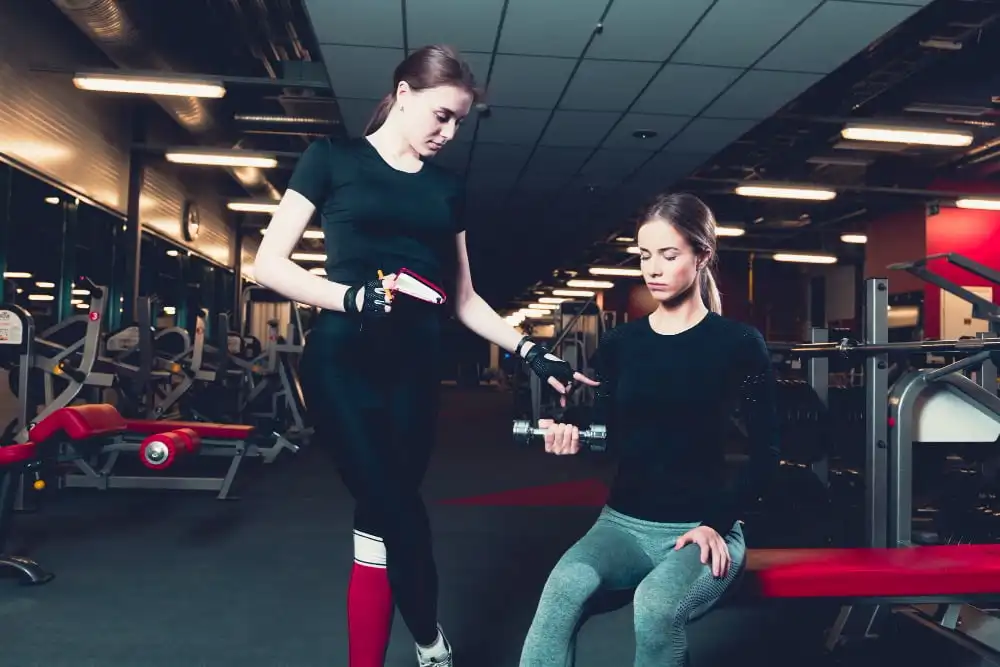
     If you’re new to the gym or need extra guidance, consider investing in a few sessions with a personal trainer. They can assess your fitness level, create a personalized workout plan, and provide valuable instruction on proper form and technique. Working with a trainer can accelerate your progress and prevent injuries.

    Mix Up Your Workout Routine

    Doing the same exercises day after day can lead to plateaus and boredom. To keep your workouts exciting and effective, vary your routine. Incorporate a mix of cardiovascular exercises, strength training, and flexibility work. Try new machines, free weights, or even experiment with different workout styles like circuit training or interval training.

    Track Your Progress

    Keeping track of your workouts, progress, and achievements is crucial for long-term success. Whether you use a fitness app, a journal, or a spreadsheet, record your workouts, weights lifted, distances run, and any other relevant data. Not only will this help you monitor your progress, but it will also provide motivation as you see how far you’ve come.

    Take Advantage of Additional Amenities

    Many gyms offer additional amenities beyond the workout areas. Take advantage of these perks to make the most of your membership. Relax in the sauna or steam room, take a dip in the pool, or join a sports league. These extras can enhance your overall gym experience and provide additional avenues for staying active and engaged.

    In conclusion, maximizing your gym membership requires more than just showing up. By setting clear goals, taking advantage of orientation sessions, exploring group fitness classes, utilizing personal training, mixing up your routine, tracking your progress, and making use of additional amenities, you can make the most out of your investment. Remember, consistency is key, so commit to a regular workout schedule and stay motivated on your fitness journey. Happy exercising!

  • How to Avoid Overtraining and Recognize the Signs of Burnout

    How to Avoid Overtraining and Recognize the Signs of Burnout

    As athletes and fitness enthusiasts, our dedication and drive push us to constantly strive for improvement. While training hard is essential for achieving our goals, it is equally important to understand the significance of recovery and the potential consequences of overtraining and burnout. This article aims to shed light on effective strategies to avoid overtraining and recognize the signs of burnout, helping athletes maintain optimal physical and mental well-being.

    Listen to Your Body

      One of the most crucial elements in preventing overtraining is actively listening to your body. It is important to be attentive to signals such as excessive fatigue, persistent muscle soreness, decreased performance, disrupted sleep patterns, or changes in appetite. These signs indicate that your body may require additional rest and recovery. By recognizing and responding to these signals, you can make informed decisions about adjusting your training routine to maintain a healthy and sustainable approach to physical activity.

    Prioritize Rest and Recovery

    Rest and recovery are essential for allowing your body to adapt and grow stronger. Make sure to incorporate sufficient rest days into your training schedule. Quality sleep, proper nutrition, and hydration are also crucial for effective recovery. Don’t overlook the importance of relaxation techniques like meditation or deep breathing exercises to reduce stress and promote recovery.

    Vary Your Training

    Repetitive training routines can lead to overuse injuries and mental fatigue. Incorporate variety into your workouts by including different exercises, training methods, or sports. Cross-training can not only reduce the risk of overtraining but also enhance your overall fitness by engaging different muscle groups and movement patterns.

    Gradually Increase Intensity

    Progression is important for achieving fitness goals, but it should be done gradually. Rapidly increasing the intensity, volume, or frequency of your workouts can lead to overtraining. Follow a structured training plan that includes periodization, which involves systematically adjusting your training variables to avoid plateaus and overexertion.

    Implement Deload Weeks

    Regularly scheduled deload weeks can be a valuable tool to prevent overtraining. During a deload week, reduce the volume or intensity of your training to allow for recovery and adaptation. This period of decreased training stress helps restore your body’s energy stores and improves overall performance in the long run.

    Manage Stress

    Stress from various sources, such as work, relationships, or personal issues, can contribute to overtraining and burnout. Find healthy ways to manage stress, such as engaging in activities you enjoy outside of training, practicing relaxation techniques, or seeking professional help if needed. Incorporating stress-reducing practices into your routine can positively impact both your physical and mental well-being.

    Pay Attention to Emotional Well-being

    Burnout is not solely a physical phenomenon; it also affects your emotional well-being. Keep an eye out for signs of emotional exhaustion, irritability, decreased motivation, or a loss of enjoyment in your training. If you notice these signs, take a step back and assess whether you need to adjust your training or seek additional support.

    Seek Support

    Don’t hesitate to reach out to professionals such as coaches, trainers, or sports psychologists for guidance and support. They can help you navigate the fine line between pushing yourself and overtraining, providing personalized advice tailored to your specific needs and goals.

    Avoiding overtraining and recognizing the signs of burnout are paramount for maintaining a healthy and sustainable training routine. Remember, training should enhance your life rather than detract from it.

  • How much does a gym membership cost in Dubai?

    How much does a gym membership cost in Dubai?

    Dubai, known for its lavish lifestyle and modern infrastructure, offers a wide range of gym options for fitness enthusiasts. Whether you’re a resident or a visitor in Dubai, you’ll find a plethora of gyms catering to various fitness goals and preferences. From basic fitness centers to high-end luxury facilities, Dubai’s gym scene has something for everyone.

    Gym membership options in Dubai cater to various preferences and budgets. Whether you’re looking for a no-frills gym experience or a luxurious wellness retreat, you’ll find options to suit your needs. The cost of a gym membership in Dubai can vary based on factors such as the gym’s location, facilities, services, and membership duration.

    To get accurate and up-to-date information on gym membership costs and offerings, it’s recommended to contact gyms directly or visit their websites. This allows you to explore the options available in Dubai and select a gym membership that aligns with your fitness goals and budget.

    Basic Gym Membership 

    Basic gym memberships in Dubai provide access to essential fitness equipment and facilities needed for a workout routine. These gyms typically have a range of cardio machines, strength training equipment, and free weights. While they may not offer additional amenities like swimming pools, spa services, or specialized classes, they provide a solid foundation for those seeking a no-frills gym experience.

    The cost of a basic gym membership in Dubai can vary depending on factors such as the gym’s location, size, and the specific services and equipment available. On average, you can expect to pay around AED 200 to AED 500 per month for a basic gym membership.

    These memberships are suitable for individuals who have a specific workout routine or prefer to focus on independent exercise without the need for extra services or amenities. Basic gym memberships offer an affordable option for staying fit and maintaining an active lifestyle in Dubai.

    Premium gym membership

    Premium gym memberships in Dubai offer a higher level of luxury, exclusivity, and additional amenities beyond standard gym facilities. These memberships cater to individuals seeking an elevated fitness experience and are willing to invest in a more comprehensive and upscale offering. The cost of a premium gym membership can vary depending on factors such as reputation, location, facilities, services, and level of exclusivity. On average, monthly fees range from AED 500 to AED 2,000 or more.

    Premium gyms in Dubai provide state-of-the-art exercise equipment, spacious workout areas, and stylish interiors. They often include specialized workout zones, such as areas for functional training and well-appointed locker rooms. Premium memberships typically grant access to luxurious amenities like swimming pools, saunas, steam rooms, jacuzzis, and spa facilities, allowing members to unwind and rejuvenate after their workouts. These memberships also offer personalized services such as personal training sessions, tailored workout plans, nutritional guidance, and access to exclusive classes or workshops conducted by expert trainers. The emphasis on customer service ensures a seamless and enjoyable fitness journey for members. 

    Long-term membership 

    Long-term gym memberships in Dubai are an option for individuals who are committed to their fitness journey and prefer the convenience and cost-effectiveness of a longer-term commitment. These memberships, which can range from six months to a year or more, often come with discounted rates compared to monthly options. The cost of long-term memberships varies depending on factors such as the gym’s pricing structure and facilities, starting from around AED 1,500 for six months. In addition to cost savings, long-term memberships provide a sense of commitment and motivation, allowing individuals to maintain a consistent fitness routine without the hassle of monthly renewals. Long- term members may also enjoy extra benefits like getting extra months, freezing flexibility, pt assistance, etc. 

    When considering a long-term gym membership in Dubai, it’s important to carefully review the terms and benefits offered by different gyms. Assess your fitness goals, level of commitment, and budget to determine if a long-term membership aligns with your needs. Comparing costs and benefits among gyms will help you make an informed decision and choose a membership that offers the best value for your fitness journey. Overall, long-term gym memberships offer convenience, cost savings, and additional perks for individuals seeking a consistent and committed approach to their fitness routine.

    Additional Costs

    When considering a gym membership in Dubai, it’s important to be aware of the potential additional costs that may come along with it. These additional costs can vary depending on the gym and the specific services or amenities you choose to access. Understanding these potential expenses upfront can help you make an informed decision and plan your budget accordingly.

    It’s essential to carefully review the membership details and terms provided by the gym to have a clear understanding of any potential additional costs. By being aware of these extra expenses, you can plan your budget effectively and make an informed decision about the gym membership that best suits your needs and financial considerations.

    Why Choose Nitro? 

    When it comes to selecting a gym in Dubai, there are numerous options available, each with its own unique offerings. One such standout establishment is Nitro Gym, renowned for its exceptional facilities and an array of specialized services that set it apart from the rest.

    Specialties

    Nitro Gym specializes in catering to a diverse range of fitness goals and preferences. Whether you’re a bodybuilder, a powerlifter, a professional athlete, or someone looking to improve overall fitness, Nitro Gym has you covered. With a team of experienced trainers and coaches, Nitro Gym offers personalized training programs and expert guidance tailored to individual needs. Their specialized knowledge and attention to detail ensure that members receive the support necessary to achieve their desired results.

    24*7 Open 

    The 24*7 operating schedule of Nitro Gym offers a significant advantage to its members. It caters to individuals with varying schedules, whether they have unconventional work hours, prefer to exercise during late hours, or have commitments that limit their availability during regular business hours. By providing constant access, Nitro Gym accommodates a diverse range of individuals and their fitness needs. Professional athletes, shift workers, busy parents, or individuals seeking to establish a consistent exercise routine may find it highly advantageous to have a “gym that never closes.”

    Amenities 

    Nitro Gym boasts state-of-the-art facilities designed to provide an optimal workout experience. The gym is equipped with a wide range of high-quality fitness equipment, including free weights, resistance machines, and cardio machines. The spacious workout areas allow for ample room to exercise and accommodate a variety of training styles. Additionally, Nitro Gym offers dedicated zones for functional training and specialized equipment, catering to specific fitness modalities.

    Offers and Affordability

    Nitro Gym offers a variety of membership options designed to accommodate different preferences and budgets. From flexible monthly memberships to cost-effective long-term packages, Nitro Gym ensures there is a plan suitable for everyone. The affordability factor makes the Gym an accessible choice for individuals seeking quality fitness services without straining their finances.

    Perks

    One of the standout perks of Nitro Gym is its supportive and inclusive community. The gym fosters a welcoming environment where individuals of all fitness levels can feel comfortable and motivated. The friendly and knowledgeable staff are readily available to offer guidance, advice, and encouragement, ensuring that members feel supported on their fitness journey.

    Whether you are a seasoned athlete or just beginning your fitness journey, Nitro Gym in Silicon Oasis and Al Barsha offers the expertise, facilities, and community support necessary to help you achieve your goals. With a commitment to affordability, the Gyms in Al Barsha and Oasis ensures that quality fitness services are accessible to a diverse range of individuals. Choose Nitro Gym to embark on a fitness journey that empowers you to reach your full potential while staying within your budget.

  • How to Choose the Right Gym in Silicon Oasis for bodybuilding

    How to Choose the Right Gym in Silicon Oasis for bodybuilding

    Silicon Oasis, known for its vibrant and dynamic community, offers a variety of gyms to choose from. However, not all gyms are created equal, and it’s important to carefully evaluate your options before committing to a membership. By considering the following factors, you can ensure that you select a gym that aligns with your bodybuilding aspirations and helps you reach your full potential.

    From the location and convenience of the gym to the availability of specialized bodybuilding equipment, each aspect plays a vital role in your overall experience. Furthermore, the expertise and support of the trainers and staff, as well as the cleanliness and hygiene of the facility, contribute to a safe and motivating environment.

    By taking the time to research and visit different gyms in Silicon Oasis, you can make a well-informed decision that suits your bodybuilding needs and preferences. Remember, selecting the right gym is an investment in your health, fitness, and personal growth, so choose wisely to ensure a rewarding bodybuilding journey.

    1.Location 

    Location plays a crucial role in determining the feasibility and convenience of attending a gym for bodybuilding. Here’s why it is important to choose a gym with a suitable location:

    Proximity: 

    Selecting a gym that is close to your home or workplace has numerous advantages. A gym that is nearby makes it more convenient for you to incorporate regular workouts into your daily routine. You will save time and effort that would otherwise be spent on commuting long distances. 

    Accessibility: 

    Consider the accessibility of the gym in terms of transportation options. If you rely on public transportation, having a gym located near bus stops or metro stations makes it easier for you to reach the gym without hassle. It eliminates the need for long walks or additional transfers, ensuring that you can get to the gym efficiently. Similarly, if you prefer driving, ensure that the gym offers ample parking space to avoid any parking-related inconveniences.

    Surrounding Amenities:

     Look for a gym that is located in an area with additional facilities that can support your bodybuilding journey. Having healthy food options nearby allows you to refuel with nutritious meals after your workouts. Proximity to supplement stores can make it convenient for you to access the necessary supplements for your training needs. 

    2.Equipment 

    When evaluating the equipment available at the gym for bodybuilding, it is essential to consider the following aspects:

    Variety of Equipment: 

    Look for a gym that provides a wide range of equipment suitable for bodybuilding. The gym should have a mix of free weights, resistance machines, and cardiovascular equipment. Free weights, such as barbells and dumbbells, are crucial for exercises like bench presses, squats, and deadlifts, which target multiple muscle groups. Resistance machines can be beneficial for isolating specific muscles and providing stability during exercises. Cardiovascular equipment like treadmills, ellipticals, and stationary bikes offer opportunities for warm-ups, cool-downs, and cardiovascular workouts.

    Condition and Maintenance: 

    Inspect the condition of the equipment to ensure that it is well-maintained and in good working order. Check for signs of wear and tear, such as broken or worn-out parts, loose cables, or squeaky mechanisms. Well-maintained equipment not only ensures a safe workout environment but also allows you to perform exercises effectively and efficiently.

    Sufficient Quantity: 

    A gym with an adequate number of equipment ensures that you can seamlessly transition between exercises without delays. This is particularly important for bodybuilding, as it often involves performing multiple sets and repetitions with minimal rest time.

    Specialized Equipment: 

    Depending on your specific bodybuilding goals, consider if the gym provides specialized equipment that caters to your needs. This may include squat racks, cable machines, Smith machines, leg press machines, or specific weightlifting platforms. Specialized equipment can enhance the variety of exercises you can perform and target specific muscle groups more effectively.

    Safety Features: 

    Ensure that the gym has safety features in place, such as mirrors for proper form checking, sufficient space between equipment to prevent collisions, and safety mechanisms on machines. Safety should be a priority to minimize the risk of injuries during your workouts.

    By carefully assessing the variety, condition, quantity, specialization, and safety features of the equipment, you can choose a gym that provides the necessary tools for your bodybuilding journey. This will allow you to perform a wide range of exercises, target specific muscle groups, and progress effectively towards your fitness goals.

    3.Size and space 

    When considering the size and space of a gym, it is important to take the following factors into account:

    Workout Area

    A spacious gym provides ample room for movement and minimizes the risk of accidents or collisions, especially during peak hours. Sufficient space allows you to perform exercises comfortably without feeling cramped or restricted, ensuring a safe and effective workout experience.

    Weightlifting Area: 

    Check if the gym has a designated weightlifting area or a dedicated space for free weight exercises. This area should have enough room to accommodate multiple individuals performing exercises simultaneously, such as deadlifts, squats, or barbell lifts. Adequate space in the weightlifting area allows for proper form and technique execution without feeling crowded or restricted.

    Cardiovascular Area: 

    Consider the size and availability of equipment in the cardiovascular area. If the gym offers a range of cardio equipment like treadmills, ellipticals, or stationary bikes, ensure that there is enough space between machines to allow for comfortable usage. 

    Group Exercise Classes:

     If you plan on participating in group exercise classes, such as aerobics, Zumba, or spinning, check if the gym has dedicated studio spaces for these activities. The studio should have enough room to accommodate participants comfortably, with ample space for movements and routines. A spacious studio enhances the overall experience and allows for proper form and movement during group workouts.

    Changing Rooms and Amenities

    Consider the size and cleanliness of the changing rooms, showers, and other amenities. Sufficient space in the changing rooms ensures that you can comfortably change and store your belongings without feeling crowded. Clean and well-maintained facilities contribute to a positive gym experience and promote good hygiene practices.

    4.Trainers and staffs 

    Having professional and supportive trainers and staff members in your gym can greatly enhance your bodybuilding experience. Here’s a more detailed explanation of what to consider when evaluating the trainers and staff at a gym.

    Qualifications and Experience: 

    Inquire about the qualifications, certifications, and experience of the gym’s trainers. Experienced trainers are more likely to have a deep understanding of exercise physiology, proper form, and technique, enabling them to guide you effectively in your bodybuilding journey.

    Specializations:

    Consider whether the trainers have any specializations relevant to bodybuilding, such as strength training, muscle building, or nutrition. Trainers with specialized knowledge can provide valuable insights and customized workout plans tailored to your specific goals.

    Personalized Attention: 

    Assess whether the trainers are approachable, attentive, and willing to provide personalized attention. A good trainer will take the time to understand your goals, assess your fitness level, and design a workout program that suits your needs. They should be available to answer your questions, provide guidance on proper technique, and help you progress in your workouts.

    Feedback and Support:

     A supportive and encouraging trainer can make a significant difference in your motivation and progress. Look for trainers who provide regular feedback, track your progress, and offer constructive criticism to help you improve. They should be able to motivate you during challenging workouts and keep you accountable to your goals.

    Staff Responsiveness: 

    Apart from the trainers, pay attention to the overall responsiveness and helpfulness of the gym’s staff. Friendly and approachable staff members create a welcoming environment and can assist you with any administrative or facility-related queries.

    5.Cost and membership options 

    The cost and membership options of a gym in Silicon Oasis are important considerations when choosing the right one for bodybuilding. Here are some key factors to explore:

    Membership Fees: 

    Compare the membership fees of different gyms in the area. Take into account your budget and determine what you are willing to invest in your fitness goals. Consider whether the gym offers various membership tiers or packages that provide different levels of access and services. Keep in mind that a higher price doesn’t always guarantee a better gym, so assess the value you’ll be getting for the cost.

    Flexible Membership Options: 

    Look for gyms that offer flexible membership options to suit your needs. Some gyms provide monthly, quarterly, semi-annual, or yearly memberships. If you’re uncertain about committing long-term, opt for shorter membership periods initially until you are sure the gym is a good fit for you. 

    Additional Services and Amenities: 

    Consider whether the gym offers any additional services or amenities that may be beneficial to your bodybuilding journey. This could include access to specialized classes, personal training sessions, nutritional guidance, or sports therapy. Evaluate the cost of these additional services and determine if they align with your goals and budget.

    Payment Options:

     Check the available payment methods accepted by the gym. Some gyms offer convenient online payment systems or allow for automatic monthly deductions from your bank account. Ensure the gym’s payment options align with your preferences and ease of managing your membership fees.

     Hidden Costs: 

    Inquire about any potential hidden costs that may not be apparent at first. These could include initiation fees, maintenance fees, locker fees, or charges for specific classes or services. Understanding all the potential costs associated with the gym membership will help you make an accurate cost comparison between different options.

    6.Cleanliness and Hygiene:

    Maintaining a clean and hygienic environment is crucial for any gym, especially when it comes to bodybuilding where sweat and close contact with equipment are common. Here are some aspects to consider when assessing the cleanliness and hygiene standards of a gym 

    Cleanliness of Facilities:

     Take a tour of the gym and observe the overall cleanliness of the facilities. Check if the floors, walls, and common areas are well-maintained, free from dirt, dust, or any unpleasant odors. Ensure that the gym has regular cleaning protocols in place, including disinfection of equipment, locker rooms, showers, and other shared spaces.

    Equipment Maintenance: 

    Inspect the gym’s equipment to see if it is clean and well-maintained. Machines, free weights, benches, and other workout equipment should be regularly sanitized to minimize the risk of infections or the transmission of germs. Ensure that there are proper cleaning stations with disinfectant sprays or wipes readily available for members to clean equipment before and after use.

    Ventilation and Air Quality: 

    Good ventilation is essential for a comfortable and hygienic workout environment. Check if the gym has adequate ventilation systems in place, such as fans or air conditioning, to ensure proper air circulation and freshness. Good air quality helps prevent the buildup of unpleasant odors and reduces the risk of respiratory issues.

    Washrooms and Changing Areas: 

    The cleanliness and hygiene of washrooms, showers, and changing areas are crucial factors to consider. Ensure that these areas are well-maintained, properly cleaned, and stocked with essentials like soap, hand sanitizers, and paper towels. Hygienic facilities contribute to a pleasant and comfortable gym experience.

    Prioritizing cleanliness and hygiene ensures a safer and healthier workout environment, reducing the risk of infections and promoting overall well-being. A gym that demonstrates a commitment to cleanliness and maintains high hygiene standards indicates a focus on member safety and satisfaction.

    By making an informed decision, you can find a gym that aligns with your bodybuilding goals and sets you on the path to success. Remember, finding the perfect gym is an investment in your fitness journey.

  • 5 best exercises and techniques for targeting stubborn body fat

    5 best exercises and techniques for targeting stubborn body fat

    Excess body fat is a critical aspect of overall health, and reducing stubborn body fat can be challenging for many people. Stubborn body fat refers to the fat that is difficult to eliminate, particularly in specific areas such as the hips, thighs, and abdomen. Despite adhering to a healthy diet and regular exercise routine, many individuals struggle to lose this type of body fat.

    However, there are specific exercises and techniques that can help target stubborn body fat. By incorporating these exercises and techniques into your fitness routine, you can achieve your fitness goals and improve your overall health and well-being. In this context, we will discuss the five best exercises and techniques for targeting stubborn body fat, including High-Intensity Interval Training (HIIT), strength training, fasted cardio, a high-fiber diet, and stress reduction. Understanding how each of these approaches works can help you create a customized fitness plan that is tailored to your individual needs and goals. Given below are the five top exercises suggested by the trainers at Nitro Gym in Silicon Oasis

    High-Intensity Interval Training (HIIT)

    High-Intensity Interval Training (HIIT) is an effective exercise method for targeting stubborn body fat. HIIT involves short bursts of high-intensity exercise, followed by short rest periods. This type of exercise can help to increase your metabolic rate, which can lead to increased fat burning and weight loss. HIIT can be done using various exercises, including running, cycling, jumping jacks, or burpees.

    One reason why HIIT is so effective at targeting stubborn body fat is because it causes a metabolic disturbance in the body. This disturbance can increase the number of calories burned during and after exercise, leading to increased fat burning. Additionally, HIIT can help to increase muscle mass, which can further increase your metabolic rate and lead to increased fat burning.

    Strength Training 

    Strength training is another effective exercise method for targeting stubborn body fat. Strength training involves using weights or resistance to build and tone muscles. It can include exercises like squats, deadlifts, bench presses, and lunges, among others. Strength training helps to increase muscle mass, which in turn can increase the metabolic rate and promote fat burning.

    To get the most out of strength training, it’s essential to maintain proper form and gradually increase the weight or resistance over time. You can also switch up your exercises to target different muscle groups and prevent boredom or plateauing. A certified personal trainer can also help you design a strength training program that is customized to your specific needs and goals.

    Fasted Cardio 

    Performing cardiovascular exercise on an empty stomach, also known as fasted cardio, is a popular technique used to promote fat loss. It involves exercising in the morning before breakfast, with the belief that the body will utilize its fat stores for energy, leading to increased fat burning.

    Several studies have demonstrated that fasted cardio can be effective in reducing stubborn body fat. For example, a study published in the British Journal of Nutrition found that individuals who performed fasted cardio burned more fat than those who ate breakfast before exercise. Another study published in the International Journal of Sports Nutrition and Exercise Metabolism reported that fasted cardio led to greater reductions in body fat percentage than non-fasted cardio.

    However, fasted cardio may not be suitable for everyone, especially those with medical conditions such as diabetes, as it may lead to low blood sugar levels and decreased performance. Additionally, fasted cardio can be more intense than exercising after a meal, which may not be ideal for beginners or individuals with low fitness levels. It’s also crucial to refuel your body with a nutritious breakfast after exercise to replenish energy stores and support recovery.

    High-fiber diet 

    A diet that is rich in fiber can offer several benefits, such as curbing appetite, improving digestion, and promoting weight loss. Fiber-rich foods like fruits, vegetables, whole grains, nuts, and seeds are known to regulate blood sugar levels and keep you feeling satiated for longer periods, which can reduce the likelihood of overeating or snacking on unhealthy foods.

    Research has shown that a high-fiber diet can be effective in reducing stubborn body fat. For instance, a study published in the Annals of Internal Medicine revealed that individuals who increased their fiber intake lost more weight than those who didn’t. Similarly, a study published in the Journal of Nutrition found that women who ate more fiber had a lower body fat percentage than those who ate less.

    To incorporate more fiber into your diet, prioritize whole, unprocessed foods, and aim for a daily intake of at least 25 grams of fiber. Some examples of high-fiber foods include oats, quinoa, lentils, broccoli, berries, and chia seeds. If necessary, you may also consider taking a fiber supplement, but it’s crucial to drink plenty of water with it to prevent digestive discomfort. For a customized diet and workout plans, we recommend you to get in contact with the personal trainers at Nitro Gym in Al Barsha. 

    Stress reduction 

    Reducing stress is crucial in effectively targeting stubborn body fat since stress can hinder the body’s ability to lose fat. Stress triggers the release of cortisol, a hormone that increases appetite and cravings for high-fat and high-sugar foods, leading to fat storage, especially around the midsection.

    It is therefore essential to include stress-reducing techniques in your fitness routine to decrease cortisol levels and improve overall well-being. Meditation is a beneficial stress-reducing technique that involves concentrating on the present moment while disregarding distracting thoughts. Regular meditation practice has been scientifically proven to decrease cortisol levels, leading to improved fat burning capacity.

    To achieve your fitness objectives, it is necessary to integrate these exercises and techniques into your daily routine consistently. Keep in mind that it may take time to see results, so perseverance and patience is the key. 

  • 8 Tips for Eating Healthy on a Budget: How to Fuel Your Body Without Breaking the Bank

    8 Tips for Eating Healthy on a Budget: How to Fuel Your Body Without Breaking the Bank

    Eating healthy on a budget is a challenge that many people face, but it is not impossible. With a little bit of planning and effort, it is possible to fuel your body with nutritious food without breaking the bank. Here are eight tips to help you eat healthy on a budget:

    Plan Your Meals

    Meal planning is an essential step to eating healthy on a budget. Prior to going grocery shopping, make sure to allocate time to plan your meals for the entire week. This approach can help prevent the acquisition of unnecessary items and decrease food waste. When you have a plan in place, you can make sure that you’re buying only what you need and avoid impulse buys. Additionally, meal planning can help you save time and money since you won’t have to run to the grocery store multiple times a week.

    Shop Seasonally

    Buying produce that’s in season is an excellent way to save money. When produce is in season, it’s more abundant and therefore less expensive. When you shop for fruits and vegetables, look for what’s in season and plan your meals around those items. You can also check your local farmer’s market for in-season produce, which can often be cheaper than the grocery store.

    Buy in Bulk

    Buying items in bulk is another great way to save money on groceries. Look for bulk items such as rice, beans, and nuts, which can be used in a variety of dishes. You can also buy meat in bulk and freeze it in portions to use in future meals. When buying in bulk, make sure to check the unit price to ensure that you’re getting the best value.

    Cook at Home

    Eating out can be expensive, and you have less control over the ingredients in your meals. Preparing meals at home provides the advantage of managing ingredient selection and serving sizes, which can lead to cost savings and improved dietary habits. When cooking at home, you can use fresh ingredients and experiment with different recipes. Additionally, you can make large batches of food and freeze them for later, which can save you time and money in the long run.

    Use Meat as a Condiment

    Meat is often the most expensive item on the grocery list. Using meat as a condiment rather than the main ingredient in a meal can help you save money while still getting the protein you need. For example, you can use a small amount of meat to flavor dishes such as stir-fries or soups rather than as the main component. You can also substitute meat with plant-based proteins like beans, lentils, or tofu, which are cheaper and still provide essential nutrients.

    Eat Vegetarian Meals

    Eating vegetarian meals is a budget-friendly way to get the nutrients your body needs. Beans, lentils, and tofu are highly nutritious protein sources that can be utilized in various dishes. It is recommended to integrate vegetarian meals into your weekly meal planning at least once or twice to experience their benefits.

    Buy Generic Brands

    Generic or store-brand items are often cheaper than name-brand items but are still just as nutritious. Look for generic items such as canned vegetables, beans, and frozen fruits, which can save you money without sacrificing quality. When buying generic brands, make sure to read the ingredient list to ensure that you’re getting the same quality as name-brand items.

    Pack Your Lunch

    Packing your lunch is an excellent way to save money and eat healthy. When you pack your lunch, you can control the ingredients and portion sizes, which can help you maintain a healthy diet. Additionally, packing your lunch can help you avoid impulse buys and save time since you won’t have to leave work to find food. You can also make larger portions of dinner and pack the leftovers for lunch the next day. 

  • 8 Tips for Improving Your Posture: How to Correct Common Postural Issues

    8 Tips for Improving Your Posture: How to Correct Common Postural Issues

    Good posture is essential for maintaining a healthy spine and preventing chronic pain and injury. Poor posture may lead to neck and back discomfort, headaches, and other potential health issues. In today’s world, many of us spend long hours sitting in front of a computer, which can take a toll on our posture. Fortunately, there are several ways to improve your posture and correct common postural issues. By incorporating some simple tips and habits into your daily routine, you can maintain a healthy spine and improve your overall health and well-being.

    These are some tips by the professional experts at Nitro Gym in Silicon Oasis. By following these tips, you can maintain good posture and prevent chronic pain and injury, allowing you to live a happier, healthier life.

    Be Aware of your posture 

    The first step to improving your posture is to be aware of it. Many of us tend to slouch or hunch over while sitting or standing, especially when we are tired or stressed. Unfortunately, poor posture can lead to a host of health problems, including neck and back pain, headaches, fatigue, and even breathing difficulties.

    To become more aware of your posture, start by paying attention to your body throughout the day. Notice how you sit at your desk, stand in line at the grocery store, or walk down the street. Are you slouching or hunching over? Are your shoulders rounded or pulled back? Is your head tilted forward or aligned with your spine?

    Once you become more aware of your posture, you can start making small adjustments to correct it. For example, if you notice that you tend to hunch over while working at your desk, try raising the height of your computer screen or adjusting your chair to provide better back support. Or, if you tend to lean on one leg while standing, try shifting your weight to both feet and keeping your knees slightly bent. Over time, these small changes can have a big impact on your overall health and well-being.

    Sit Up Straight 

    Poor posture while sitting can cause pain in the neck, back, and shoulders, particularly when sitting for long periods. To sit up straight, adjust your chair to the right height so that your feet are flat on the ground and your knees are at a 90-degree angle. Make sure that the chair provides good lumbar support to maintain the natural curve of your lower back. Pull your shoulders back and down, away from your ears, to open up your chest and align your shoulder joints. Keep your head level with your spine to avoid craning your neck forward.

    Engage your core by tightening your abdominal muscles to support your spine. Take breaks every 30 minutes or so to stand up and move around to prevent stiffness and improve circulation. Lastly, use proper ergonomics by positioning your keyboard and mouse at a comfortable height to avoid straining your arms and shoulders. Don’t forget to adjust your computer screen so that the top of the screen is at or slightly below eye level. By following these tips, you can maintain good posture while sitting and reduce the risk of developing posture-related pain or discomfort.

    Stand Tall

    To maintain good posture while standing, it’s essential to keep your spine in a neutral position, your shoulders back, and your chest open. This means keeping your spine in a natural and comfortable position, without excessive curvature or rounding. Avoid being too rigid or stiff and instead straighten your spine while pulling your shoulder blades together and lifting your sternum to align your chest and spine.

    Practicing good posture while standing can have numerous benefits, including improving overall posture, reducing strain on your joints and spine, and boosting your confidence. Consistent practice can help you develop muscle memory, making it easier to maintain good posture naturally. Remember to incorporate these tips into your daily routine to promote proper posture while standing.

    Strengthen Your Core:

     Strengthening your core muscles is crucial for maintaining good posture, as these muscles support your spine and help you maintain a stable, upright position. Your core muscles include the muscles in your abdomen, back, and pelvis. By strengthening these muscles, you can help prevent slouching, hunching, and other postural issues. There are many different exercises you can do to strengthen your core, such as planks, crunches, and bridges. It’s essential to start with exercises that are appropriate for your fitness level and gradually increase the intensity and duration of your workouts as you get stronger.

    Stretch Regularly: 

    Stretching can help improve your flexibility, mobility, and posture. Incorporating regular stretching exercises into your routine can help relieve muscle tension, improve circulation, and reduce the risk of injury. There are many different stretching exercises you can do, such as the seated spinal twist, chest opener stretch, and hamstring stretch. Stretching should be done gently and slowly, holding each stretch for at least 20-30 seconds.

    Practice Good Body Mechanics: 

    Practicing good body mechanics means using proper posture and movement techniques when performing daily activities such as lifting, carrying, and bending. For example, when lifting objects, bend your knees and keep your back straight, and lift with your legs rather than your back. When carrying heavy objects, distribute the weight evenly on both sides of your body. Avoid twisting your spine while bending or lifting.

    Take Frequent Breaks: 

    Prolonged sitting or standing can lead to muscle fatigue, stiffness, and postural issues. Taking frequent breaks can help relieve tension and reduce the risk of developing pain or discomfort. Stand up and move around every 30 minutes or so, stretch your legs, and take a short walk. This can help improve circulation, reduce muscle tension, and help you maintain good posture.

    Get a Professional Evaluation: 

    If you have persistent pain or discomfort, it’s essential to consult a healthcare professional. A physical therapist or chiropractor can evaluate your posture and provide personalized recommendations for improving it. They can also design a customized exercise program to help you strengthen your core muscles and improve your posture. We recommend consulting a personal trainer at Nitro Gym in Al Barsha before doing new exercises to avoid any possible injuries/ difficulties during or after workouts. 

  • 8 Tips for Overcoming Gym Anxiety: How to Feel Confident in the Gym

    8 Tips for Overcoming Gym Anxiety: How to Feel Confident in the Gym

    Going to the gym can be a fantastic way to enhance your physical and mental health. However, the idea of going to the gym can be intimidating and overwhelming for many individuals, resulting in feelings of anxiety. Whether you’re new to the gym or a regular visitor, experiencing self-doubt and anxiety can interfere with your progress and hinder your ability to maintain a consistent workout routine. 

    Fortunately, there are various strategies and techniques you can use to overcome gym anxiety and develop confidence in the gym. Here are some tips given by the personal trainers at the gym in Al Barsha to make yourself confident and overcome gym anxiety. 

    1. Set realistic goals 

    One of the most effective ways to overcome gym anxiety is to set realistic goals. When you set achievable goals, you’ll be more motivated to continue working out, and you’ll feel a sense of accomplishment as you achieve your objectives. It’s crucial to set goals that are specific, measurable, and realistic.

    For example, instead of setting a goal to lose 20 pounds in a month, which is unrealistic and potentially harmful to your health, aim to lose one to two pounds per week. Additionally, instead of aiming to lift a specific amount of weight immediately, set a goal to increase your strength gradually over time.

    Setting goals can also help you stay focused and track your progress. When you see the progress you’ve made, no matter how small, it can motivate you to keep going and help you feel more confident in the gym. Remember to celebrate your achievements, no matter how small they may be.

    2.Wear comfortable clothing 

    Wearing the right clothing can help you feel more confident and comfortable in the gym, allowing you to focus on your workout rather than feeling self-conscious.

    Choosing the right clothing is a matter of personal preference, but it’s generally recommended to wear clothes that are breathable, lightweight, and allow for freedom of movement. Avoid wearing clothes that are too tight or too loose, as they can be distracting and uncomfortable.

    Remember that wearing comfortable clothing is not just about looking good, but also feeling good. The right clothing can help you perform better during your workout, making it easier to reach your fitness goals. 

    3.Choose the right time to go 

    The best time to go to the gym varies depending on your schedule and personal preference. If you prefer a quieter gym experience, try going early in the morning or late at night when there are fewer people around. If you prefer a more social atmosphere, try going during peak hours when the gym is more crowded.

    It’s also a good idea to choose a time when you have more energy and feel more alert. If you’re not a morning person, don’t force yourself to go to the gym early in the morning. Instead, choose a time when you feel most energized and motivated to work out.

    Remember that consistency is key, so choose a time that works best for you and stick to it. Whether it’s early in the morning or late at night, make sure you go to the gym regularly to help build your confidence and make working out a habit.

    4. Plan your workout ahead of time 

    Planning your workout ahead of time can help you overcome gym anxiety by giving you a clear idea of what you’re going to do when you get to the gym. Having a plan in place can reduce the feeling of uncertainty and make you feel more confident in your abilities.

    Decide on the exercises you want to do, the number of sets and reps, and the amount of weight you’ll use. You can also plan out the duration of your workout and the rest periods in between sets.It is recommended to seek the help of a personal trainer or doing some research online. 

    By planning your workout ahead of time, you can arrive at the gym with a clear plan of action, which can reduce anxiety and increase your confidence. It will also help you stay focused and motivated during your workout, making it easier to achieve your fitness goals.

    5. Ask for help 

    Many people feel intimidated or embarrassed to ask for help, but it’s important to remember that everyone has been a beginner at some point.

    If you’re new to the gym or not sure how to use a piece of equipment, don’t be afraid to ask a gym staff member or a personal trainer for help. They are there to assist you and ensure that you’re using the equipment safely and effectively.

    Asking for help can also be a great way to meet new people and make friends at the gym. Many gym-goers are happy to offer advice and support, and asking for help can be a great way to break the ice and start a conversation. Remember that asking for help is not a sign of weakness, but rather a sign of strength and a willingness to learn and improve. You can contact Nitro Gym, one of the top gyms in Silicon Oasis and the personal trainers at the gym will help you solve all your queries and concerns. 

    6. Start with basics 

    It’s common to feel overwhelmed by the variety of equipment and exercises available at the gym, but starting with the basics can help you build a solid foundation of strength and confidence.

    Focus on mastering the basic exercises first, such as squats, lunges, push-ups, and pull-ups. These exercises work multiple muscle groups and are great for building strength and improving overall fitness. Once you feel comfortable with the basics, you can gradually increase the intensity and complexity of your workouts.

    Working with a personal trainer or taking a beginner’s fitness class  can provide guidance and support as you build your strength and confidence at the gym. Keep in mind that progress takes time and that it’s important to start with small, achievable goals. Gradually, you can overcome gym anxiety and build a strong foundation of strength and confidence that will help you achieve your fitness goals over time.

    7. Use headphone 

    Many people feel self-conscious or uncomfortable when working out in a public space, but using headphones can create a sense of privacy and help you focus on your workout.

    Listening to music or a podcast can be a great way to stay motivated and engaged during your workout. Music can provide a distraction from any negative thoughts or feelings, and can help you stay energized throughout your workout.

    Additionally, using headphones can signal to others that you’re in the zone and not interested in socializing, which can help reduce any pressure to engage in conversation or feel judged by others at the gym.

    If you don’t like listening to music or podcasts, consider using noise-cancelling headphones. These can block out any distracting noises and help you stay focused on your workout.

    8. Practice positive self talk 

    Instead of focusing on negative thoughts or comparing yourself to others, try to shift your mindset to a more positive one. Practice telling yourself positive affirmations, such as “I am strong and capable” or “I am making progress every day.”

    Another technique is to focus on your strengths and accomplishments rather than your perceived shortcomings. Celebrate small wins, such as lifting a heavier weight or completing an extra set, and focus on the progress you’re making rather than the areas where you feel you’re lacking.

    If you’re struggling with negative self-talk, consider speaking with a therapist or a mental health professional. They can provide tools and techniques for overcoming negative self-talk and building self-confidence. Don’t forget that everyone has their own unique journey and that you’re there to focus on your own goals and progress. 

  • Power Up Your Plate: The Ultimate Guide to Healthy Protein Sources

    Power Up Your Plate: The Ultimate Guide to Healthy Protein Sources

    People are always confused with how to choose the best v/s worst protein for the upliftment of your health. Protein is an integral macronutrient that is needed by the body for infinite functions such as reconstructing and renovating tissues, generating enzymes and hormones, and nurturing healthy bones, muscles, and skin. It is significant to eat a sufficient amount of protein as part of a healthy diet, but not all sources of protein are generated identical. Some protein sources are observed to be healthier than others due to their nutrient content and impact on health, while others may have negative outcomes on health when consumed in excess.

    In this article, we will discuss the best and worst sources of protein to eat for your health. We will provide an overview of the nutrient content, health benefits, and potential risks associated with various protein sources, including animal-based and plant-based options. By understanding the differences between these protein sources, you can make informed decisions about your diet and choose the best sources of protein to support your health and wellbeing. Our experts from the gym in Dubai Silicon Oasis classify what are the healthy proteins and unhealthy proteins for your health.

    Healthy Protein 

    Healthy protein refers to protein sources that provide essential nutrients and are beneficial for overall health when consumed in moderation as part of a balanced diet. These protein sources contain all the essential amino acids that the body needs to function properly, as well as additional nutrients such as vitamins, minerals, and healthy fats.

    Healthy protein sources can come from both animal and plant-based sources, and may include lean meats, fish, poultry, eggs, dairy products, legumes, nuts, seeds, and whole grains. Choosing healthy protein sources that are low in saturated and trans fats, and free of added sugars and sodium, can help reduce the risk of chronic diseases such as heart disease, diabetes, and obesity.

    In addition, consuming healthy protein sources as part of a balanced diet can help support muscle growth and repair, promote satiety and weight management, and improve overall nutrient intake. It’s important to note that consuming protein in excess of what the body needs can also have negative effects on health, so moderation is the key when it comes to consuming protein.

     There are many sources of healthy protein, including:

    1. Lean meats: Chicken, turkey, beef, pork, and other lean meats are excellent sources of protein, as well as important nutrients such as iron and zinc.
    1. Fish: Fish is a great source of protein and omega-3 fatty acids, which are essential for heart health. Examples of healthy fish include salmon, tuna, mackerel, and sardines.
    1. Eggs: Eggs are a nutrient-dense source of protein, as well as important vitamins and minerals such as vitamin D and choline.
    1. Dairy products: Low-fat or fat-free dairy products such as milk, yoghurt, and cheese are good sources of protein, calcium, and vitamin D.
    1. Legumes: Legumes such as beans, lentils, and chickpeas are high in protein, fibre, and other important nutrients. They are also a good plant-based source of iron.
    1. Nuts and seeds: Nuts and seeds such as almonds, walnuts, chia seeds, and flaxseeds are good sources of protein, healthy fats, and fibre.
    1. Soy products: Soy products such as tofu, tempeh, and edamame are good sources of protein and other important nutrients. They are also a good plant-based source of calcium.
    1. Whole grains: Whole grains such as quinoa, brown rice, and whole wheat bread are good sources of protein and other important nutrients, such as fibre and B vitamins.

    It’s important to choose protein sources that are low in saturated and trans fats, and free of added sugars and sodium, to maximise the health benefits of protein.

    Unhealthy Protein:- 

    Unhealthy protein refers to protein sources that may have negative effects on health when consumed in excess or as part of an unbalanced diet. These protein sources may be high in saturated and/or trans fats, added sugars, and/or sodium, and may lack important nutrients such as fibre, vitamins, and minerals.

    A few examples of unhealthy protein sources are given by our expert team of gym in Al Barsha:

    1. Processed meats: Processed meats such as hot dogs, bacon, and sausage are high in saturated fats, sodium, and preservatives, and have been linked to an increased risk of chronic diseases such as heart disease and cancer.
    1. High-fat meats: Meats such as fatty cuts of beef, pork, and lamb are high in saturated fats and cholesterol, which can increase the risk of heart disease.
    1. Full-fat dairy products: Full-fat dairy products such as whole milk, cheese, and butter are high in saturated fats and cholesterol, which can increase the risk of heart disease.
    1. Fried foods: Fried foods such as fried chicken, fish, and French fries are high in saturated and trans fats and can increase the risk of heart disease and obesity.
    1. Sugary protein bars and shakes: Protein bars and shakes that are high in added sugars and artificial ingredients may contribute to weight gain and increase the risk of chronic diseases when consumed in excess.

    It’s important to consume these protein sources in moderation and as part of a balanced diet to minimise the negative effects on health. Additionally, replacing unhealthy protein sources with healthier options can help improve overall nutrient intake and support long-term health. 

  • A Sound Body via Sound Food Journal

    A Sound Body via Sound Food Journal

    A journal is the best tool to carve yourself out, and it is really helpful to maintain a sound life. But most people neglect or forget to keep a food journal. Research shows that many people’s New Year’s resolutions are to keep a healthy diet and maintain a proper physique, and it is really sad that many of them drop their resolutions only because of a lack of proper planning. Therefore, one has to keep a food journal that can reflect food hygiene. Undoubtedly, food journals are an essential tool for keeping a record of what you eat and drink throughout a day as a way to keep yourself on track.

    Many questions will arise in our mind while planning to maintain a healthy diet. Such as

    – How can I achieve a proper, healthy diet?

    – What kind of diet should I follow according to my body type?

    – Am I a gluttonous being?

    – How often do I exercise?

    – Am I eating fast food each day?

    – Am I eating nuts, vegetables, and fruits properly?

    – How often do I use beverages?

    To ease your doubts, the team experts at Nitro Gym in  Dubai Silicon Oasis and Al Barsha , list out here the five reasons to maintain a food journal.

                  To Create Self Awareness :-

    Knowing yourself is an integral part of a diet journey. By this, we simply mean to find out your “hamartia,” or tragic flaw, which hinders you from keeping a healthy diet. A proper awareness of yourself, including negative and positive food habits, will definitely help to reach towards the goal. Apart from this, you can list out your likes and dislikes. If  writing down every single thing that you eat and drink is done on a daily basis, you will be startled and stunned by what you ingest on a daily basis. The more aware one becomes, the more likely they will be to avoid eating foods that are not good for their wellbeing in the future.

    It can help lose weight by planning properly:-

    “An hour of planning can save 10 hours of doing”, said Dale Carnegie. It seems evident, doesn’t it? It is very important to keep track of what you are consuming in order to lose  or gain weight if you want to do so. But unfortunately most of us fail to maintain a food journal. As a result, one may be able to make the necessary changes in the diet that will catalyze the weight loss or weight gain process that they are striving for.

    To aware about calorie intake :-

    In terms of energy, calories are a measure of the amount of energy contained in a particular food or drink. Food journals help to control how many calories are in the food one eats and control the portion of food accordingly. It is possible to calculate calories very quickly and accurately by recording the food you eat and its amount in your journal.

    To identify food sensitivities :-

    Not all bodies are the same. They are varied according to different criteria such as age, flexibility, diseases, other physical conditions etc. For example, some may be gluten allergic, others may be allergic to shell food etc. A person can easily diagnose these problems with the help of a food journal and they can classify food as per that particular individual’s needs and body type. This will help to discover whether there are items you may be intolerant to and should be limited or avoided in your diet.

    To plan exercise according to diet :-

    Food journals are more beneficial to plan your exercises. It will uncover hidden dietary patterns and help track workouts and achieve a healthy body. Unplanned exercises contrary to the food intake can cause more harm than good to the body. So it is important to maintain an accurate food journal and should plan exercises appropriately.

    In a nutshell, keeping a food journal is a mind blowing practice. Usually these journals are advocated by dietitians, doctors, and healthcare professionals. You can visit the gym in Al Barsha or DSO and choose a free trial pass to experience what it is like to be a member at Nitro Gym. That will guide you to ecstasy!

Call Now Button