
Core Stability vs. Visible Abs: Why Functional Strength Matters More
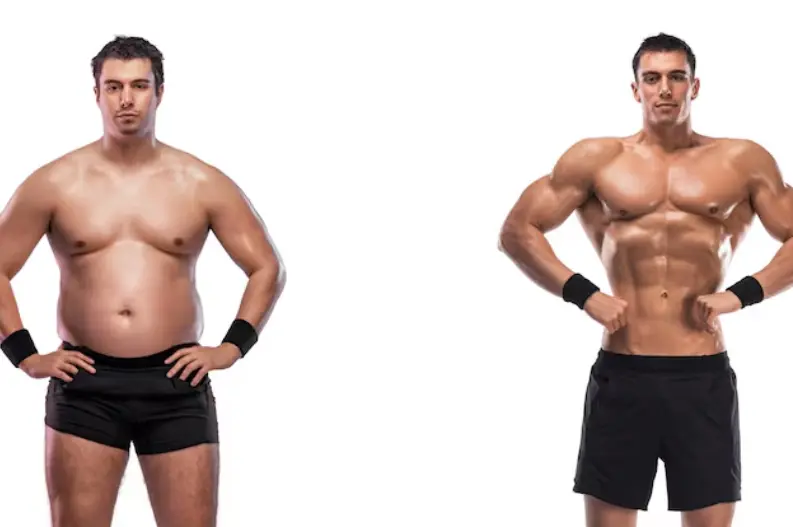
In fitness, visible abdominal muscles are often seen as the ultimate sign of health. However, a six-pack, while aesthetically pleasing, mainly reflects low body fat. For long-term health, injury prevention, and athletic performance, a deep, functional Core Stability is far more valuable than surface definition. This stability is the engine that drives your entire body.
Defining Functional Core Strength
The core is not just your abdominal muscles; it includes all the muscles that wrap around your torso, including the lower back, hips, and deep stabilizing muscles. Core Stability refers to your body’s ability to control your trunk position and motion. When your core is stable, it acts as a rigid anchor, efficiently transferring power between your upper and lower body and protecting your spine from damaging movements.
The Problem with Crunches Alone
Many people focus solely on exercises like crunches and sit-ups to achieve visible abs. While these exercises build the superficial muscles like the rectus abdominis, they often neglect the deeper muscles responsible for stabilization and posture. True functional strength is built using anti-movement exercises—training the core to resist rotation, resist lateral bending, and resist extension—which directly translates to a reduced risk of everyday back injury.
Nitro Gym: Building Functional Core Stability
At Nitro Gym, we prioritize health and functional movement over fleeting aesthetics. We ensure our members build robust, injury-proof bodies. At our gym in dubai silicon oasis, we provide the specific environment and expertise required for focused Core Stability training:
- Specialized Zone: We offer a dedicated functional area with tools like resistance bands, stability balls, and kettlebells that are ideal for stability exercises.
- Expert Correction: Our trainers teach anti-extension and anti-rotation movements (like Pallof Presses and Farmer’s Carries), which are far more effective for deep Core Stability than traditional sit-ups.
- Focus on Technique: We emphasize perfect, slow execution on core movements to ensure the deep stabilizers are engaged, not just the large, superficial muscles.
The Benefits of a Strong Anchor
Investing time in building deep Core Stability provides powerful, life-changing benefits that visible abs cannot offer. These benefits are realized every single day, both in and out of the gym.
- Injury Prevention: A stable core significantly reduces the stress placed on your lower back during lifting, running, or bending.
- Improved Posture: Strong stabilizers pull your shoulders back and keep your spine aligned, naturally combating desk-related slouching.
- Increased Strength: A stable core allows you to lift heavier weights on compound movements like squats and overhead presses by creating a rigid base of support.
- Better Balance and Coordination: Functional core training enhances your body’s ability to react to uneven surfaces and maintain equilibrium.
Essential Core Training Questions
A: Visible abs are primarily a matter of low body fat percentage, which is achieved through diet. However, strengthening your core muscles will make them denser and potentially more prominent once your body fat levels drop low enough.
A: Focus on compound movements and anti-movement exercises. Excellent options include Planks, Side Planks, Pallof Presses, Turkish Get-Ups, and exercises where you carry heavy weights with one hand (unilateral carries).
A: Because the core is involved in almost every major lift, dedicated stability work can be done efficiently 3–4 times per week. The key is to keep the volume short (10–15 minutes) and focus intently on proper form and controlled breathing.
The Long-Term Fitness Investment
While the pursuit of a six-pack is often driven by motivation, the commitment to deep Core Stability is the choice of an athlete focused on longevity. By building a strong, functional anchor, you are investing in a pain-free life, enhanced performance, and the ability to continue training effectively for decades to come.