
The Ultimate Guide to Healthy Protein Sources for Your Diet
Are you eating enough protein, and more importantly, are you eating the right kind? It is one of the most common questions the nutrition-focused trainers at Nitro Gym hear from members who are training consistently but not seeing the results they expect. Healthy protein sources are not all created equal. The right choices support muscle repair, hormone production, and long-term health, while the wrong ones can quietly work against your progress. This guide breaks down what to eat, what to avoid, and how to make informed decisions about protein every day.
Why Protein Matters More Than Most People Realise
Protein is an essential macronutrient that the body relies on for rebuilding tissue, producing enzymes and hormones, and maintaining healthy muscles, bones, and skin. Without sufficient protein, recovery slows, muscle development stalls, and energy regulation suffers.
The key is not just quantity it is quality. Some protein sources deliver a complete amino acid profile alongside valuable micronutrients, while others come loaded with saturated fats, sodium, and additives that undermine the benefits.
The Best Healthy Protein Sources to Include in Your Diet
The trainers at the gym at Silicon Oasis work with members across all fitness levels to build nutrition habits around whole, nutrient-dense protein sources. Here are the options consistently recommended:
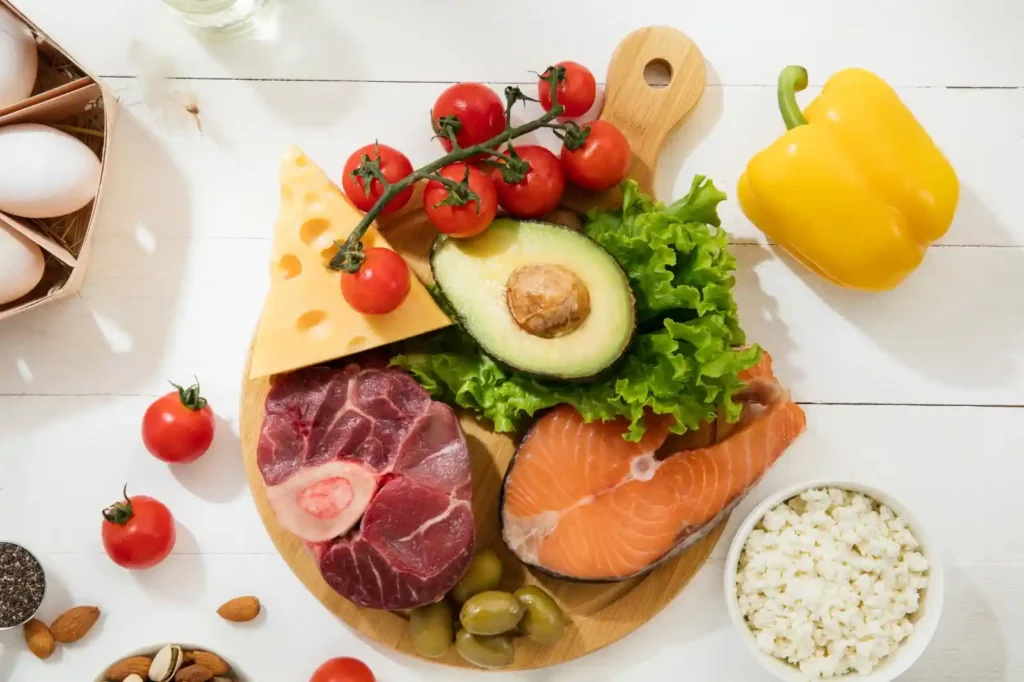
- Lean meats: Chicken, turkey, and lean cuts of beef provide complete protein alongside iron and zinc, making them a reliable daily staple
- Fish: Salmon, tuna, mackerel, and sardines deliver high-quality protein plus omega-3 fatty acids that actively support heart health and reduce inflammation
- Eggs: One of the most nutrient-dense foods available, eggs provide complete protein, vitamin D, and choline in a highly bioavailable form
- Low-fat dairy: Milk, yoghurt, and cheese offer protein, calcium, and vitamin D without the excess saturated fat found in full-fat versions
- Legumes: Beans, lentils, and chickpeas are high in protein and fibre, making them an excellent plant-based option that also supports digestive health
- Nuts and seeds: Almonds, walnuts, chia seeds, and flaxseeds contribute protein, healthy fats, and fibre, ideal as snacks or meal additions
- Soy products: Tofu, tempeh, and edamame provide complete plant-based protein alongside calcium, making them a strong option for non-meat eaters
- Whole grains: Quinoa, brown rice, and whole wheat bread contribute meaningful protein alongside fibre and B vitamins that support sustained energy
Protein Sources to Limit or Avoid
Not all protein-rich foods support good health. The expert trainers at the gyms in Barsha regularly advise members to reduce or eliminate the following from their daily intake:
Processed meats such as hot dogs, bacon, and sausages are high in sodium, saturated fat, and preservatives linked to an increased risk of heart disease and certain cancers. High-fat meat cuts from beef, pork, and lamb raise LDL cholesterol when consumed regularly. Full-fat dairy products in large quantities can contribute excess saturated fat that affects cardiovascular health over time. Fried protein sources, such as fried chicken, fried fish, and similar options, introduce high levels of trans and saturated fats that negate the benefits of the protein itself. Sugary protein bars and shakes loaded with artificial ingredients and added sugars can contribute to weight gain when consumed in excess, despite being marketed as health products.
Moderation is key. These sources do not need to be permanently eliminated, but they should not form the foundation of a high-protein diet.
How to Build a Balanced Protein Intake
Choosing healthy protein sources consistently is more effective than occasional clean eating. Prioritise variety across animal and plant-based options to cover the full amino acid spectrum. Pair protein with fibre-rich foods to support satiety and digestion, and avoid sources high in sodium or added sugar, which blunt the nutritional value of the protein itself.
At Nitro Gym, our trainers help members align their nutrition habits with their training goals — whether that is muscle gain, fat loss, or general health improvement.
FAQs
How much protein do I need per day?
Can I get enough protein from plant-based sources alone?
Are protein supplements necessary if I eat healthy protein sources?
Summing Up
Understanding the difference between healthy protein sources and less beneficial ones is one of the most practical steps you can take towards better nutrition and better results in the gym. Whether you train at the gym at Silicon Oasis or the gyms in Barsha, the team at Nitro Gym is here to help you build a nutrition and training plan that works together. Start with your plate, and the results in the gym will follow.