
Category: Workout Tips

  • What to Do If You’re Not Seeing Results from Your Workouts

    What to Do If You’re Not Seeing Results from Your Workouts

    We all work out regularly with the hope of achieving our dream fitness goals faster. But when you put in so much effort and don’t see the results you expected, it can be frustrating and even make you want to give up. However, giving up is not the solution. Identifying why you’re not seeing results is the first step. Here’s a detailed blog on this topic by the experts at Nitro Gym in Al Barsha & DSO.

    Common Reasons You’re Not Seeing Results

    Before fixing the issue, let’s look at some common mistakes:

    Skipping Workouts: Consistency is everything. Missing workouts can slow down progress.


    Wrong Technique: Bad form can make exercises less effective and lead to injuries.


    Doing the Same Thing Over and Over: Sticking to the same routine? Your body might be too comfortable, and progress has stalled.


    Ignoring Strength Training: Only doing cardio? Strength training builds muscle and boosts metabolism.


    Unrealistic Goals: Setting goals that are too ambitious can leave you discouraged.


    Poor Nutrition: Not eating right? Your body needs fuel to power your workouts.


    No Rest Days: Overtraining is real. Your muscles need time to recover and grow.


    Stress and Lifestyle Habits: Stress, lack of sleep, and unhealthy habits can all sabotage your progress.

    How to Evaluate and Adjust Your Workouts

    Reevaluate Your Routine

    Sticking to the same workouts every day can make your body adapt, which slows down progress. To fix this, try new activities like swimming, kickboxing, or group classes to challenge different muscles and keep things interesting. Increase the intensity by adding heavier weights, doing more repetitions, or reducing rest time between sets.
    Keeping track of your progress in a notebook or app can also help. Note down exercises, weights, reps, and how you feel after each session. This helps you see improvements and identify areas to adjust.

    Focus on Form

    The way you perform each exercise is important. Poor form can cause injuries and limit results. Make sure you’re using proper techniques by watching instructional videos, following expert advice, or asking a trainer for help.
    Using a mirror while exercising can help you check your posture and correct any mistakes. Take your time and focus on controlled movements to ensure your muscles are engaged properly. Good form not only keeps you safe but also improves your results.

    Set Clear Goals

    Having vague goals like “I want to get fit” can make it hard to stay focused. Be specific about what you want to achieve. For instance, instead of saying, “I want to lose weight,” set a clear target like, “I want to lose 5 kg in 3 months by exercising 4 times a week.”
    Breaking your goals into smaller, achievable steps keeps you motivated, and celebrating your progress along the way makes it even more rewarding.

    Prioritize Progressive Overload

    Your muscles need to be consistently challenged to grow stronger. Gradually increase the difficulty of your workouts by adding more weight, doing extra repetitions, or shortening rest periods. This steady progression helps improve strength.

    Balance Cardio and Strength Training

    While cardio is excellent for heart health and endurance, doing too much can burn muscle instead of fat. On the other hand, skipping cardio entirely can limit your stamina. A mix of strength training and cardio helps build muscle, boost metabolism, and improve overall fitness.

    Pay Attention to Recovery

    Recovery is just as important as the workout itself. Use foam rollers or treat yourself to a massage to ease muscle soreness and improve flexibility. Always stretch after workouts to prevent stiffness and maintain a good range of motion.

    Manage Stress

    High stress can increase cortisol levels, which may hinder muscle growth and fat loss. Incorporate stress management techniques like mindfulness, meditation, or yoga into your routine. Reducing stress can improve both your mental and physical performance.

    Track Your Nutrition Closely

    Your diet plays a significant role in your fitness journey. Use food journals or apps to monitor your daily intake and make sure you’re consuming enough protein for muscle repair and carbohydrates for energy. Staying accountable with your nutrition helps support your workout efforts.

    Try Cross-Training

    Mixing up your workouts with activities like swimming, cycling, or dancing keeps your routine fresh and exciting while working different muscle groups. Cross-training also reduces the risk of overuse injuries and enhances overall fitness.

    Monitor Your Progress

    Keep track of your progress by taking photos, recording body measurements, or maintaining a workout diary. Sometimes, the scale might not move, but other signs like increased strength, better endurance, or improved performance show that you’re progressing.

    Avoid Overtraining

    Overtraining can lead to fatigue, injuries, and even a lack of progress. Listen to your body and don’t push yourself beyond your limits. If you feel overly tired, take a step back and allow yourself time to recover.

    Importance of Nutrition and Hydration

    What you eat and drink plays a big role in your fitness progress. Your body needs the right fuel to perform well and recover after workouts. Include foods rich in protein, healthy carbs, and good fats in your meals.
    Protein helps repair muscles, and carbs give you energy. Drinking enough water is just as important. Staying hydrated keeps your energy levels up, helps your body work smoothly, and prevents muscle cramps. If you sweat a lot during workouts, consider drinks with electrolytes to stay balanced.

    Rest and Recovery

    Rest days are as important as workout days. When you exercise, your muscles need time to recover and grow stronger. Without proper rest, you risk injuries or feeling too tired to perform well. Make sure you get 7–9 hours of sleep every night. Use rest days to stretch, relax, or do light activities like yoga to help your muscles recover faster.
    Remember, taking a break doesn’t mean you’re slacking—it’s part of the process to get better results.

    Seek Professional Guidance

    If you’re working hard but not getting the results you want, it might be time to get some help. At Nitro Gym in DSO & Al Barsha, expert trainers can check your workouts and create a plan that fits your goals. They’ll also teach you the right way to do exercises so you don’t get hurt and see better results. Talking to a nutritionist can also help you make sure your diet matches your fitness goals. Sometimes, a little expert advice can make a big difference!

    Stay Motivated and Consistent

    It’s normal to feel frustrated when results take time, but don’t let that stop you. Focus on the small wins—maybe you feel stronger, or your energy levels are better. Set clear, simple goals to keep yourself on track. Reward yourself for hitting milestones, no matter how small.
    Try working out with a friend or playing your favourite music to make exercise more fun. Most importantly, stay consistent. Results don’t happen overnight, but if you stick with it, they will come.

    Conclusion

    If your workouts aren’t giving you the results you want, don’t give up. Check your nutrition, rest properly, and adjust your routine. Seek advice from experts if needed and stay consistent with your efforts. Progress takes time, but with the right mindset and approach, you’ll reach your fitness goals.
    Keep going—you’ve got this!

  • Spot Reduction: What It Is and Why It Doesn’t Work

    Spot Reduction: What It Is and Why It Doesn’t Work

    Many people dream of losing fat from specific areas of their body, like the belly, thighs, or arms. This is commonly known as spot reduction, the idea that you can target fat loss in a specific area through exercise. Unfortunately, this myth has been debunked by many studies and experts.

    What Is Spot Reduction?

    Spot reduction refers to the belief that by focusing exercises on one area of the body, you can lose fat specifically from that area. For example, doing endless crunches to burn belly fat or leg lifts to slim down your thighs. While these exercises can strengthen and tone the muscles in those areas, they won’t directly reduce the fat that covers them.

    Why Spot Reduction Doesn’t Work

    The body doesn’t burn fat from one specific place. When you work out, your body uses energy from fat stores throughout your entire body. Fat loss happens all over, not just in one targeted spot. Genetics, hormone levels, and overall lifestyle factors play a bigger role in where you lose or gain fat.

    The Right Way to Lose Fat

    Instead of focusing on one body part, it’s more effective to follow a balanced approach. A combination of strength training, cardio, and a healthy diet helps you lose fat evenly across the body. Building lean muscle through strength training is key because muscle burns more calories than fat, even when you’re resting.

    At Nitro gym in DSO and Al Barsha, trainers recommend full-body workouts that target multiple muscle groups at once. This approach helps you burn more calories and boosts overall fat loss.

    Benefits of Full-Body Workouts

    1. Increased Caloric Burn: Working out multiple muscle groups at the same time raises your heart rate and helps you burn more calories.
    1. Improved Muscle Tone: Full-body workouts help define and strengthen your muscles all over your body.
    1. Efficiency: You can complete a full workout in less time, rather than spending time on one area.
    1. Better Everyday Movement: These workouts mimic daily activities, making it easier to perform tasks in your everyday life.
    1. Boosted Metabolism: Strength training can speed up your metabolism, so you continue to burn calories even after exercising.
    1. Variety and Fun: Full-body workouts often mix different exercises, keeping things interesting and enjoyable.
    1. Improved Heart Health: Many full-body workouts include aerobic exercises, which can help strengthen your heart.
    1. Better Hormone Balance: These workouts can help regulate hormones related to stress and recovery, improving your mood and well-being.
    1. Increased Flexibility: Full-body workouts often include movements that increade flexibility and mobility, which helps prevent injuries.
    1. Saves Time: For those with busy schedules, full-body workouts allow you to get a complete exercise session done quickly.
    2. Mental Challenge: These workouts require focus and coordination, which can improve your mental sharpness and lift your mood.
    1. Adaptable for Everyone: Full-body workouts can be adjusted for beginners or advanced fitness levels, making them suitable for all.
    1. Supports Weight Loss: By burning more calories and building muscle, full-body workouts can help you reach your weight loss goals.

    The Role of Nutrition

    No matter how hard you work out, nutrition plays a critical role in fat loss. A balanced diet rich in whole foods—like fruits, vegetables, lean proteins, and whole grains—can support your fitness goals. Reducing processed foods and added sugars will help you manage your calorie intake and promote overall health.

    Focus on Health, Not Just Looks

    The goal should be to improve your overall fitness, not just to achieve a “perfect” look. While it’s natural to want to slim down certain areas, it’s important to remember that true health and fitness come from a balanced routine that works for your entire body.

    Conclusion

    Spot reduction is a myth. The best way to lose fat and tone your body is through consistent full-body exercise, a nutritious diet, and a focus on overall well-being. At the nitro gym in DSO and Al Barsha, experts can guide you through workouts that help you achieve your fitness goals in a healthy, sustainable way.

  • Gym Workouts for Building Explosive Power

    Gym Workouts for Building Explosive Power

    Building explosive power is essential for athletes and fitness enthusiasts looking to improve their performance in sports and high-intensity activities. At Nitro Gym in Al Barsha and Dubai Silicon Oasis (DSO), we specialize in helping you achieve your fitness goals with personalised workout plans. Explosive power workouts focus on maximizing strength, speed, and agility. Here’s how you can incorporate these workouts into your routine to improve your explosive power.

    What is Explosive Power?

    Explosive power combines strength and speed to generate maximum force in the shortest amount of time. This is important for activities that require sudden bursts of energy, such as sprinting, jumping, and lifting. Developing explosive power improves your overall athletic performance and helps prevent injuries by improving muscle coordination and stability.

    Key Components of Explosive Power Workouts

    1. Plyometrics: Plyometric exercises are designed to increase your speed and power through dynamic movements. These exercises involve rapid stretching and contracting of muscles to build explosive strength.
    2. Strength Training: Strength training forms the foundation of explosive power. Focusing on heavy lifts and compound movements increases muscle mass and strength, which is essential for generating power.
    3. Speed and Agility Drills: Speed and agility drills improve your ability to move quickly and change direction efficiently. These drills increase your reaction time and overall athleticism.
    4. Core Stability: A strong core is important for transferring power from your lower to upper body. Core stability exercises increase your ability to perform explosive movements with control and precision.

    Sample Workout Plan for Explosive Power

    1. Warm-Up:
      • Dynamic stretches (leg swings, arm circles)
      • Light jogging or skipping (5-10 minutes)
      • Mobility drills (hip circles, shoulder rolls)
    2. Plyometric Exercises:
      • Box Jumps: 3 sets of 10 reps
      • Depth Jumps: 3 sets of 8 reps
      • Broad Jumps: 3 sets of 8 reps
      • Medicine Ball Slams: 3 sets of 12 reps
    3. Strength Training:
      • Squats: 4 sets of 6 reps
      • Deadlifts: 4 sets of 6 reps
      • Bench Press: 4 sets of 6 reps
      • Power Cleans: 4 sets of 5 reps
    4. Speed and Agility Drills:
      • Sprints: 5 sets of 20 meters
      • Ladder Drills: 4 sets (varying patterns)
      • Cone Drills: 4 sets (T-drill, shuttle run)
    5. Core Stability Exercises:
      • Plank Holds: 3 sets of 1 minute
      • Russian Twists: 3 sets of 20 reps
      • Hanging Leg Raises: 3 sets of 15 reps
    6. Cool Down:
      • Static stretching (hamstrings, quads, calves, shoulders)
      • Foam rolling (5-10 minutes)

    Tips for Maximizing Your Explosive Power Workouts

    • Progressive Overload: Gradually increase the intensity and volume of your workouts to continuously challenge your muscles and stimulate growth.
    • Proper Form: Focus on maintaining proper form to prevent injuries and ensure you’re effectively targeting the right muscle groups.
    • Recovery: Allow adequate time for recovery between workouts. Explosive power training is intense and requires your muscles to repair and grow.
    • Nutrition: Fuel your body with a balanced diet rich in protein, carbohydrates, and healthy fats. Proper nutrition supports muscle recovery and growth.
    • Consistency: Stay consistent with your training routine. Regular practice and dedication are key to developing explosive power.

    Conclusion

    Building explosive power takes time, dedication, and the right workout plan. At Nitro Gym in DSO and Al Barsha, we provide the expertise and equipment to help you achieve your fitness goals. Incorporate plyometrics, strength training, speed drills, and core stability exercises into your routine to improve your explosive power. Remember to prioritize proper form, recovery, and nutrition to maximize your results. Start your explosive power journey with Nitro Gym and experience the transformation in your athletic performance.

  • Seasonal Fitness: Adapting Your Workout for Summer and Winter

    Seasonal Fitness: Adapting Your Workout for Summer and Winter

    Maintaining a fitness routine throughout the year can be challenging as the seasons change. Adapting your workouts to fit the summer and winter months makes sure you stay motivated, safe, and effective in your fitness journey. 

    Here’s how you can tweak your exercise routine to suit each season, according to the experts at Nitro Gym in DSO & Al Barsha 

    Summer Fitness Tips

    Hydration is Key

    With higher temperatures, your body loses more fluids through sweat. Increase your water intake before, during, and after workouts to stay hydrated. Consider electrolyte-rich drinks for long-duration activities to replenish lost minerals.

    Timing Your Workouts

    Avoid the peak heat by exercising early in the morning or late in the evening when temperatures are cooler. This reduces the risk of heat exhaustion and keeps you more comfortable during your workouts.

    Dress Appropriately

    Wear light-colored, breathable, and moisture-wicking fabrics. These materials help keep your body cool and dry by allowing sweat to evaporate more efficiently.

     Protect Your Skin

    Apply broad-spectrum sunscreen with at least SPF 30 to exposed skin, even on cloudy days. Don’t forget to wear a hat and sunglasses to protect your face and eyes from harmful UV rays.

    Include Outdoor Activities

    Summer is perfect for outdoor workouts. Activities like running, cycling, swimming, and hiking not only provide a change of scenery but also help you soak up some vitamin D. Always be mindful of the temperature and take breaks in shaded areas if needed.

     Cool Down Effectively

    After your workout, take time to cool down properly. This can include walking, stretching, or even a quick dip in a pool to bring your body temperature down gradually.

    Winter Fitness Tips

    Warm Up Thoroughly

    Cold temperatures can make your muscles and joints stiffer. Extend your warm-up routine to make sure your body is ready for exercise. Proper stretches and light cardio can help increase your heart rate and loosen up your muscles.

     Dress in Layers

    Layering is important for winter workouts. Start with a moisture-wicking base layer to keep sweat away from your skin. Add an insulating layer for warmth and top it off with a waterproof and windproof outer layer to protect against the elements.

    Modify Your Workouts

    Adapt your routine to indoor activities if outdoor conditions are too harsh. Use indoor facilities for activities like swimming, spinning, or group fitness classes. Home workouts with bodyweight exercises, resistance bands, or free weights can also be effective.

    Embrace Winter Sports

    Take advantage of winter-specific activities like skiing, snowboarding, ice skating, or snowshoeing. These can be fun and provide excellent cardiovascular and strength-training benefits.

    Mind Your Hydration

    Even though you might not feel as thirsty in the cold, staying hydrated is still important. Drink water regularly before, during, and after your workouts to maintain optimal hydration levels.

    General Tips for Both Seasons

    Listen to Your Body

    Pay attention to how your body responds to different conditions and adjust your intensity and duration accordingly. Don’t push through discomfort, especially if it’s weather-related.

    Set Seasonal Goals

     Use the changing seasons to set new fitness goals. Whether it’s running a certain distance in summer or mastering a new winter sport, having seasonal targets can keep you motivated and focused.

    Maintain a Balanced Diet

    Eating a balanced diet rich in seasonal fruits and vegetables supports your fitness goals. In summer, opt for hydrating foods like watermelon and cucumbers. In winter, focus on nutrient-dense options like sweet potatoes and leafy greens.

    By making these adjustments, you can make sure your fitness routine is effective and enjoyable year-round. Embrace the unique opportunities each season offers and keep your workouts fresh and exciting!

  • Safely Increasing Weight and Resistance in Your Workouts: A Guide for Beginners

    Safely Increasing Weight and Resistance in Your Workouts: A Guide for Beginners

    Starting a workout routine is a great step towards improving your health and fitness, but knowing how to safely increase weight and resistance as you progress is essential for avoiding injury and maximizing results. In this blog, we’ll explore some tips and strategies to help beginners safely increase weight and resistance in their workouts, ensuring steady progress and long-term success.

    Start Slowly

    When you’re new to working out, it’s best to start with lighter weights and less resistance. This helps your muscles and joints get used to the exercises. 

    Begin with weights that feel easy for you, so you can focus on doing the exercises correctly. It’s like learning the right way to do something before making it harder. Once you’ve gotten the hang of it, you can think about adding more weight or resistance.

    Gradually Increase Weight

    Once you feel like you’ve gotten used to the weights and resistance you’re using in your workouts, it’s time to make things a bit tougher. You can do this by adding a little more weight or resistance, bit by bit. 

    For example, you could add around 5-10% more weight every one to two weeks. This way, your muscles have time to get stronger without feeling overwhelmed. It’s like giving your muscles a little challenge to keep them growing stronger without pushing them too hard all at once.

    Listen to Your Body

    When you start lifting heavier weights or adding more resistance to your workouts, it’s important to listen to your body. If you feel any pain, discomfort, or if you feel really tired during or after your workouts, it might mean you’re doing too much. In that case, it’s a good idea to take a break and lighten the weight or resistance. 

    Focus on doing the exercises correctly, and once you feel more comfortable, you can try adding more weight again. It’s like giving yourself a chance to get stronger without risking injury by overdoing it.

    Focus on Form

    Making sure you’re doing exercises the right way is super important. It helps you avoid getting hurt and makes your workouts more effective. Before you start lifting heavier weights or adding more resistance, make sure you’re doing each exercise correctly. 

    You can do this by working with a trainer who knows what they’re doing or watching videos that show you the right way to do things. Nitro Gym in Al Barsha & DSO has personal trainers to help you in the process of getting fitter. It’s like learning the proper way to do something before trying to do it harder or faster.

    Incorporate Progressive Overload

    Progressive overload means making your muscles work a little harder over time to help them grow stronger. Besides just adding more weight, you can also make things tougher by doing more repetitions or sets of exercises, or trying harder versions of the exercises you already do. 

    It’s like giving your muscles different challenges to keep them growing and getting stronger. So, try out new things and keep pushing yourself to keep seeing progress in your workouts.

    Allow for Adequate Recovery

    Muscles need time to repair and grow stronger after challenging workouts. Make sure to schedule rest days into your routine to allow for adequate recovery. Also, prioritize proper nutrition, hydration, and sleep to support muscle recovery and overall well-being.

    Conclusion

    Safely increasing weight and resistance in your workouts is essential for making progress and achieving your fitness goals. By starting slowly, gradually increasing weight, focusing on form, and listening to your body, beginners can safely and effectively challenge their muscles while minimizing the risk of injury. Remember to be patient, stay consistent, and celebrate your progress along the way. With dedication and hardwork, you’ll continue to grow stronger and reach new heights in your fitness journey.

  • Gym in Your Pocket: Mastering Anywhere Workouts with Effective Bodyweight Exercises

    Gym in Your Pocket: Mastering Anywhere Workouts with Effective Bodyweight Exercises

    In this busy world, finding time to hit the gym can be a challenge. However, the key to a fit and healthy lifestyle may be right at your fingertips – literally. Bodyweight exercises offer a convenient and effective way to stay in shape, regardless of your location. Let’s explore the benefits and techniques of various bodyweight exercises that can transform any space into your personal workout haven. This comprehensive guide will transform any space into your personal workout area, guided by the expertise of trainers at Nitro Gym in Al Barsha and DSO.  

    Squats

    Begin your journey with the basic squat, an energetic exercise that targets multiple muscle groups. Whether you’re in a hotel room or your living room, squats provide an excellent lower body workout, increasing strength and flexibility.

    Push-Ups

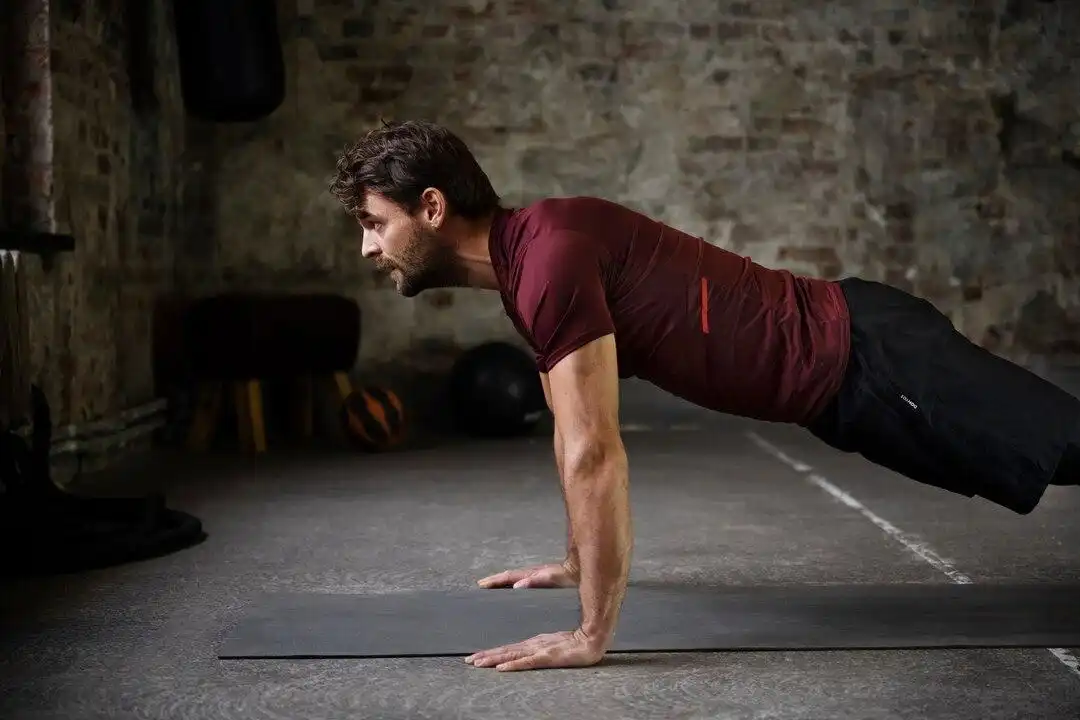
    No equipment? No problem. Push-ups are a timeless classic that engages your chest, arms, and core. Adjust the intensity by modifying hand placement, making it suitable for all fitness levels.

    Lunges

    Lunges are effective and can be executed anywhere. Increase heart rate, improve balance, and sculpt your legs with forward, reverse, or lateral lunges. A simple yet effective exercise for toning and strengthening your lower body.

    Plank

    Engage your core and build strength with the plank. This static exercise not only targets your abdominal muscles but also improves posture and stability. Customize your plank routine by incorporating side planks and variations.

    Burpees

    A full-body workout in one super movement, burpees are a challenging yet rewarding exercise. Boost cardiovascular fitness, burn calories, and build strength with this high-intensity exercise that requires no equipment.

    Jumping Jacks

    Bring back childhood memories with jumping jacks. This simple yet effective exercise improves your heart rate, enhances cardiovascular health, and engages multiple muscle groups. An excellent warm-up or cardio option for any location.

    Tricep Dips

    Focus on your arms with tricep dips. Utilize a sturdy surface like a chair or bench to target the back of your arms. Strengthening your triceps not only contributes to overall arm definition but also aids in functional movements.

    Mountain Climbers

    Combine cardio and core work with mountain climbers. This exercise boosts metabolism, improves agility, and targets your abdominal muscles. Perfect for a quick and efficient full-body workout.

    Wall Sits

    Transform any blank wall into your workout partner with wall sits. This isometric exercise strengthens your quads, hamstrings, and glutes. A great option for building lower body endurance and stability.

    Leg Raises

    Isolate and sculpt your abdominal muscles with leg raises. This floor exercise can be performed virtually anywhere. Modify the challenge by incorporating variations like flutter kicks or scissor kicks.

    Plank to Downward Dog

    Blend yoga-inspired movements into your routine with plank to downward dog transitions. This flow engages your core, shoulders, and hamstrings while promoting flexibility. An excellent combination of strength and flexibility training.

    Jump Squats

    Take your squats to the next level with jump squats. This explosive exercise not only strengthens your lower body but also provides a cardiovascular boost. Add intensity to your workout and torch calories with each explosive jump.

    Flutter Kicks

    Wrap up your bodyweight workout with flutter kicks, targeting your lower abs and hip flexors. This simple yet effective exercise contributes to a well-rounded core routine. Control your movements to maximize effectiveness and minimize strain.

    The “Gym in Your Pocket” concept proves that a lack of gym access is no longer an excuse to neglect your fitness goals. With these effective bodyweight exercises, you can transform any space into your personal workout space. Whether you’re a seasoned fitness enthusiast or a beginner, incorporating these exercises into your routine will keep you on track to achieve and maintain a fit and healthy lifestyle. Embrace the simplicity, versatility, and effectiveness of bodyweight workouts, and make fitness a seamless part of your daily life.

  • Amp Up Your Abs: Effective Core Workouts for a Stronger Midsection

    Amp Up Your Abs: Effective Core Workouts for a Stronger Midsection

    Building a strong midsection isn’t just about wanting those toned abs; it’s about creating a foundation for overall strength and stability. Let’s look deep into effective core workouts that go beyond appearances and contribute to your overall fitness journey.

    Understanding Core Strength

    When we talk about the core, we’re referring to the muscles in your abdomen, lower back, hips, and pelvis. These muscles work together to support your spine, provide stability, and allow you to move in various directions. Achieving a strong midsection goes beyond aesthetic goals – it improves your overall physical well-being.

    Plank Variations

    Planks are a fundamental exercise for core strength. Start with a basic plank and gradually add variations like side planks, plank jacks, and plank twists. These variations engage different muscle groups, targeting not only your abs but also your obliques and lower back. Remember to maintain proper form, keeping your body in a straight line from head to heels.

    Bicycle Crunches

    Bicycle crunches take traditional crunches up a notch. This dynamic exercise engages both the upper and lower abs while also working on your obliques. Focus on controlled movements, bringing your elbow to the opposite knee. This helps improve flexibility and coordination.

    Russian Twists

    Seated on the floor, lift your legs slightly and twist your torso to touch the floor on either side. Russian twists engage your obliques and help improve rotational strength, a crucial component of a well-rounded core workout. Control the movement to maximize effectiveness.

    Leg Raises

    Lie on your back and raise your legs toward the ceiling, engaging your lower abs. Control the movement on the way down to maximize effectiveness. To add challenge, perform leg raises using an incline bench or stability ball. This targets your lower abs and improves overall core stability.

    Mountain Climbers

    Combine cardio with core work by incorporating mountain climbers into your routine. This dynamic exercise not only targets your abs but also boosts your heart rate, making it a time-efficient addition to your workout. Maintain a plank position while bringing your knees toward your chest in a running motion.

    Superman Exercise

    Lie face down and lift your arms and legs simultaneously, engaging your lower back and glutes. The Superman exercise strengthens the entire posterior chain, contributing to overall core stability. This is beneficial for maintaining balance and preventing injuries.

     Hollow Body Hold

    Mastering the hollow body hold challenges your entire core. Lie on your back, lift your legs and upper body off the ground, forming a “U” shape. Focus on keeping your lower back pressed into the floor to maximize engagement. This exercise targets both the upper and lower abs, promoting overall core strength.

    Medicine Ball Exercises

    Incorporate medicine balls for added resistance. Russian twists, wall throws, and overhead slams with a medicine ball can intensify your core workout, requiring stability and coordination. These exercises are effective in challenging your core muscles from various angles.

    Stability Ball Rollouts

    Kneel in front of a stability ball, place your hands on the ball, and roll it forward, extending your body. Rollouts engage your entire core and challenge your stability, emphasizing control throughout the movement. This exercise is particularly effective for targeting the deep core muscles.

    Pilates Movements

    Explore Pilates-inspired movements like the hundred, scissors, and double leg stretch. These exercises focus on controlled, precise movements, promoting flexibility and strength in your core muscles. Pilates is known for its emphasis on the mind-body connection and can contribute to improved posture and overall core stability.

    Incorporate Cardio

    While targeted core exercises are essential, don’t overlook the importance of cardiovascular exercises. Running, cycling, or jumping rope contributes to overall fat loss, revealing the sculpted abs underneath. Combine core-specific workouts with regular cardio sessions for comprehensive results.

    Consistency is Key

    Building a strong midsection takes time and consistency. Aim for a well-rounded core routine at least 2-3 times per week, gradually increasing intensity as your strength improves. Consistency is key to seeing progress and reaping the benefits of a stronger, more resilient core.

    Achieving a stronger midsection involves a mix of targeted exercises, variations, and overall fitness strategies. Incorporate these effective core workouts into your routine, stay consistent, and watch your abs amp up for a stronger, more resilient core. For more tips and personalized workout routine, don’t hesitate to get in touch with the personal trainers at Nitro Gym DSO or Al Barsha. Remember, it’s not just about looks; it’s about building a foundation for a healthier and more capable you.

  • Hydration Hacks! Tips for Drinking Smart During Tough Workouts

    Hydration Hacks! Tips for Drinking Smart During Tough Workouts

    In the quest for fitness, keeping yourself hydrated is super important, especially when you’re really pushing it during workouts. When you exercise hard, you sweat, and it’s crucial to put back what you lose. Here’s a simple guide to help you drink smart and keep your body well-hydrated during those intense workout sessions.

    Understand your hydration needs 

    Before you hit the gym or start your workout, know how much water your body needs. Things like your age, weight, the weather, and how hard you’re working out all matter. Try for at least eight glasses of water each day, and bump it up on workout days. Pay attention to what your body is telling you to be super sure.

    Pre hydration matters 

    Don’t wait until you’re dying of thirst to start drinking water. Begin hydrating a good 2-3 hours before your workout. Down about 16-20 ounces of water in this pre-hydration phase. This gets your body ready for the upcoming sweat session, making sure you start off well-hydrated.

    Electrolytes for balance 

    Intense workouts don’t just make you lose water; you also lose important stuff like sodium, potassium, and magnesium. Think about grabbing a sports drink or go natural with coconut water to get those electrolytes back. It keeps everything in balance so your muscles can work their best.

    Hydration during exercise 

    While you’re working out, take small sips of water regularly to stop yourself from getting dehydrated. If you’re going for a longer session or it’s really hot, try to gulp down 7-10 ounces every 10-20 minutes. Get yourself a reusable water bottle to make sipping on the go super easy and stick to your hydration goals.

    Rehydrate After the Workout

    After all the sweating is done, your body keeps losing fluids. Rehydrate by drinking at least 24 ounces for every pound you lose during your workout. This helps your body recover faster and get ready for the next workout.

    Monitor hydration levels 

    Keep an eye on the color of your urine. If it’s a pale yellow, you’re good on hydration. Darker colors might mean you need to drink more. If you don’t see much pee or it looks really dark, grab some water ASAP.

    Listen to Your Body

    Everyone’s hydration needs are a bit different, so listen to what your body’s saying. If you’re thirsty, drink some water. If you get cramps or feel dizzy, it might be a sign you need more water. Trust your body to tell you when it’s time to drink.

    Personalize with Flavors

    If plain water isn’t your thing, try adding natural flavors like cucumber, mint, or citrus fruits. Play around with herbal teas or mix in a bit of diluted fruit juice to make staying hydrated more fun and tasty.

    Weather considerations 

    Hot and humid days mean you’ll sweat more, so you need to drink extra. Adjust your water intake based on the weather to avoid any heat-related issues. Always have water with you, and if it’s crazy hot, maybe stick to indoor workouts or shaded spots.

    Adjust Your Game Plan

    As your workouts change, so do your hydration needs. Keep checking and tweaking your hydration plan based on how hard you’re working out, how long you’re going, or what the weather’s like.

    In the end, keeping hydrated during tough workouts isn’t just about drinking water; it’s about finding the right balance and supporting your body as it does its thing. By following these simple tips, you’ll not only make your workouts better but also take care of your overall health. Get in touch with the trainers at Nitro Gym in Al Barsha or DSO for personalizing your diet plans and workout routine. Keep drinking smart and stay refreshed on your fitness journey!

  • Dance Like Nobody’s Watching: The Joy of Dance Workouts

    Dance Like Nobody’s Watching: The Joy of Dance Workouts

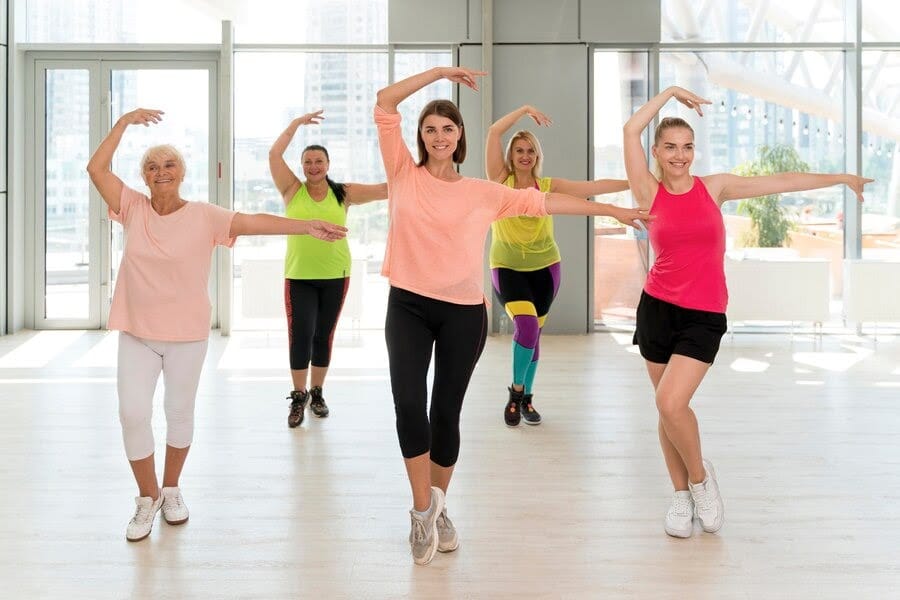
    Ever felt stuck in a workout rut? Well, enter dance workouts, where the joy of movement takes the win. In this blog, we’ll shimmy through the vibrant world of dance, inviting you to let go of inhibitions, move to the beat, and discover the sheer delight that dance workouts bring.

    Breaking the Monotony

    Sick of the same old exercise routine? It’s okay! Dance workouts are like a breath of fresh air, shaking up the monotony of regular workouts. More than about fitness, it’s about having fun while you move.

    Expressive Fitness

    Picture this: your workout as a dance party. Dance workouts go beyond burning calories; they let you express yourself, shake off stress, and enjoy the freedom to move in your unique way.

    No Judgment Zone

    Afraid of being judged at the gym? Every introvert feels it. Dance workouts throw judgment out the window. It’s a space where you’re encouraged to dance like nobody’s watching, where the only critic is the inner dancer in you.

    Cardio in Disguise

    Who says cardio has to be boring? Dance workouts turn cardio into a party. As you get into the groove, you’ll find yourself sweating it out without even realizing it because, guess what? You’re having a blast!

    Community Connections

    Joining a dance class is like joining a lively community. It’s a chance to connect with others who, just like you, love to move. The shared experience of dancing together creates friendships that extend beyond the dance floor.

    Mind-Body Synchronization

    Dance is like a mind and body pep talk. Following the steps in a dance workout not only makes you more agile but also sharpens your mind. It’s a fun way to stay on your toes, literally!

    Musical Motivation

    Ever notice how music makes everything better? Dance workouts know this secret. The beats drive your moves, turning your workout into a dance party. The right tunes can transform a dull routine into a musical celebration.

    Versatility of Styles

    Dance is a buffet, and dance workouts let you pick your favorites. From hip-hop to salsa, there’s a dance workout for everyone. It’s like having a variety of joyous movements at your disposal.

    Stress-Busting Rhythms

    Dance has this magical power to kick stress to the curb. The rhythm, the movements—it’s like a mini stress detox. A dance workout becomes your happy place, far away from the worries of the day.

    Body Positivity in Motion

    In the dance world, everybody is a dancing body. There’s no one-size-fits-all; everyone is encouraged to dance with confidence. It’s a celebration of bodies of all shapes and sizes, promoting positivity with every sway.

    Dance workouts are not just about fitness; they’re about joy, expression, and a sense of belonging. In a world full of deadlines and to-do lists, dance lets you break free, let loose, and revel in the simple pleasure of moving to your favorite tunes. 

    So, put on those dancing shoes, turn up the volume, and dance like nobody’s watching. In that moment, it’s not just a workout; it’s an expression of pure, unbridled happiness.

    And for those looking for the perfect workout routine in Al Barsha and DSO (Dubai Silicon Oasis), consider exploring the vibrant fitness opportunities at Nitro Gym. Your fitness journey can find new dimensions as you groove to the beats and let the rhythm guide you, not just in the studio but also in your fitness adventure outside. Dance on!

  • Morning vs. Evening Workouts: Finding the perfect Exercise Time

    Morning vs. Evening Workouts: Finding the perfect Exercise Time

    The alarm rings, and you have to decide whether to get out of bed and work out first thing in the morning or to put off finishing the day’s chores until the evening. The perfect time to work out has long been a topic of discussion. While some people find comfort in their evening workouts, others swear by the energizing boost of early workouts. Let’s examine the benefits and drawbacks of working out in the morning and the evening to help you choose the best time to work out for your fitness objectives.

    Morning Workouts

    Advantages

    1. Kickstart Your Metabolism: Exercise in the morning increases your metabolism and aids in calorie burning all day. This may be very helpful for maintaining or losing weight.
    2. Consistency: You can make sure you work out regularly by creating a morning regimen. Early in the day is usually when workout plans are least affected by chores and distractions. 
    3. Improved Focus and Productivity: Endorphins are released when you exercise, and they improve your mood and mental clarity. Working exercise first thing in the morning can help you feel more alert and focused.
    4. Improved Sleep: Regular morning exercise can lead to a better sleep routine. It can regulate your circadian rhythm, ensuring you’re tired when it’s time to sleep.

    Disadvantages

    1. Body Temperature: In the morning, your body temperature is lower, which might lead to increased stiffness and reduced flexibility during workouts.
    2. Time Constraints: It can be difficult for some people to fit in an early workout before work or other commitments. 

    Evening Workouts

    Advantages

    1. Increased Body Temperature: The evening is when your body temperature is usually the highest, which enhances muscle performance and flexibility.
    2. Reduced Risk of Injury: When you work out in the evening, your body is more alert and awake, which reduces the chance of getting hurt.
    3. Performance Enhancement: Studies suggest that lung function, muscle strength, and reaction times peak in the late afternoon and early evening, potentially leading to improved workout performance.
    4. Stress Relief: After a demanding day, working out in the evening can help you reduce stress and sleep better.

    Disadvantages

    1. Time Commitment: Evening workouts can be affected by unexpected events, work overtime, or other commitments that arise during the day.
    2. Sleep Disruption: For certain people, intensive exercise too soon before bedtime can cause sleep disturbances. This varies, though, depending on the individual.

    The Circadian Rhythm Factor

    The argument over whether to work out in the morning or the evening is influenced by the body’s circadian rhythm. Numerous physiological processes, such as body temperature, alertness, and hormone levels, are regulated by this internal body clock. Since everyone’s circadian rhythm is different, it’s critical to pay attention to your body’s intuitive cues.

    For “morning people,” early workouts may align well with their circadian rhythms. They tend to feel more alert and energetic in the morning. On the other hand, “night owls” may experience better performance and motivation in the evening when their circadian rhythms are in full swing.

    The Perfect Exercise Time for You

    Finding the perfect exercise time is a personal journey. Here’s how to determine what works best for you:

    1. Listen to Your Body: Observe your mood, level of energy, and physical performance throughout the day.
    2. Set Realistic Goals: Think about your fitness goals. Exercise in the morning may be ideal for losing weight, while workouts in the evening may be better for building muscle or enhancing performance.
    3. Lifestyle and Routine: Choose a time that fits your daily routine and commitments. 
    4. Experiment: Don’t be afraid to try both morning and evening workouts to see which suits better with your body and lifestyle.
    5. Prioritize Sleep: Make sure you’re getting enough sleep to go along with the time you’ve chosen for exercise.

    If you’re looking for flexibility in your workout schedule, consider Nitro Gym in DSO. Open 24/7, it accommodates people on various duty shifts. Plus, the option of outdoor workouts in the early morning can let you enjoy the refreshing weather. This added benefit makes finding your perfect exercise time even more convenient.In conclusion, the debate over morning vs. evening workouts comes down to lifestyle and personal preference. Since the perfect time to exercise varies from person to person, there is no one correct answer. The optimal time to exercise is ultimately the one that you can maintain regularly, coincides with your fitness objectives, and gives you a boost of energy and motivation. Hence, find the time that works best for your body, whether you’re a night owl or a morning person. Make every workout count.

Call Now Button