
Category: Strength Training

  • Why Bone Density and Strength Training Are Vital as You Age

    Why Bone Density and Strength Training Are Vital as You Age

    Why Bone Density and Strength Training Are Vital as You Age

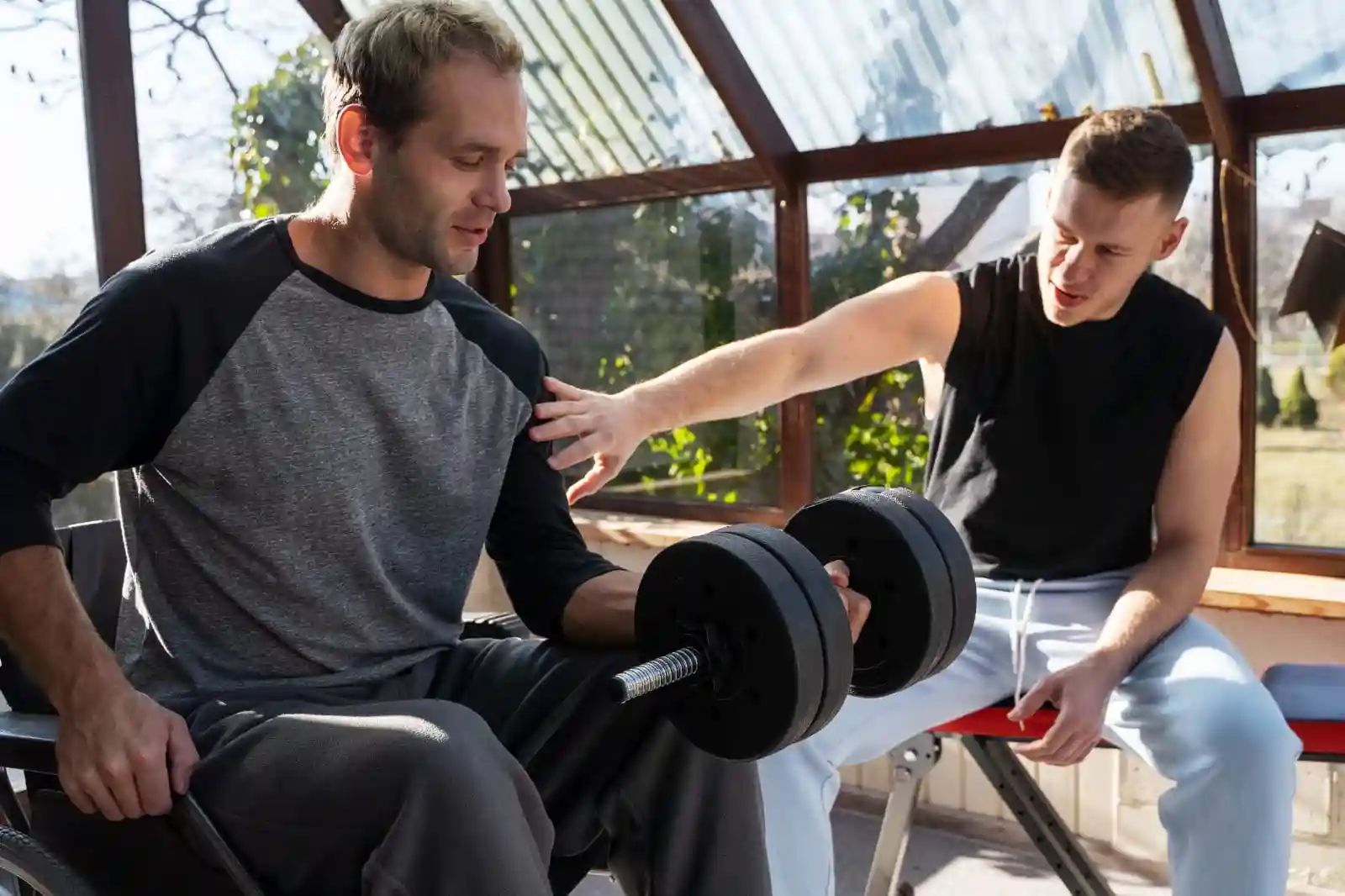
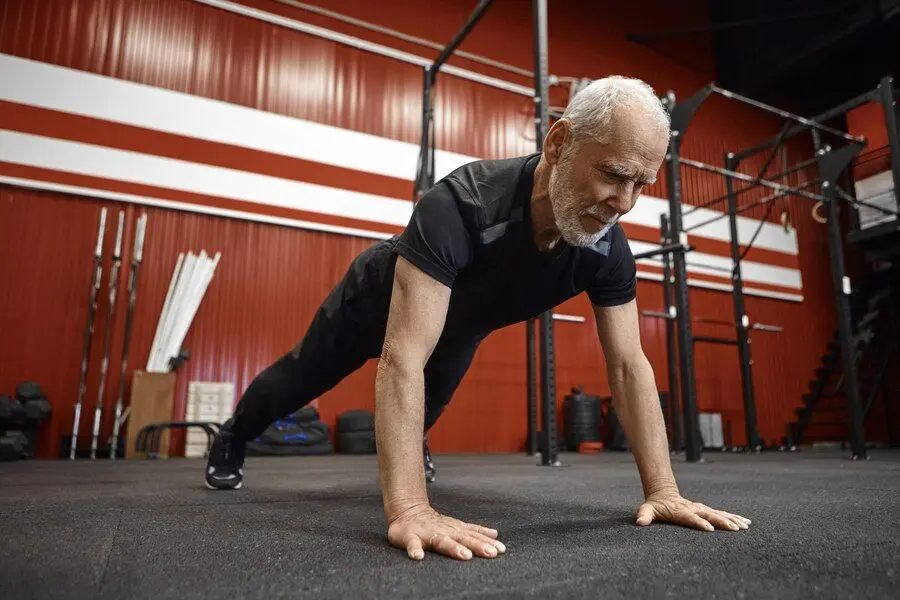
    Aging is a natural part of life, but losing your physical independence doesn’t have to be. One of the most important factors in staying active as the years pass is the health of your skeleton. Understanding Why Bone Density naturally declines over time allows you to take action early. By incorporating strength training into your routine, you can build a body that remains resilient and strong for decades to come.

    Why Bone Density and Weights Matter for Aging

    Targeted Training at Nitro Gym Dubai Silicon Oasis

    Building bone strength requires the right environment and the right tools. At Nitro Gym, our gyms in silicon oasis dubai is perfectly equipped to help residents of all ages focus on functional longevity. Our 10,000-square-foot facility features a vast array of plate-loaded machines and free weights, essential for safely applying the necessary load to your spine and hips.

    We understand that starting a strength routine later in life can feel intimidating. That is why our Silicon Oasis branch provides a focused, serious atmosphere where you can train at your own pace. With 24/7 access, you can choose the quietest times to work on your mobility and strength. Our expert trainers at Nitro Gym are also highly experienced in “corrective exercise,” ensuring you learn the proper form to maximize Why Bone Density increases while protecting your joints from unnecessary strain.

    Long-Term Benefits of Lifting for Older Adults

    Focusing on your skeletal health does more than just prevent fractures; it changes how your entire body functions. When you prioritize strength training, you are investing in a high quality of life.

    • Fracture Prevention: Stronger bones and improved balance significantly reduce the risk of life-changing falls.
    • Posture Support: Resistance training strengthens the muscles around your spine, preventing the “slumping” often seen with age.
    • Metabolic Health: Muscle tissue burns more calories than fat, helping you maintain a healthy weight even as your metabolism naturally slows down.
    • Hormonal Balance: Lifting weights stimulates the production of growth hormones that help keep your skin, hair, and internal organs healthy.
    • Joint Stability: Strengthening the muscles around your knees and hips takes the pressure off the joints, reducing the pain associated with arthritis.

    Skeletal Health and Training Questions

     Yes, but it must be done with professional guidance. If you have been diagnosed with low bone mass, starting with slow, controlled movements is key. This is Why Bone Density research supports “progressive loading,” which means starting light and only increasing the weight as your body adapts and becomes stronger.

    For most adults, two to three full-body sessions per week are enough to see significant improvements. Your bones need time to recover and remodel after a workout, so “rest days” are just as important as the days you spend in the gym.

    Walking is a great weight-bearing exercise, but it mostly targets your lower body. To protect your entire skeleton, including your spine and wrists, you need to include resistance training that involves your upper body as well. This total-body approach is Why Bone Density stays balanced across your entire frame.

    Building a Foundation That Lasts

    Your bones are the foundation of everything you do. While you cannot stop the clock, you can certainly change how your body responds to it. By making strength training a non-negotiable part of your week, you ensure that your future self remains mobile, confident, and independent. Start focusing on your skeletal health today, and enjoy the peace of mind that comes with a truly strong body.

  • Strength Training vs. Cardio: What’s Best for Your Fitness Goals?

    Strength Training vs. Cardio: What’s Best for Your Fitness Goals?

    We all start gym on a super energetic note; full of motivation and ready to make a change. But the real struggle begins once we step inside. Choosing between cardio or strength training is one
    of the most classic beginner’s questions. The answer to your question is that both cardio and strength training offer a range of benefits. The best approach would be a combination of both strength and cardio exercises. Your ideal workout routine should further depend on your goals and intent. Let’s break it down for you and understand what the best approach for your fitness
    goals is.

    Understanding Strength Training

    Strength training, also known as resistance or weight training, includes exercises focused on improving muscle strength and training. You can’t ignore strength training advantages. Here’s
    how they may help you.

    Here are some key benefits of strength training.

    • Builds muscle mass and strength: Strength training helps you gain lean muscle mass, which in turn improves metabolism.
    • Boosts resting metabolic rate: More muscle means your body burns more calories, evenat rest.
    • Improves bone density: Resistance training strengthens bones and reduces the risk ofosteoporosis.
    • Enhances functional fitness: Strength training can help improve balance and coordination, enhancing your functional fitness.
    • Supports long-term weight management: Muscles are metabolically active, meaning you burn more calories throughout the day.

    Understanding Cardio Exercises

    Cardiovascular exercises, or cardio refer to any physical activity that increases your heart rate and gets your blood pumping. These exercises are aimed at improving the efficiency of your lungs, heart and circulatory system.

    Here are some key benefits of cardiovascular exercises.

    • Burns a high number of calories quickly: These exercises can help burn a high number of calories quickly, which may be ideal for short-term fat loss.
    • Strengthens your heart and lungs: These exercises help improve cardiovascular endurance and lower blood pressure.
    • Boosts mental health: The endorphin release can help reduce anxiety and depression, boosting your overall mental health.
    • Enhances stamina: Increases your ability to perform everyday activities without fatigue.
    • Improves insulin sensitivity and heart health: Individuals diagnosed with diabetes or high cholesterol should integrate cardio exercises into their routine.

    Which is Better? It Depends on Your Goals

    When it comes to fitness, there is no one-size-fits-all approach. The best type of exercise depends on what you’re trying to achieve and what your goals are. Cardio and strength training
    are both powerful tools in your fitness arsenal, but they serve different purposes. Let’s dive in and ascertain which training style may be ideal for your fitness goal.

    • Weight Loss:A lot of times, fitness enthusiasts automatically turn to cardio when trying to lose weight. Well, it can help burn more calories in a single session than strength training. But the catch is that it may be ideal for short-term weight loss. Once you stop doing cardio, the calorie burn will stop too. Strength training, on the other hand, builds lean muscle, which boosts your resting metabolic rate, implying you’ll burn more calories all day long, even while sitting. For optimal fat loss, combine both exercises in your routine.
    • Building Muscle:Cardio doesn’t provide the progressive resistance needed to stimulate muscle hypertrophy (growth). Strength training does. Whether you’re using dumbbells, resistance bands, or your own body weight, challenging your muscles over time causes them to grow and adapt. If muscle definition and strength are your main goals, you should prioritise strength training in your workout routine.
    • Improving Endurance:When it comes to endurance, cardio exercises reign in this category. These exercises not only improve circulation but strengthen heart muscles while reducing the risk of chronic health conditions at the same time. While cardio takes the lead here, make sure to do strength training twice a week to support muscular endurance and ensure joint stability
    • Aging Gracefully and Longevity:As we age, we start losing muscle mass, which can lead to critical conditions further. Strength training takes an edge here, strengthening bones and improving balance. Pair it with light cardio exercises to keep your heart and lungs as healthy as you age.
    • Body Composition:If your goal is to lose fat and build muscles at the same time, you need both. Too much cardio without strength training can lead to fat and muscle loss. A balanced workout routine, consisting of both cardio and strength training, may work best for body composition.

    It’s Not Cardio vs. Strength. It’s Cardio and Strength

    In fitness, context matters. It’s not about which is better; the ideal question should be what would work better for me. For instance, consider including strength training three non-consecutive days
    a week and fitting in cardio on alternate days. Too much of both can lead to burnout or injury. Take at least one full rest day per week and prioritize sleep and mobility work. You can consult
    your trainer for tailored workout plans and a personal fitness assessment.

  • Why Strength Training Is Essential for Women: Benefits and Myths

    Why Strength Training Is Essential for Women: Benefits and Myths

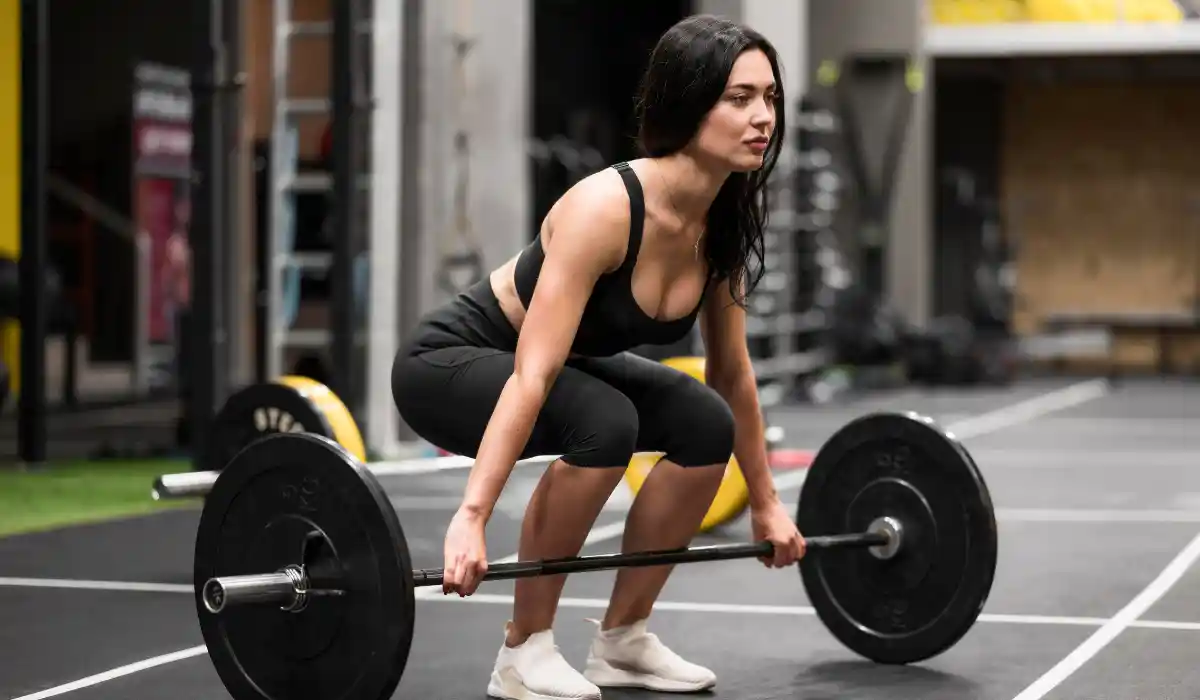
    Strength training is often misunderstood, especially when it comes to women. Many people still believe that lifting weights is only for men, leading to widespread myths and misconceptions.

    In fact, studies show that a significant number of women face discouragement from family or friends when they express an interest in strength training. Despite living in 2024, the stigma around women and weightlifting persists. Let’s explore why strength training is so important for women, debunk some common myths, and highlight the amazing benefits it offers.

    Benefits of Strength Training for Women

    Strength training is an excellent way for women to improve their overall health, feel stronger, and look great. Here’s how it can benefit you physically, mentally, and emotionally:

    Stronger Bones and Reduced Risk of Osteoporosis

    As women age, they naturally lose bone density, which can lead to weak bones and a higher chance of fractures or osteoporosis. Strength training helps counteract this by making your bones stronger and denser. By including weightlifting in your routine, you’re not just building muscles—you’re protecting your bones for years to come.

    Improved Metabolism

    Did you know that muscle burns more calories than fat, even when you’re not moving? Strength training helps you build muscle, which boosts your metabolism. This means your body will naturally burn more calories throughout the day, making it easier to maintain or lose weight without drastic dieting.

    Improved Strength for Everyday Activities

    Imagine being able to carry heavy grocery bags, move furniture, or climb stairs without feeling exhausted. Strength training builds your physical strength, making daily activities easier and reducing the risk of injuries. It’s not just about looking strong—it’s about feeling capable in your everyday life.

    Better Mental Health

    When you exercise, your body releases endorphins, the natural chemicals that make you feel happy and reduce stress. Strength training is especially effective for boosting your mood, lowering anxiety, and improving focus. It’s a powerful way to build not just physical strength but also emotional resilience and confidence.

    Toned and Sculpted Body

    A common misconception is that strength training makes women bulky. In reality, lifting weights helps tone your muscles, giving your body a lean and sculpted look. It’s about building strength and shaping your body in a way that makes you feel confident and strong.

    Common Myths About Strength Training for Women

    Despite its incredible benefits, strength training is often surrounded by misconceptions, especially when it comes to women. Let’s take a closer look at some of these myths and clear up the confusion:

    Strength Training Makes Women Bulky

    This is probably the most widespread myth about strength training for women. The truth is, women don’t have the same levels of testosterone as men, which is the hormone responsible for building large muscles. Because of this, it’s nearly impossible for women to become “bulky” through strength training alone. Instead, lifting weights helps women achieve a toned, lean, and defined look that improves their natural physique.

    Cardio Is Enough for Fitness

    Many people think running, cycling, or other cardio exercises are all they need to stay fit. While cardio is excellent for improving heart health and burning calories, it doesn’t strengthen muscles or improve bone density. Strength training is essential for building muscle, supporting your bones, and improving your overall fitness. When combined with cardio, it creates a balanced workout routine that benefits your entire body.

    Strength Training Is Dangerous

    Some women avoid strength training because they believe it’s risky or unsafe. However, the reality is that strength training is very safe when done correctly. Learning proper techniques, starting with lighter weights, and progressing gradually reduces the risk of injury. Whether you’re lifting dumbbells at home or using machines at the gym, strength training is one of the safest and most effective exercises for women of all fitness levels.

    “It’s Only for the Young”

    Another common myth is that strength training is only for younger people. In reality, strength training is beneficial for women of all ages. For older women, it’s particularly important because it helps combat muscle loss, improves bone strength, and enhances mobility. Lifting weights can even boost independence by making everyday tasks easier as you age. It’s never too late to start strength training and enjoy its benefits.

    Creating a Balanced Routine

    To get the best results from your fitness journey, it’s important to balance strength training with other types of exercise. A well-rounded routine keeps your body healthy, improves overall fitness, and helps you avoid injuries. Here’s how you can do it:

    Cardio Workouts

    Adding cardio exercises like running, cycling, or swimming is great for your heart and lungs. Cardio workouts increase your endurance, improve blood circulation, and burn calories. You don’t need to do hours of cardio; even 20–30 minutes a few times a week can make a big difference.

    Flexibility Training

    Don’t forget about stretching or activities like yoga and Pilates. These exercises improve your flexibility, keep your muscles loose, and reduce the chances of injury. Spending just 10–15 minutes stretching after your workout or doing a yoga session once a week can help your body recover faster and feel better.

    Rest Days

    Rest is just as important as exercise. When you lift weights or do intense workouts, your muscles need time to repair and grow stronger. Take at least one or two rest days each week, or do light activities like walking or gentle stretching to give your body a break while staying active.

    Conclusion

    Strength training is a powerful tool for women to improve their physical health, mental well-being, and overall quality of life.
    Start small, stay consistent, and pair your workouts with expert guidance from gyms like Nitro Gym in DSO and Al Barsha.
    It’s time to prioritize strength and health—because strong women build strong futures!

  • Interval Training vs. Continuous Training: Comparing the Benefits

    Interval Training vs. Continuous Training: Comparing the Benefits

    When you think about aerobic exercise, two main types come to mind: interval training and continuous training. Each has its own benefits and can help you get fit in different ways. At Nitro Gym in DSO & Al Barsha, knowing the advantages of each can help you decide which one is best for you. Knowing the advantages of each can help you decide which one is best for you.

    What is Interval Training?

    Interval training involves switching between periods of hard exercise and easier exercise or rest. For example, you might sprint for a minute, then walk for a minute, and repeat this cycle.

    Benefits of Interval Training

    1. Time-Saving: Interval training is great if you’re short on time. Because the exercise is intense, you can get a good workout in a shorter amount of time.
    2. Burns More Calories: You burn a lot of calories not just during the workout but even after it’s over. Your body keeps burning calories as it recovers from the intense exercise.
    3. Increase Heart Health: Your heart and lungs get stronger because they work hard during the intense periods. This improves your overall cardiovascular fitness.
    4. Increases Metabolism: Intense exercise increases your metabolism. This helps with weight loss and maintaining a healthy weight.
    5. Keeps Things Interesting: The constant change between high and low intensity keeps workouts fun and engaging. So you’re less likely to get bored.

    What is Continuous Training?

    Continuous training, or steady-state cardio, means exercising at a steady, moderate pace for a longer period. Activities like jogging, cycling, or swimming at a consistent speed fall into this category.

    Benefits of Continuous Training

    1. Builds Endurance: This type of training helps you build stamina, so you can keep going for longer without getting tired.
    2. Lower Risk of Injury: Since you’re exercising at a moderate pace, there’s less risk of getting hurt compared to high-intensity workouts. This makes it a safer choice for beginners or those with certain health issues.
    3. Reduces Stress: Continuous, rhythmic exercise can be very relaxing and help reduce stress. It’s often used as a way to clear the mind and relieve tension.
    4. Easy to Start: It’s easier to begin with continuous training, especially if you’re new to exercising or getting back into it after a break.
    5. Consistency: If you like routine, continuous training provides a consistent and predictable workout, which can be easier to stick with.

    Which One Should You Choose?

    Your choice between interval and continuous training depends on your fitness goals, preferences, and current fitness level.

    • For Quick Workouts and Weight Loss: If you want to lose weight and don’t have much time, interval training is a good choice because it burns more calories quickly.
    • For Building Endurance and Low-Impact Exercise: If you want to build endurance or prefer less intense workouts, continuous training is better.
    • For Variety and Motivation: If you get bored easily, interval training’s variety can keep you motivated.

    Using Both for the Best Results

    Many experts suggest doing both types of training to get the most benefits. Mixing them up can help you improve your fitness, lose weight, and build endurance.

    Sample Workout Plan

    • Monday: 20 minutes of interval training (e.g., sprinting and walking)
    • Wednesday: 30 minutes of continuous training (e.g., jogging at a steady pace)
    • Friday: 20 minutes of interval training
    • Sunday: 40 minutes of continuous training (e.g., cycling)

    Conclusion

    Interval training and continuous training each offer unique benefits for your health and fitness. By understanding these benefits and including both types of training in your routine, you can enjoy a balanced and effective workout plan.

     Whether you want to burn calories fast, build endurance, or keep your workouts interesting, there’s a place for both interval and continuous training in your exercise routine. For a more detailed workout plan and diet routine, you can get in touch with the personal trainers at Nitro Gym in Al Barsha or DSO.

Call Now Button