Category: Strength Training

  • Why Bone Density and Strength Training Are Vital as You Age

    Why Bone Density and Strength Training Are Vital as You Age

    Why Bone Density and Strength Training Are Vital as You Age

    Aging is a natural part of life, but losing your physical independence doesn’t have to be. One of the most important factors in staying active as the years pass is the health of your skeleton. Understanding Why Bone Density naturally declines over time allows you to take action early. By incorporating strength training into your routine, you can build a body that remains resilient and strong for decades to come.
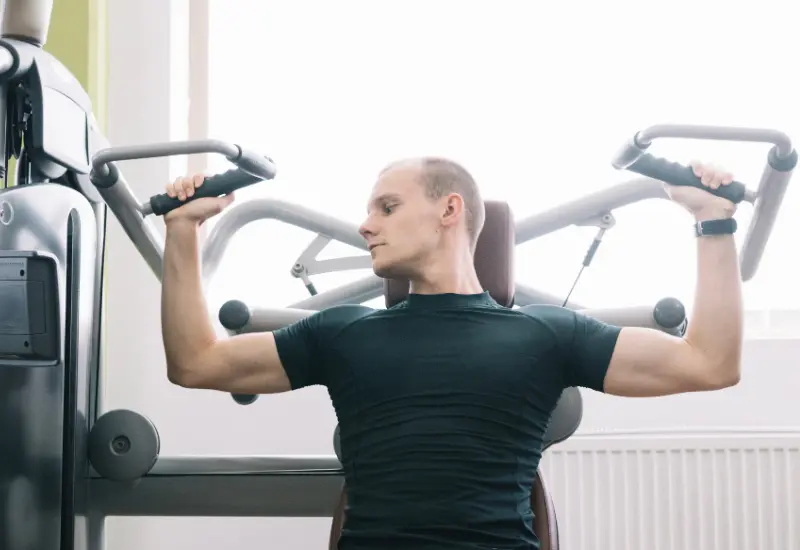
    Why Bone Density and Weights Matter for Aging

    Targeted Training at Nitro Gym Dubai Silicon Oasis

    Building bone strength requires the right environment and the right tools. At Nitro Gym, our gyms in silicon oasis dubai is perfectly equipped to help residents of all ages focus on functional longevity. Our 10,000-square-foot facility features a vast array of plate-loaded machines and free weights, essential for safely applying the necessary load to your spine and hips.

    We understand that starting a strength routine later in life can feel intimidating. That is why our Silicon Oasis branch provides a focused, serious atmosphere where you can train at your own pace. With 24/7 access, you can choose the quietest times to work on your mobility and strength. Our expert trainers at Nitro Gym are also highly experienced in “corrective exercise,” ensuring you learn the proper form to maximize Why Bone Density increases while protecting your joints from unnecessary strain.

    Long-Term Benefits of Lifting for Older Adults

    Focusing on your skeletal health does more than just prevent fractures; it changes how your entire body functions. When you prioritize strength training, you are investing in a high quality of life.

    • Fracture Prevention: Stronger bones and improved balance significantly reduce the risk of life-changing falls.
    • Posture Support: Resistance training strengthens the muscles around your spine, preventing the “slumping” often seen with age.
    • Metabolic Health: Muscle tissue burns more calories than fat, helping you maintain a healthy weight even as your metabolism naturally slows down.
    • Hormonal Balance: Lifting weights stimulates the production of growth hormones that help keep your skin, hair, and internal organs healthy.
    • Joint Stability: Strengthening the muscles around your knees and hips takes the pressure off the joints, reducing the pain associated with arthritis.

    Skeletal Health and Training Questions

     Yes, but it must be done with professional guidance. If you have been diagnosed with low bone mass, starting with slow, controlled movements is key. This is Why Bone Density research supports “progressive loading,” which means starting light and only increasing the weight as your body adapts and becomes stronger.

    For most adults, two to three full-body sessions per week are enough to see significant improvements. Your bones need time to recover and remodel after a workout, so “rest days” are just as important as the days you spend in the gym.

    Walking is a great weight-bearing exercise, but it mostly targets your lower body. To protect your entire skeleton, including your spine and wrists, you need to include resistance training that involves your upper body as well. This total-body approach is Why Bone Density stays balanced across your entire frame.

    Building a Foundation That Lasts

    Your bones are the foundation of everything you do. While you cannot stop the clock, you can certainly change how your body responds to it. By making strength training a non-negotiable part of your week, you ensure that your future self remains mobile, confident, and independent. Start focusing on your skeletal health today, and enjoy the peace of mind that comes with a truly strong body.
  • Strength Training vs. Cardio: What’s Best for Your Fitness Goals?

    Strength Training vs. Cardio: What’s Best for Your Fitness Goals?

    Strength Training vs. Cardio: What’s Best for Your Fitness Goals?

    We all start gym on a super energetic note; full of motivation and ready to make a change. But the real struggle begins once we step inside. Choosing between cardio or strength training is one
    of the most classic beginner’s questions. The answer to your question is that both cardio and strength training offer a range of benefits. The best approach would be a combination of both strength and cardio exercises. Your ideal workout routine should further depend on your goals and intent. Let’s break it down for you and understand what the best approach for your fitness
    goals is.

    Understanding Strength Training

    Strength training, also known as resistance or weight training, includes exercises focused on improving muscle strength and training. You can’t ignore strength training advantages. Here’s
    how they may help you.

    Here are some key benefits of strength training.

    • Builds muscle mass and strength: Strength training helps you gain lean muscle mass, which in turn improves metabolism.
    • Boosts resting metabolic rate: More muscle means your body burns more calories, evenat rest.
    • Improves bone density: Resistance training strengthens bones and reduces the risk ofosteoporosis.
    • Enhances functional fitness: Strength training can help improve balance and coordination, enhancing your functional fitness.
    • Supports long-term weight management: Muscles are metabolically active, meaning you burn more calories throughout the day.

    Understanding Cardio Exercises

    Cardiovascular exercises, or cardio refer to any physical activity that increases your heart rate and gets your blood pumping. These exercises are aimed at improving the efficiency of your lungs, heart and circulatory system.

    Here are some key benefits of cardiovascular exercises.

    • Burns a high number of calories quickly: These exercises can help burn a high number of calories quickly, which may be ideal for short-term fat loss.
    • Strengthens your heart and lungs: These exercises help improve cardiovascular endurance and lower blood pressure.
    • Boosts mental health: The endorphin release can help reduce anxiety and depression, boosting your overall mental health.
    • Enhances stamina: Increases your ability to perform everyday activities without fatigue.
    • Improves insulin sensitivity and heart health: Individuals diagnosed with diabetes or high cholesterol should integrate cardio exercises into their routine.

    Which is Better? It Depends on Your Goals

    When it comes to fitness, there is no one-size-fits-all approach. The best type of exercise depends on what you’re trying to achieve and what your goals are. Cardio and strength training
    are both powerful tools in your fitness arsenal, but they serve different purposes. Let’s dive in and ascertain which training style may be ideal for your fitness goal.

    • Weight Loss:A lot of times, fitness enthusiasts automatically turn to cardio when trying to lose weight. Well, it can help burn more calories in a single session than strength training. But the catch is that it may be ideal for short-term weight loss. Once you stop doing cardio, the calorie burn will stop too. Strength training, on the other hand, builds lean muscle, which boosts your resting metabolic rate, implying you’ll burn more calories all day long, even while sitting. For optimal fat loss, combine both exercises in your routine.
    • Building Muscle:Cardio doesn’t provide the progressive resistance needed to stimulate muscle hypertrophy (growth). Strength training does. Whether you’re using dumbbells, resistance bands, or your own body weight, challenging your muscles over time causes them to grow and adapt. If muscle definition and strength are your main goals, you should prioritise strength training in your workout routine.
    • Improving Endurance:When it comes to endurance, cardio exercises reign in this category. These exercises not only improve circulation but strengthen heart muscles while reducing the risk of chronic health conditions at the same time. While cardio takes the lead here, make sure to do strength training twice a week to support muscular endurance and ensure joint stability
    • Aging Gracefully and Longevity:As we age, we start losing muscle mass, which can lead to critical conditions further. Strength training takes an edge here, strengthening bones and improving balance. Pair it with light cardio exercises to keep your heart and lungs as healthy as you age.
    • Body Composition:If your goal is to lose fat and build muscles at the same time, you need both. Too much cardio without strength training can lead to fat and muscle loss. A balanced workout routine, consisting of both cardio and strength training, may work best for body composition.

    It’s Not Cardio vs. Strength. It’s Cardio and Strength

    In fitness, context matters. It’s not about which is better; the ideal question should be what would work better for me. For instance, consider including strength training three non-consecutive days
    a week and fitting in cardio on alternate days. Too much of both can lead to burnout or injury. Take at least one full rest day per week and prioritize sleep and mobility work. You can consult
    your trainer for tailored workout plans and a personal fitness assessment.

  • Why Strength Training Is Essential for Women: Benefits and Myths

    Why Strength Training Is Essential for Women: Benefits and Myths

    Strength training is often misunderstood, especially when it comes to women. Many people still believe that lifting weights is only for men, leading to widespread myths and misconceptions.

    In fact, studies show that a significant number of women face discouragement from family or friends when they express an interest in strength training. Despite living in 2024, the stigma around women and weightlifting persists. Let’s explore why strength training is so important for women, debunk some common myths, and highlight the amazing benefits it offers.

    Benefits of Strength Training for Women

    Strength training is an excellent way for women to improve their overall health, feel stronger, and look great. Here’s how it can benefit you physically, mentally, and emotionally:

    Stronger Bones and Reduced Risk of Osteoporosis

    As women age, they naturally lose bone density, which can lead to weak bones and a higher chance of fractures or osteoporosis. Strength training helps counteract this by making your bones stronger and denser. By including weightlifting in your routine, you’re not just building muscles—you’re protecting your bones for years to come.

    Improved Metabolism

    Did you know that muscle burns more calories than fat, even when you’re not moving? Strength training helps you build muscle, which boosts your metabolism. This means your body will naturally burn more calories throughout the day, making it easier to maintain or lose weight without drastic dieting.

    Improved Strength for Everyday Activities

    Imagine being able to carry heavy grocery bags, move furniture, or climb stairs without feeling exhausted. Strength training builds your physical strength, making daily activities easier and reducing the risk of injuries. It’s not just about looking strong—it’s about feeling capable in your everyday life.

    Better Mental Health

    When you exercise, your body releases endorphins, the natural chemicals that make you feel happy and reduce stress. Strength training is especially effective for boosting your mood, lowering anxiety, and improving focus. It’s a powerful way to build not just physical strength but also emotional resilience and confidence.

    Toned and Sculpted Body

    A common misconception is that strength training makes women bulky. In reality, lifting weights helps tone your muscles, giving your body a lean and sculpted look. It’s about building strength and shaping your body in a way that makes you feel confident and strong.

    Common Myths About Strength Training for Women

    Despite its incredible benefits, strength training is often surrounded by misconceptions, especially when it comes to women. Let’s take a closer look at some of these myths and clear up the confusion:

    Strength Training Makes Women Bulky

    This is probably the most widespread myth about strength training for women. The truth is, women don’t have the same levels of testosterone as men, which is the hormone responsible for building large muscles. Because of this, it’s nearly impossible for women to become “bulky” through strength training alone. Instead, lifting weights helps women achieve a toned, lean, and defined look that improves their natural physique.

    Cardio Is Enough for Fitness

    Many people think running, cycling, or other cardio exercises are all they need to stay fit. While cardio is excellent for improving heart health and burning calories, it doesn’t strengthen muscles or improve bone density. Strength training is essential for building muscle, supporting your bones, and improving your overall fitness. When combined with cardio, it creates a balanced workout routine that benefits your entire body.

    Strength Training Is Dangerous

    Some women avoid strength training because they believe it’s risky or unsafe. However, the reality is that strength training is very safe when done correctly. Learning proper techniques, starting with lighter weights, and progressing gradually reduces the risk of injury. Whether you’re lifting dumbbells at home or using machines at the gym, strength training is one of the safest and most effective exercises for women of all fitness levels.

    “It’s Only for the Young”

    Another common myth is that strength training is only for younger people. In reality, strength training is beneficial for women of all ages. For older women, it’s particularly important because it helps combat muscle loss, improves bone strength, and enhances mobility. Lifting weights can even boost independence by making everyday tasks easier as you age. It’s never too late to start strength training and enjoy its benefits.

    Creating a Balanced Routine

    To get the best results from your fitness journey, it’s important to balance strength training with other types of exercise. A well-rounded routine keeps your body healthy, improves overall fitness, and helps you avoid injuries. Here’s how you can do it:

    Cardio Workouts

    Adding cardio exercises like running, cycling, or swimming is great for your heart and lungs. Cardio workouts increase your endurance, improve blood circulation, and burn calories. You don’t need to do hours of cardio; even 20–30 minutes a few times a week can make a big difference.

    Flexibility Training

    Don’t forget about stretching or activities like yoga and Pilates. These exercises improve your flexibility, keep your muscles loose, and reduce the chances of injury. Spending just 10–15 minutes stretching after your workout or doing a yoga session once a week can help your body recover faster and feel better.

    Rest Days

    Rest is just as important as exercise. When you lift weights or do intense workouts, your muscles need time to repair and grow stronger. Take at least one or two rest days each week, or do light activities like walking or gentle stretching to give your body a break while staying active.

    Conclusion

    Strength training is a powerful tool for women to improve their physical health, mental well-being, and overall quality of life.
    Start small, stay consistent, and pair your workouts with expert guidance from gyms like Nitro Gym in DSO and Al Barsha.
    It’s time to prioritize strength and health—because strong women build strong futures!

  • Interval Training vs. Continuous Training: Comparing the Benefits

    Interval Training vs. Continuous Training: Comparing the Benefits

    When you think about aerobic exercise, two main types come to mind: interval training and continuous training. Each has its own benefits and can help you get fit in different ways. At Nitro Gym in DSO & Al Barsha, knowing the advantages of each can help you decide which one is best for you. Knowing the advantages of each can help you decide which one is best for you.

    What is Interval Training?

    Interval training involves switching between periods of hard exercise and easier exercise or rest. For example, you might sprint for a minute, then walk for a minute, and repeat this cycle.

    Benefits of Interval Training

    1. Time-Saving: Interval training is great if you’re short on time. Because the exercise is intense, you can get a good workout in a shorter amount of time.
    2. Burns More Calories: You burn a lot of calories not just during the workout but even after it’s over. Your body keeps burning calories as it recovers from the intense exercise.
    3. Increase Heart Health: Your heart and lungs get stronger because they work hard during the intense periods. This improves your overall cardiovascular fitness.
    4. Increases Metabolism: Intense exercise increases your metabolism. This helps with weight loss and maintaining a healthy weight.
    5. Keeps Things Interesting: The constant change between high and low intensity keeps workouts fun and engaging. So you’re less likely to get bored.

    What is Continuous Training?

    Continuous training, or steady-state cardio, means exercising at a steady, moderate pace for a longer period. Activities like jogging, cycling, or swimming at a consistent speed fall into this category.

    Benefits of Continuous Training

    1. Builds Endurance: This type of training helps you build stamina, so you can keep going for longer without getting tired.
    2. Lower Risk of Injury: Since you’re exercising at a moderate pace, there’s less risk of getting hurt compared to high-intensity workouts. This makes it a safer choice for beginners or those with certain health issues.
    3. Reduces Stress: Continuous, rhythmic exercise can be very relaxing and help reduce stress. It’s often used as a way to clear the mind and relieve tension.
    4. Easy to Start: It’s easier to begin with continuous training, especially if you’re new to exercising or getting back into it after a break.
    5. Consistency: If you like routine, continuous training provides a consistent and predictable workout, which can be easier to stick with.

    Which One Should You Choose?

    Your choice between interval and continuous training depends on your fitness goals, preferences, and current fitness level.

    • For Quick Workouts and Weight Loss: If you want to lose weight and don’t have much time, interval training is a good choice because it burns more calories quickly.
    • For Building Endurance and Low-Impact Exercise: If you want to build endurance or prefer less intense workouts, continuous training is better.
    • For Variety and Motivation: If you get bored easily, interval training’s variety can keep you motivated.

    Using Both for the Best Results

    Many experts suggest doing both types of training to get the most benefits. Mixing them up can help you improve your fitness, lose weight, and build endurance.

    Sample Workout Plan

    • Monday: 20 minutes of interval training (e.g., sprinting and walking)
    • Wednesday: 30 minutes of continuous training (e.g., jogging at a steady pace)
    • Friday: 20 minutes of interval training
    • Sunday: 40 minutes of continuous training (e.g., cycling)

    Conclusion

    Interval training and continuous training each offer unique benefits for your health and fitness. By understanding these benefits and including both types of training in your routine, you can enjoy a balanced and effective workout plan.

     Whether you want to burn calories fast, build endurance, or keep your workouts interesting, there’s a place for both interval and continuous training in your exercise routine. For a more detailed workout plan and diet routine, you can get in touch with the personal trainers at Nitro Gym in Al Barsha or DSO.

  • Forever Fit! Defying Age with Strength and Mobility

    Forever Fit! Defying Age with Strength and Mobility

    As we go through life, the importance of exercise becomes crystal clear, especially as we get older. In this blog, we’ll dig into how exercise is a key player in the art of aging gracefully. We’ll cover everything from making your bones strong and keeping those muscles intact to boosting your flexibility, maintaining a healthy heart, and even finding that deep connection between your body and mind. 

    And guess what? If you’re working out with trainers at Nitro Gym in Silicon Oasis, you’re in good hands! Plus, we’ll throw in some essential exercise guidelines for seniors to ensure that your fitness journey is not only safe but also super satisfying. So, let’s dive in and explore how staying active as you age can lead to a happier and healthier life.

    The Importance of Exercise for Ageing Gracefully

    Aging gracefully is a shared desire, and exercise is a vital companion on this journey. Regular physical activity brings many benefits as we get older. It keeps us moving well, boosts our mood, and lowers the risk of chronic diseases. It’s like the foundation of a vibrant and fulfilling life in our senior years.

    Exercise helps us stay active, making everyday activities easier and more enjoyable. It also brightens our mood and reduces stress, adding happiness to our golden years. Plus, it’s like a shield against illnesses like heart disease and diabetes, allowing us to enjoy better health as we age.

    Building Strong Bones “The Role of Weight-Bearing Exercises”

    As we get older, it’s super important to keep our bones strong. We can do this through activities like walking, hiking, and dancing, which put some pressure on our bones and make them tougher. This helps prevent a condition called osteoporosis, where our bones become fragile.

    But here’s the cool part: these activities not only help your bones but also make you feel better overall. They improve your heart health, make you more balanced, and even boost your mood. So, by simply going for a walk or dancing now and then, you’re not just taking care of your bones; you’re investing in a healthier and happier life as you get older.

    Strength Training for Seniors

    As we get older, our muscles can become weaker, a problem known as sarcopenia. But here’s the good news: you can fight it with something called strength training. Think of it like a superhero workout.

    Strength training involves exercises like lifting weights or doing exercises using your own body weight. These exercises are like a secret weapon that helps you keep your muscles strong. And strong muscles mean you can keep doing things on your own, like lifting groceries or playing with your grandkids.

    Incorporating Yoga and Stretching

    Picture flexibility and balance like your secret weapons for avoiding falls and staying independent as you get older. So, how do you strengthen these superpowers? The answer lies in yoga and stretching exercises.

    Yoga and stretching are like your trusty sidekicks. They help you become more flexible, which means you can move your body easily without feeling stiff. They also boost your balance, like a tightrope walker with perfect poise.

    But here’s the bonus: these exercises not only help your body but also your mind. They’re like a mini-vacation for your brain, helping you relax and reduce stress. So, by adding yoga and stretching to your routine, you’re not just improving your physical health; you’re also giving your mind a break and making your everyday life more stable and enjoyable.

    Staying Active for Heart Health

    Keeping your heart healthy is super important no matter how old you are. Imagine your heart as the engine that keeps your body running smoothly. To keep it in tip-top shape as you age, think about doing some exercises that get your heart pumping, like swimming, cycling, or brisk walking.

    But the best part is, it doesn’t just help your heart. It gives you more energy and makes you feel better overall. It’s like putting a little extra pep in your step as you go about your day. So, by doing these activities, you’re not just taking care of your heart; you’re boosting your vitality and enjoying life to the fullest, even as you get older.

    Staying Safe | Exercise Guidelines for Seniors

    Staying safe while exercising is really important, especially as we get older. Professional trainers at Nitro Gym in Al Barsha and DSO provide you with clear and easy-to-follow exercise guidelines. These guidelines are like your trusted companions, ensuring that you can exercise safely and effectively.

    Think of these rules as your personalized fitness roadmap, tailored specifically to your needs and limitations. Whether you’re working out with trainers at Nitro gym in Al Barsha or on your own, these guidelines will help you avoid injuries and discomfort during your workouts.

    In the grand tapestry of life, aging is a beautiful chapter that should be embraced with vigor and vitality. Exercise emerges as the protagonist in this narrative, offering the promise of mobility, strength, balance, and heart health. By recognizing the importance of physical activity and following the exercise guidelines for seniors, we can all aspire to age gracefully, savoring each moment of our later years with joy and well-being.

  • Recovery Techniques for Intense Training: Ice Baths, Compression, and More

    Recovery Techniques for Intense Training: Ice Baths, Compression, and More

    Embarking on the path of intense training is like stepping into an arena where your body becomes both a canvas and a masterpiece in the making. The sweat-soaked dedication and the heart-pounding determination fuel the journey towards greatness. It’s a symphony of effort and adrenaline that propels you forward. But in the midst of this thrilling pursuit, let’s not forget the other side of the coin – the art of recovery.

    Imagine a sculptor chiseling a magnificent statue. Just as each stroke of the hammer shapes the stone into something extraordinary, each intense workout shapes your body into a more resilient version of itself. Yet, just as the sculptor pauses to examine their work, you too must pause to care for your body.

    Get ready to unveil a treasure trove of recovery techniques in this guide, where the personal trainers at Nitro Gym in Al Barsha & DSO open the doors to a vault of wisdom. These secrets are like precious gems that athletes and fitness enthusiasts of all kinds can discover and harness to level up their recovery game. It’s not just about rejuvenating your muscles; it’s about reigniting your spirit. Each technique is a brushstroke on the canvas of your recovery, each method a verse in the anthem of your comeback.

    Ice Baths (Cryotherapy)

    Close your eyes and imagine this: you’ve just conquered an intense workout, your muscles pulsating with the echoes of effort. Now, picture yourself taking a leap of courage into an ice-cold bath. The shock of the cold embraces you, sending tingles down your spine. It’s a heart-racing moment that might seem as daring as a superhero’s plunge into the unknown.

    But here’s the twist – this chilling plunge isn’t just for show. It’s a secret weapon revered by athletes and fitness aficionados alike. This isn’t a plunge into icy waters; it’s a plunge into the very heart of recovery. Welcome to the realm of cryotherapy.

    So, while the idea of an ice bath might send shivers down your spine, remember that the chill isn’t a foe; it’s your ally in the journey of recovery. The ice-cold waters aren’t just a plunge; they’re a plunge into transformation, into becoming a testament of resilience and revival. The next time you brave that icy bath, remember that you’re not just facing the cold – you’re embracing the art of recovery, one shiver at a time.

    Compression Garments

    picture yourself slipping into a garment that feels like a second skin, gently hugging your muscles. It’s not just stylish activewear; it’s a secret ally that’s about to work wonders on your recovery journey.

    Imagine these garments as a tight embrace, a loving squeeze that’s more than meets the eye. They’re not just fashion statements; they’re tactical tools designed to optimize your body’s healing prowess. Think of them as your personal support crew, ensuring that the aftermath of your intense efforts isn’t a battlefield of fatigue.

    Compression garments aren’t just accessories; they’re essential elements of your triumphant journey towards optimum recovery. With every wear, you’re not just dressing up; you’re suiting up for the encore, where each snug embrace is a whisper of encouragement to your muscles to rise, recover, and conquer once again.

    Foam Rolling (Self-Myofascial Release)

    Think of the foam roller as your muscles’ BFF – it’s the trusty companion that knows all the knots and tension spots like the back of its, well, foam. When you roll your muscles over this textured tube of goodness, it’s like giving them a VIP massage session.

    But here’s where the magic happens: as you roll, you’re not just pampering your muscles, you’re releasing tension and promoting flexibility in a way that makes even the most stubborn knots throw in the towel. It’s like a spa day for your muscles, without the cucumber slices.

    Ever heard of “self-myofascial release”? It’s like untangling the earphones you left in your pocket – you’re smoothing out the kinks and letting things flow freely. Those adhesions that can make you feel like your muscles are wrapped in invisible rubber bands? Foam rolling says, “Not on my watch!” By breaking down these adhesions, you’re not just liberating your muscles; you’re also letting blood flow rush in like a superhero coming to the rescue.

    Active recovery workouts 

    Contrary to the notion of collapsing onto the couch, active recovery is like a soothing melody that plays in the background, supporting your body’s natural healing process. These workouts are the breath between the notes, ensuring that your muscles don’t come to a screeching halt but continue to flow like a calm river.

    What’s truly magical about active recovery is that it walks the fine line between movement and rest. It whispers to your body, “I acknowledge your effort, but I also honor your need for recovery.” It’s not about pushing further, but about embracing the present moment – the gentle cadence of movement that honors the work you’ve put in.

    Stretching and Mobility Exercises

    Unlocking the benefits of stretching and mobility exercises can’t be overstated. Regular stretching improves muscle flexibility, preventing injuries and reducing muscle tightness. Incorporating dynamic stretches into your routine helps improve joint mobility and blood circulation.

    Rest and Sleep

    In the hustle of life, adequate rest and sleep often take a back seat. Yet, they’re pivotal for recovery. During sleep, your body repairs tissue and releases growth hormones, crucial for muscle recovery and growth. Prioritize those Zzz’s to optimize your training results.

    Hydration and Nutrition

    Recovery begins from the inside. Staying hydrated and fueling your body with the right nutrients replenishes energy stores and supports muscle repair. Post-workout meals rich in protein and complex carbohydrates aid recovery by supplying the building blocks needed for muscle regeneration.

    Epsom Salt Baths

    Sink into the soothing warmth of an Epsom salt bath. Beyond relaxation, these baths provide magnesium, which assists in muscle relaxation and recovery. A perfect way to unwind while promoting muscle healing.

    Mindfulness and Meditation

    Recovery isn’t solely physical—it’s mental too. Incorporating mindfulness and meditation techniques into your routine can reduce stress, enhance focus, and improve overall well-being. A calm mind aids the body’s natural healing processes.

    As you pursue your fitness goals, remember that recovery isn’t a luxury but a necessity. Embrace a holistic approach by integrating these recovery techniques into your routine. By giving your body the care it deserves, you’re ensuring that each training session is followed by a rebound towards progress. So, go ahead, optimize your recovery, and let your journey to greatness continue. Hold up, before you dive headfirst into the world of active recovery workouts, here’s a nugget of wisdom: having a trusted guide by your side can make all the difference. And guess what? Nitro Gym in DSO and Al Barsha  is your ticket to a personalized recovery plan that’s as unique as your fitness journey.

  • Tips for Female Weightlifters: Navigating Gender-Specific Challenges and Benefits in Strength Training

    Tips for Female Weightlifters: Navigating Gender-Specific Challenges and Benefits in Strength Training

    Strength training and weightlifting are forms of exercise that can be highly beneficial for women, just like they are for men. These types of exercises help to increase muscle strength, bone density, metabolism, and overall fitness. However, female weightlifters may face unique challenges and considerations that are specific to their gender.

    One challenge that female weightlifters may encounter is the perception that strength training and weightlifting are primarily male-dominated activities. This perception may arise from societal norms and expectations that discourage women from engaging in activities traditionally associated with male athletes. As a result, female weightlifters may face social or cultural barriers, such as negative comments, stereotypes, or lack of support, which can impact their confidence and motivation to pursue strength training.

    These exercises are not limited to any specific gender, and women can greatly benefit from incorporating these forms of exercise into their fitness routine. However, there may be some unique challenges and considerations, apart from societal pressures, that female weightlifters may face. Here are some tips for female weightlifters to navigate gender-specific challenges and maximize the benefits of strength training:

    Embrace the Benefits of Strength Training

    The fear among many women that engaging in strength training will result in a bulky, masculine physique is largely unwarranted. This is because women do not have the same levels of testosterone as men, which is a hormone that significantly contributes to muscle growth and development.

    Strength training has various advantages for women, both physically and mentally. Contrary to the misconception that it can result in a bulky, masculine appearance, strength training can help tone and define muscles, leading to a lean, sculpted physique. This, in turn, can boost confidence and improve overall body composition.

    Additionally, strength training has been shown to increase bone density, which is particularly crucial for women as they age and are more prone to osteoporosis. It also enhances metabolism by building lean muscle mass, which helps the body burn calories more efficiently.

    Another advantage of strength training is the increase in functional strength, which leads to improved endurance and makes daily tasks and activities more manageable. Besides physical benefits, regular exercise, including strength training, can also positively impact mental health by reducing stress and anxiety, boosting mood, and improving self-confidence and self-esteem.

    In conclusion, women should not fear strength training and instead embrace the numerous physical and mental benefits it offers. With proper training and nutrition, women can achieve a lean, toned physique and lead a healthier, more fulfilling life.

    Prioritize Proper Form and Technique: 

    Proper form and technique are essential for maximizing the benefits of strength training and minimizing the risk of injury, similar to any exercise. Learning and practicing the correct form for each exercise is crucial, and seeking guidance from a qualified trainer or coach can be helpful in ensuring that the movements are performed correctly.

    Start with Appropriate Weights:

     It’s important to start with weights that are appropriate for your current strength level and gradually progress as you get stronger. Avoid comparing yourself to others in the gym and focus on your own progress. Using weights that are too heavy can compromise your form and increase the risk of injury.

    Pay Attention to Recovery

    Recovery is crucial for any weightlifter, regardless of gender. Make sure to prioritize rest days, get enough sleep, and fuel your body with proper nutrition. Adequate recovery allows your muscles to repair and grow, which is essential for making progress in strength training.

    Be Mindful of Your Menstrual Cycle: 

    Female weightlifters may experience hormonal changes during their menstrual cycle, which can affect energy levels, strength, and performance. It’s important to be mindful of these changes and adjust your training accordingly. You may need to plan your workouts around your cycle and listen to your body during this time.

    Address Specific Concerns

    Female weightlifters may have specific concerns related to pelvic floor health, breast discomfort, or other gender-specific issues. It’s important to address these concerns and seek guidance from a qualified professional, such as a pelvic floor physical therapist or a sports medicine specialist, if needed.

    Build a Supportive Community

    Surrounding yourself with a supportive community can be incredibly beneficial for female weightlifters. Connect with other female weightlifters, join strength training groups or classes, and seek out positive and empowering spaces where you can share your experiences, challenges, and victories.

    Focus on Your Own Progress and Goals: 

    Rather than comparing yourself to others at the gym, it’s better to concentrate on your own progress and objectives. Keep in mind that everyone has their own individual journey, and it’s crucial to acknowledge your own accomplishments and advancements, regardless of how minor they may appear.

    Be Confident and Assertive: 

    In male-dominated spaces, such as weightlifting gyms, it’s important to be confident and assertive. Don’t be afraid to ask for help, assert your boundaries, or speak up if you encounter any uncomfortable situations. Your voice and needs are important, and you deserve to feel safe and respected in your training environment.

    Enjoy the Process and Have Fun: 

    Last but not least, remember to enjoy the process and have fun with your weightlifting journey. Celebrate your achievements, set new goals, and keep pushing yourself to become stronger, both physically and mentally. Embrace the sense of empowerment and confidence that comes with strength training, and enjoy the many benefits that it can bring to your overall health and well-being.

  • The Benefits of Hiring a Personal Trainer: Is It Worth the Investment?

    The Benefits of Hiring a Personal Trainer: Is It Worth the Investment?

    Many individuals struggle to find the motivation, knowledge, and accountability necessary to reach their health and wellness goals in the realm of fitness. However, hiring a personal trainer can be a game-changing solution. While some may consider hiring a personal trainer an unnecessary expense, the advantages of collaborating with a professional fitness coach can make it a valuable investment on self.

    Conducting thorough research and selecting an experienced professional who can customize their approach to your specific requirements is essential. With an appropriate personal trainer, the investment can result in substantial enhancements in your physical health, mental well-being, and general quality of life.

    Engaging a personal trainer can provide numerous advantages for both your physical health and general well-being. Although it may appear to be an extraneous expenditure, hiring a personal trainer can prove to be a valuable long-term investment. Also, there are gyms that come up with offers and discounts very often. You can get in touch with the personal trainers at the Nitro gym in Silicon Oasis to have an amazing gym experience at an affordable price. Here are some of the primary benefits of working with a personal trainer:

    1. personalized fitness plan 

    A personal trainer will dedicate the necessary time to comprehend your fitness objectives and evaluate your present fitness status. Using this knowledge, they will create a workout regimen that is sufficiently demanding to aid your progress, yet not excessively strenuous to endanger your safety. Additionally, they will take into account any pre-existing medical issues, injuries, or limitations that may impact your capacity to exercise.

    Additionally, a personal trainer can develop a workout regimen that concentrates on specific muscle groups or addresses particular areas of interest, such as augmenting strength, enhancing cardiovascular health, or shedding weight. This individualized approach can enable you to attain your fitness objectives more effectively than adhering to a generic workout plan or program. They can also adjust the exercises, the number of sets and reps, and the overall intensity of your workouts to continue challenging you and assisting you in progressing towards your goals.

    2. Accountability 

    A personal trainer can offer encouragement and responsibility to aid you in staying on course and powering through demanding workouts. This is particularly critical if you encounter difficulties with self-motivation or have trouble adhering to a regular exercise regimen.

    A personal trainer can assist you in setting practical goals and devising a plan to accomplish them. They can also monitor your progress and furnish feedback, providing you with a sense of achievement and inspiration to persevere. Furthermore, a personal trainer can help you remain responsible by organizing frequent workout sessions and making sure you stick to your commitments.

    3. Proper form and technique 

    Executing proper form and technique is essential for optimizing the efficacy of your workouts while minimizing the danger of injury. A personal trainer can evaluate your posture, movement patterns, and overall biomechanics to pinpoint any regions of weakness or muscular imbalances that could jeopardize your safety. They can then create a workout regimen that addresses these imbalances and fortifies any vulnerable areas to lessen the risk of injury.

    Moreover, a personal trainer can instruct you on the appropriate form and technique for each exercise, guaranteeing that you are targeting the intended muscle groups and avoiding any extraneous strain on your joints or muscles. They can also assist you in modifying exercises to suit any pre-existing medical conditions or injuries.

    4. Variety and progression 

    Consuming proper nutrition is vital for attaining optimal results from your workouts and sustaining overall health and well-being. A personal trainer can evaluate your current dietary habits and offer suggestions for a well-rounded and healthy diet that complements your fitness objectives. They can also provide instructions on portion sizes, meal timing, and macronutrient ratios (protein, carbohydrates, and fats) to enhance your nutrition plan.

    Furthermore, a personal trainer can supply continuing support and accountability to assist you in adhering to your nutrition plan. They can assist you in monitoring your food intake, offer feedback, and make modifications as necessary to ensure that you are on course to accomplish your objectives.

    Also, they can aid you in navigating typical dietary obstacles, such as dining out, traveling, or combating food cravings. They can equip you with tactics for making healthy selections in these scenarios and assist you in cultivating a positive relationship with food.

    5. Health and nutrition 

    Last not the least, a personal trainer can assist you in developing a well-rounded approach to health and wellness. This encompasses not only exercise and nutrition but also stress management, sleep hygiene, and other lifestyle factors that can impact your overall well-being.

    Additionally, a personal trainer can assist you in identifying areas of your life that may be hindering your fitness goals, such as stress, insufficient sleep, or poor time management. They can provide you with strategies to tackle these challenges and cultivate a more balanced and healthy lifestyle.

    For example, A personal trainer may suggest adding stress-reducing practices, such as yoga or meditation, to your routine. They may also recommend improving your sleep hygiene by establishing a consistent sleep schedule and creating a relaxing bedtime routine to help you achieve a more balanced and healthy lifestyle.

    Moreover, a personal trainer can assist you in finding ways to integrate physical activity into your daily routine, even if you have a sedentary job or a busy schedule. They can help you identify opportunities for exercise, such as taking the stairs instead of the elevator or going for a walk during your lunch break.

  • Best Strength Training Exercises for the Upper Body: The Workout of All Time 

    It’s important to strengthen the upper body for a variety of reasons, and it is pretty sure we all wish we could be stronger. As individuals, we rely on it to perform practical tasks, such as lifting heavy objects, reaching beyond our reach, or carrying things that are heavy. We all lose muscles at some point in our lives. Investing in an upper-body strength workout can help us build muscles as we age. So why waste your precious time dreaming about working out? Get in touch with the personal trainers at Nitro Gym in Silicon Oasis to get a customized workout plan for upper body strengthening. Don’t worry; the trainers can create a routine based on your goals and body type. 

    Mentioned below are the four strength training exercises for the upper body that professional experts at the gym in Al Barsha and Silicon Oasis recommend. Make sure to begin with a weight that you are comfortable with; try not to overdo it or underdo it. 

    Bench press 

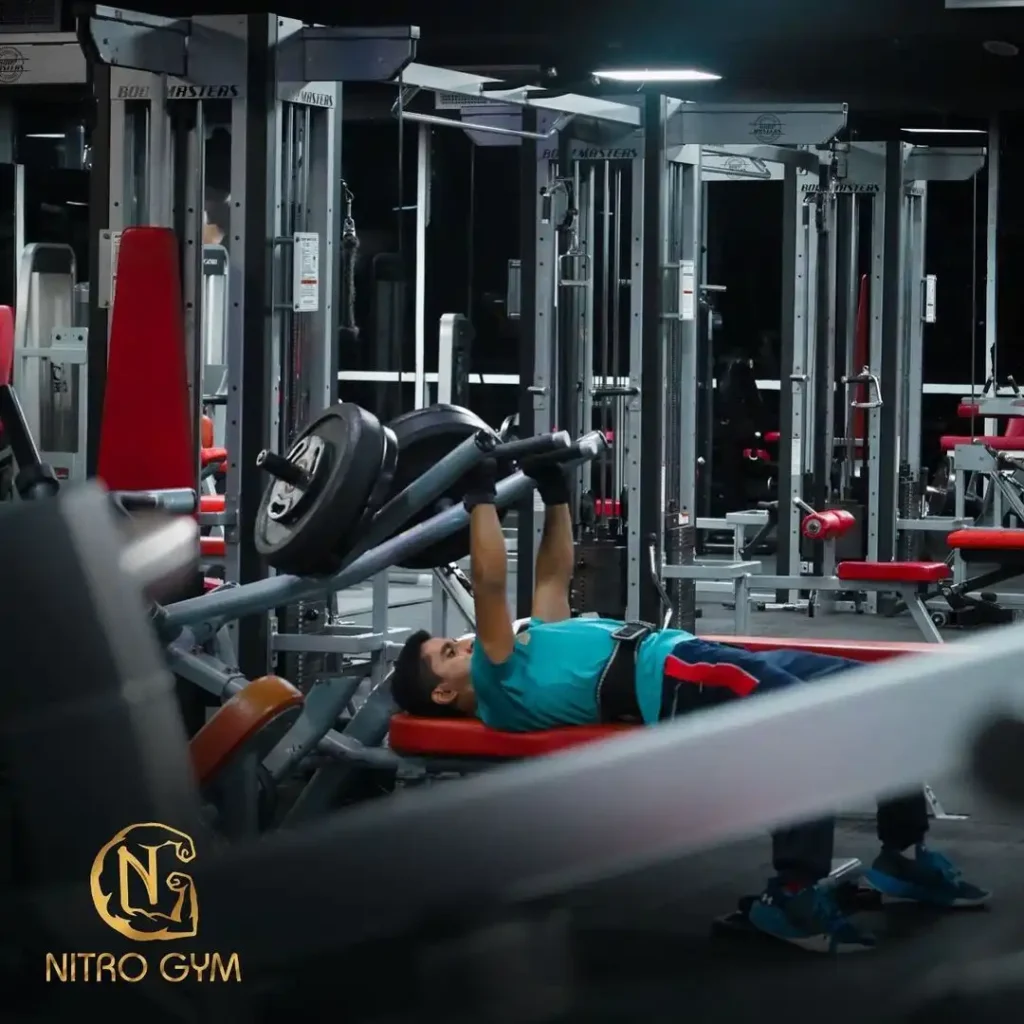
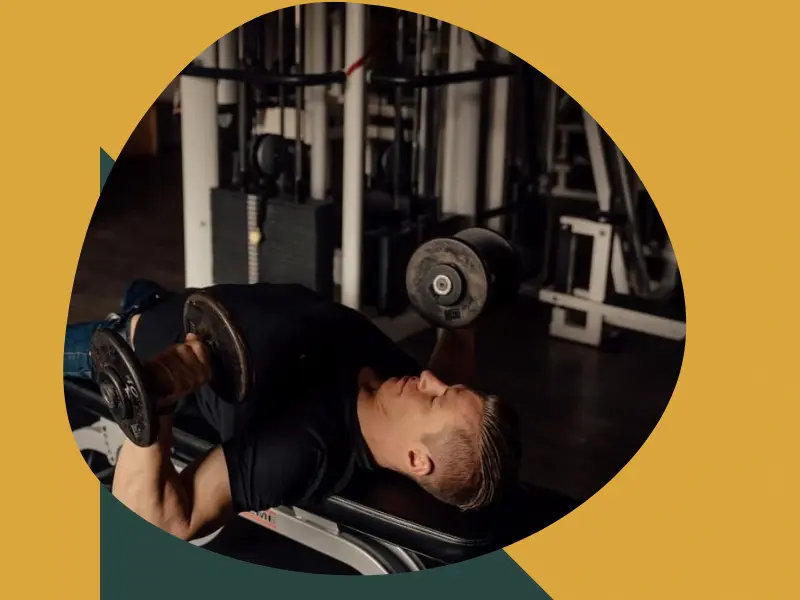
    Bench press is one of the best exercises that can strengthen upper body muscles, including arms, shoulders, and chest. It involves lying relaxed on a bench and lifting dumbbells or barbells to shoulder height. When you do a bench press, you lower the weight down to chest level and then extend your arms during the exercise and press the weight upwards. This counts as one rep. 

    While trying to incorporate bench press into the routine, don’t overdo it. Instead, try to do it 2–3 times per week. It is important for your body to rest as your muscles need time to recover. If you are using very heavy weights, doing just 3–4 reps, up to 3 sets may be enough to get the desired result. It’s not only that this workout works well for upper body strengthening, but it can offer various health benefits, including increased bone density. 

    Overhead press 

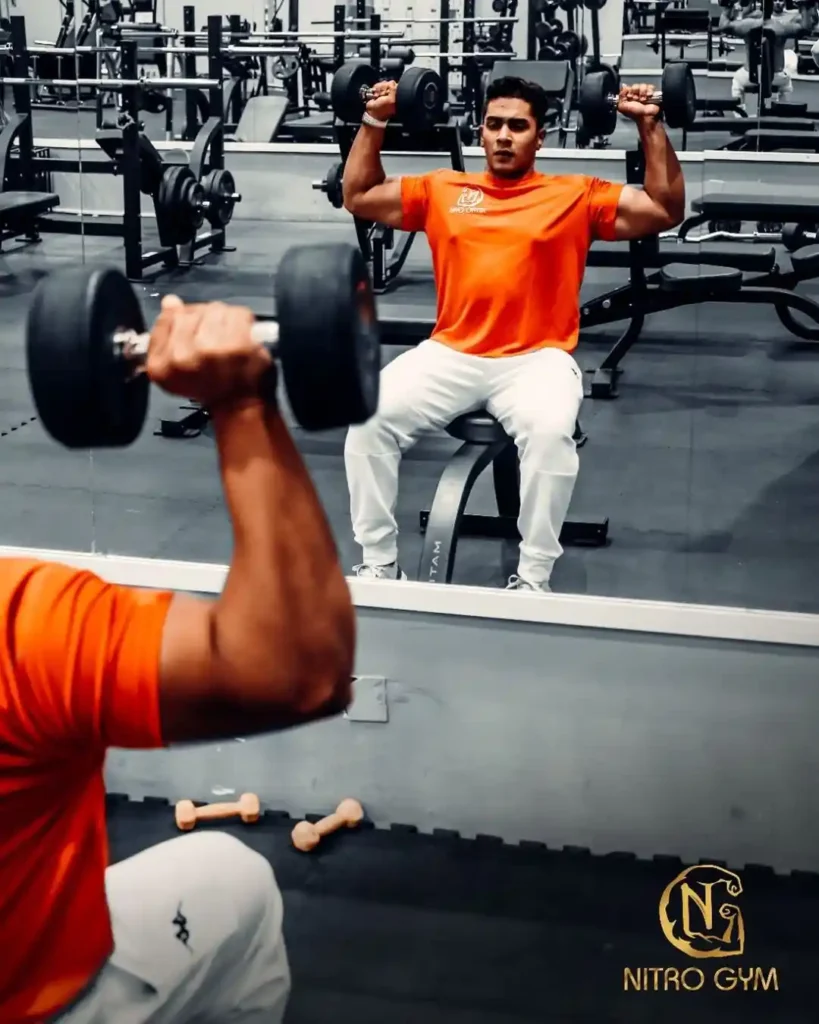
    Another top workout to strengthen upper body muscles is the overhead press, also called a shoulder press. By doing this workout, you’ll definitely experience a full body workout, but the most noticeable changes will be a bigger and stronger upper body. 

    In simple terms, we can say that “overhead press is simply a movement in which weight is pushed above the head.” One can do this exercise in many ways, like using both hands simultaneously or using one hand at a time. You should either keep your elbows directly underneath your wrists or slightly inward so that you are able to produce maximum force at this angle. Because of the virtually limitless potential for incremental strength improvements, the overhead press is a popular choice for developing muscle.

    Bent over row 

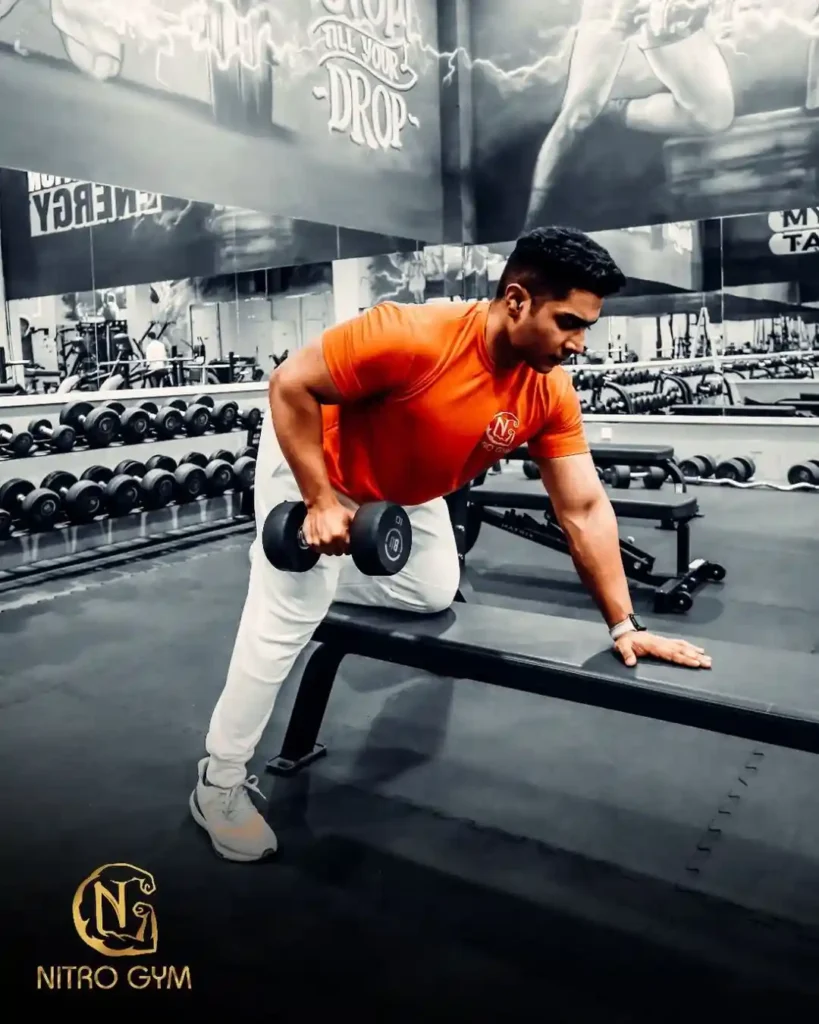
    This workout is performed by grasping dumbbells with an overhand grip and making the torso parallel to the floor by bending forward. Then Squeeze your shoulder blades together and pull the weight up to your neck. Try not to use heavy weights as a beginner, as the chances of getting injured are high. 

    The key to a proper bent-over row is maintaining a straight back throughout your workout, says Pierson. “It’s very, very dangerous to have unsupported spinal flexion.” It’s also important to keep your shoulders pulled down and back throughout the movement to make the workout less complicated. There are many variations of the bent-over row one can perform. So it’s recommended to consult a personal trainer to begin your strength training journey. 

    Dumbbell Chest fly

    The dumbbell chest fly is an upper-body strengthening exercise that can help to strengthen the chest and shoulders. The exercise is performed by lying on the floor and holding two dumbbells above your chest, then lowering your arms at your sides, down to the floor. 

    If you’re a beginner in strength training exercises, it’s strongly recommended to start with a light dumbbell weight of approximately 2 to 5 pounds. If you’re more advanced at upper-body workouts, try using 7–10 pound weights instead. Try to slowly increase weight as you become more advanced. There are several variations to chest flies other than the dumbbell chest fly: traditional chest fly, incline bench chest fly, and standing chest fly. 

  • Five Exercises to Tone Your Leg

    Five Exercises to Tone Your Leg

    Everything in your body is precious. Every part of your body has to be given equal importance when considering exercises. Your legs are incredibly important for many reasons. Regular exercises such as  walking, running, cycling etc are essential for overall health, more than that legs play a crucial role in enabling physical activity and it has been shown to have countless mental health benefits, including reducing anxiety issues. Our 24*7 Gym in Dubai Silicon Oasis gives awareness to pamper your legs and advises five exercises to tone your legs. They are:-

    1. Squats:-

    Squats are a highly effective exercise for toning and strengthening your leg muscles. It targets multiple muscle groups in your legs, including your quadriceps, hamstrings, and glutes. By engaging these muscles, you can tone and strengthen legs more efficiently than with other exercises that only target one or two muscle groups. It can help to increase muscle mass and definition in your legs. This is because the exercise requires you to lift weights, which creates resistance and stress on muscles, encouraging them to grow and develop. This is a compound exercise, meaning they work multiple muscle groups at once. 

    Squats are a great calorie-burning exercise. By engaging large muscle groups in your legs, squats can help burn more calories during workout, which can contribute to weight loss and toning. Furthermore, this requires good balance and stability to perform correctly, and regularly performing squats can help improve your overall balance and stability, reducing the risk of falls and injuries.

    1. Box Jumps:-

    Box jumps are a plyometric exercise that can be highly effective for toning your leg muscles. These work multiple muscle groups in legs, including quadriceps, hamstrings, glutes, and calves. By engaging these muscles, you can tone and strengthen legs more efficiently than with other exercises that only target one or two muscle groups. In addition, this requires using explosive power to jump up onto the box, which can help improve overall leg strength and power. 

    This is not only a high-intensity exercise that can help you burn a significant number of calories, but  can also contribute to weight loss and toning.Box jumps are an excellent exercise that require good balance and coordination to perform correctly. Regularly performing box jumps can help improve overall balance and coordination, lessen the risks that are caused by various problems.

    1. Resistance Band Leg Presses:- 

    Resistance band leg presses are a type of exercise that involves using resistance bands to perform a leg press movement. This exercise primarily targets the muscles of the legs, including the quadriceps, hamstrings, and glutes. To perform resistance band leg presses, you will need a resistance band and a stable surface to anchor the band. You can anchor the band to a wall, a sturdy piece of furniture, or a resistance band anchor point. To perform the exercise, stand with your feet shoulder-width apart and step on the resistance band. Hold onto the handles of the band and bend knees slightly. Then, press your feet into the band and straighten your legs, extending them out in front of you. As you press your legs out, focus on squeezing leg muscles and keeping your core engaged. Hold the position for a moment before slowly releasing the tension in the band and returning to the starting position.

    Resistance band leg presses are an effective way to tone your legs because they provide constant resistance throughout the movement, which helps to increase muscle activation and build strength. They are also a low-impact exercise, which makes them suitable for people of all fitness levels.

    1. Lunges:-

    These are a popular exercise that target the muscles of the lower body, including the quads, hamstrings, glutes, and calves. They involve stepping forward with one leg and lowering the body until the front thigh is parallel to the ground, then pushing back up to the starting position. These provide a great way to build strength in the muscles of the legs. By challenging these muscles with resistance, you can help them grow and become stronger, which can improve your overall athletic performance. Lunges need a great deal of balance and stability, which can help improve your overall coordination and athleticism. 

    Lunges can be considered as an effective exercise for toning the muscles of the legs, as they help to shape and define the muscles in the thighs, hamstrings, glutes, and calves, which can help give your legs a more sculpted appearance. By incorporating lunges into your workout routine, you can improve your cardiovascular health and burn fat, which can help you have a leaner, more toned physique.

    1. Step-ups:-

    They involve stepping up onto a raised platform, such as a step or a bench, using one leg at a time, and then stepping back down. It provides resistance against your body weight, which can help build strength and endurance in your leg muscles.

    By embracing these holy grails into your workout routine, you can help tone and strengthen your legs, giving them a more defined and sculpted appearance. And it is really crucial to do it perfectly. You can get in touch with the personal trainers at our gym in Al Barsha, as the trainers will give you a clear cut idea of how to do these exercises to get the maximum result. 

Call Now Button