Category: Muscle Growth

  • What Are the Best Macros for Muscle Gain and Fat Loss

    What Are the Best Macros for Muscle Gain and Fat Loss

    What Are the Best Macros for Muscle Gain and Fat Loss

    Macros for muscle gain and fat loss determine how efficiently your body builds strength and reduces stored fat. Workouts create the stimulus, but understanding how macros work together can help build a structured approach. Let’s decode the science behind the macros and determine how you can adjust them to achieve your goals.

    Macros for Muscle Gain and Fat Loss

    Why Are Macros Important?

    Before we discuss the ideal ratios for macros for muscle gain and fat loss, let’s understand why macros are important. Macros directly influence muscle recovery, energy levels, and fat utilization. Each macronutrient plays a specific role that supports physical performance and body composition.

    1. Protein helps repair muscle tissue after training and preserves lean mass during fat loss. Without sufficient protein, strength gains become slow, and muscle loss becomes more likely.
    2. Carbohydrates provide the energy needed for workouts and daily activity. They support performance, prevent fatigue, and allow muscles to recover properly after training.
    3. Fats regulate hormones that influence muscle growth, recovery, and metabolism. Proper fat intake ensures long-term sustainability and stable physical performance.

    Balanced macros allow the body to build muscle while steadily reducing fat, which is why structured nutrition and training guidance at Nitro Gym in Silicon Oasis focus on achieving the right balance for sustainable results.

    Adjust Macros Based on Your Goal

    Macro intake should reflect your training goal and energy demands.

    Muscle Gain

    For muscle gain, increase the carbohydrate intake to support training intensity and recovery. Protein remains consistently high to support muscle repair, while fats stay moderate to maintain hormone function.

    Fat Loss

    For fat loss, protein intake increases further to protect muscle tissue. Carbohydrates are controlled to encourage fat utilization, while fats remain balanced to support metabolism.

    Muscle Gain and Fat Loss Together

    When aiming for both muscle gain and fat loss, protein intake should remain high while carbohydrates and fats stay balanced to support performance and recovery. This approach of macros for muscle gain and fat loss allows the body to build lean muscle gradually while using stored fat as an energy source.

    Macro Ratio for Muscle Gain and Fat Loss

    Macro ratios should change depending on whether your goal is to build muscle, lose fat, or improve body composition.

    Macro Ratio for Muscle Gain

    Recommended ratio should look like:

    • Protein: 25-30%
    • Carbohydrates: 45-55%
    • Fats: 20-25%

    Why this works:

    • Higher carbs improve strength, training volume, and recovery
    • Protein supports muscle repair and growth
    • Moderate fats maintain hormone levels

    Macro Ratio for Fat Loss

    Recommended ratio should look like: 

    • Protein: 30-40%
    • Carbohydrates: 30-40%
    • Fats: 20-30%

    Why this works:

    • Higher protein prevents muscle loss during a calorie deficit
    • Controlled carbs allow the body to use stored fat as energy
    • Moderate fats maintain hormone balance and metabolic health

    Macro Ratio for Simultaneous Muscle Gain and Fat Loss (Recomposition)

    Recommended ratio should look like:

    • Protein: 30-35%
    • Carbohydrates: 35-45%
    • Fats: 20-25%

    This routine is ideal for:

    • Beginners
    • People returning after a break
    • Individuals who want to improve their overall body composition

    However, you shouldn’t follow any routine blindly. Take consultation from experts at Nitro Gym in Silicon Oasis to find an ideal routine based on your body composition and goals.

    Common Mistakes People Make

    Despite consistent workouts and effort, progress often slows due to incorrect macro balance. These are the most common mistakes people make:

    • Eating too little protein
    • Eliminating carbohydrates completely
    • Consuming excess fats unknowingly
    • Following extreme or restrictive diets
    • Not adjusting macros based on activity level

    FAQs

    A balanced intake with higher protein, controlled carbohydrates, and moderate fats supports muscle growth while reducing fat.

    Without proper macro balance, the body may lose muscle instead of fat, recovery may slow down, and energy levels may remain inconsistent. This often leads to slower progress and weaker overall body composition.

    Results vary based on consistency and individual factors, but combining proper macro balance with structured programs at Nitro Gym in Dubai Silicon Oasis helps improve strength and body composition progressively.

    Summing Up

    Macros for muscle gain and fat loss provide the foundation for consistent physical progress. When nutrition aligns with training demands, the body becomes stronger, leaner, and more efficient. Maintain the right macro balance for sustainable results without compromising performance or recovery.

  • Why Your Biceps Don’t Show Even After Training?

    Why Your Biceps Don’t Show Even After Training?

    Why Your Biceps Don’t Show Even After Training?

    If you’ve been searching for exercises to improve bicep growth but still don’t see results, you’re not alone. Many lifters struggle with arm definition despite consistent training. The reasons go beyond effort; they involve anatomy, training strategy, and execution. Let’s break down why your biceps aren’t showing and how to fix it.

    biceps growth problem

    Understanding Bicep Anatomy

    Before diving into solutions, it’s important to understand what you’re working with. The biceps brachii has two heads, the short and long heads, that create the familiar “bulge” when flexed. The long head contributes to the peak, while the short head adds thickness. Supporting muscles like the brachialis and forearms also play a key role, which is why targeted exercises to improve bicep growth should be considered beyond curls alone.

    Why Your Biceps Don’t Show

    Even with regular training, several factors can hold back visible bicep development:

    High Body Fat Percentage

    Muscle definition depends on both growth and leanness. So focus on combining training with a sustainable fat-loss plan to uncover the muscle you’ve built.

    Lack of Progressive Overload

    Biceps respond only when challenged beyond their current capacity. If weights and reps stay the same, growth stalls. Build a structured progression plan that steadily increases resistance or volume to keep muscles adapting.

    Poor Exercise Selection

    Curls alone don’t maximize bicep development. Follow a balanced program that blends isolation and compound lifts, ensuring complete growth.

    Inadequate Recovery and Nutrition

    Training breaks muscle down, but recovery and nutrition rebuild it stronger. Without a complete recovery plan, your arms won’t repair or thicken. Treat recovery as seriously as your workouts.

    Exercises to Improve Bicep Growth

    To make your arms stand out, you need a mix of compound and isolation work. Here are the most effective exercises to improve bicep size and definition, with context on why each matters.

    Compound Movements for Overall Arm Size

    Compound lifts recruit multiple muscles, forcing the biceps to work harder under heavier loads.

    • Chin-ups (supinated grip): A bodyweight staple that overloads the biceps while also building back strength. Adding weight makes them a powerhouse for arm growth.
    • Barbell rows: These strengthen the upper back and heavily engage the biceps, creating thickness and density in the arms.

    Isolation Exercises for Peak Development

    Isolation drills directly target the biceps, shaping their peak and fullness.

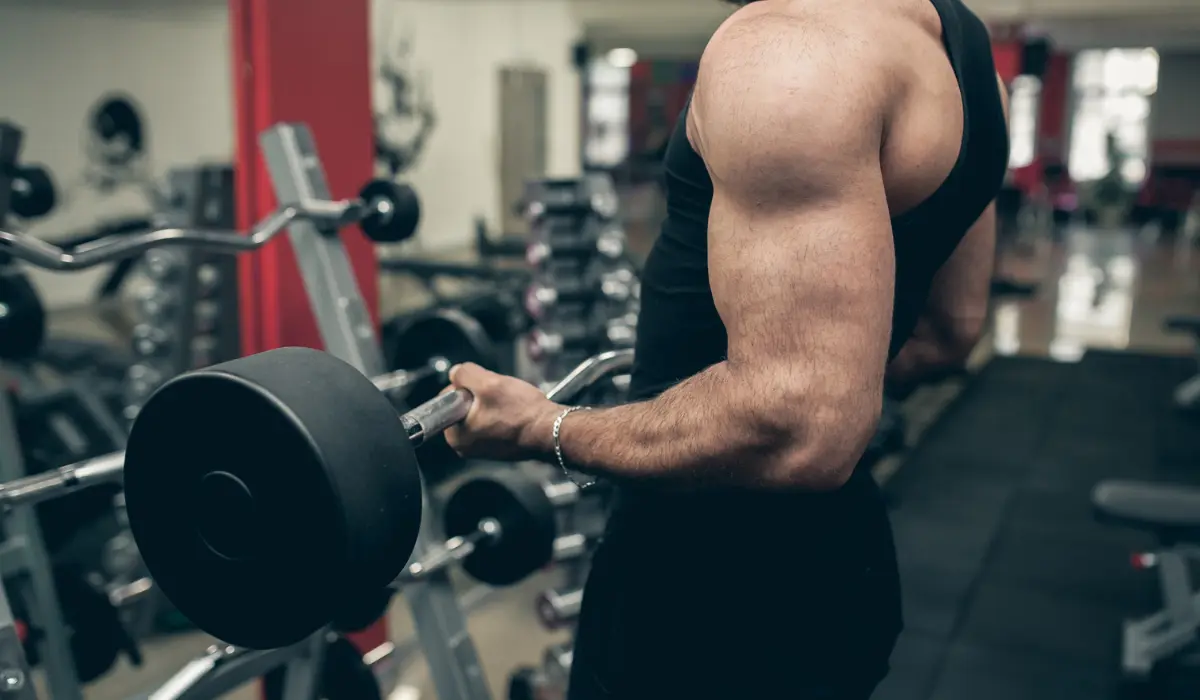
    • Barbell curls: The classic move for building raw bicep mass. Controlled form ensures maximum tension.
    • Hammer curls: These emphasize the brachialis, adding width to the arm and making the biceps look more prominent.

    Advanced Techniques for Stimulation

    Once you’ve mastered the basics, advanced methods can push your biceps past plateaus.

    • Drop sets: Extend a set beyond failure by reducing weight mid-way, forcing the biceps to adapt.
    • Supersets: Pairing curls with triceps work balances arm development and pumps more blood into the muscles.

    By combining these exercises to improve bicep growth with progressive overload, you’ll build both size and definition.

    Lifestyle & Common Mistakes

    Training hard is only half the battle. Lifestyle choices and small mistakes often sabotage progress.

    • Skipping nutrition basics: Without a calorie deficit, the definition won’t show, no matter how many curls you do.
    • Neglecting sleep: Poor recovery blunts muscle growth and makes arms look flat.
    • Chasing shortcuts: Constantly switching programs or copying influencers prevents consistent progress.

    Avoid these mistakes and focus on getting structured training support at Nitro Gym in Al Barsha to ensure your efforts towards exercises to improve bicep growth deliver visible results.

    FAQs

    Growth requires both hypertrophy and fat loss. Without progressive overload and a leaner body composition, definition won’t appear.

    Chin-ups, barbell curls, hammer curls, and rows are highly effective when combined with progressive overload and proper recovery.

    Yes. Genetics influence muscle shape and insertion points, but consistent training and fat loss can still maximize your arms’ appearance.

    Final Thoughts

    If your biceps aren’t showing despite training, there can be poor execution, high body fat, poor exercise selection, and lack of overload. The solution lies in smart programming, proper nutrition, and consistent application of compound lifts, isolation drills, and advanced techniques. With consistent application of these exercises to improve bicep growth, your arms will not only get stronger but also finally look the way you want.

  • How Sleep Impacts Muscle Growth and Fat Loss

    How Sleep Impacts Muscle Growth and Fat Loss

    How Sleep Impacts Muscle Growth and Fat Loss

    Where muscle growth and fat loss are concerned, sleep is one of the most powerful forces in the universe and it is the one that often gets short shrift in fitness conversations.

    Aside from exercise and nutrition, sleep affects physical performance, recovery, and results from
    training and conditioning directly.

    There is so much more to it, so let us explore why sleep matters for athletes and how this will
    help you optimize training and reach your goals.

    The Science Behind Sleep and Muscle Recovery

    Sleep is the time your body goes into its deepest repair mode. An integral part of the muscle recovery process, it allows tissues to heal, strengthen and gird themselves for upcoming workouts. Two important phases of sleep, deep sleep and recovery, and REM sleep, serve different functions in this process.

    While in deep sleep, your body produces growth hormones which strengthen and repair those muscle fibers. Sleep benefits are important to repair and repair physical damage from work and
    exercise at this stage. In contrast, REM sleep is all about mental recovery and enhancing alertness, motivation, and cognitive function. Both phases are crucial to any athletic performance.

    How Sleep Quality Impacts Muscle Gain and Performance

    Not enough or low quality sleep directly hampers muscle growth and sports performance. The hormonal balance during sleep gets disrupted and they are one of the major factors. Deep sleep
    is an important contributor to hormone regulation, including growth hormone and cortisol.

    Cortisol levels increase when sleep is insufficient. Excess cortisol makes you break down muscle gain and sleep, recover less well, and can even stall fat loss. Conversely, not getting enough deep
    sleep inhibits the growth hormone release, which slows the processes of muscle repair and development.

    Sleep also aids in protein synthesis at night, the process by which muscle fibers torn during exercise are repaired and strengthened. This vital repair usually takes place during nighttime and interrupted sleep impairs your bodys capacity to execute this function effectively.

    Best Recovery Tips to Enhance Sleep for Optimal Muscle Recovery

    Quality sleep is key for recovery and performance. Here are a few sleep hygiene practices for better sleep hygiene and optimize your results:

    1. Create a Soothing Bedtime Routine:Reading, meditating, or doing gentle stretches can help wind down your mind and body before sleep, facilitating greater night time rest.
    2. Create the Right Sleep Environment:Keep your bedroom dark, quiet, and cool. Remove disturbances such as bright lights and noise to promote deep sleep
    3. Limit the Use of Screens Before Sleep:Blue light from cell phones, tablets, and other screens inhibits the production of melatonin in the brain, which impairs the ability to fall asleep and lowers sleep quality.

    The more you make a habit of these little things, the more you create conducive conditions for improved pre sleep routines and recovery, keeping your body functioning optimally, making itan ideal sleeping environment for athletes!

    The Role of Nutrition in Sleep and Recovery

    Nutrition is a key part of muscle recovery and sleep quality. The right nutrients encourage relaxation and repair, so they are an essential part of an athletes mission to maximize progress.

    Certain foods that promote recovery like magnesium and tryptophan rich almonds, bananas, and turkey, help your body relax and deepen your slumber. These nutrients promote naturalbody repair processes, amplifying the benefits of sleep.

    Hydration plays another key role. Hydrations impact on sleep quality is to prevent muscle cramps and discomfort, which both negatively affect sleep.

    When you pair good nutrition for better sleep, you provide the best setup for recovery and growth.

    Common Sleep Disruptors and How to Avoid Them

    Although good habits can help you sleep better, some behaviors may produce the opposite effect. Here are a few pitfalls to sidestep:

    1. Caffeine Overload: The effects of caffeine on sleep quality stimulate your system, delaying the sleep onset and messing with your natural cycle.
    2. Technology Overuse: Blue light exposure before bed inhibits melatonin, a hormone that regulates your sleep.
      Reducing your screen time in the evening can also be very helpful.
    3. Irregular Sleep Cycles: Keeping bad hours, going to bed late and waking up at random times, wreaks havoc on your body clock, leading to lower quality deep sleep and decreased recovery during the night.

    By tackling sleeplessness causes in athletes, you will establish an environment conducive to sleep which is the restorative downtime your body needs, sleeplessness causes in athletes.

    Unlock Your Fitness Potential with Better Sleep 

    We train our members at Nitro Gym in the UAE, to understand that recovery is equally essential to time spent training. Sleep is truly the greatest recovery tool, allowing muscles to grow, fat to be lost and performance to be increased.
     
    Sleep is the key to unlocking your true fitness potential. Stick to tried and true sleep hygienepractices, eliminate distractions like blue light, and assemble an environment that promotes deep, restorative rest. Combine these habits with an appropriate nutrition and hydration plan to
    make sure your body is prepared to take on every workout.
     
    You will be amazed at the difference better sleep makes in your energy, strength, and results when you commit to it. Here at Nitro Gym, we will help you through every stage. Unlock sleep to recover better, train harder, and reach your physical peak.

  • How to Calculate Your Macros for Muscle Gain or Fat Loss

    How to Calculate Your Macros for Muscle Gain or Fat Loss

    If you want to build muscle or lose fat, understanding macros (macronutrients) is essential. Macros are the nutrients your body needs in large amounts—protein, carbohydrates, and fats—to function properly. Calculating them correctly can help you reach your fitness goals faster.

    What Are Macros?
    Macros are the three essential nutrients that provide energy and help your body function:


    Protein – Helps build and repair muscles. Found in meat, fish, eggs, dairy, and plant-based sources like beans and tofu.
    Carbohydrates – Provide energy for workouts and daily activities. Found in rice, bread, pasta, fruits, and vegetables.
    Fats – Support hormone production and overall health. Found in nuts, seeds, avocados, and oils.
    Balancing these nutrients correctly is the key to reaching your fitness goals.


    Step 1: Determine Your Total Daily Energy Expenditure (TDEE)
    Your TDEE is the total number of calories you burn in a day, including exercise and daily activities. It is based on your Basal Metabolic Rate (BMR) plus your activity level.
    Calculate Your BMR

    For men:
    BMR = (10 × weight in kg) + (6.25 × height in cm) – (5 × age) + 5
    For women:
    BMR = (10 × weight in kg) + (6.25 × height in cm) – (5 × age) – 161
    Then, multiply your BMR by your activity level:
    Sedentary (little or no exercise): BMR × 1.2
    Light activity (1–3 days per week): BMR × 1.375
    Moderate activity (3–5 days per week): BMR × 1.55
    Very active (6–7 days per week): BMR × 1.725
    Super active (athletes, heavy workouts): BMR × 1.9
    The result is your TDEE—the calories you need to maintain your weight.

    Step 2: Adjust Calories for Your Goal
    Once you know your TDEE, adjust it based on your fitness goal:
    For muscle gain (bulking): TDEE + 250–500 calories/day
    For fat loss (cutting): TDEE – 250–500 calories/day
    For maintenance: Eat at your TDEE level
    A 500-calorie deficit leads to about 0.5 kg (1 lb) of fat loss per week, while a 500-calorie surplus helps you gain lean muscle over time.

    Step 3: Set Your Macronutrient Ratios
    Now, divide your daily calories into macros based on your goal.
    For Muscle Gain
    Protein: 30–35% of total calories
    Carbs: 45–55% of total calories
    Fats: 15–25% of total calories
    For Fat Loss
    Protein: 35–40% of total calories
    Carbs: 30–40% of total calories
    Fats: 20–30% of total calories
    Higher protein intake is essential for muscle retention during fat loss and muscle growth during bulking.

    Step 4: Convert Macros into Grams
    Each macronutrient provides a specific number of calories per gram:
    Protein = 4 calories per gram
    Carbs = 4 calories per gram
    Fats = 9 calories per gram
    Example Calculation (Fat Loss, 2,000 Calories/Day)
    Protein (40%) → 2,000 × 0.40 = 800 calories → 800 ÷ 4 = 200g protein
    Carbs (35%) → 2,000 × 0.35 = 700 calories → 700 ÷ 4 = 175g carbs
    Fats (25%) → 2,000 × 0.25 = 500 calories → 500 ÷ 9 = 56g fats
    Now, you know exactly how much of each macro to eat daily!

    Step 5: Track Your Macros
    To ensure you’re hitting your macro targets, track your food intake using apps available online:

    The apps help log your meals and adjust as needed.

    Step 6: Adjust Based on Progress
    Your body adapts over time, so you may need to make adjustments:
    Not losing fat? Lower carbs or fats slightly.
    Not gaining muscle? Increase protein and calories gradually.
    Low energy? Adjust carbs based on workout intensity.
    Track your weight, strength levels, and body measurements every 2-4 weeks to measure progress.

    Step 7: Prioritize Quality Nutrition
    Hitting your macros is important, but so is choosing nutrient-dense foods:
    Best Protein Sources
    Chicken, turkey, lean beef
    Fish (salmon, tuna)
    Eggs and dairy
    Plant-based proteins (lentils, beans, tofu)
    Best Carb Sources
    Whole grains (brown rice, quinoa, oats)
    Fruits and vegetables
    Legumes and beans
    Best Fat Sources
    Nuts and seeds
    Avocados
    Olive oil, coconut oil
    Avoid processed foods, sugary drinks, and excessive alcohol, which can disrupt your macro balance.

    Step 8: Don’t Forget Hydration and Recovery
    Drink plenty of water – Staying hydrated improves metabolism and muscle recovery.
    Get 6–8 hours of sleep – Sleep is essential for fat loss and muscle growth.
    Take rest days – Overtraining can slow progress. Balance workouts with rest.


    Conclusion
    Tracking macros is a powerful way to take control of your fitness. Whether you want to gain muscle or lose fat, following these steps will help you stay on track.
    Looking for a supportive gym environment with expert trainers? Nitro Gym in DSO and Al Barsha offers top-notch facilities to help you achieve your fitness goals. Start your journey today!

  • How to Use Ice Baths and Heat Therapy for Muscle Recovery

    How to Use Ice Baths and Heat Therapy for Muscle Recovery

    How to Use Ice Baths and Heat Therapy for Muscle Recovery

    Recovering effectively after a workout is just as important as the workout itself. Two popular recovery methods, ice baths and heat therapy, have gained attention for their ability to reduce muscle soreness, speed up recovery, and improve overall performance.

    Here’s a guide on how to use these therapies and understand their benefits.

    Ice Baths: Benefits and How to Use Them

    Ice baths, also known as cold-water immersion, involve submerging your body in cold water (50–59°F or 10–15°C). This method is particularly beneficial for reducing inflammation and muscle soreness after intense workouts.

    Benefits of Ice Baths:

    1. Reduces Inflammation: Cold water constricts blood vessels, which helps reduce swelling and inflammation caused by micro-tears in muscles.

    2. Decreases Muscle Soreness: Ice baths can minimize delayed-onset muscle soreness (DOMS), allowing you to feel less stiff the next day.

    3. Speeds Recovery: The cold temperature helps flush out waste products, like lactic acid, from the muscles.

    How to Use Ice Baths Effectively:

    1. Prepare the Bath: Fill a tub with cold water and add ice until the temperature reaches 50–59°F (10–15°C).

    2. Duration: Stay submerged for 10–15 minutes. Avoid exceeding 20 minutes to prevent skin and nerve issues.

    3. When to Use: Best used after high-intensity workouts, endurance training, or competitions.

    4. Precautions: Avoid if you have circulation issues, cold intolerance, or open wounds.

    Heat Therapy: Benefits and How to Use It

    Heat therapy, such as using a heating pad, warm towel, or hot bath, is ideal for relaxing muscles and increasing blood flow to aid recovery.

    Benefits of Heat Therapy:

    1. Improves Blood Flow: Heat dilates blood vessels, delivering oxygen and nutrients to muscles for faster repair.

    2. Relieves Stiffness: Warmth relaxes tight muscles and alleviates joint stiffness.

    3. Enhances Flexibility: Applying heat before stretching or physical therapy improves range of motion.

    How to Use Heat Therapy Effectively:

    1. Choose Your Method: Use a heating pad, warm towel, or soak in a hot bath at 104–113°F (40–45°C).

    2. Duration: Apply heat for 15–20 minutes. Reapply throughout the day if needed.

    3. When to Use: Ideal for recovering from minor aches, chronic pain, or stiffness—not immediately after intense workouts.

    4. Precautions: Avoid using heat on swollen or inflamed areas as it may worsen the condition.

    Combining Ice Baths and Heat Therapy

    Some athletes use contrast therapy, alternating between ice baths and heat therapy, to boost recovery. This method stimulates blood flow while reducing inflammation.

    How to Perform Contrast Therapy:

    1. Start with an ice bath for 1–2 minutes.

    2. Switch to heat therapy (hot bath or heating pad) for 3–5 minutes.

    3. Repeat the cycle 3–4 times, ending with an ice bath.

    This combination can improve circulation and reduce recovery time after strenuous exercise.

    Conclusion

    Ice baths and heat therapy are powerful tools to include in your muscle recovery routine. While ice baths are excellent for reducing inflammation and soreness after intense workouts, heat therapy helps soothe chronic stiffness and improve circulation. By understanding when and how to use each method, you can improve your recovery process and perform at your best.

    Would you like to incorporate contrast therapy into your regimen or stick to one method? At Nitro Gym in DSO and Al Barsha, we prioritize holistic fitness solutions, including recovery strategies to keep you in peak condition.

    Whether you’re considering incorporating contrast therapy into your regimen or sticking to one method, our experts can guide you. Try these techniques and discover what works best for your body!

  • How Many Calories Should You Consume to Gain Muscle? All about calorie intake

    How Many Calories Should You Consume to Gain Muscle? All about calorie intake

    How Many Calories Should You Consume to Gain Muscle?

    Can’t deny the fact that the world is now obsessed with muscle gain! We’ve been seeing transformation journeys of people going from skinny to achieving their dream bodies. 

    However, the hidden truth is that not everyone can achieve their ideal physique by going to an expensive gym or buying a costly meal plan.

    Here is some advice from the trainers at Nitro Gym in Silicon Oasis and Al Barsha on calorie intake.

    The Role of Calories in Muscle Building

    Energy Source

    Calories are your body’s main source of energy. When you work out hard, your muscles need energy to perform. They also need energy to recover afterward. Without enough calories, your body might not have the fuel it needs to power through your workouts. It may struggle to help your muscles recover.

    Muscle Protein Synthesis

    To grow muscle, your body needs proteins. Proteins are made up of smaller units called amino acids. If you don’t eat enough calories, your body won’t have the energy it needs to build and repair muscle proteins effectively.

    Anabolic Environment

    Eating slightly more calories than you burn can create a positive environment for muscle growth. This “anabolic” state means your body is ready and willing to build new muscle. It makes it easier to see results from your hard work in the gym.

    How Many Calories Do You Need?

    The amount of calories you need to gain muscle can vary. Several factors influence your calorie needs:

    • Age: As you get older, your metabolism slows down. This can affect how many calories you need.
    • Gender: Generally speaking, men require more calories than women.
    • Activity Level: If you’re very active, or your activity level is high, you’ll need more calories. This is compared to someone who is less active.
    • Body Composition: Your current weight, body fat percentage, and muscle mass all influence how many calories you should eat.

    A General Guideline

    Here’s a simple way to estimate how many calories you should consume for muscle gain:

    1. Calculate Your Basal Metabolic Rate (BMR): This is the number of calories your body needs when you’re at rest. You can find calculators online. You can also ask a healthcare professional to help you figure this out.
    2. Factor in Your Activity Level: Multiply your BMR by an activity factor that matches how active you are. This will give you a better idea of your daily calorie needs.
    3. Create a Caloric Surplus: To gain muscle, add about 250-500 calories to your daily intake. This extra energy will help fuel muscle growth.

    Remember:

    • Quality Over Quantity: Focus on eating nutrient-rich foods. Good options include lean proteins, complex carbs, and healthy fats. Lean proteins include chicken, fish, and beans. Complex carbs include whole grains and vegetables. Healthy fats include avocados and nuts. These foods not only provide calories but also essential nutrients your body needs.
    • Hydration: Don’t forget to drink plenty of water! Staying hydrated is very important for muscle function and overall health.
    • Consult a Professional: If you’re unsure about how many calories you need, talk to a registered dietitian or a certified personal trainer.They can help tailor a plan just for you.

    Conclusion

    By understanding how calories contribute to muscle building, you can make the most of your workouts. Adjusting your intake to meet your needs is key. This will help you reach your fitness goals.

     Remember, consistency is very important! A balanced approach to both nutrition and exercise will help you achieve the best results. So, fuel your gains and get ready to see your hard work pay off!

     You got this! 

  • Building muscles made easy- Your Simple Guide to Muscle Growth at Nitro Gym

    Building muscles made easy- Your Simple Guide to Muscle Growth at Nitro Gym

    Welcome to Nitro Gym, where building muscles is as straightforward as your favorite workout playlist. In this  guide, we’ll take you through the ABCs of muscle growth without confusing fitness terms. Imagine a fitness journey that’s like following a recipe—clear, straightforward, and satisfying.

    Muscle Magic

    Okay, so it’s not really magic, but it sure feels like it! At Nitro, we make muscle building simple. It’s more like having a special code, a secret recipe for making your muscles strong. Think of muscles as tiny superheroes waiting to grow and get stronger. When you exercise the right way, it’s like sending them a signal, and they start to become superheroes. It’s not complicated or tricky; it’s like finding the key to unlocking your own super strength. So, come on over, and let’s make this muscle-building journey feel like a magical adventure together!

    Muscle Building 101

    Let’s break down the basics of Muscle Building 101. When you engage in exercise, your muscles experience tiny tears. As they repair, they not only heal but grow in size and strength. Our approach involves a mix of exercises that vary in intensity, gradually getting a bit more challenging. It’s like leveling up your workouts as you go. We keep it simple, tailor it to your goals, and make sure it’s effective in helping your muscles grow and become stronger. It’s a bit like giving your muscles the right kind of workout so they can become the best versions of themselves.

    Workout, Workout, and Workout

    Consistency is our mantra. You don’t need complicated routines – just sticking to your plan and working out regularly will lead to noticeable progress over time. It’s a bit like having a roadmap personalized just for you. Our workout plans are designed to fit into your routine seamlessly, making it easy to stay on track and reach your fitness goals. So, it’s not about doing something fancy every day; it’s about doing something regularly that adds up to big progress over time.

    World of Nutrition

    Eating right is a crucial part of the muscle-building journey, like fueling up good—you want the good stuff. And yes, we keep it simple. Nitro Gym in DSO and Al Barsha breaks down the importance of proteins, carbs, and fats—the essential building blocks for your muscles. This isn’t about following a strict diet; it’s about embracing straightforward, nutritious choices. More like choosing your favorite snacks wisely.

    Recovery Matters

    Taking days off and getting a good night’s sleep are just as important as working out. It’s like giving your body a chance to recharge, just like heroes need a break before their next big mission. Simple recovery techniques, like stretching or a relaxing walk, make sure your body gets the most out of your efforts. It’s not just about resting; it’s about boosting your overall well-being. So, think of it as letting your powers get all charged up for the next exciting part of your fitness journey.

    Supplements?

    Wondering about supplements? Think of supplements like sideparty—helpful but not mandatory. We’ll simplify it for you. At Nitro, things are simple as it is. The personal trainers are there to guide you in easy terms, so you can understand how these supplements can be like partners in your fitness journey. They’re not a must, more like optional tools that can give you a little boost. We’ll help you figure out which ones might suit you, making the whole supplement world a lot less confusing and a lot more like having a trusty sidekick on your fitness adventure.

    Real-Life Transformation

    Let’s meet the real heroes – people just like you – who found success at Nitro. Their stories are inspiring and relatable. Starting with simple goals, they transformed their bodies and lives. It’s proof that building muscles is not reserved for experts; it’s an achievable goal for anyone with determination.

    Building muscles doesn’t have to be complicated. Nitro Gym in Al Barsha & DSO keeps it simple—workouts you can enjoy, basic nutrition that makes sense, and a bit of magic. Remember, it’s not about lifting huge weights; it’s about enjoying the simple adventure of getting stronger at the Gym. Get ready for a fitness journey that’s as simple as a walk in the park but as rewarding as reaching the mountain top.

  • The Fascination of Muscle Shows! A Glimpse into the World of Bodybuilding

    The Fascination of Muscle Shows! A Glimpse into the World of Bodybuilding

    A muscle show is a special event where athletes, especially bodybuilders and fitness enthusiasts, display their sculpted bodies on stage. It’s a celebration of hard work, dedication and the incredible changes the human body can undergo.

    The heart of a muscle show lies in the art of bodybuilding. Participants dedicate months, sometimes years, to rigorous training and strict diets to achieve their peak physical condition. The primary goal is to create bodies that show extraordinary muscle definition, balance, and proportion. The results are often impressive.

    One notable contributor to the world of bodybuilding and muscle shows is Nitro Gym. This esteemed bodybuilding gym provides the perfect training ground for dedicated bodybuilders. Thanks to its high-class facilities and skilled trainers, Nitro Gym has become a central place for those aiming to attain outstanding physical fitness.

    In a muscle show, participants must not only display their physical prowess but also their stage presence. They need to show confidence, gracefulness, as they perform choreographed posing routines, highlighting their muscular development from various angles.

    Judges at these events evaluate participants based on specific criteria such as muscle size, definition, vascularity, and symmetry. Competitions feature categories like bodybuilding, physique, figure, and bikini, accommodating a wide range of participants.

    One of the most compelling aspects of muscle shows is the remarkable transformation journey undertaken by participants. These people show excellent commitment to their profession and make sacrifices in their daily lives to achieve their goals. The process includes precise nutrition, consistent training, and an unwavering commitment to achieving peak physical condition.

    Muscle shows are not only exciting for participants but also for spectators. Audiences witness incredible displays of strength and the culmination of countless hours of hard work. The energy in the room is electrifying as competitors take the stage and compete for top honors.

    Furthermore, muscle shows inspire many. They encourage individuals to set higher fitness goals, work harder in the gym and live healthier lives. The stories of dedication and transformation resonate with those looking to make positive changes in their own lives.

    In conclusion, muscle shows are a celebration of human potential and the result of dedication to physical excellence. They showcase the art of bodybuilding, with participants turning their bodies into works of art. Beyond the captivating performances, muscle shows inspire individuals to push their limits and strive for greater achievements in their own fitness journeys. Whether you’re a participant or a keen spectator, muscle shows offer an unforgettable display of human strength, determination, and passion.

  • Deadlift: Everything You Need to Know

    Deadlift: Everything You Need to Know

    New to the fitness journey? Even if you are, you might have heard of this common exercise practiced by bodybuilders and gym-goers. However, if you are a complete beginner to the weight-lifting stage, the word “deadlift” can feel like an extremely scary prospect. All you need to know is that the deadlift is a must-do exercise to get that perfectly toned body. It can benefit all types of fitness levels, from beginners to pro, and can also be seriously risky if performed wrong. It’s better to consult a personal trainer before beginning a new regime. Nitro Gym in Silicon Oasis has experienced professionals to guide you well throughout the deadlifting journey. 

    Reasons to add deadlifts to your workouts 

    Total body workout 

    Of all the other exercises that people do at the gym, deadlifts are the ones that benefit the most muscles. Though many people are aware of the fact that deadlifts work out the lower body, they work out the upper body as well. No other workout trains a long list of individual muscle groups as competent as the deadlift workout. By doing this exercise, you are building the most muscles and making your time at the gym worthwhile. 

    Improves posture 

    Doing deadlifts will improve overall posture so that one can stand proud and confident. If you are performing the exercise in the correct form, it will reduce the curvature of the lower spine, engage muscles, and build up stabilizer muscles that help keep the posture upright. It also enables you to keep the back straighter during daily activities.

    The deadlift technique is the key to the bodybuilding journey, and if you are inexperienced with this exercise, please get in touch with the personal trainers at the gym in Al Barsha to discuss its suitability to your circumstances before going ahead. 

    Improves lifting in real-life 

    We see a lot of people struggling to pick something up, which results in them hurting themselves. The deadlift exercise builds the muscles that need to actually carry something, like heavy grocery bags or a dining room table. In simple terms, deadlifting will build strength in the body so that one can pick up things without much hassle and don’t easily get injured as they get older. 

    It’s safe 

    Deadlifting is one of the safest kinds of workouts that people can do at the gym. Try doing it with the correct weight you are comfortable with, and no more worries about hurting yourself. The only time people get injured while doing this workout is when they’re lifting more than their limit or when doing the workout with the wrong technique. 

    Improves grip strength 

    Grip strength is extremely important, and not just in the gym. Grip strength is one of many attributes that worsens with age and is strongly connected with quality of life. The best exercise ever to improve grip strength is the deadlift. Your fingers are literally the only things that connect you to the weight of the bar, when you do deadlifting. The forearms will be working hard not to fall the bar out of your hands. Gradually, your grip strength grows to a great extent. 

    Increase hormones 

    No,no. Not talking about the hormones that make you emotional. Instead, by doing several reps of deadlifts, one can increase the amount of growth hormone produced by the body. Growth hormones encourage tissue healing, muscle growth, bone strength, and fat loss too. 

    Believe it or not, doing a few reps of deadlifts will increase cardiovascular health. You might be running to sit somewhere when it is done. Also, as already mentioned, deadlifts work with some of the largest muscle groups in the body, they are a good choice for building a greater percentage of lean muscle in the body. 

  • How to lose body fat without losing your Muscle Mass

    How to lose body fat without losing your Muscle Mass

    Most dieters aim to lose body fat while preserving muscle mass. If you’re looking to cut down body fat, unraveling the secret sauce for preserving muscle mass while losing fat can feel quite challenging. This is a real challenge and requires discipline because the body tears down muscle tissue for fuel when you are in a caloric deficit. This doesn’t mean the process is very complicated, but it takes dedication, patience, and proper planning. It’s never a bad idea to consult your personal trainer before beginning a new regime. The professional trainers at Nitro Gym, the best gym in Silicon Oasis, will help you with the process throughout your fitness journey. 

    Weight loss vs. fat loss 

    If your prime concern is staying in shape and achieving a fit body, you might have definitely pondered the terms “fat loss” and “weight loss.” Weight loss and fat loss are often used interchangeably, but they have totally different meanings. 

    In this world full of health freaks and fitness enthusiasts, one of the most common goals they aim for is undoubtedly weight loss. Many people around the world struggle with obesity, excess weight, and many other issues. While trying to lose extra calories and get fit, are you sure you are losing weight? I mean, what if you really want to lose fat, not weight? Pretty confused? 

    Simply put, weight loss refers to the overall drop in body weight, that is, from muscle, fat and water. On the other hand, fat loss refers to a specific drop in the body fat levels. That is, weight loss from fat (fat below the skin and fat in the abdomen or around the organs). It’s a more healthful goal than weight loss. 

    Because of this confusion, most people aim to work out with the purpose of fat loss but end up losing weight instead. It’s recommended to consult your gym trainer to understand more about these in detail. Nitro Gym, one of the best equipped gyms in Al Barsha, has passionate trainers who are dedicated to you on a full-time basis. 

    Tips to lose body fat and gain muscle mass 

    Get your cardio in 

    A cardio workout is the key to losing weight. Don’t skip cardio; just know yourself how much cardio you need to get in to maintain your goals. High-intensity cardio is great, but low-intensity, low-impact cardio is equally beneficial for losing weight and preserving muscle mass. 

    Eat more protein 

     Change your diet plan so that you include more healthy proteins and limit unhealthy fat sources. To maintain muscle, consume at least 1.2 g of protein per kilogram of body weight each day including foods such as lean meat, poultry, fish, eggs, yogurt, milk, soy beverages, tofu, and legumes. 

    Carbs aren’t your enemy

    Research shows that diets that are higher in carbs and lower in fat may be the better option for lifters and athletes who are looking to lose fat without losing muscle. If you are not eating enough carbs, you are sacrificing muscle as you lose weight. Without consuming enough carbs, the extra protein you eat will be used for energy instead of muscle repair and growth. 

    Give yourself some recovery time 

    In addition to eating healthfully and exercising, rest is equally important when aiming to lose weight and gain muscle. Give yourself some recovery time between workouts. Plan to take at least one or two days off from your exercises each week for better results. If you feel that your body is not coping with the intensity of your workout plan, consider reducing it by half or taking a few additional days off. 

    Increase intensity and continue to strength train 

    To challenge yourself and burn more calories, you can try increasing the intensity of your workouts. You can also try strength training that includes weightlifting, body weight exercises, and resistance band exercises. Strength training helps prevent muscle loss while losing fat. And please, don’t forget to take a break between your workouts. 

    After all, consistency is the key. You can help manage losing weight while gaining muscle mass with a proper diet plan and workout to support fat loss, and maintain a calorie deficit while taking in a lot of protein, carbs, greens, fruits, and veggies. And don’t forget to set realistic goals and keep tracking your progress. Success is on the way.

Call Now Button