



Best Recovery Tips After Workouts
Do you know what happens after your workout ends? That is when your body repairs muscle, restores energy, and adapts to the training you just did. These seven Workout Recovery Tips help you feel...
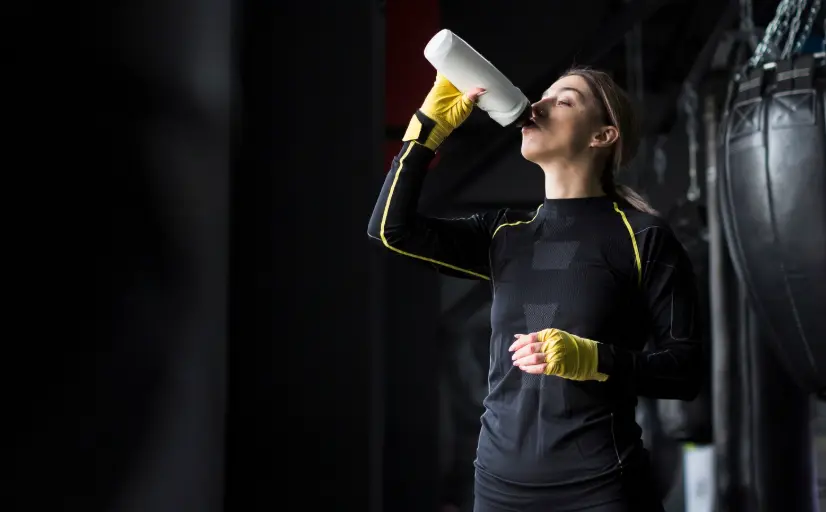
Do you know what happens after your workout ends? That is when your body repairs muscle, restores energy, and adapts to the training you just did. These seven Workout Recovery Tips help you feel less sore, avoid burnout, and perform better next session. At Nitro Gym, our trainers at the gym in Silicon Oasis guide members through recovery every day, so this advice reflects what we see working in practice.

Why Recovery Matters
Training is the stress; recovery is where your body adapts and gets stronger. Skipping it can mean lingering soreness, constant fatigue, stalled progress, and a higher risk of injury from pushing tired muscles too far.
1. Refuel With Protein and Carbs
Protein helps repair muscle, and carbohydrates refill the glycogen your body used during training. You do not need a strict 30-minute deadline. A balanced meal within a couple of hours works for most people, and eating sooner helps if you train early or twice a day. Easy options include:
- Protein shake with a banana
- Greek yoghurt with berries
- Grilled chicken with sweet potato
2. Hydrate Steadily
You lose more fluid through sweat in Dubai’s heat. Drink water through the day, not only during training, and replace fluids after every session. Pale yellow urine is a simple sign that you are well hydrated.
3. Protect Your Sleep
Much of your repair happens while you sleep, including the release of growth hormone. Most adults need 7 to 9 hours a night. Keep a regular schedule, make your bedroom cool and dark, and limit screens, caffeine, and heavy meals late in the evening.
4. Schedule Rest Days and Active Recovery
Training every day without breaks wears you down instead of building you up. Plan rest days, and use light activity such as walking, easy cycling, or gentle yoga between hard sessions to keep blood moving and ease stiffness. A simple week might include three strength sessions, one or two light activity days, and at least one full rest day.
5. Stretch and Foam Roll
Finish with a cool-down: a few minutes of easy movement, then static stretches held for 20 to 30 seconds. Foam rolling can ease tight spots and may reduce the feeling of soreness, although it can feel uncomfortable at first. Both take only 10 to 15 minutes and fit easily into your routine.
6. Use Your Gym’s Recovery Space
Recovery does not stop at the last rep. At Nitro Gym in Silicon Oasis, members can use stretching zones, showers, and cool-down areas, and ask our trainers for stretches, foam-rolling techniques, and recovery routines. Cooling down properly helps your body shift out of training mode. Hot or cold showers are a matter of preference, since the evidence is mixed, so use whichever feels better.
7. Be Consistent and Listen to Your Body
Recovery works best as a habit: sleep well, eat well, hydrate, and stretch regularly. Watch for warning signs such as constant fatigue, falling performance, low mood, or pain that does not settle, and take an extra rest day when you need one. Good recovery also protects motivation, so the gym stays something you look forward to.
FAQs
How soon should I eat after a workout?
Is foam rolling worth it?
Can I work out if I am sore?
Recovery Is Part of Training
Recovery Is Where Progress Happens
Is recovery really worth the time? Yes, because progress happens between sessions, not only during them. Apply these Workout Recovery Tips consistently: refuel with protein and carbs, hydrate, sleep 7 to 9 hours, schedule rest days, and stretch after training. Small habits add up to less soreness, fewer injuries, and better performance. At Nitro Gym, our trainers at the gym in Silicon Oasis can help you build a plan that balances training and recovery. If pain or fatigue persists, see a doctor.