


Is Getting Slim the Same as Getting Fit? Understanding the Difference
Many people begin their fitness journey with one main goal which is to become slim. While losing weight and looking lean may improve confidence, being slim is not always the same as being fit. True...
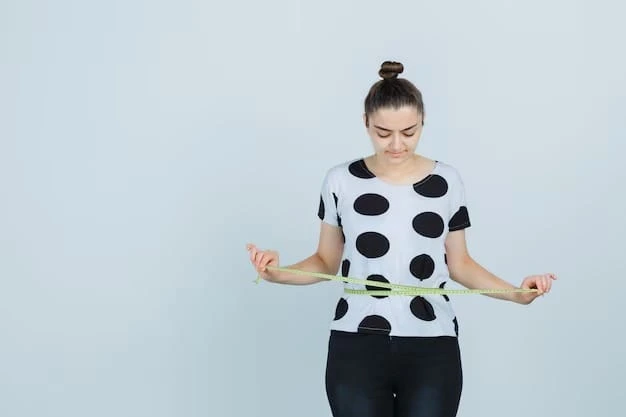
Many people begin their fitness journey with one main goal which is to become slim. While losing weight and looking lean may improve confidence, being slim is not always the same as being fit. True fitness is not only about appearance. It is about strength, endurance, energy levels, flexibility, and overall health.
A person may look thin but still feel tired, weak, or unhealthy. On the other hand, someone with a slightly higher body weight may be physically stronger, more active, and healthier. Understanding the difference between being slim and being fit helps you create realistic goals and follow a healthier approach to fitness.
Whether you train for weight loss, muscle gain, or general health, focusing on overall body performance is far more important than simply chasing a smaller number on the scale.
What Does It Mean to Be Slim?
Being slim generally refers to having lower body fat or a lean appearance. Many people try to become slim through calorie restriction, dieting, cardio workouts, or weight loss programs.
A slim body is usually associated with:
- Lower body weight
- Smaller waist size
- Lean appearance
- Reduced fat percentage
While there is nothing wrong with wanting to look lean, slimness alone does not guarantee good health or physical fitness.
Some people lose weight quickly through unhealthy methods such as crash dieting or excessive cardio. This may reduce fat but can also lead to muscle loss, weakness, and low energy levels.
What Does It Mean to Be Fit?
Fitness is about how well your body performs and functions. A fit person has strength, stamina, mobility, balance, and endurance. Fitness focuses on long term health instead of only appearance.
A fit body usually includes:
- Good muscle strength
- Healthy cardiovascular endurance
- Better flexibility and mobility
- Higher energy levels
- Improved mental health
Being fit allows you to perform daily activities more easily while reducing the risk of health problems.
Skinny vs Fit — What's the Real Difference?
Many people confuse being skinny with being fit. However, the two are completely different.
A skinny body may simply mean low body weight. A fit body means the body is strong, active, and healthy.
Skinny Body
- Low body weight
- May have low muscle mass
- Often weaker physically
- Lower stamina and endurance
- Appearance focused
Fit Body
- Better muscle tone
- Stronger and healthier
- Improved endurance
- Higher energy levels
- Better overall body performance
A fit body may not always look extremely thin because muscle adds healthy weight and improves body composition.
| Skinny Body | Fit Body |
|---|---|
| Content | Low body weightMay have low muscle massOften weaker physicallyLower stamina and enduranceAppearance focused |
Can You Be Slim But Unfit? The Skinny Fat Problem
Yes, it is possible to be slim but still unhealthy. This is commonly known as being “skinny fat.” A skinny fat person may appear thin but has low muscle mass and higher body fat percentage internally.
Signs of being skinny fat include:
- Low muscle definition
- Poor strength levels
- Low stamina
- Belly fat despite being slim
- Feeling tired easily
This happens when people focus only on losing weight without building strength or improving fitness.
Extreme dieting without resistance training often causes muscle loss, which weakens the body over time.
Why Body Composition Matters More Than Weight
Instead of focusing only on body weight, it is better to focus on body composition. Body composition refers to the balance between muscle mass and body fat.
Two people can weigh the same but look completely different depending on their muscle and fat levels.
A healthy body composition includes:
- Higher lean muscle mass
- Lower unhealthy fat levels
- Better physical strength
- Improved metabolism
Muscle not only improves appearance but also supports long term health and fat burning.
Can You Be Both Slim and Fit?
Absolutely. The healthiest approach is to become both lean and fit through balanced training and nutrition.
When you combine strength training with cardio and healthy eating, your body naturally becomes stronger and leaner over time.
The goal should not be to become extremely skinny. Instead, focus on:
- Building muscle
- Improving endurance
- Maintaining healthy body fat levels
- Increasing energy and mobility
This approach creates sustainable and healthy fitness results.
How to Get Fit and Lean at the Same Time
To become both slim and fit, consistency is important. A balanced routine works much better than extreme dieting or excessive cardio.
Important steps include:
Strength Training
Strength workouts help build muscle and improve metabolism. Muscle also gives the body a toned and athletic appearance.
Cardio Workouts
Cardio improves heart health and helps burn calories efficiently.
Proper Nutrition
Balanced meals with protein, healthy fats, and complex carbohydrates support recovery and muscle growth.
Sleep and Recovery
Recovery allows muscles to repair and helps maintain energy levels.
Workout Plan for Slim People
Many slim individuals struggle to build strength because they focus too much on cardio and not enough on resistance training.
A simple workout structure for slim beginners includes:
Day 1
Upper body strength training
Day 2
Lower body workout
Day 3
Light cardio and recovery
Day 4
Full body strength training
Day 5
Core and mobility exercises
Strength training should remain the main focus while cardio is kept moderate.
Body Recomposition Tips
Body recomposition means losing fat while building muscle at the same time. This is one of the best ways to improve overall fitness.
Helpful body recomposition tips include:
- Eat enough protein daily
- Focus on progressive strength training
- Avoid crash diets
- Stay consistent with workouts
- Sleep properly
- Drink enough water
Body recomposition improves both appearance and physical performance.
How to Go From Slim to Strong — A 12 Week Plan
Improving from slim to strong requires patience and structure.
Weeks 1 to 4
Focus on learning proper form and building workout consistency.
Weeks 5 to 8
Increase workout intensity gradually and improve strength levels.
Weeks 9 to 12
Build endurance, increase muscle definition, and improve overall performance.
Progress may feel slow initially, but consistent training creates noticeable changes over time.
How Long Does It Take to Get Fit?
The timeline depends on consistency, nutrition, sleep, and workout quality.
Generally:
- Energy improvements may appear within 2 to 4 weeks
- Strength improvements can appear within 4 to 8 weeks
- Visible body changes may take around 8 to 12 weeks
Long-term fitness is built through consistent healthy habits.
FAQs
Can I be slim but not fit?
Yes. A person can look slim but still lack strength, endurance, and overall fitness.
Is fitness more important than being slim?
Yes. Fitness focuses on long term health, energy, and physical performance, which are more important than appearance alone.
How can I get fit without gaining too much weight?
Follow a balanced routine with strength training and cardio, along with proper nutrition. This helps you stay lean while improving fitness.
How long does it take to become fit?
It depends on consistency, diet, and training. With regular effort, noticeable improvements can be seen within a few weeks.
Summing Up
Getting slim and getting fit are not the same. Slimness mainly focuses on appearance, while fitness focuses on strength, endurance, health, and body performance. A healthy fitness journey should aim for balance instead of extreme weight loss.
By following proper training, maintaining good nutrition, and staying consistent, you can achieve a body that is not only lean but also strong, energetic, and healthy.
For those looking to train in a professional and motivating environment, Nitro Gym in DSO and Al Barsha offers expert guidance, advanced equipment, and structured fitness programs to help you achieve long-term results safely and effectively.