



Guide to Feeling Good and Getting Healthy: Weight Loss vs. Fat Loss
Are you stepping on the scale every morning hoping to see a lower number but wondering whether that number actually reflects the progress you're making? Understanding the difference between weight...
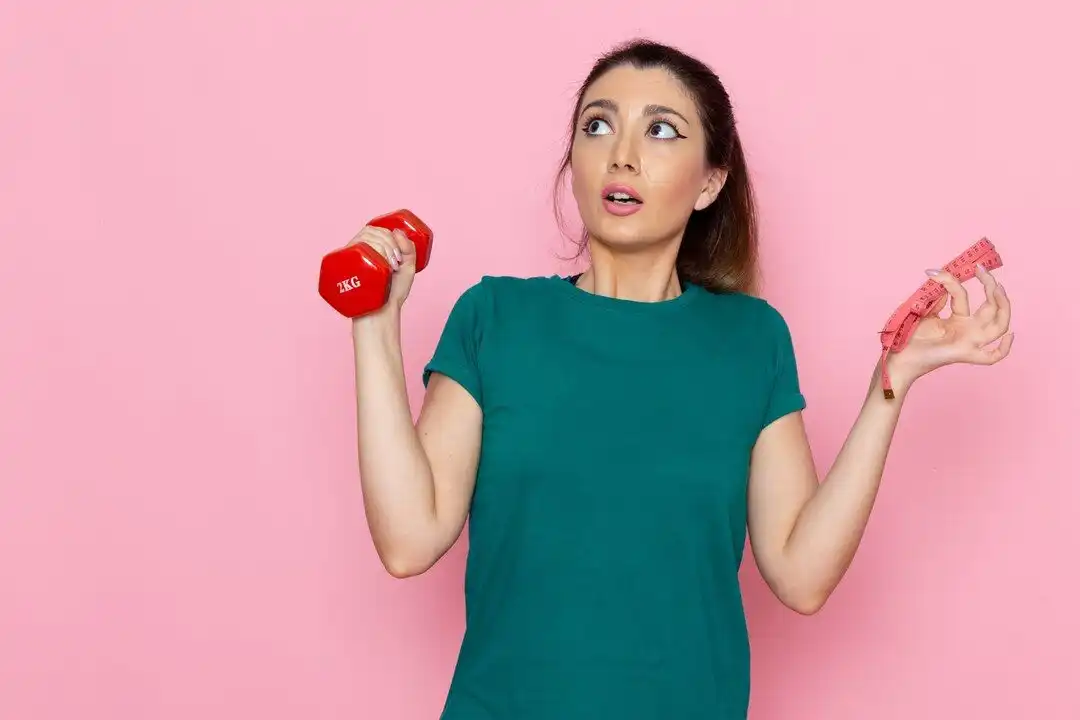
Are you stepping on the scale every morning hoping to see a lower number but wondering whether that number actually reflects the progress you're making? Understanding the difference between weight loss vs. fat loss is one of the most important distinctions in fitness, and confusing the two is one of the most common reasons people feel frustrated despite consistent effort.
At Nitro Gym, our certified trainers at the gym in DSO and gym in Barsha work with members every day who are chasing scale numbers when they should be focused on something far more meaningful body composition. Here's what you actually need to know.
Weight Loss vs. Fat Loss: The Core Distinction
Weight loss refers to a reduction in total body weight. That number on the scale reflects everything: muscle mass, fat mass, water, bone density, and organ tissue. When the scale drops, it doesn't tell you what you lost and that distinction matters enormously.
Fat loss refers specifically to a reduction in stored body fat while preserving lean muscle mass. This is the outcome that improves body composition, enhances physical performance, improves metabolic health, and produces the visible changes most people are actually training for.
You can lose weight without losing fat through dehydration, muscle loss, or extreme calorie restriction. And you can lose fat without the scale moving significantly, particularly when building muscle simultaneously. The scale is a single, incomplete data point. Body composition is the full picture.
Why Crash Diets Produce Weight Loss, Not Fat Loss
Extreme calorie restriction the foundation of crash diets creates rapid scale movement but not the results people expect. When calories are severely restricted, the body draws energy from multiple sources: stored fat, muscle glycogen, and lean muscle tissue itself.
The consequences are significant:
- Muscle mass decreases: Reducing resting metabolic rate and making future fat loss progressively harder.
- Metabolic adaptation occurs: The body downregulates energy expenditure in response to severe restriction, slowing progress.
- Hormonal disruption follows: Ghrelin (hunger hormone) rises and leptin (satiety hormone) falls, increasing hunger and reducing feelings of fullness.
- Weight regain is common: Reduced muscle mass and a slower metabolism make it easier to regain fat after the diet ends.
- Performance suffers: Energy for training drops, reducing the quality of every gym session and further limiting body composition improvements.
Sustainable fat loss requires a moderate calorie deficit, typically 300–500 calories below Total Daily Energy Expenditure (TDEE) not extreme restriction.
How to Achieve Fat Loss, Not Just Weight Loss
Eat for Body Composition
Focus on nutrient-dense whole foods that support muscle preservation while creating a calorie deficit. Prioritise lean proteins (chicken, fish, eggs, legumes) at every meal; protein supports muscle protein synthesis, reduces muscle breakdown during a deficit, and improves satiety. Include complex carbohydrates (oats, brown rice, sweet potato) for training fuel, and healthy fats (avocado, nuts, olive oil) for hormonal health.
Train With Resistance
Cardio burns calories but doesn't preserve muscle. Strength training compound movements like squats, deadlifts, pressing, and rows signal to your body to retain lean muscle during a calorie deficit. This is what separates fat loss from generalised weight loss. At Nitro Gym in the gym in DSO and gym in Barsha, our certified trainers design programmes that combine resistance training with appropriate cardio for exactly this outcome.
Measure Body Composition, Not Just Weight
Body composition analysis tracking fat percentage, lean muscle mass, and water weight separately gives you the real picture of what's changing. The scale can stay the same while body fat decreases and muscle increases, which represents significant positive progress that the scale alone would suggest isn't happening.
Frequently Asked Questions
Can I lose fat without losing weight on the scale?
How much of a calorie deficit do I need for fat loss?
Is cardio or strength training better for fat loss?
Focus on Fat Loss: Not Just the Scale
The goal isn't to weigh less. The goal is to carry less fat, more muscle, and feel stronger, healthier, and more capable in your daily life. Weight loss vs. fat loss isn't a semantic distinction it's the difference between chasing a number and building a body that actually performs and looks the way you want it to.
At Nitro Gym, whether you train at our gym in DSO or our gym in Barsha, our certified trainers help you track the right metrics, build the right programme, and focus your effort on the outcomes that actually matter. Your body composition is what counts, not the number on the scale.