


7 Tips for Staying Hydrated During Your Workout: How to Fuel Your Body Properly
Are you training consistently but still feeling tired, dizzy or flat mid-session? Before changing your programme, check your hydration. Even a fluid loss of around 2% of body weight can reduce...
Are you training consistently but still feeling tired, dizzy or flat mid-session? Before changing your programme, check your hydration. Even a fluid loss of around 2% of body weight can reduce strength, endurance and focus. Our certified trainers at Nitro Gym in Silicon Oasis and Al Barsha see this pattern often, especially in Dubai’s heat. These seven simple workout hydration tips explain what to drink, when and how much, so you can perform better, stay consistent and recover faster.
1. Pre-Load Before You Train
Hydration starts well before you walk into the gym. Arriving at your session already dehydrated means your body is playing catch-up from the first rep. As a practical guideline, drink 500–600ml of water 2–3 hours before your workout, and another 200–250ml approximately 20–30 minutes before you start.
Pre-training hydration helps regulate body temperature, supports nutrient transport to working muscles, and prevents the early fatigue that dehydrated gym-goers experience during their first few sets.
2. Bring a Water Bottle and Use It
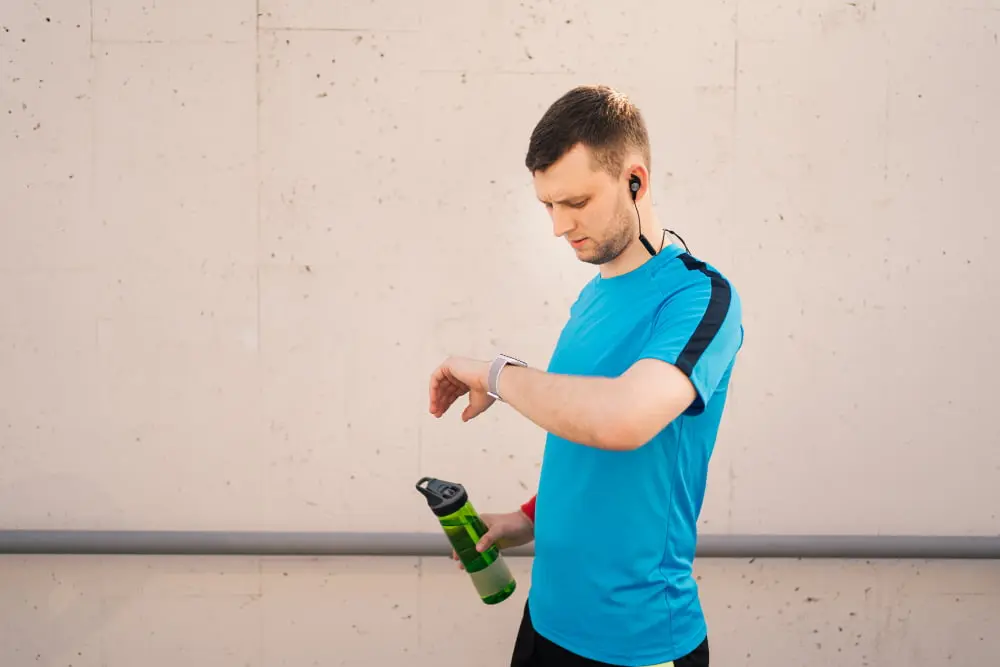
This sounds obvious but the most common hydration mistake in the gym is having a water bottle and not drinking from it consistently. Sipping water throughout your session is far more effective than drinking large volumes at once.
Aim for 120–240ml every 15–20 minutes during your workout. Regular sipping maintains blood volume, supports cardiovascular efficiency, and prevents the performance drop that hits when you wait until you're thirsty by which point dehydration has already begun.
3. Monitor Your Fluid Loss
For members who train intensely or in warm conditions, tracking actual fluid loss gives a precise hydration target. Here's how to do it:
- Weigh yourself before training: Note the number.
- Weigh yourself after training: Note the difference.
- For every 0.5kg lost, drink approximately 500–600ml of fluid to restore balance.
- Check urine colour: Pale yellow throughout the day indicates good hydration; dark yellow or amber means you need more fluid before your next session.
- Increase intake in UAE heat: Training in Dubai's climate accelerates sweat rate significantly, particularly in summer months. Members at our gym in Silicon Oasis and gym in Al Barsha should increase baseline intake beyond general recommendations during peak summer.
4. Use Electrolyte Drinks for Longer Sessions
Plain water is sufficient for sessions under 60 minutes. For longer or higher-intensity sessions endurance training, HIIT, or extended strength sessions electrolytes become essential. Sweat doesn't just contain water; it contains sodium, potassium, and magnesium. Replacing water without replacing electrolytes can lead to hyponatremia (dangerously low sodium) and muscle cramping that water alone won't fix.
Choose low-sugar electrolyte drinks or natural options like coconut water. Avoid high-sugar sports drinks that cause blood sugar spikes and subsequent energy crashes mid-session.
5. Eat Water-Rich Foods Throughout the Day
Hydration isn't only about what you drink what you eat contributes meaningfully to daily fluid intake. Foods high in water content that support training hydration include watermelon (92% water), cucumber, strawberries, oranges, and leafy greens. These foods also provide vitamins, minerals, and antioxidants that support recovery and immune function alongside their hydration contribution.
These should complement consistent water intake rather than replace it, particularly on training days when fluid demands are higher.
6. Avoid Dehydration Triggers Around Training
Several common habits accelerate fluid loss and undermine gym performance:
- Alcohol: A diuretic that increases urinary output and actively depletes fluid and electrolyte reserves. Training after a night of drinking begins in a compromised state.
- Excessive caffeine: Moderate caffeine (1–2 cups) before training has performance benefits, but excessive intake acts as a mild diuretic that compounds fluid loss from training sweat.
- Extreme heat exposure: If commuting to the gym in Dubai's summer heat before training, you're already sweating before the session starts. Factor this into your pre-session fluid intake.
7. Stay Consistent: Not Just During Workouts
Hydration is a 24-hour habit, not something you can correct in the 10 minutes before you train. Drinking 8–10 cups (approximately 2–2.5 litres) of water daily as a baseline, adjusted upward on training days maintains the fluid reserves your body draws on during exercise.
Make hydration accessible: keep a water bottle at your desk, in your car, and in your gym bag. When fluids are visible and within reach, you drink them. When they're not, you don't.
Frequently Asked Questions
How much water should I drink during a gym session in Dubai's heat?
Is it possible to drink too much water during a workout?
Do coffee or pre-workout supplements count toward my fluid intake?
Conclusion
Workout hydration tips are only useful if they become consistent habits not something you think about once and forget. Pre-load before sessions, sip consistently during them, track your fluid loss, and maintain hydration throughout the day. In Dubai's climate, these habits matter more than anywhere else.
At Nitro Gym, whether you train at our gym in Silicon Oasis or our gym in Al Barsha, our certified trainers are here to help you optimise every performance variable including the one most people overlook. Drink smart, train hard, and recover faster.